A clean test drive can make a used car feel like a safe bet. So can a seller’s claim that it has “never had a problem.” Neither tells you whether the vehicle was rebuilt after a major collision, carries a title brand, has an odometer discrepancy, or is hiding wear that only appears on a lift. That is the real question behind a VIN report versus inspection: which one protects you from the risk you cannot see?
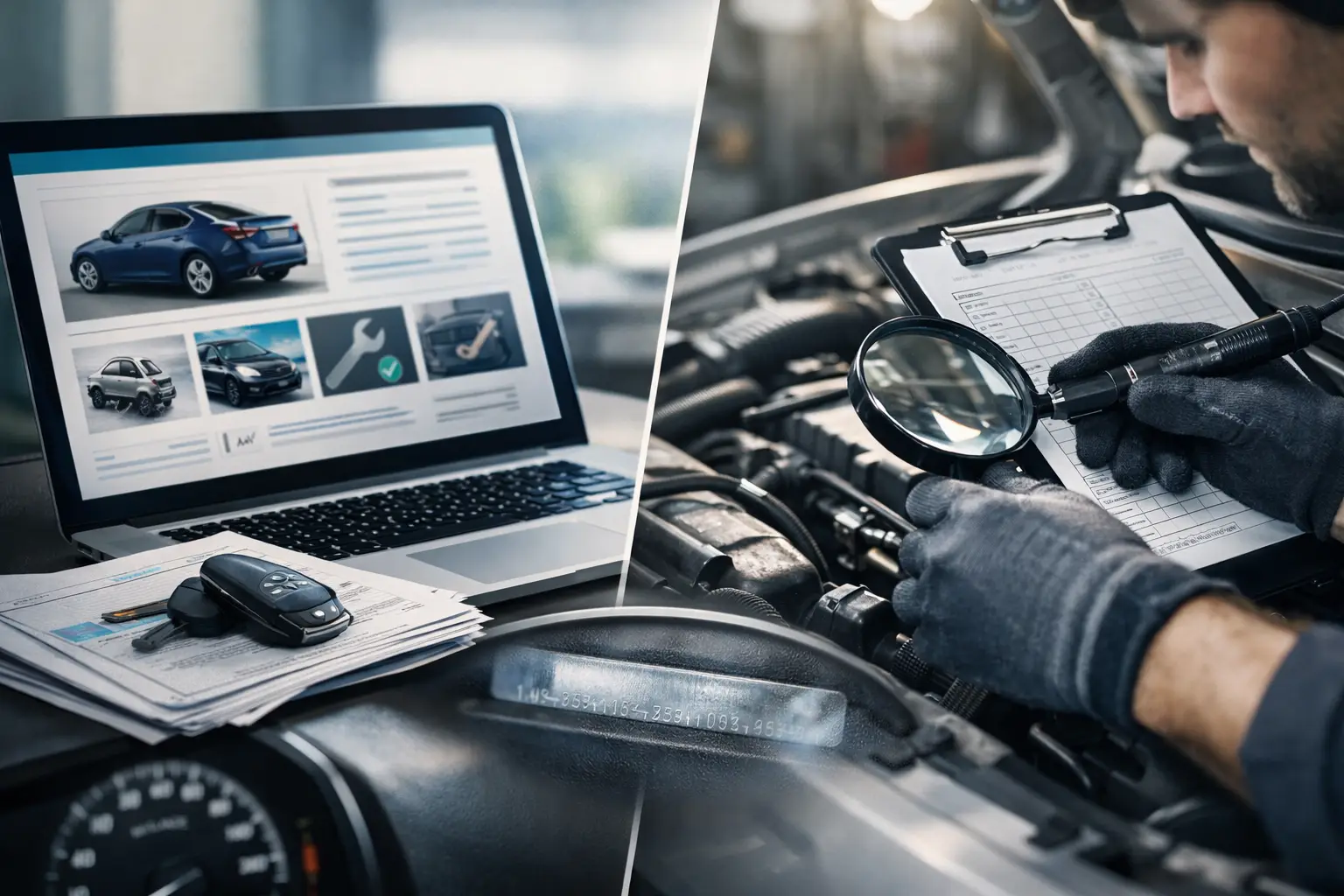
The answer is not either-or. A vehicle history report and a pre-purchase inspection investigate different evidence. One traces the vehicle’s documented past. The other assesses its current physical condition. Used together, they give buyers, dealers, auction buyers, and fleet teams a much stronger basis for a purchase decision.
VIN Report Versus Inspection: The Core Difference
A VIN report is a record-based investigation. It uses the vehicle identification number to pull together available data tied to that specific vehicle, such as title history, reported accidents and damage, theft records, ownership events, odometer readings, recalls, specifications, and registration activity. It answers questions about what has been reported over the life of the vehicle.
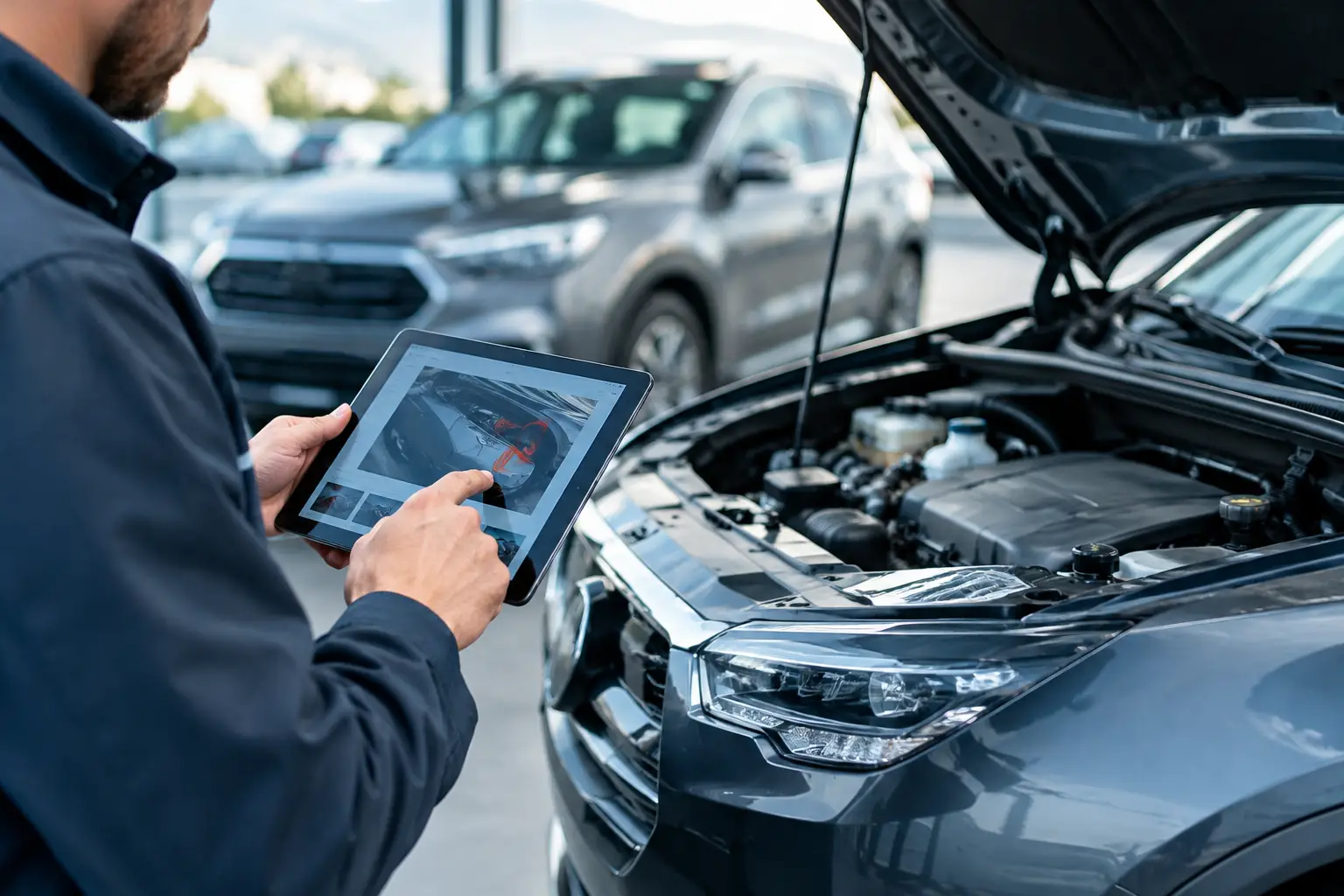
A pre-purchase inspection is a condition-based evaluation. A qualified mechanic examines the vehicle as it sits today, looking at mechanical operation, visible damage, fluid leaks, tire condition, brakes, suspension, structural concerns, diagnostic trouble codes, and other issues that may affect safety, reliability, or repair cost.
The distinction matters because records are not a substitute for a technician’s eyes, and a technician cannot always see a vehicle’s full history. A mechanic may identify evidence of poor collision repair, for example, but may not know the car was previously issued a salvage title in another state. A VIN report may show no reported accident, but it cannot confirm that the transmission shifts properly under load.
What a VIN Report Can Reveal Before You See the Car
The VIN is the vehicle’s identity key. Before you spend time traveling to a seller, negotiating price, or scheduling an inspection, a report can screen for major deal-changing risks.
A quality report may reveal title brands such as salvage, rebuilt, flood, lemon, junk, or odometer-related designations. These labels do not automatically make a vehicle worthless, but they materially affect value, financing, insurance options, resale potential, and the level of scrutiny the vehicle deserves.
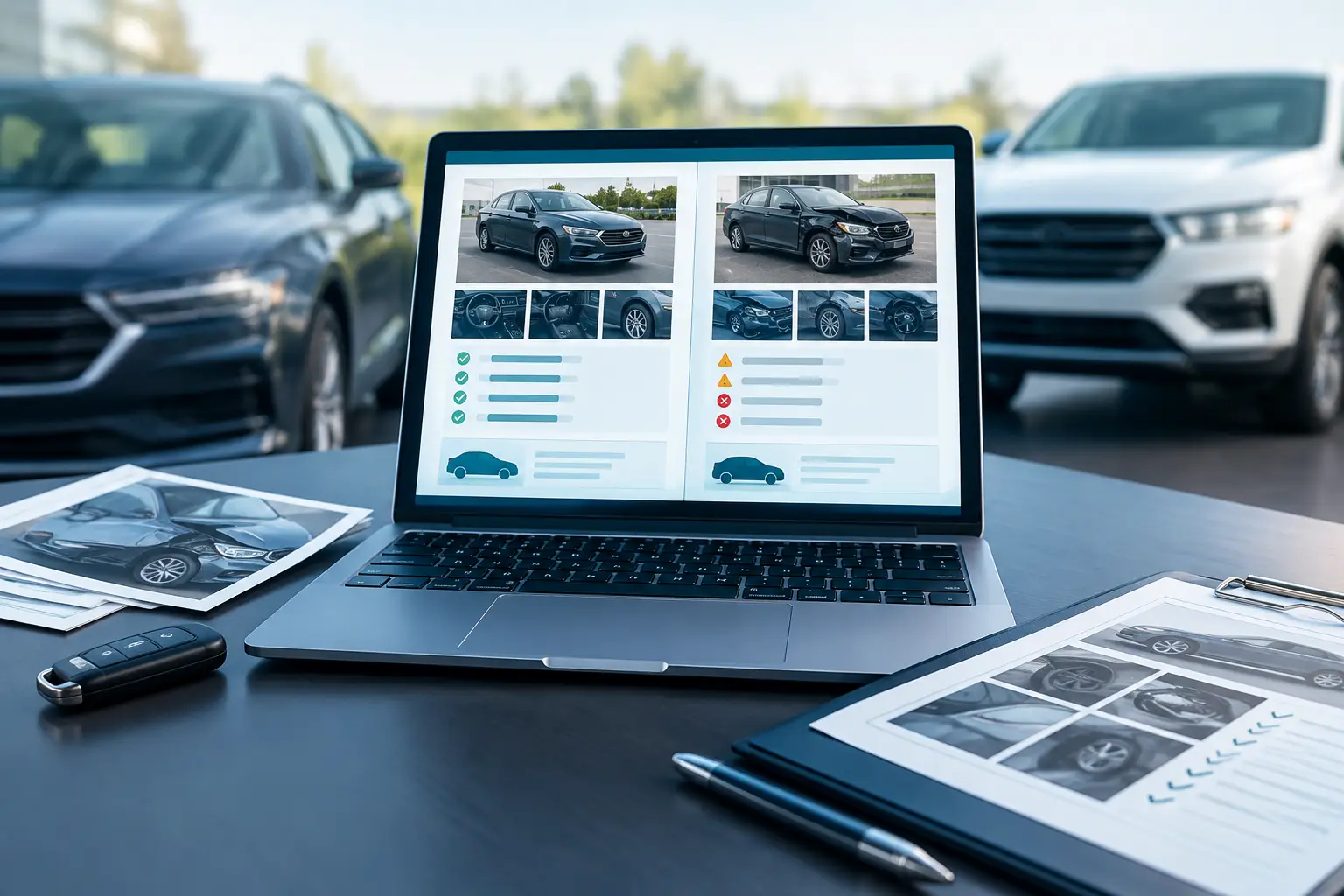
Reported accident and damage events also provide context that a walk-around may not. Minor cosmetic damage is different from a collision that may have involved airbags, frame repairs, or repeated insurance claims. Ownership and usage history can be equally useful. A car that moved through several owners in a short period is not necessarily a problem, but it is worth asking why. Commercial, rental, fleet, or taxi use may also mean higher wear than the mileage alone suggests.
Odometer history is another critical check. A vehicle can look remarkably clean after detailing, even when its mileage story does not add up. Recorded mileage events help identify potential inconsistencies that deserve further verification.
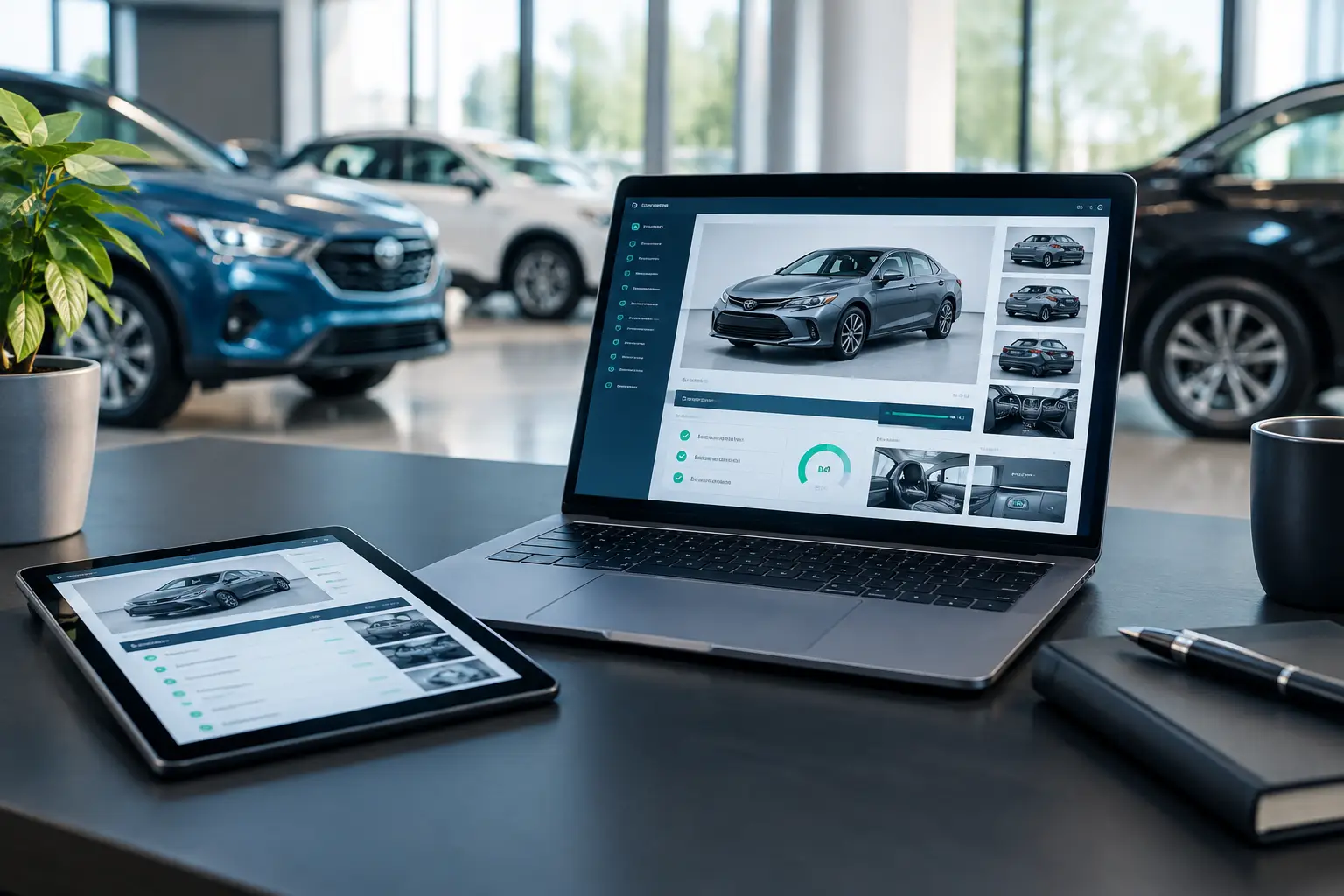
At DriveEvidence, the goal is to turn these separate signals into a faster decision. The DriveEvidence Score uses a 0-100 risk-based model to help users identify where deeper review is needed, while the underlying records provide the proof behind the score. It is especially useful when comparing several vehicles and deciding which ones are worth inspecting first.
What a VIN report cannot guarantee
Vehicle history data is powerful, but it is not a complete maintenance file or a real-time mechanical diagnosis. Not every repair, collision, service visit, or damage event is reported to every data source. An owner may repair a vehicle privately without filing an insurance claim. A shop may perform maintenance without creating a record that appears in a history report.
A VIN report also cannot tell you whether the battery is failing, whether the air conditioning blows cold after 30 minutes, or whether a small oil leak will become a large repair bill next month. It can flag risk. It cannot replace hands-on verification.
What a Pre-Purchase Inspection Can Catch
A thorough inspection turns attention from documented history to present condition. The mechanic should evaluate the vehicle on a lift when possible, scan for diagnostic trouble codes, assess major systems, and road-test the vehicle. For high-value, older, performance, or specialty vehicles, the inspector’s experience with that make and model can make a meaningful difference.
The inspection can expose active issues that may never appear on a VIN report: worn brake pads and rotors, uneven tire wear, leaking shocks, rust underneath the vehicle, fluid leaks, weak engine mounts, noisy wheel bearings, cooling-system problems, and suspension wear. It may also identify poor-quality repairs, non-factory wiring, missing underbody shields, or signs that panels have been repainted.
For buyers, this information changes negotiations. A car can still be a good purchase if it needs tires or brakes, provided the price reflects the cost. A report gives you a clearer picture of history; an inspection gives you an estimate of what the vehicle may cost you next.
What an inspection may miss
An inspection has limits, too. A mechanic works within a finite amount of time and may not be able to disassemble components. Intermittent problems may not occur during the test drive. Some electronic faults remain hidden until specific conditions arise. And unless the inspector has independently reviewed the VIN history, they may not know to focus on risks connected to a prior flood event, title brand, or reported collision.
That is why scheduling an inspection without first checking the VIN can be inefficient. You may pay for a mechanical review of a vehicle that has a title issue, theft record, or odometer concern that would have removed it from consideration immediately.
The Best Order: Report First, Inspection Second
For most used-car purchases, start with the VIN report before arranging an inspection. This sequence protects your time and your inspection budget.
First, verify that the VIN on the listing, windshield, driver-side door jamb, and title paperwork match. A mismatch is not a small clerical detail. Stop and get a clear explanation before proceeding.
Next, review title status, accident and damage records, odometer events, theft information, recall status, ownership history, and the vehicle’s market context. If you find a significant issue, decide whether the price, intended use, and your risk tolerance still support moving forward. A rebuilt-title vehicle may be workable for an informed buyer seeking a lower purchase price. It is a different decision from paying clean-title money for the same vehicle.
Then use the report to guide the mechanic. If there is a reported front-end collision, ask for close attention to alignment, suspension mounting points, radiator support repairs, airbag components, and uneven tire wear. If the report indicates a flood brand or water-related history, ask the inspector to look closely for corrosion, moisture damage, electrical irregularities, and mold odors. The data makes the inspection more targeted.
Finally, compare the total picture against the asking price. The right question is not simply, “Is this car good?” It is, “Is this vehicle’s verified history, current condition, and likely repair exposure appropriate for this price?”
When One Check May Be Enough
There are limited situations where you may not need both. If you are quickly filtering dozens of auction listings or wholesale opportunities, VIN reporting is the practical first line of defense. It helps teams sort inventory, identify obvious title or odometer risks, and focus manual review where it matters most. Physical inspections may not be feasible on every unit.
If you are buying a low-cost vehicle for a short-term purpose, you might decide that a basic inspection is enough. That is a budget choice, not proof that history does not matter. Skipping the report can leave you exposed to issues that affect registration, insurance, value, and resale.
For a private-party purchase, a late-model vehicle, a vehicle with a premium price, or anything you plan to finance or keep for years, both checks are usually justified. The cost of verification is small compared with discovering a title problem, undisclosed damage, or major mechanical defect after the sale.
Use Both to Negotiate From Evidence
Sellers often frame objections as minor: a warning light that “just came on,” paintwork that was “only cosmetic,” or a price that is “firm because it’s clean.” Evidence separates reasonable explanations from expensive surprises.
Bring the report and inspection findings into the conversation. Ask direct questions. Request invoices for major repairs. If the seller cannot explain a title event, mileage inconsistency, prior damage, or repair recommendation, do not fill the gap with optimism. A lower price may offset known repairs, but it does not erase uncertainty or make a branded title equivalent to a clean one.
The strongest used-car decisions are not based on a seller’s confidence or a vehicle’s appearance. Start with the records, verify the condition, and let the evidence decide whether the car deserves your money.