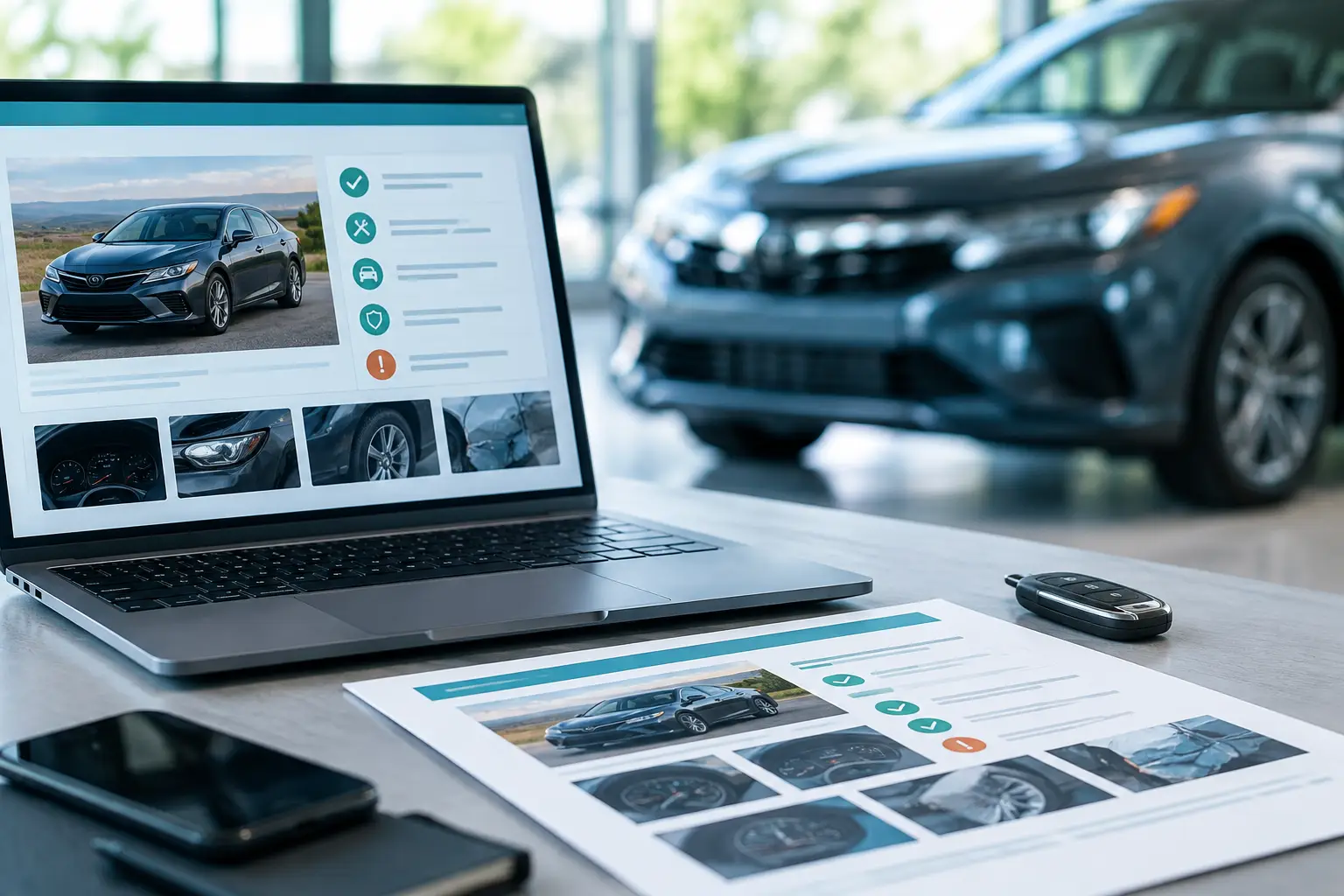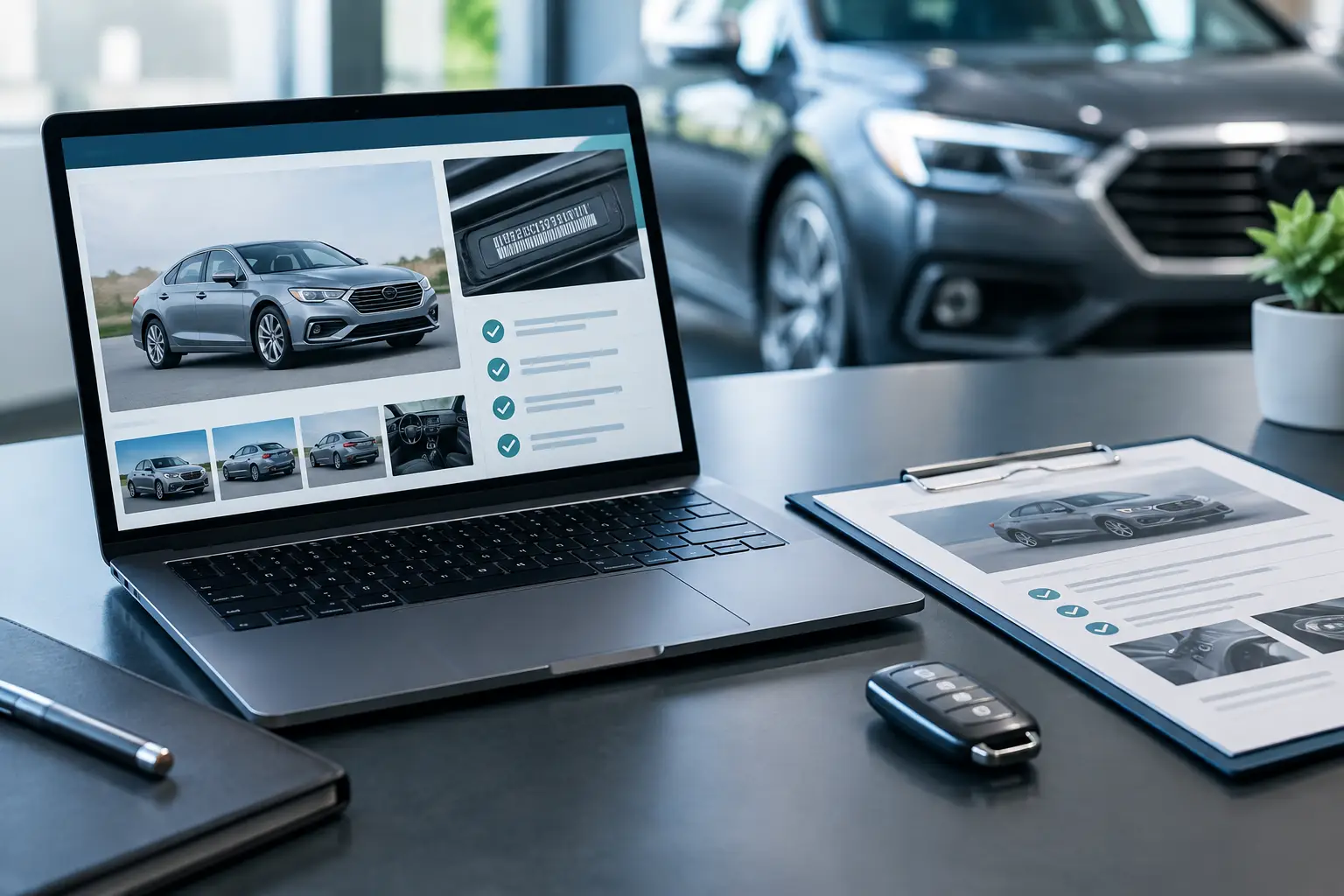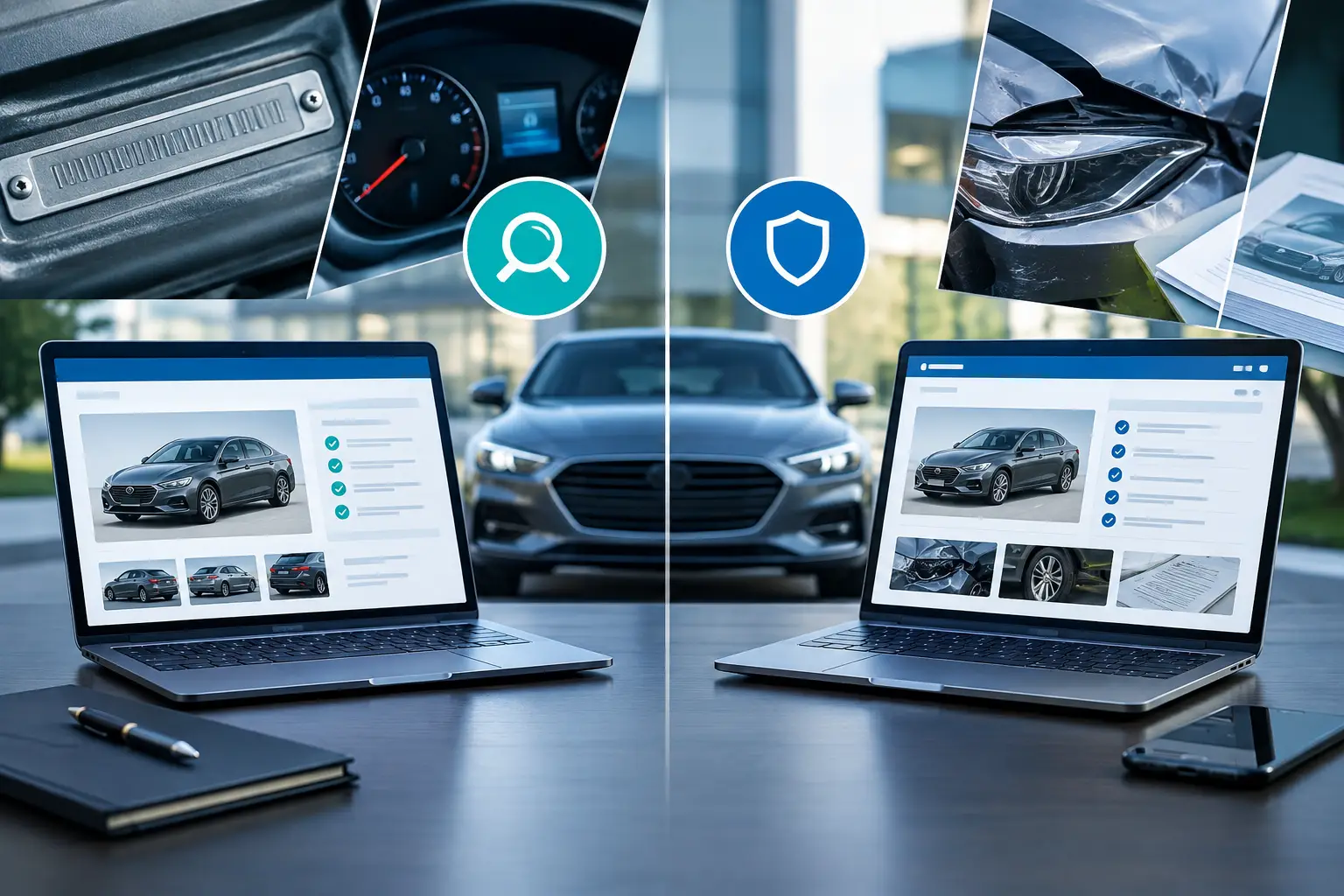
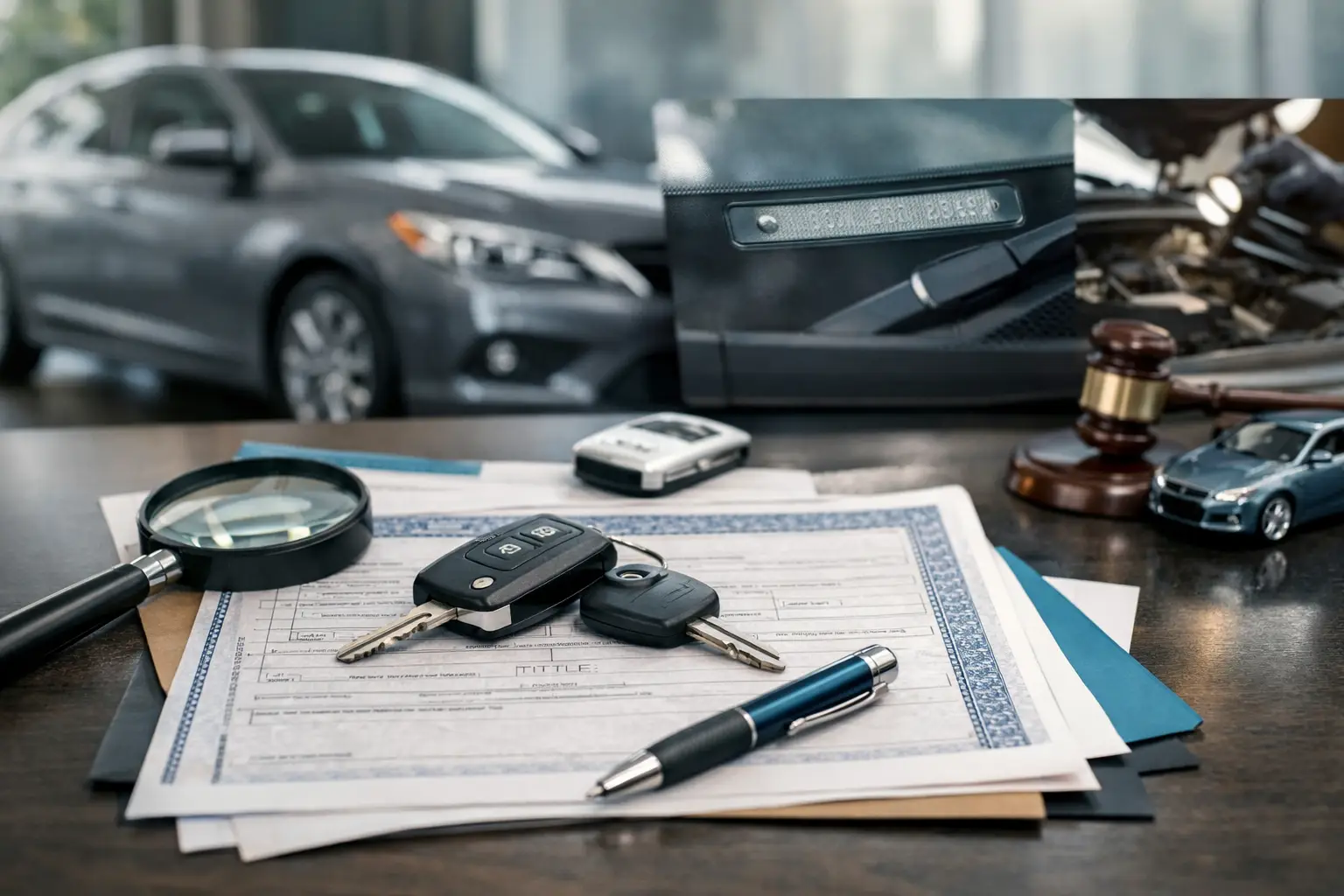
A clean-looking car can still carry a title history that changes the deal completely. This branded title guide for buyers is built to help you spot what a title brand really means, how it affects value and insurability, and when a lower price is worth the added risk.
Most shoppers focus on mileage, condition, and price first. Those matter, but title status can override all three. A vehicle with a salvage, rebuilt, flood, lemon, or other branded title may have a very different safety profile, financing path, resale future, and fraud risk than an identical vehicle with a clean title. If you are buying for personal use, resale, or inventory, you need proof - not assumptions.
What a branded title actually means
A branded title is a permanent label added to a vehicle's title record to flag a significant event or condition. The exact rules vary by state, but the purpose is consistent: warn future buyers, lenders, insurers, and dealers that the vehicle has a material history issue.
That issue could be severe collision damage, flood exposure, odometer problems, manufacturer buyback status, theft recovery, or another event serious enough to change how the vehicle should be evaluated. The brand stays with the vehicle record, even if the car looks repaired and road-ready.
This is where many buyers get tripped up. A branded title is not a cosmetic note. It is a risk signal tied to legal status, market value, and future transferability. Some branded vehicles can be decent buys in the right situation. Others are cheap for a reason.
Branded title guide for buyers: the brands that matter most
Not every title brand carries the same level of risk. Some point to past damage that may have been repaired correctly. Others suggest hidden long-term issues that are harder to inspect and easier to underestimate.
Salvage title
A salvage title usually means the vehicle was declared a total loss by an insurer. That does not always mean the car was destroyed. It means the cost to repair it, plus other value factors, crossed the threshold where the insurer decided it was not worth restoring under a normal claim.
For buyers, salvage titles raise immediate questions. What caused the loss? Was it collision, flood, hail, theft recovery, or something else? How extensive was the damage? Was the vehicle ever properly repaired, and are there records to prove it?
Rebuilt or reconstructed title
A rebuilt title typically means the vehicle was once salvage but was repaired, inspected, and approved for road use under state rules. This brand can sound reassuring, but it is not the same as a clean slate.
A rebuilt vehicle may be legally drivable, yet still carry lower market value, insurance limitations, and resale friction. The quality of the repair matters more than the fact that an inspection occurred. State inspections are not all equal, and they are not a substitute for an independent mechanical and structural review.
Flood title
Flood damage deserves extra caution. Water can affect wiring, sensors, control modules, corrosion points, airbags, interior materials, and driveline components. Some problems show up right away. Others surface months later.
A flood-branded vehicle can look surprisingly good after cleanup. That is part of the problem. If the history shows flood exposure, buyers should assume elevated electrical and corrosion risk even when the car appears clean in person.
Lemon or manufacturer buyback title
A lemon title generally means the manufacturer repurchased the vehicle because of a defect or repeated failure that triggered state lemon law protections. Sometimes the issue was fixed. Sometimes the vehicle continues to carry stigma even after repair.
These cars can be priced attractively, but the right question is not just whether the issue was repaired. It is whether the defect history, documentation, and current performance justify the long-term risk.
Odometer brand, theft brand, and other state labels
An odometer brand may indicate mileage discrepancy, rollback suspicion, or that the true mileage is unknown. That directly affects value and trust. A theft or theft-recovery brand may point to recovery after a stolen-vehicle event, with possible missing parts, damage, or record gaps.
States also use labels such as junk, non-repairable, reconstructed, hail, or prior taxi depending on local rules. The wording changes, but the buyer's job stays the same: find out what happened, when it happened, and whether the current asking price reflects the real risk.
Why branded titles change the deal
The biggest mistake buyers make is treating a title brand as just a discount opportunity. Sometimes it is. Often it is a downstream cost problem hiding behind a lower purchase price.
Insurance can be harder to obtain or more limited. Some lenders will not finance branded-title vehicles at all, especially salvage units. Trade-in offers tend to be lower. Private-party resale is slower because many buyers walk away as soon as they hear the word branded. Even if the vehicle performs well now, the market usually remembers the history.
There is also the issue of incomplete disclosure. Sellers do not always explain the reason behind the brand clearly. A listing might say rebuilt title, runs great, priced to sell. That tells you almost nothing about the severity of prior damage, the quality of repair work, or whether the vehicle passed through multiple states with different title rules.
How to evaluate a branded-title vehicle without guessing
Start with the VIN and the title record, not the seller's description. You need a record trail that matches the current vehicle and explains the sequence of events. If the title changed states, changed status, or shows conflicting information over time, slow down.
Then compare the vehicle's history against the current condition. If a car had a major front-end loss, do the repair records, panel fitment, paint consistency, and inspection findings support a proper rebuild? If it had flood history, are there signs of corrosion under seats, in connectors, or around electrical components? If the odometer history looks irregular, does service documentation line up with the claimed mileage?
Photos from prior auctions or insurer records can be useful when available because they reveal what the vehicle looked like before repair. A polished exterior today means very little if the previous damage was structural or widespread.
An independent pre-purchase inspection is not optional here. For branded-title cars, it is basic protection. The inspection should include frame or unibody review, scan-tool checks for hidden fault codes, signs of airbag replacement or non-deployment, water intrusion evidence, and confirmation that major systems are operating correctly.
Price matters, but only after risk is verified
Buyers often ask how much cheaper a branded-title vehicle should be. There is no single rule because the answer depends on the brand type, vehicle age, repair quality, local demand, and how easy it will be to insure or resell.
That said, a small discount is rarely enough. If the vehicle carries a permanent stigma in the market, your purchase price needs to reflect that future penalty. You are not just buying today's condition. You are buying tomorrow's resale difficulty too.
This is where data helps. Verified title history, accident and damage records, theft and recovery details, odometer checks, and market valuation should all be reviewed together. A lower asking price means very little without context. DriveEvidence is designed around that exact problem - turning scattered record checks into a clear, side-by-side buying decision.
When a branded title can make sense
A branded-title vehicle is not automatically a bad purchase. It can make sense for a buyer who understands the history, secures proper insurance, gets a strong inspection, and plans to keep the vehicle long enough that resale pain matters less.
It can also make sense in some dealer and auction scenarios where the buyer has enough margin, repair insight, and process control to manage risk properly. But this only works when the records are verified and the purchase logic is disciplined.
For most first-time buyers, the safer path is to be more conservative. If you do not know how to evaluate prior damage, state title variations, and post-repair quality, a branded-title deal can become expensive fast.
The red flags that should stop the deal
Walk away if the seller cannot explain the title brand clearly, if repair records are missing, if the VIN history shows gaps or conflicting status, or if the inspection uncovers structural issues, electrical concerns, or airbag uncertainty. The same applies when the discount is too small to justify the known risk.
You should also pause when the seller relies on vague phrases like minor damage or easy fix without documentation. In this market, proof is the product. If the story is weak, the vehicle usually is too.
A branded title does not tell you everything, but it tells you enough to slow down and verify the facts. The smartest buyers do not chase the cheapest listing. They buy the vehicle whose history, condition, and price still make sense after the records are checked.