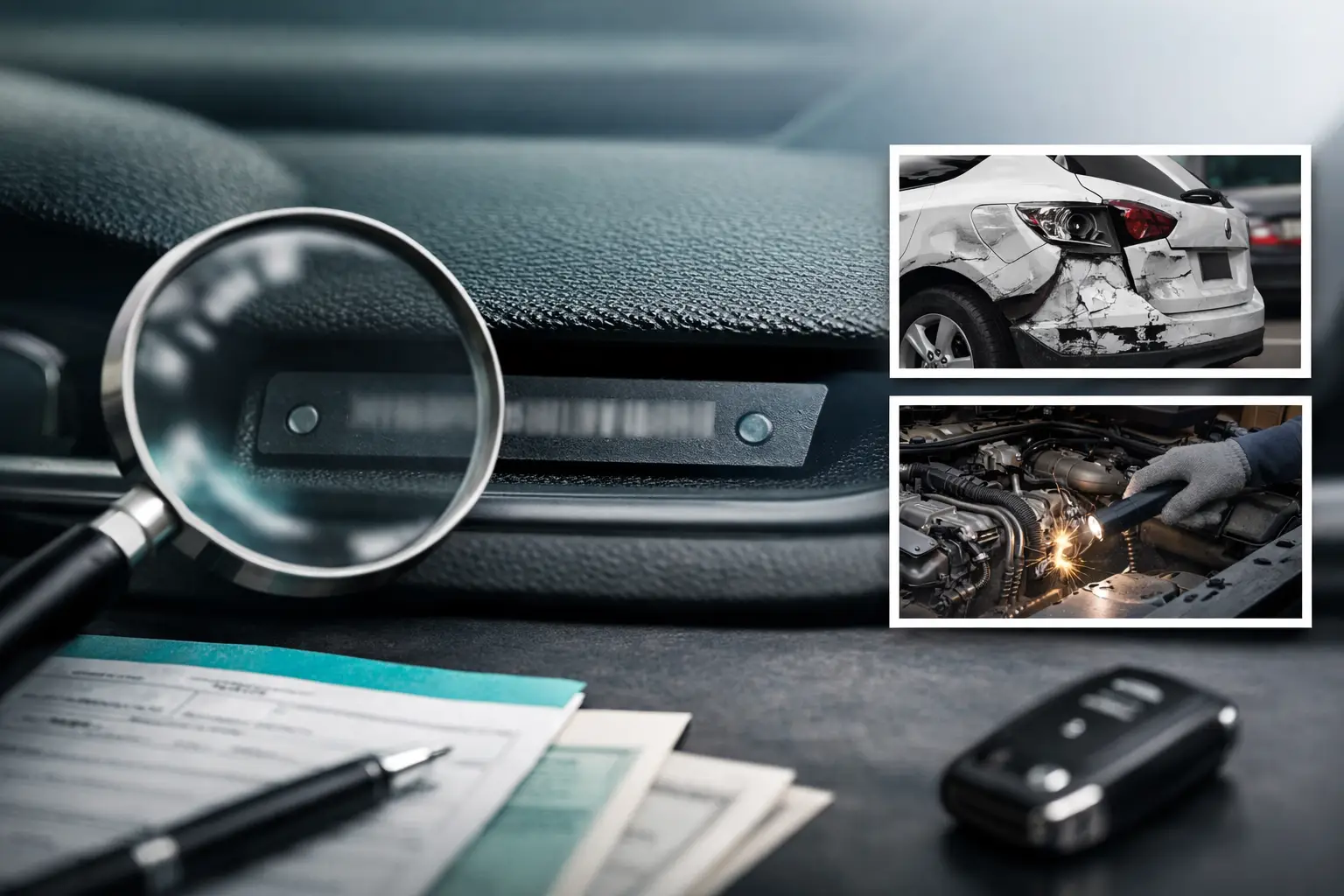
A seller says the vehicle has “no recalls.” The dashboard is clean, the price looks right, and the deal is moving fast. Before you treat that statement as proof, ask: does VIN lookup show recalls accurately enough to make a buying decision? Usually, it can identify open safety recalls tied to that specific vehicle. But recall status is only one part of the evidence you need before buying, bidding on, or listing a vehicle.
A VIN lookup can be one of the fastest ways to spot an unresolved safety issue. It is not a substitute for checking the vehicle’s broader history, confirming completed repairs, or inspecting the vehicle in person. The difference matters when a recall involves brakes, airbags, fuel systems, steering, battery fire risk, or another defect that can affect safety and resale value.
What a VIN Lookup Can Show About Recalls
A vehicle identification number, or VIN, is a 17-character identifier assigned to a specific vehicle. Unlike a search by year, make, and model, a VIN-based recall search is designed to identify recall campaigns that apply to that exact vehicle.
In most cases, a VIN lookup can show whether the vehicle has an open recall. An open recall means the manufacturer has identified a safety-related defect and the prescribed repair has not been recorded as completed for that VIN. Recall repairs are generally performed at no cost by an authorized dealer, even if the vehicle is out of warranty.
The results may also show the recall campaign number, the affected component, the stated safety risk, and the remedy. For example, a report may identify an airbag inflator issue, a rearview camera software defect, or a fuel pump failure risk. That information helps you judge whether the vehicle needs immediate attention or simply a dealer appointment before regular use.
For buyers, this is valuable proof. For dealers and fleet teams, it is an efficient first-pass screen. You can identify inventory that needs a recall remedy before reconditioning, delivery, or deployment.
What VIN Recall Searches May Not Show
An empty recall result does not mean the vehicle is free of problems. It means no open recall was returned at the time of the search. That distinction protects you from a common and costly assumption.
A VIN recall lookup may not show every issue that could affect the vehicle for several reasons. Recall information can take time to appear after a manufacturer announces a campaign. A manufacturer may also have issued a technical service bulletin, customer satisfaction program, warranty extension, or service campaign that is not classified as a federal safety recall. Those actions may address real mechanical or software problems, but they are not always displayed in a standard recall search.
Completed recall repairs can create another gray area. Some databases focus primarily on open recalls. If a prior owner had the repair performed, the lookup may simply show no open campaign rather than a detailed service record proving when and where the repair was completed. If that confirmation matters, ask an authorized dealer to verify the vehicle’s campaign status using the VIN.
Older vehicles can also present data limitations. Records, reporting practices, and manufacturer systems have changed over time. A clean result on a decades-old vehicle should be treated as one data point, not a blanket safety certification.
Open Recall, Closed Recall, and Service Campaign: Know the Difference
These terms are often used interchangeably in listings, but they mean different things.
An open recall is an unresolved safety recall associated with the VIN. The vehicle remains eligible for the manufacturer’s remedy, and the repair should be scheduled promptly.
A closed recall generally means the remedy has been completed, the campaign no longer applies to that VIN, or the manufacturer has otherwise marked the action as resolved. The exact status can vary by manufacturer, so a dealer can provide the clearest confirmation when a transaction depends on it.
A service campaign is usually a manufacturer-led repair or update that may not involve a federally designated safety recall. It could address software behavior, premature part wear, comfort features, or a condition the manufacturer wants corrected before it becomes a larger issue. It can still affect ownership cost and buyer confidence, especially when the repair is expensive outside a coverage program.
Technical service bulletins are different again. They give repair guidance to technicians for known symptoms or diagnostic patterns. A bulletin does not necessarily mean every vehicle has a defect, and it does not guarantee a free repair.
Does VIN Lookup Show Recalls That Were Already Fixed?
Sometimes, but do not rely on a general result alone to prove a repair was completed. Recall databases are most useful for identifying whether a recall remains open. Their treatment of completed work varies by data source and manufacturer.
If you are considering a vehicle with a history of a serious recall, take one extra step: call an authorized dealership for that brand and ask them to confirm campaign completion by VIN. Ask whether any open recalls, service campaigns, or software updates remain. If the seller claims the repair was done, request the repair order or invoice.
This is especially worthwhile for recalls involving airbags, fire risk, engine stalling, seat belts, brake components, and advanced driver-assistance systems. The repair may be free, but the time, parts availability, and appointment backlog can still affect when you can safely use or resell the vehicle.
How to Use Recall Results Before You Buy or Bid
Treat recall status as a decision input, not a pass-fail label. A single open recall does not automatically make a vehicle a bad purchase. Many recalls are straightforward software updates or part replacements completed in one visit. On the other hand, a recall involving limited parts availability, a stop-drive notice, or a major safety system can change the deal timeline and your negotiating position.
Before committing to a vehicle, use this practical sequence:
- Verify the VIN carefully. One incorrect character can return the wrong vehicle or no useful result at all.
- Review open recall details, including the risk, remedy, and whether parts are available.
- Ask the seller for repair documentation if they state that a recall was completed.
- Confirm remaining campaigns with an authorized dealer when the recall is significant or the result is unclear.
- Compare recall status with title brands, accident history, odometer readings, theft records, and condition evidence.
That last step is where many shoppers lose the plot. A recall is manufacturer-issued and VIN-specific. It does not reveal whether the vehicle was flooded, rebuilt after a collision, reported stolen, rolled back on mileage, or poorly repaired. A vehicle can have zero open recalls and still carry major value or safety risks.
Why Recall Status Matters for Dealers and Fleets
For a dealer, an open recall can delay retail delivery, complicate merchandising, and raise questions from informed buyers. For a fleet manager, it can affect driver safety, vehicle availability, maintenance scheduling, and liability planning. Checking one VIN at a time after a vehicle enters inventory is better than doing nothing, but it is not the most efficient workflow.
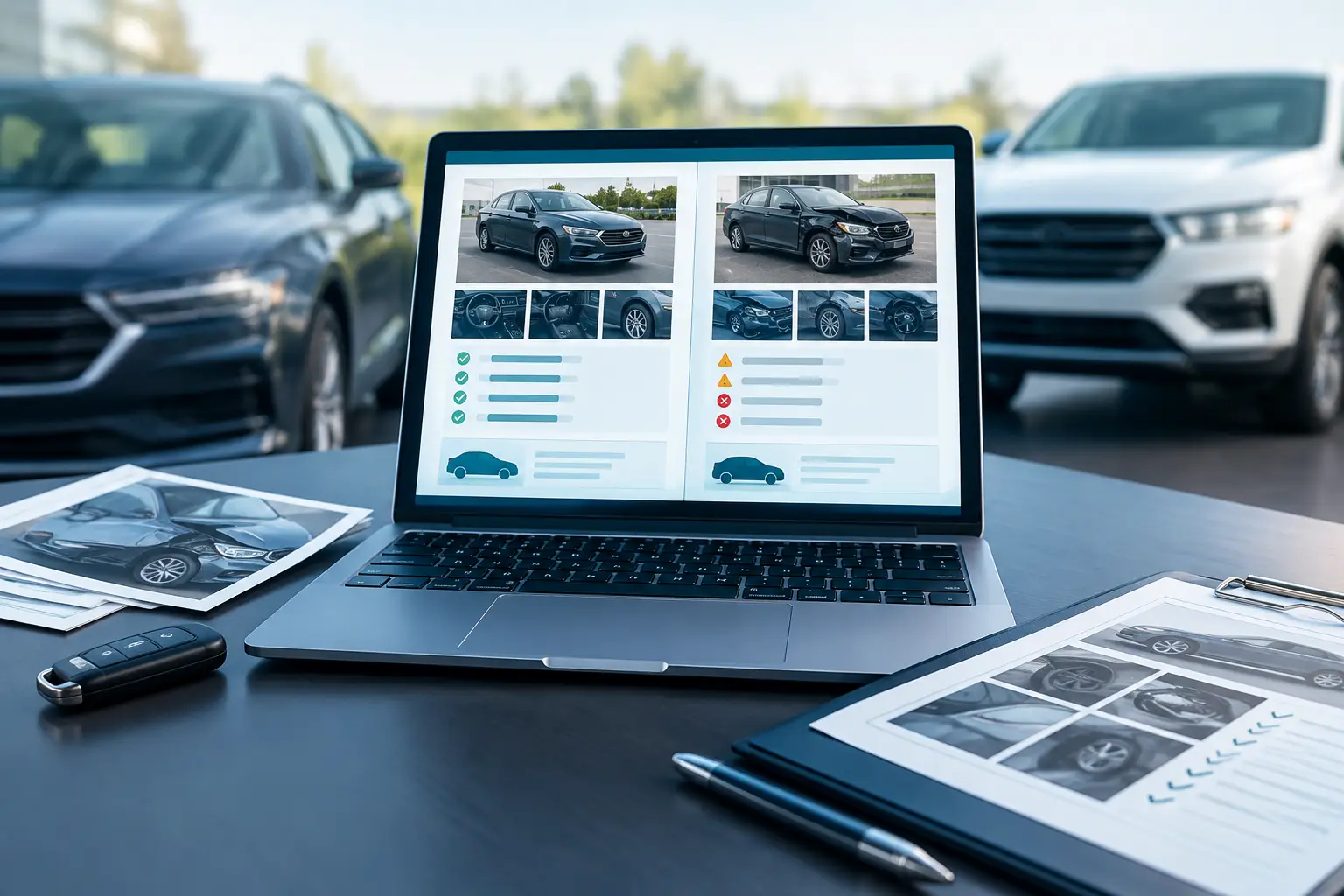
The stronger process is to screen recall status early, then evaluate it alongside title, damage, ownership, odometer, and valuation data. That approach helps teams separate vehicles that need a simple dealer appointment from vehicles with layered risk. It also creates clearer documentation for acquisition decisions and customer conversations.
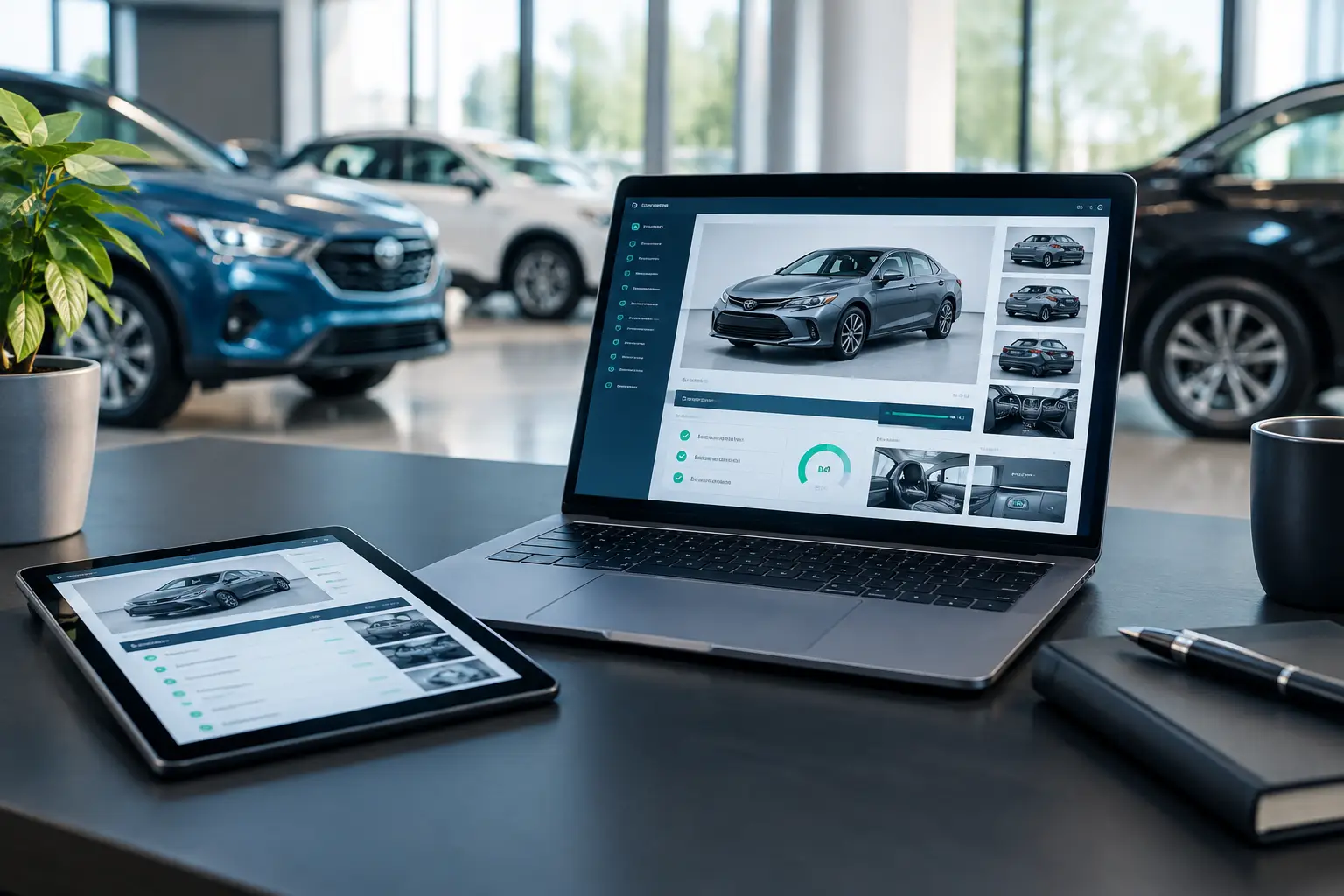
DriveEvidence is built for that broader view, combining open recall checks with vehicle history signals and a 0-100 DriveEvidence Score so users can compare risk across multiple vehicles instead of reviewing disconnected records one at a time.
A Clean Recall Result Is Not a Clean Vehicle
The right question is not simply whether a VIN lookup shows recalls. It does, and it is a useful safeguard. The better question is what the result proves, what it does not prove, and what other records you need before money changes hands.
Use a VIN recall check to catch unresolved manufacturer safety actions early. Then verify the rest of the vehicle story with the same discipline. The best deal is not the one with the cleanest listing. It is the one supported by evidence you can verify before you buy, bid, or put it on the road.