A used car with 68,000 miles and a worn-out driver seat should make you pause. Mileage affects value, financing, maintenance planning, and resale. That is why learning how to detect odometer rollback is not just a smart buying step - it is basic fraud protection.
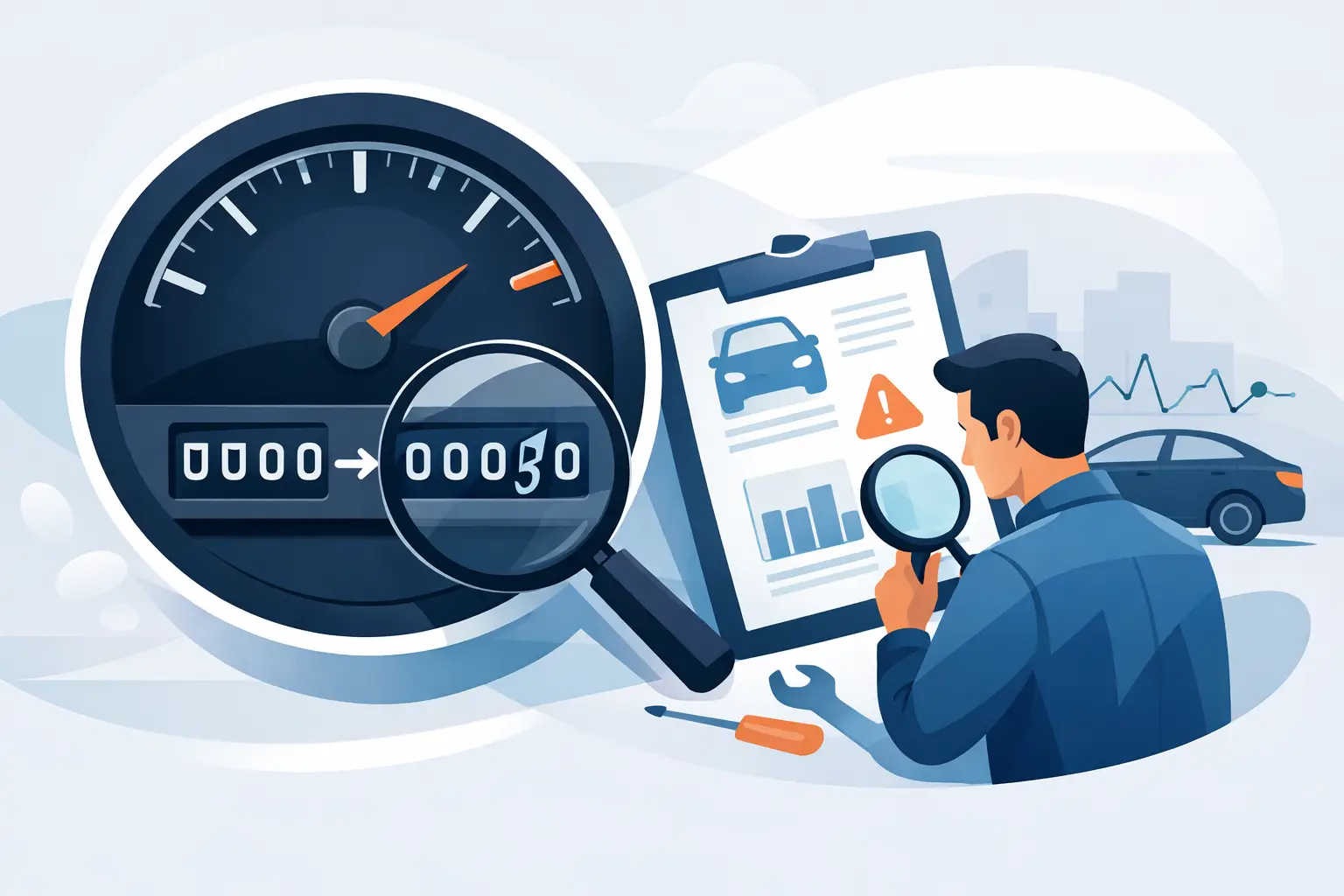
Odometer rollback happens when someone reduces the displayed mileage to make a vehicle look newer, less used, and more valuable than it really is. On older mechanical odometers, that meant physically turning the numbers back. On modern digital clusters, it can involve reprogramming tools and module swaps. The method has changed, but the goal is the same: inflate price and hide wear.
For buyers, dealers, and fleet operators, the risk is bigger than overpaying. A rollback can hide upcoming repairs, distort maintenance intervals, and create problems when the real condition no longer matches the mileage shown. If a truck claims 82,000 miles but has actually traveled 182,000, your service schedule, valuation, and confidence in the seller are all off.
How to detect odometer rollback before you buy
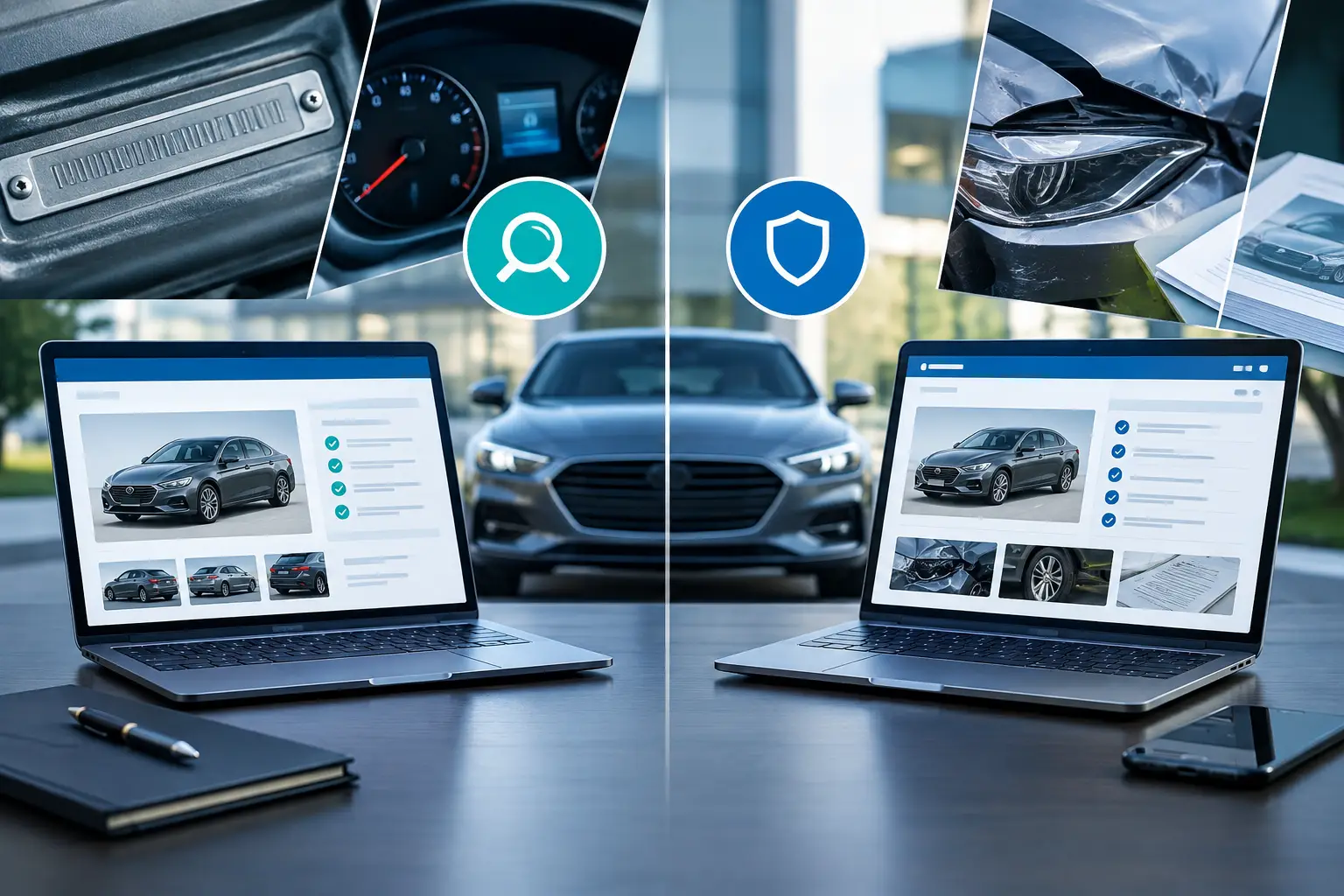
The best approach is not to rely on one clue. Fraud detection works when you compare the dashboard reading against records, physical condition, and timing. If those elements line up, the mileage is more likely to be credible. If they conflict, treat that vehicle as high risk until proven otherwise.
Start with the vehicle history. Mileage is commonly recorded during title transfers, emissions tests, inspections, auctions, dealer listings, service visits, and registration events. A clean pattern should move upward over time. If the mileage drops from one recorded event to the next, or if there is an unexplained gap that does not fit the vehicle's age and use, you may be looking at manipulation or at least a serious record inconsistency.
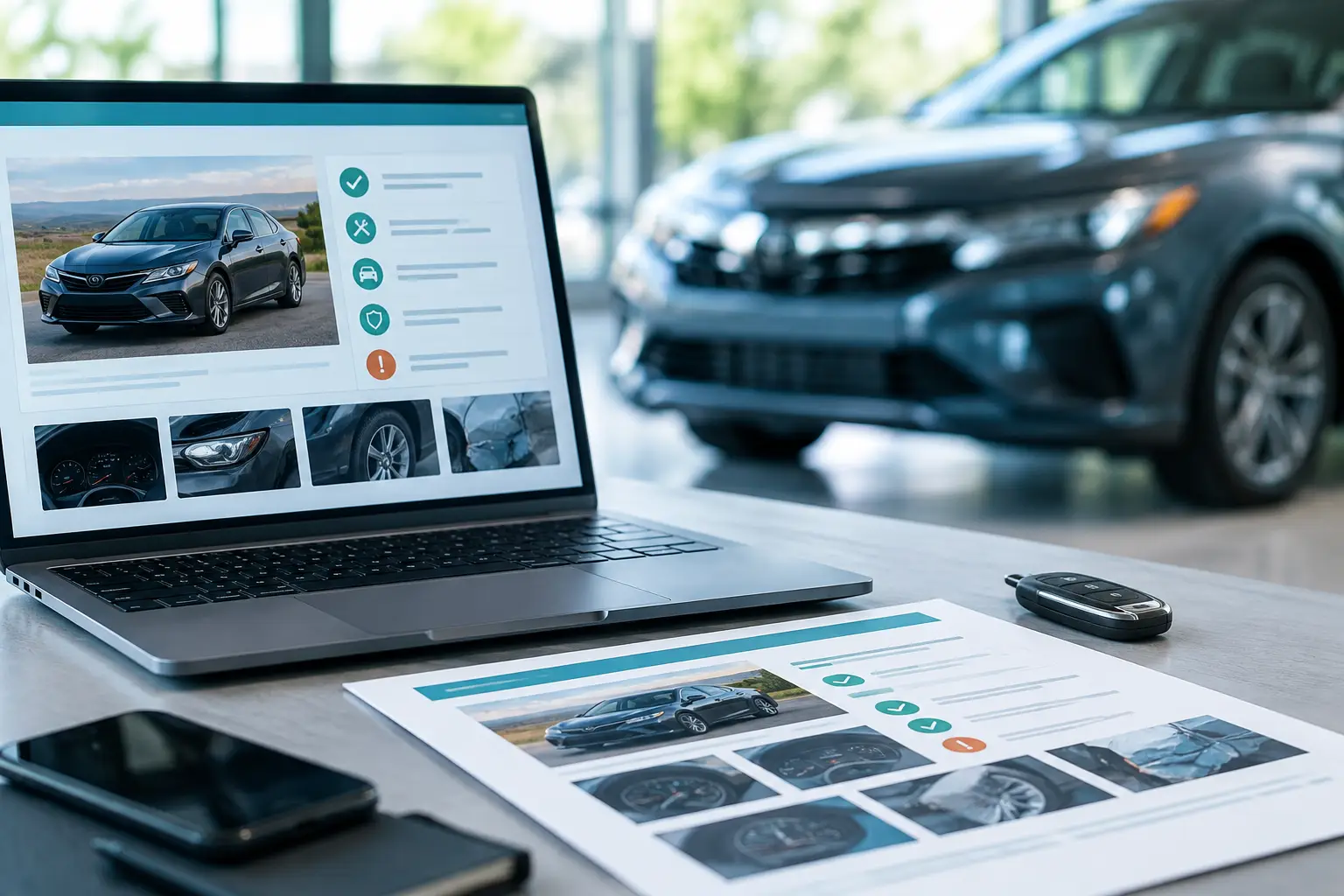
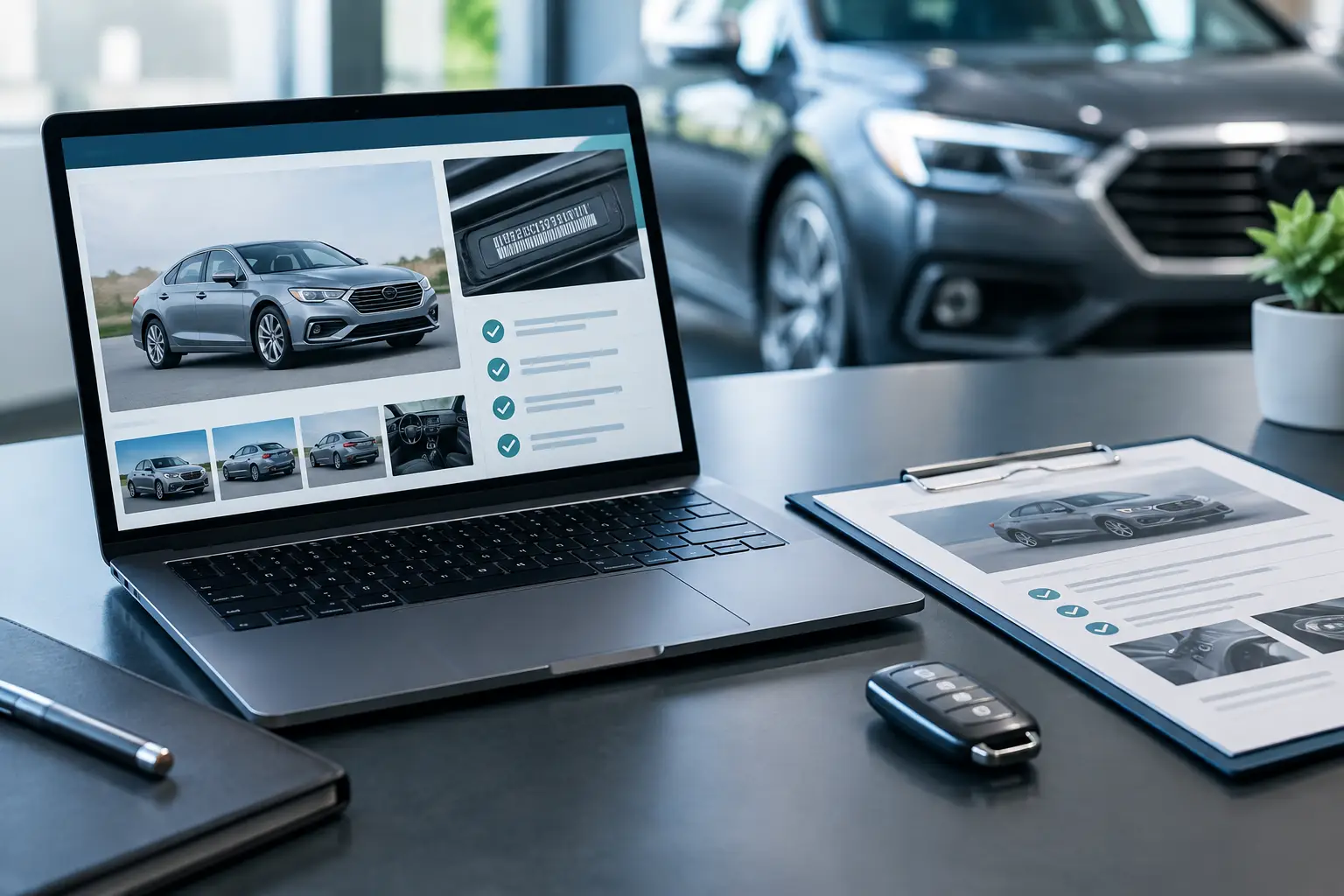
A VIN-based history report is one of the fastest ways to spot this. It gives you a timeline instead of a single number on a dashboard. That matters because sellers can change a display, but they usually cannot rewrite every third-party record attached to the vehicle. For anyone evaluating multiple vehicles, this is where a platform like DriveEvidence is useful - not just for odometer verification, but for checking title brands, accident history, ownership changes, and other signals that often appear alongside mileage fraud.
Check the mileage timeline, not just the current reading
A believable odometer story has rhythm. The car gains miles steadily with age, ownership, and service history. There may be periods of lighter use, especially for collector cars or second vehicles, but the pattern should still make sense.
Look closely at the sequence of dates and mileages. If a vehicle showed 121,400 miles at a service visit two years ago and now shows 97,000, that is an obvious red flag. More subtle cases are just as important. A car that gains almost no mileage over several years, then suddenly appears for sale with very low miles, deserves scrutiny. It could be legitimate, but it needs proof.
Context matters here. A weekend sports car in storage will age differently from a former rental or fleet sedan. A one-owner collector vehicle might genuinely average very low annual mileage. That is why mileage alone is never the whole story. The question is whether the number fits the vehicle's use, age, and condition.
Review service and inspection records
Service paperwork can confirm or challenge what the odometer says. Oil changes, brake jobs, tire replacements, battery installs, and dealer maintenance visits often include mileage. Compare any paper records the seller provides with the history timeline and the dashboard reading.
Pay attention to consistency. If the seller has a stack of receipts but the mileage handwriting looks altered, dates do not flow in order, or the service intervals do not make sense, slow down. Missing records are not automatic proof of fraud, but suspicious records should never be brushed aside.
Inspection and emissions records can be especially useful because they tend to be logged independently. The more verified sources agree, the stronger your confidence becomes.
Read the wear inside the cabin
Physical wear can expose mileage that the odometer tries to hide. A low-mileage vehicle should usually show limited wear in high-contact areas. That does not mean it has to look perfect. It means the condition should broadly fit the reading.
Start with the driver's seat bolster. Excessive cracking, flattening, or tearing often points to heavy use. Then look at the steering wheel, shift knob, pedal pads, door armrest, and driver-side floor mat. If the odometer shows 45,000 miles but the brake pedal is polished smooth and the seat foam is collapsing, something is off.
This is not a perfect science. Interior condition depends on climate, care, materials, and driver habits. A poorly maintained 50,000-mile car can look worse than a carefully kept 120,000-mile one. Still, major mismatch between wear and mileage should push you toward deeper verification.
Look beyond cosmetics
Some sellers replace obvious wear items before listing a car. Fresh pedal covers, a new steering wheel wrap, replacement floor mats, or a swapped gauge cluster can make a vehicle look younger. New parts are not necessarily suspicious on their own, but if the interior has a few strangely fresh pieces inside an otherwise tired car, ask why.
The same goes for the instrument cluster. If it looks newer than the surrounding dash trim, or if mounting marks suggest it has been removed, get documentation. A legitimate cluster replacement should come with paperwork and a mileage disclosure.
Compare claimed mileage with the vehicle's overall condition
A rolled-back odometer rarely hides every sign of use. The exterior, underbody, tires, and engine bay can all tell a different story.
Stone chips on the hood, pitted windshield glass, heavy suspension wear, worn bushings, and repeated repairs on high-use components may indicate a vehicle that has seen far more road time than advertised. Tires are also revealing. If a car supposedly has 28,000 miles but it is already on its third set of tires, ask questions.
Commercial use matters too. Former rideshare, delivery, rental, and fleet vehicles often accumulate miles quickly. Sometimes the history will show that clearly. Sometimes the seller will not volunteer it. A very low odometer reading on a vehicle with signs of intensive use should never be accepted without verification.
Use a pre-purchase inspection to verify what records cannot
If the price is meaningful, an independent pre-purchase inspection is worth it. A qualified technician may spot signs of cluster replacement, module communication issues, unusual wear patterns, or maintenance clues that do not fit the stated mileage.
On some vehicles, mileage data may be stored in more than one electronic module. A specialist with the right tools may be able to compare readings or identify inconsistencies. This is not guaranteed on every make and model, and access varies, but it can be valuable in suspicious cases.
The key is independence. A seller's mechanic is not the same as your inspector. Use someone whose job is to protect your decision, not support the sale.
Seller behavior is part of the evidence
Fraud often shows up in the conversation before it shows up in the paperwork. If the seller avoids direct questions about mileage history, rushes you away from records, refuses a VIN check, or resists an inspection, treat that as a warning.
Ask simple, specific questions. When did you buy it? How many miles were on it then? Do you have service records? Has the cluster ever been replaced? Why are you selling it? Honest sellers do not always have perfect documentation, but their answers are usually consistent. Evasive answers are expensive.
Common rollback red flags
A few patterns show up repeatedly in questionable listings: unusually low miles for the year, a vehicle condition that looks too worn for the reading, mileage gaps in history, inconsistent paperwork, and pressure to buy quickly. One red flag may have an explanation. Several at once usually mean move on.
That is especially true when valuation seems too good to be true. A seller may use low mileage to justify a premium price while hoping the buyer focuses on the number, not the proof behind it.
What to do if you suspect odometer rollback
Do not negotiate around it as if it were normal wear. An odometer discrepancy affects value, trust, and legal disclosures. Ask for supporting documents and compare every mileage reference you can find. If the seller cannot explain the inconsistency clearly, walk away.
For dealers and fleet buyers reviewing multiple vehicles, standardize the process. Run the VIN, review the mileage timeline, compare condition against use case, and flag any mismatch before money changes hands. A repeatable workflow catches more problems than instinct alone.
If you already bought the vehicle and later discover likely rollback, keep copies of the listing, bill of sale, report data, messages, and service records. Odometer fraud can carry legal consequences, and documentation matters.
The smartest buyers do not treat mileage as a claim. They treat it as a data point that has to be verified. Know the truth before you buy, and the wrong vehicle usually tells on itself.