A clean exterior and a convincing seller story can make almost any used vehicle look like a safe bet. Ownership history by VIN gives you a more useful starting point: a record-based view of how the vehicle moved through the market, how long it stayed with prior owners, and whether its timeline raises questions worth investigating before money changes hands.
It is not a shortcut to someone’s private identity, and it should not be treated as a verdict on its own. But when ownership records are reviewed alongside title data, odometer readings, accident history, service events, and market value, they can expose patterns that a test drive will never reveal.
What Ownership History by VIN Can Show
A vehicle identification number is a unique 17-character identifier assigned to a specific vehicle. A VIN-based history report can connect that identifier to records reported by state motor vehicle agencies, auctions, insurers, repair networks, lenders, and other data sources.
Ownership history generally focuses on the vehicle’s reported ownership timeline rather than personal details about the owners. Depending on available records, a report may show the number of prior owners, approximate ownership periods, registration events, state or region changes, and whether the vehicle was used personally, commercially, as a rental, or in a fleet.
That context changes how you assess a listing. A three-year-old sedan with one long-term personal owner may present a different risk profile than the same model with four short ownership periods, several registration changes, and a recent auction appearance. Neither vehicle is automatically good or bad. The difference is that one has a story that needs fewer assumptions.
Why the Ownership Timeline Matters
Ownership count is often oversimplified. Buyers see “one owner” and assume excellent condition, or see “multiple owners” and walk away. Both reactions can be mistakes.
A one-owner vehicle could have been a high-mileage rental, a fleet vehicle, or a car with deferred maintenance. A two- or three-owner vehicle may have been carefully maintained by drivers who each kept it for years. What matters is the pattern behind the number.
Short ownership periods deserve attention because they can point to a problem that was discovered after purchase, an unsuccessful repair, financial pressure, or simple resale activity. They can also have ordinary explanations: a lease return, a family move, a dealer trade, or a buyer who changed needs quickly. The record gives you a reason to ask better questions, not permission to make unsupported claims.
Look especially closely when ownership changes align with other events. A transfer shortly after a damage report, a title brand, an odometer discrepancy, or an auction sale may reveal a vehicle that changed hands after its value or condition shifted. This is where a connected vehicle history report is more valuable than a single data point.
The Records That Give Ownership Data Meaning
Ownership history is strongest when it is read as part of a full timeline. A seller may describe a vehicle as “well cared for,” but records can help you test whether that claim holds up.
Title status and brands
Title records can reveal salvage, rebuilt, flood, lemon, junk, or other branded-title events, subject to reporting availability. If an ownership change appears around the same time as a title brand, determine what happened and whether the vehicle was properly repaired, inspected, and priced for that history.
A clean title does not guarantee a clean past, but a branded title changes the vehicle’s risk, resale prospects, financing options, and insurance considerations. It should never be treated as a minor footnote.
Odometer chronology
Each reported mileage reading should make sense against the ownership timeline. A vehicle that accumulated 60,000 miles during one ownership period and then shows little or no mileage growth across years of later registrations deserves a closer look. The issue may be incomplete reporting, but it may also indicate a clerical error, an instrument-cluster replacement, or odometer manipulation.
Compare the report with the dashboard reading, maintenance invoices, inspection stickers where applicable, and dealer service records. A gap is not proof of fraud. It is a reason to get documentation before proceeding.
Accident, damage, and repair events
A vehicle can have a stable ownership record and still carry meaningful damage history. Likewise, a vehicle with multiple owners may have no reported accidents. Check whether damage events occurred before a sale, whether the vehicle was later offered at auction, and whether repairs are supported by invoices or an independent inspection.
The timing matters. A recent ownership transfer after significant damage can be more relevant to your decision than an older minor claim followed by years of consistent use and documented maintenance.
Use type and location changes
Personal use, fleet use, rental service, and commercial operation can affect wear patterns and expected maintenance. A former fleet vehicle is not automatically a poor purchase, but it may have accumulated more miles, more idle time, or more drivers than a comparable personally owned vehicle.
Frequent state changes also require context. People relocate. Dealers buy across state lines. However, rapid changes in registration combined with title issues or missing mileage records can justify extra scrutiny.
How to Read Red Flags Without Overreacting
The goal is not to reject every imperfect record. Used vehicles have histories, and reporting is never complete. The goal is to identify risk that affects safety, reliability, value, and your ability to resell the vehicle later.
These patterns call for follow-up before you buy:
- Several ownership changes within a short period, especially after a repair or damage event.
- Mileage readings that decline, stop progressing, or conflict with the vehicle’s condition.
- A title brand that does not match the seller’s description or asking price.
- A recent auction record with little explanation of why the vehicle was resold.
- Gaps between ownership events and service or inspection records that leave the vehicle’s condition unclear.
For each concern, ask the seller for a direct explanation and supporting paperwork. Then verify what you can independently. If the seller becomes vague, refuses an inspection, or pressures you to decide before you can review the records, that behavior is part of the risk assessment too.
A Better Workflow Before You Make an Offer
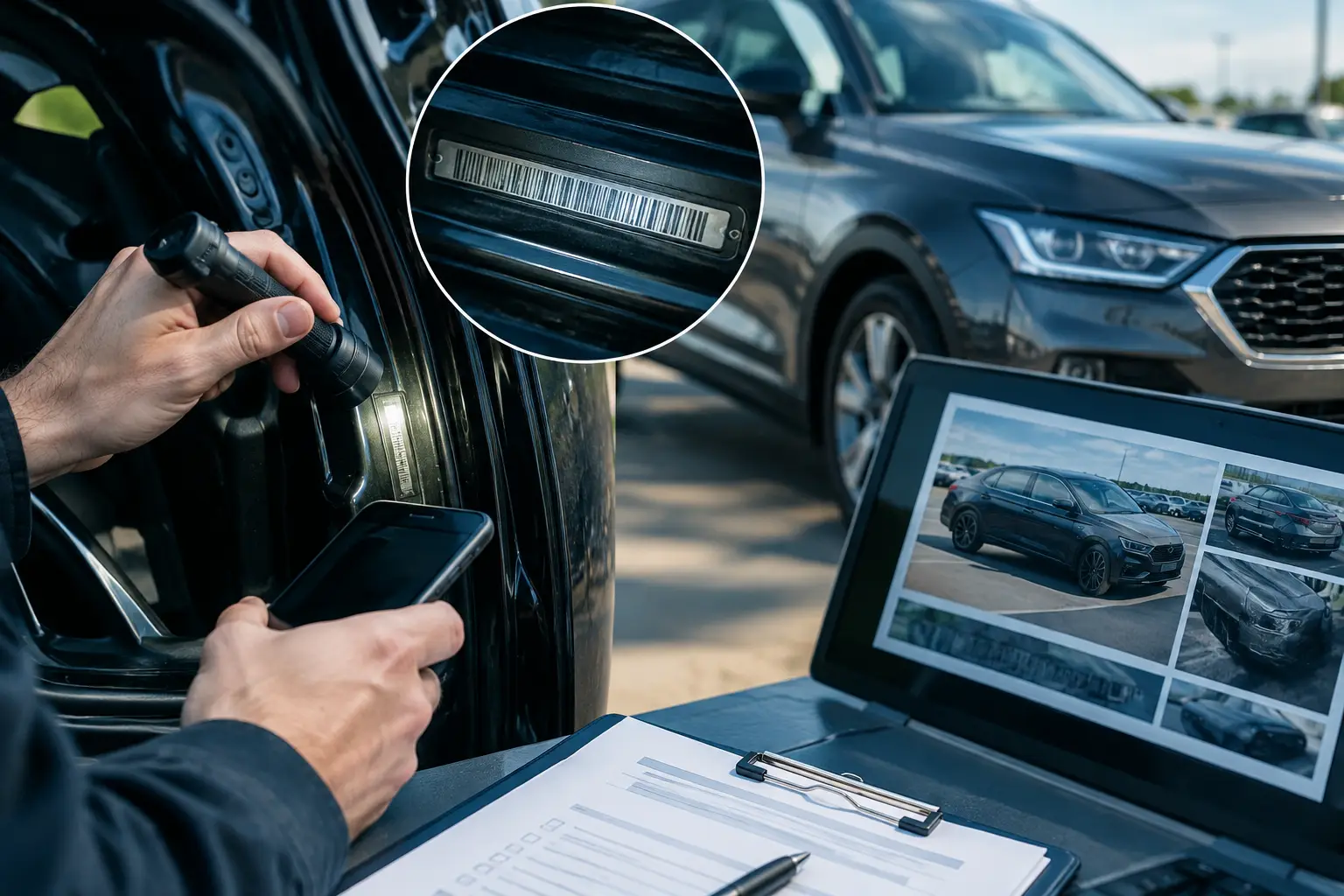
Start with the VIN before you spend time negotiating. Confirm that the VIN on the listing matches the windshield plate, driver-side door label, title, and registration. A mismatch can be a simple listing error, but it can also signal a much larger problem.
Next, review the ownership timeline from oldest to newest. Note long-term ownership, short transitions, location changes, and use classifications. Then layer in title history, mileage events, reported damage, theft and recovery information, safety recalls, and vehicle specifications.
After that, compare the vehicle with similar listings. A history concern should affect the price. If a comparable clean-history vehicle costs only slightly more, the discounted vehicle may not be worth the uncertainty. If the price difference is substantial and the records support a manageable risk, the decision may be different. It depends on your intended use, financing terms, insurance availability, repair budget, and resale horizon.
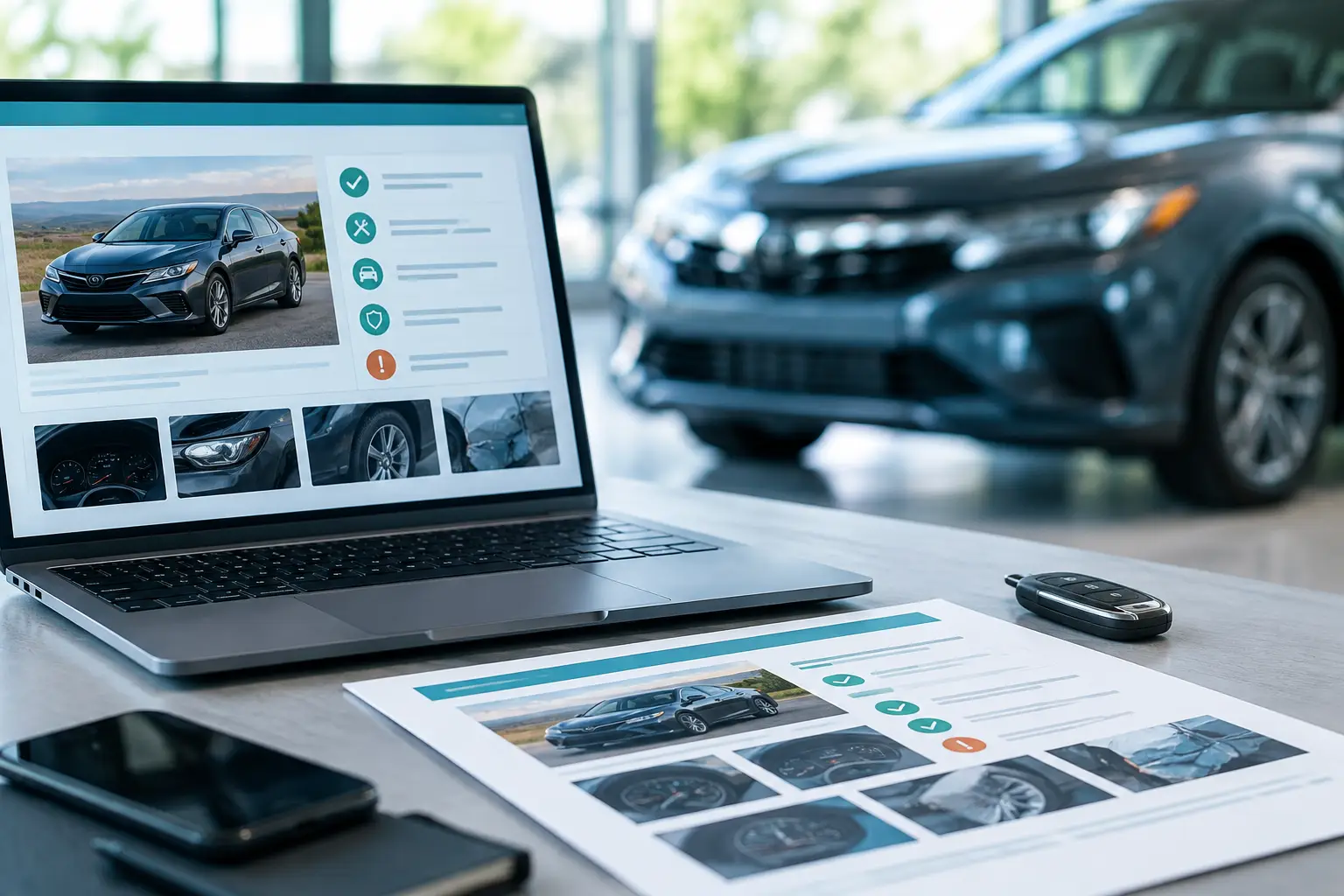
DriveEvidence helps make this review faster by bringing ownership, title, damage, odometer, recall, valuation, and specification data into one vehicle view. Its DriveEvidence Score converts multiple risk signals into a clear 0-100 indicator, while the dashboard lets buyers, dealers, and fleet teams compare several VINs rather than evaluating each one in isolation.
What Ownership History Cannot Tell You
A VIN history report cannot replace a pre-purchase inspection. It may not capture every oil change, repair, minor collision, private transaction, or condition issue. Not every event is reported to every source, and records can appear after a delay.
It also cannot tell you whether a previous owner smoked in the vehicle, drove aggressively, ignored a warning light, or maintained it meticulously without leaving a digital trail. That is why the smartest buying process combines verified records with a road test, an independent mechanical inspection, and a careful review of the title and seller documents.
Ownership history gives you the questions. Inspection and documentation provide the answers.
Before you commit, look for a vehicle whose timeline makes sense from one record to the next. The best used-car decision is rarely about finding a perfect history. It is about seeing the evidence clearly enough to price the risk, ask the right questions, and walk away when the proof does not hold up.