A 2021 SUV listed at $22,900 can be a fair buy, an overpriced headache, or a bargain with a hidden reason. The difference is rarely visible in the photos. This used car market value guide shows how to evaluate the number on the window against the vehicle's actual condition, history, local demand, and ownership risk.
A market value is not a promise that every vehicle with the same year, make, and model deserves the same price. It is a starting range. Your job is to determine where a specific VIN belongs within that range before you make an offer, accept a trade, or add inventory.
What Used Car Market Value Really Means
Used car market value is the price range a vehicle is likely to command in a given market, at a given time, based on comparable vehicles. It is shaped by the vehicle's age, mileage, trim, options, condition, location, supply, and buyer demand.
The key word is comparable. A base-model sedan with 90,000 miles is not a meaningful comparison for a fully equipped version with 45,000 miles, clean history, and new tires. Broad averages can be useful, but they can also hide the factors that move a vehicle thousands of dollars in either direction.
There is also more than one valid value. A private-party value may be higher than a dealer trade-in offer because the seller is doing the marketing, paperwork, and buyer screening. A retail asking price may be higher still because a dealer has reconditioning costs, overhead, and warranty exposure. Auction pricing reflects wholesale demand and can shift quickly. Compare like with like before deciding a number is too high or too low.
Start With the Exact Vehicle, Not the Badge
Two vehicles that look identical in a search result can carry very different value. Begin with the details tied to the specific vehicle: model year, trim, engine, drivetrain, body style, mileage, packages, and ZIP code. Then confirm whether the asking price includes dealer-installed accessories, fees, or optional coverage that should not be confused with vehicle value.
Mileage deserves context. Lower mileage usually supports a higher price, but only when the rest of the story makes sense. A vehicle with unusually low miles and a long gap in recorded history calls for verification. Conversely, a well-maintained, higher-mileage vehicle may be priced fairly if it has consistent records and recent major service.
Options matter most when buyers actively seek them. Four-wheel drive can materially affect demand in snowy regions. A third row, towing package, hybrid powertrain, or desirable performance package can do the same. Cosmetic add-ons and aftermarket modifications are less reliable value drivers. They may appeal to one buyer and narrow the audience for another.
Use Comparable Listings the Right Way
Search recent listings for the same year range, trim, drivetrain, and mileage band in your local area. Three close matches are more useful than 30 loosely related listings. Separate vehicles listed by dealers from those sold privately, and treat advertised prices as negotiation starting points, not completed transactions.
Look for patterns rather than chasing the single lowest number. A vehicle priced well below every comparable listing deserves an explanation. It could be a fast sale, but it could also have a branded title, prior damage, inaccurate mileage, flood exposure, or a condition issue missing from the ad.
Price reductions tell a useful story as well. If a vehicle has been listed for weeks and repeatedly discounted, the market may be rejecting the original asking price. That does not automatically make it a bargain. It may simply mean the market has already identified a problem that the listing does not explain clearly.
Adjust Value for Condition and Vehicle History
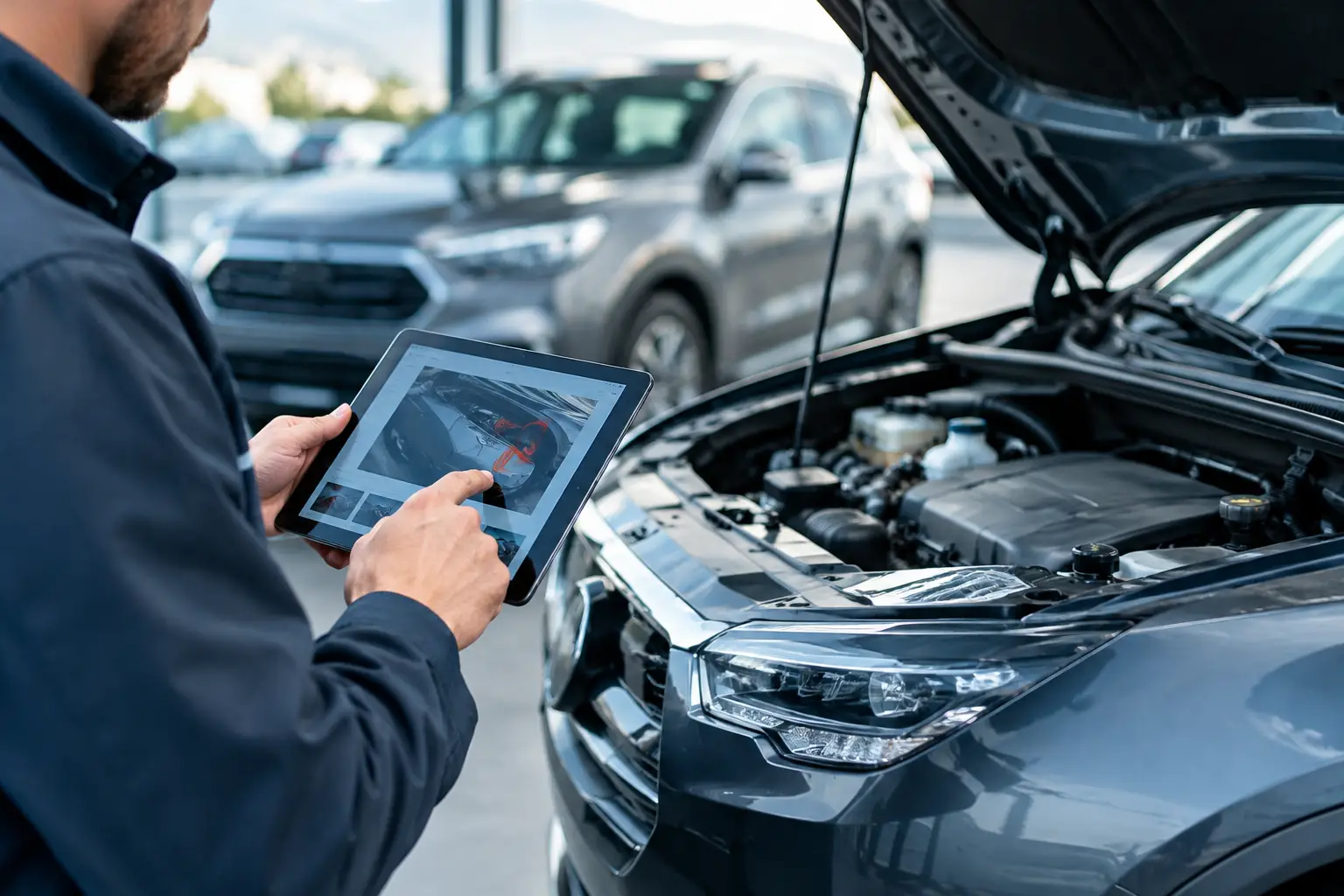
Condition is where generic valuation tools lose precision. A clean, properly repaired vehicle is not equivalent to one with unresolved warning lights, worn tires, body damage, or neglected maintenance. Before assigning value, inspect the exterior, interior, tires, brakes, glass, electronics, and signs of leaks or poor repairs.
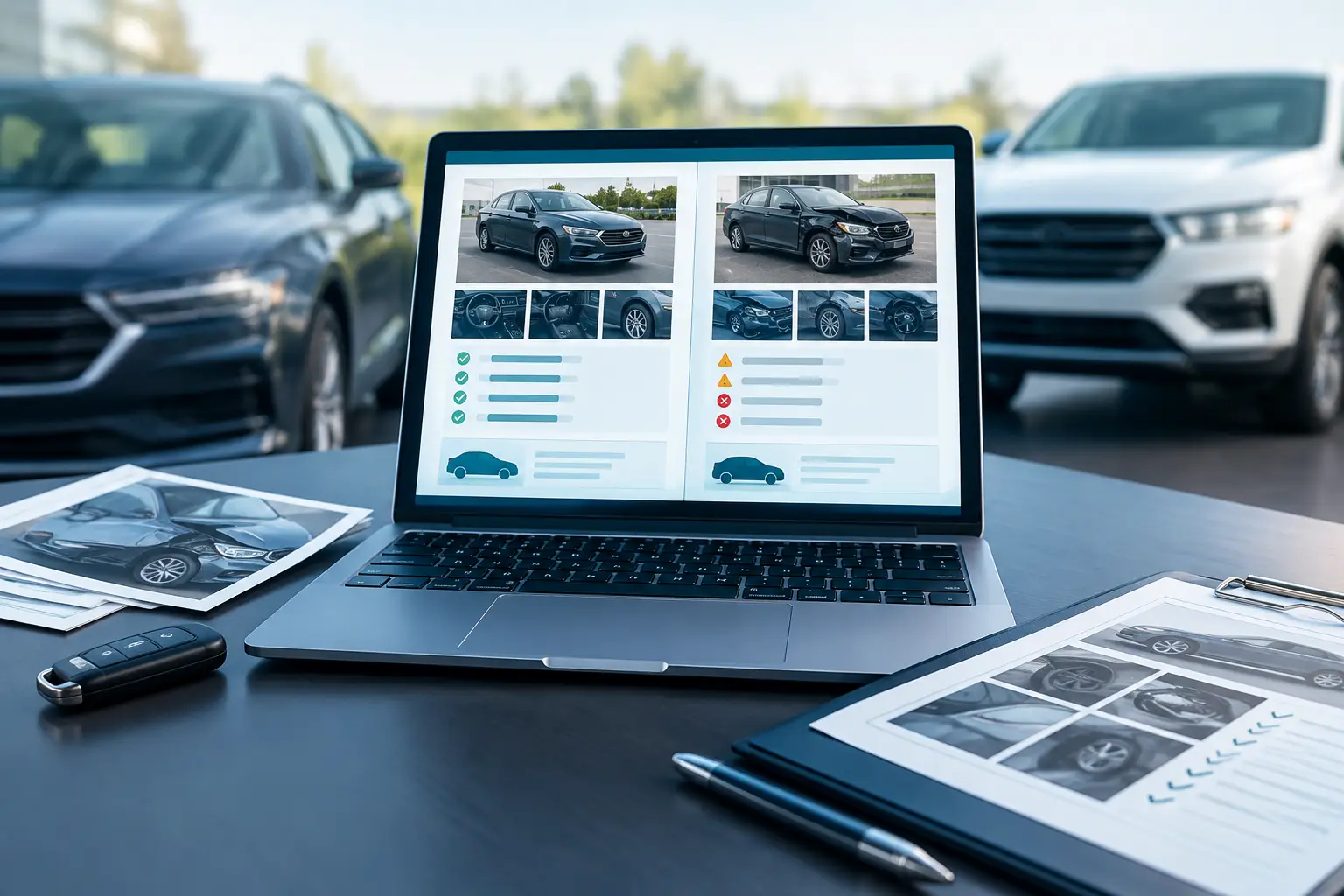
Vehicle history can change the equation even when the car drives well today. Accident and damage records may affect resale confidence. Title brands such as salvage, rebuilt, flood, lemon, or junk can sharply reduce market value and may create insurance, financing, or registration complications. Odometer inconsistencies and theft records are not price-negotiation details. They are decision-critical red flags.
A clean title does not prove a clean history, and an accident record does not automatically mean walk away. The details matter: the type of damage, the quality of repairs, the time since the event, and whether an independent inspection supports the vehicle's current condition. The right adjustment depends on the evidence, not a blanket percentage.
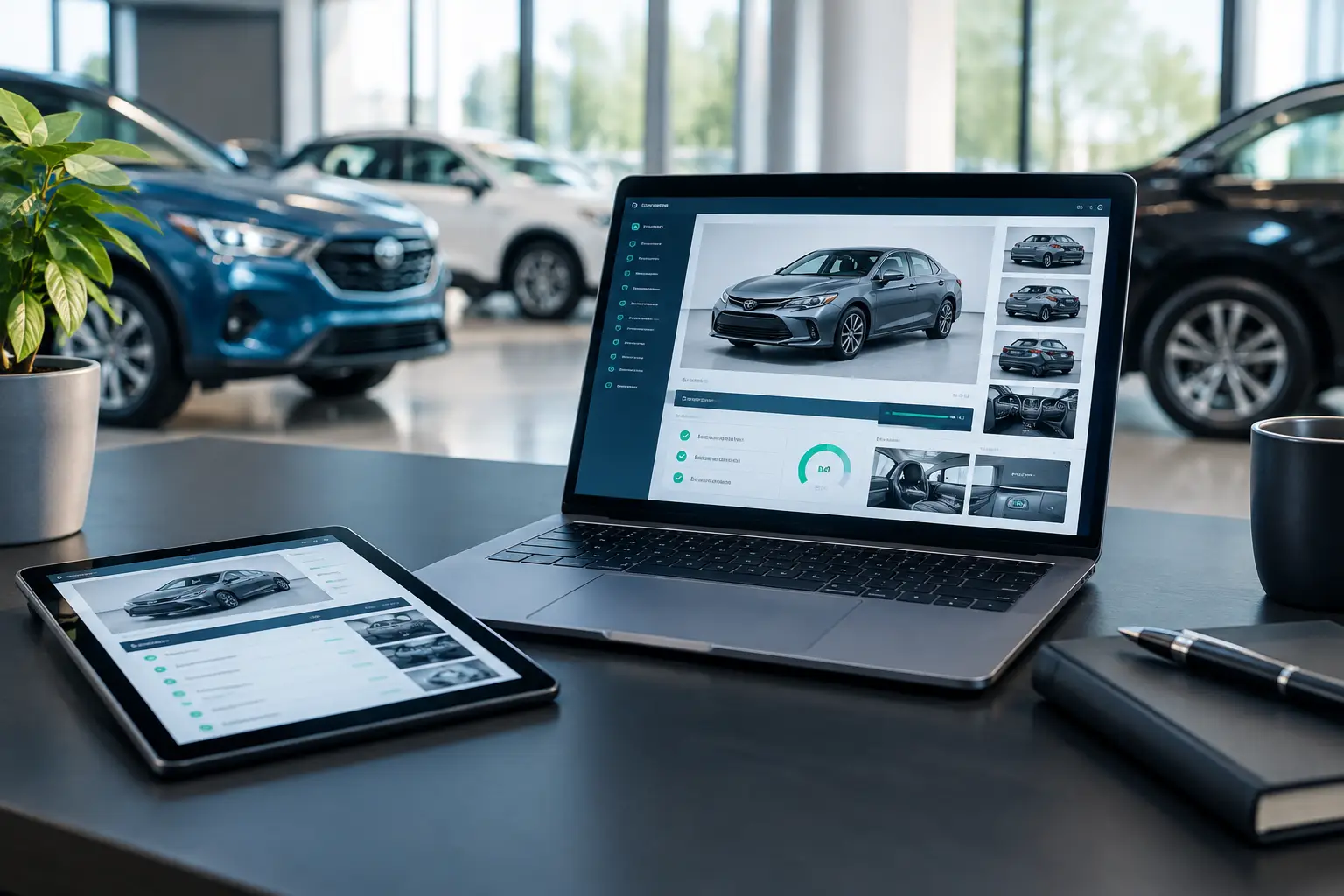
This is why VIN-level research matters. A report that combines title status, damage records, ownership history, odometer verification, recalls, and specifications gives you a more defensible price position than mileage and photos alone. DriveEvidence also uses a 0-100 risk-based score to turn those records into a clear signal when comparing multiple vehicles.
The Used Car Market Value Guide for Buyers
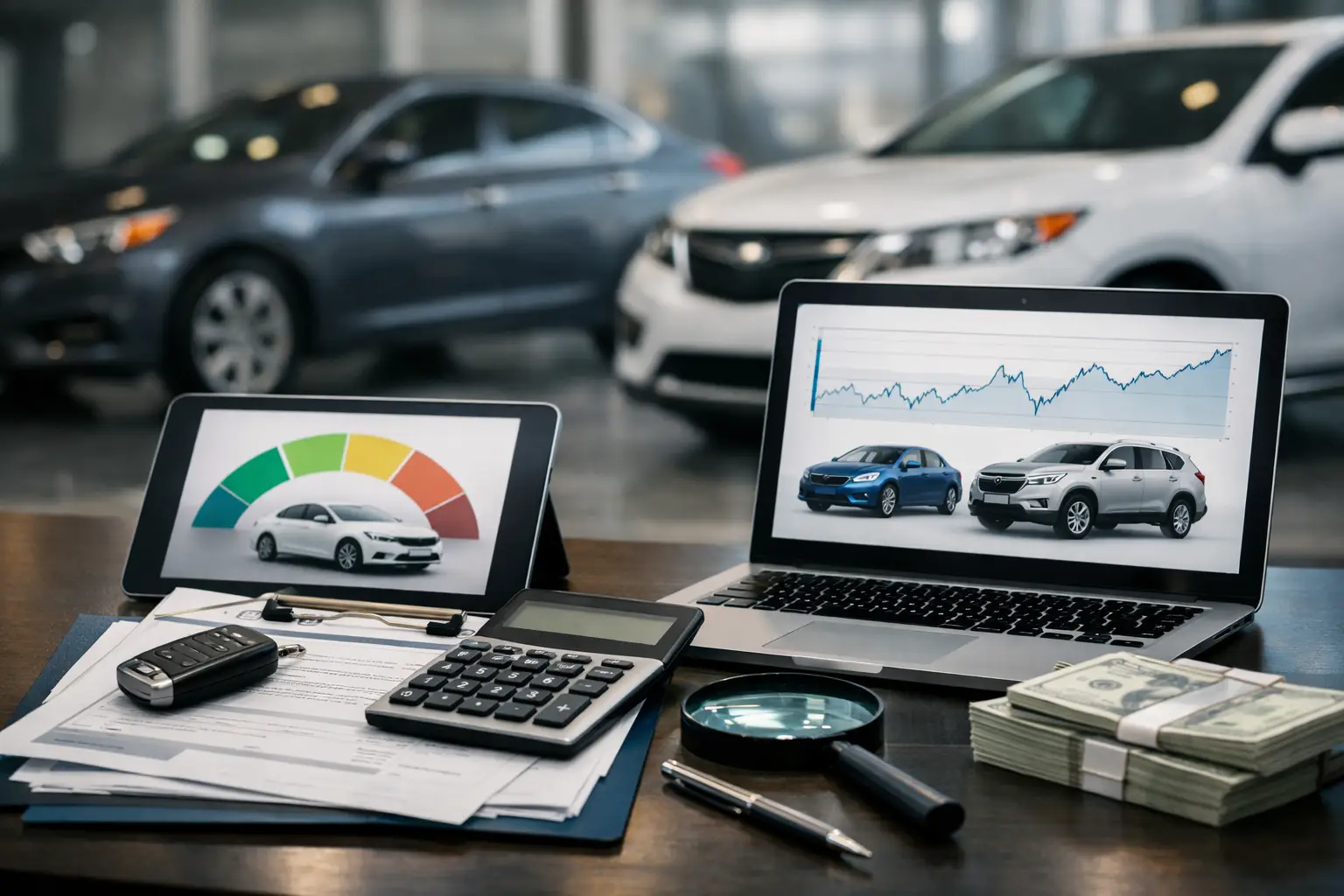
A buyer should set two numbers before contacting the seller: the fair market range and the maximum all-in cost. The all-in number includes sales tax, registration, documentation fees, transport, immediate maintenance, and any repairs identified during inspection. A vehicle that appears $1,000 below market can become expensive quickly if it needs tires, brakes, and overdue service.
When the asking price is above your fair range, ask the seller to support it with facts. Recent service, a documented warranty, exceptional condition, rare equipment, and strong local demand can justify a premium. “Low miles” alone may not, especially if the history is thin or the vehicle has been sitting.
When the price is below your range, do not lead with an offer. Verify first. Confirm the VIN matches the vehicle and title, review history, inspect it in person, and use an independent mechanic when the purchase is significant. A seller who pressures you to skip verification is giving you useful information.
How Dealers and Fleet Teams Should Evaluate Value
For professional buyers, the goal is not simply to buy below retail. It is to calculate the vehicle's true acquisition cost and expected exit value. Add purchase price, auction and transport fees, reconditioning, title processing, floorplan cost, and a reserve for history-related risk. Then compare that total against realistic retail or fleet deployment value.
Speed matters, but speed without a consistent process creates margin leaks. Build a repeatable evaluation workflow: decode the VIN, verify title and odometer records, check damage and theft history, estimate recon needs, compare local supply, and assign a maximum bid or acquisition number. Save the evidence with the vehicle record so the team can review the reasoning later.
A centralized comparison view is especially valuable when several similar units are available. One vehicle may cost more upfront but require less recon, have cleaner history, and sell faster. Another may look cheaper until its title issue or mileage discrepancy limits financing options and buyer confidence.
Know When to Walk Away
Not every vehicle has a price that makes it a smart purchase. Walk away, or pause for deeper verification, when the VIN and title do not match, the odometer story is inconsistent, the seller cannot explain a title brand, or the condition conflicts with the listing. The same applies when a price is suspiciously low and the seller pushes for a deposit before you can inspect the vehicle.
A fair deal is not the lowest advertised price. It is a price supported by verified facts, realistic ownership costs, and a vehicle history you can explain with confidence. Let the evidence set your number, then be willing to leave when the proof does not match the price.