
A clean exterior can hide a bad repair. Fresh paint, polished tires, and a lower-than-market price often make buyers move too fast. If you want to know how to check accident history before committing to a vehicle, you need more than a quick walkaround and a seller’s promise.
Accident history affects value, safety, insurability, and resale potential. It can also point to deeper issues such as frame damage, airbag deployment, title branding, or inconsistent mileage records. The goal is not to reject every vehicle that has ever been in a crash. The goal is to verify what happened, how severe it was, and whether the current price still makes sense.
How to check accident history the right way
The fastest way to start is with the VIN. A vehicle identification number ties the car to records from insurers, DMVs, repair events, auctions, salvage channels, and other reporting sources. If a seller will not provide the VIN before a meeting, treat that as a warning sign. Serious sellers know informed buyers will ask.
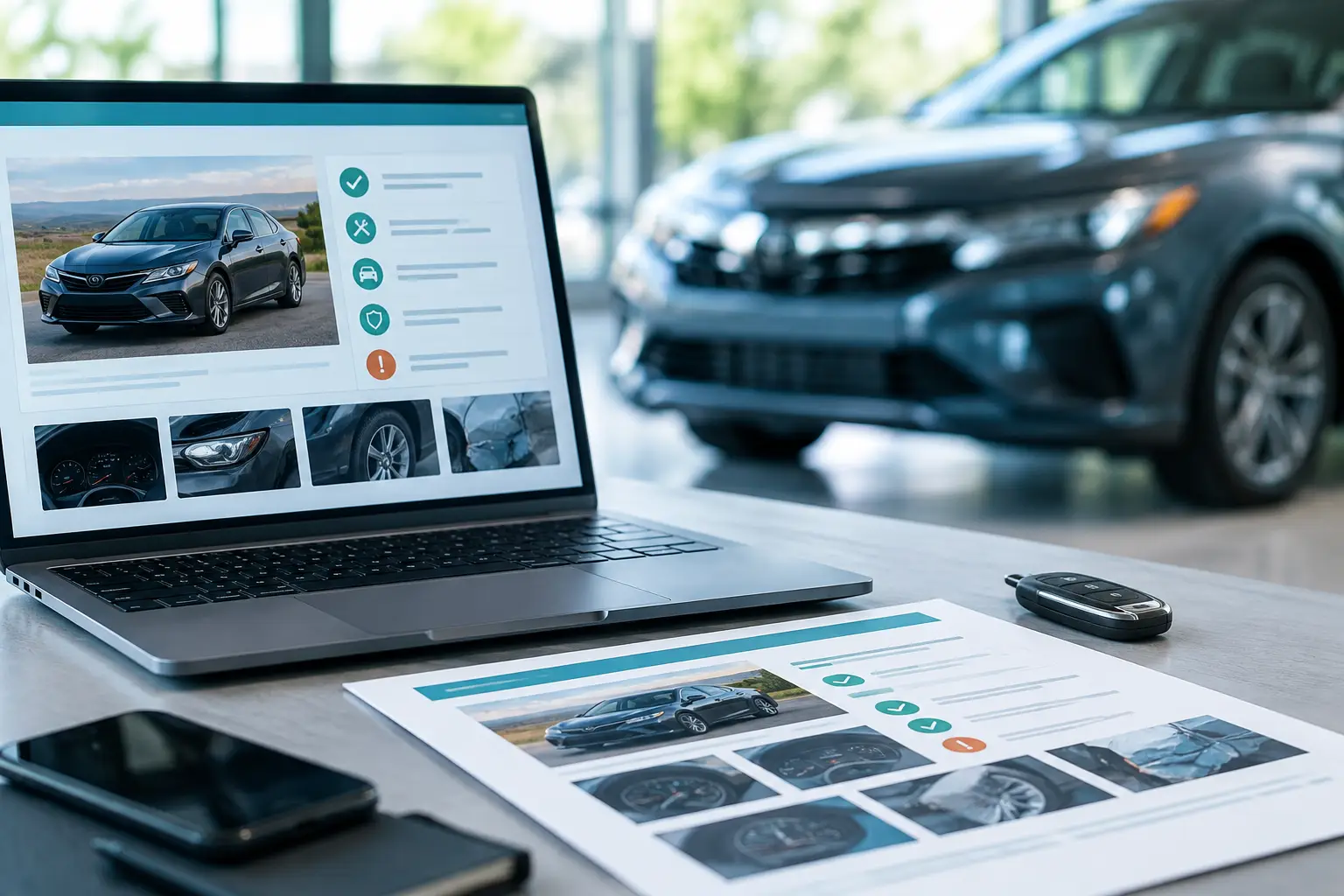
Once you have the VIN, run a vehicle history report. This should show reported accident or damage events, title brands, theft activity, ownership history, odometer readings, and other records that help you judge risk. For buyers comparing several cars, a dashboard-based workflow is far more efficient than pulling isolated reports one by one because patterns become easier to spot across multiple options.
That first report matters, but it should not be your only source of truth. Accident reporting is uneven. Some crashes are documented quickly. Others never make it into the databases if they were repaired privately or handled without an insurance claim. That means a clean report is useful, but it is not the same as proof that nothing happened.
What an accident history report should tell you
A useful report does more than say accident reported. It gives context. You want to see when the event occurred, whether damage was minor or severe, and whether the vehicle later showed signs of title branding, auction disclosure, or airbag-related records.
Look closely at the sequence of events. A reported collision followed by a salvage title or insurance total loss is very different from a low-speed parking lot incident with cosmetic repair. Timing matters too. If a car had major damage very recently, there may not have been enough time for repair quality issues to show up.
The strongest reports also help translate raw data into a decision signal. That is where a risk-based scoring model can help. Instead of forcing buyers to interpret disconnected events on their own, a score can show whether the vehicle’s history points to elevated concern compared with similar cars. That is especially useful for dealers, auction buyers, and fleet teams reviewing multiple VINs under time pressure.
Records worth paying attention to
Accident entries are only part of the story. Damage can surface through title records, auction announcements, insurance flags, and mileage inconsistencies. If the same vehicle shows accident history plus a branded title, theft recovery, or odometer gaps, your risk profile changes fast.
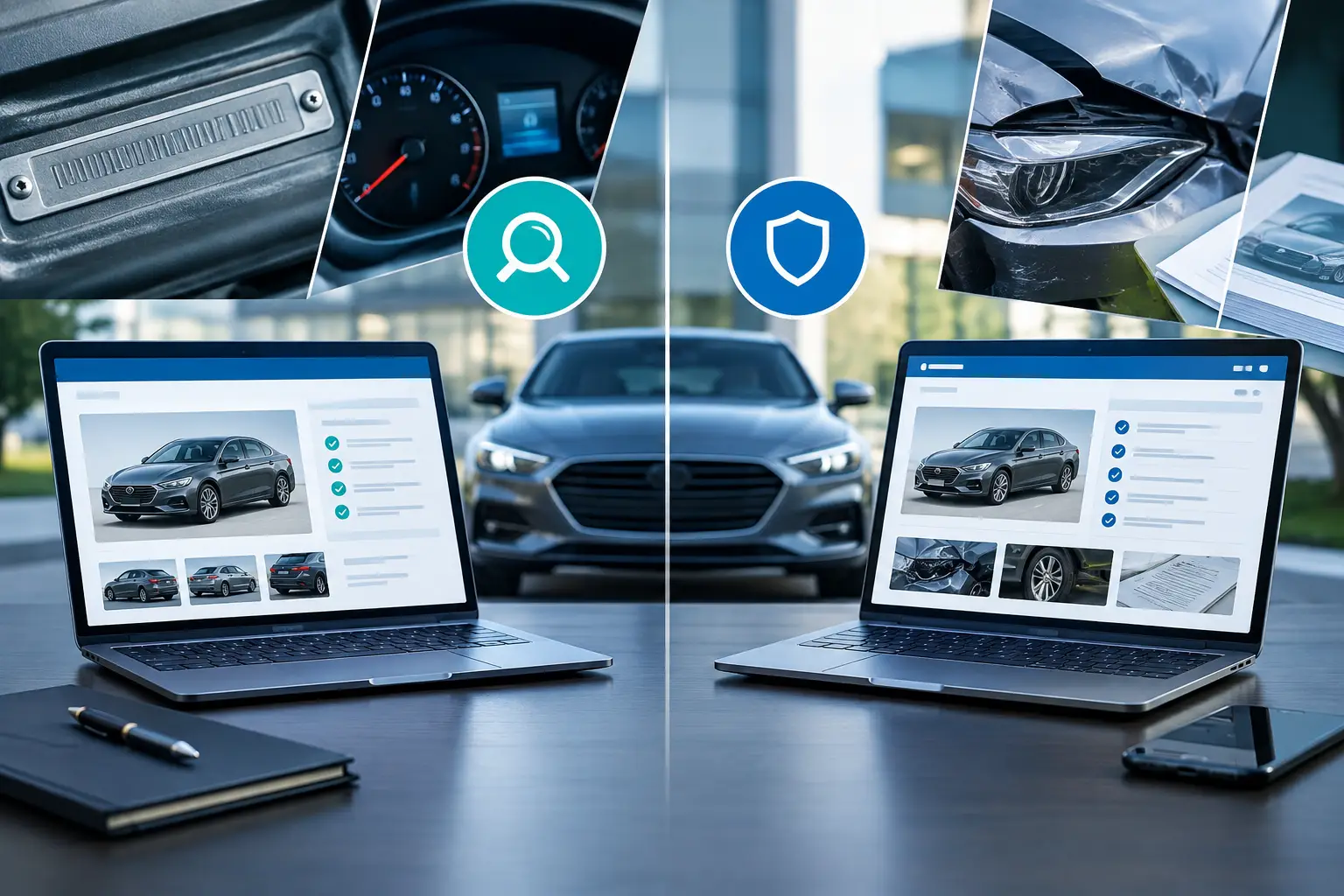
Pay special attention to these signals when reading the report in full context: structural damage notes, airbag deployment, salvage or rebuilt branding, repeated auction movement after damage, and sudden value drops that do not match the seller’s asking price. None of these automatically kills a deal, but they should change your negotiation and inspection strategy.
Why a clean report does not always mean a clean car
This is where many buyers get burned. They learn how to check accident history, run one report, see no major alerts, and assume the vehicle is clear. That assumption is expensive.
Not every collision gets reported to insurance. Not every repair shop feeds data into the same systems. Some sellers fix damage out of pocket and move the car before records catch up. Others rely on cosmetic repairs that photograph well but do not address hidden issues underneath.
That is why accident-history research should always be paired with a physical inspection. If the car is worth buying, it is worth verifying. A pre-purchase inspection by a qualified mechanic can confirm whether the body structure, suspension, steering, and safety systems look consistent with the clean story on paper.
What to inspect for hidden accident damage
A vehicle can reveal its history even when the records do not. Panel gaps are one of the easiest signs to spot. If the hood sits unevenly, the trunk does not close smoothly, or one door gap is wider than the other, prior body work may be involved.
Look at the paint in natural light. Mismatched color, overspray on trim, sanding marks, or rough edges inside door jambs can suggest repainting after a crash. Check the headlights and taillights too. A brand-new light assembly on one side and an older one on the other may point to collision repair.
Inside the car, make sure airbag covers look factory-correct. Loose trim, warning lights, or a dashboard that appears disturbed can raise questions about deployment and repair quality. Underneath, uneven tire wear or steering pull can indicate suspension or frame issues that were not fully corrected.
If you are buying remotely or at auction, these checks become even more important. Photos rarely tell the full story. In those cases, the safest path is combining verified VIN-based records with an independent inspection before funds change hands.
How to use accident history in a buying decision
An accident in the past does not automatically make a car a bad buy. The real question is whether the damage was properly repaired and whether the current price reflects the risk. A minor fender-bender on an older daily driver is not the same as structural damage on a late-model truck being sold at top-market money.
Start by matching the severity of the history to your intended use. A buyer looking for a long-term family vehicle may set a stricter standard than a dealer sourcing value inventory or a collector evaluating a rare model with documented restoration. It depends on safety impact, repair quality, ownership plans, and price discipline.
If the report shows moderate or severe accident history, ask for repair invoices, insurance documentation, and before-and-after photos if available. Sellers with nothing to hide usually understand the request. If they become evasive, push for a rushed deposit, or dismiss the records as meaningless, step back.
When to walk away
Some patterns are hard to justify unless the vehicle is heavily discounted and independently verified. Multiple damage events in a short period, structural damage records, salvage branding, airbag deployment with limited repair documentation, or mileage inconsistencies are all reasons to slow down or leave.
The same goes for vehicles with a suspicious gap between the history and the asking price. If the market says a clean version is worth about the same as the damaged one you are considering, there is no upside in taking on extra risk.
A better workflow for buyers and dealers
For individual shoppers, checking one VIN before a purchase can prevent a costly mistake. For dealers, auction buyers, and fleet operators, the challenge is scale. Reviewing history vehicle by vehicle creates friction, and friction leads to shortcuts.
A smarter workflow lets you pull verified records, compare multiple vehicles side by side, sort by risk, and export findings when you need to support a purchase or inventory decision. That is the practical advantage of a platform built for evaluation rather than just one-off report delivery. DriveEvidence, for example, combines VIN-based reporting with a DriveEvidence Score that turns layered history data into a clearer read on vehicle risk.
Whether you are buying your first used car or screening incoming inventory, the process should stay the same. Verify the VIN. Read the history in context. Inspect the vehicle. Compare price against risk. If any part of that chain breaks, do not let urgency make the decision for you.
The best car deals hold up under scrutiny. If a seller wants your money before the records and condition make sense, that is not a deal to chase - it is one to avoid.