A clean-looking title is not proof that a used vehicle has a clean past. A VIN lookup vs title search comparison matters because these tools answer different questions, and relying on only one can leave expensive gaps in your research. One helps you identify the vehicle and investigate its reported history. The other focuses more narrowly on ownership and the legal document that allows the vehicle to be sold and registered.
For a buyer, dealer, auction bidder, or fleet manager, the practical question is not which check is better. It is which risks each check can expose before money changes hands. A title search may reveal a lien or a branded title. A VIN-based report can add accident records, odometer readings, theft data, recalls, specifications, and ownership events that a title document will not show.
VIN Lookup vs Title Search: The Core Difference
A VIN lookup uses the vehicle identification number, a unique 17-character code assigned to nearly every modern vehicle. The VIN identifies the exact vehicle, not just its model and trim. It can be used to confirm factory specifications and search databases that collect records tied to that vehicle over time.
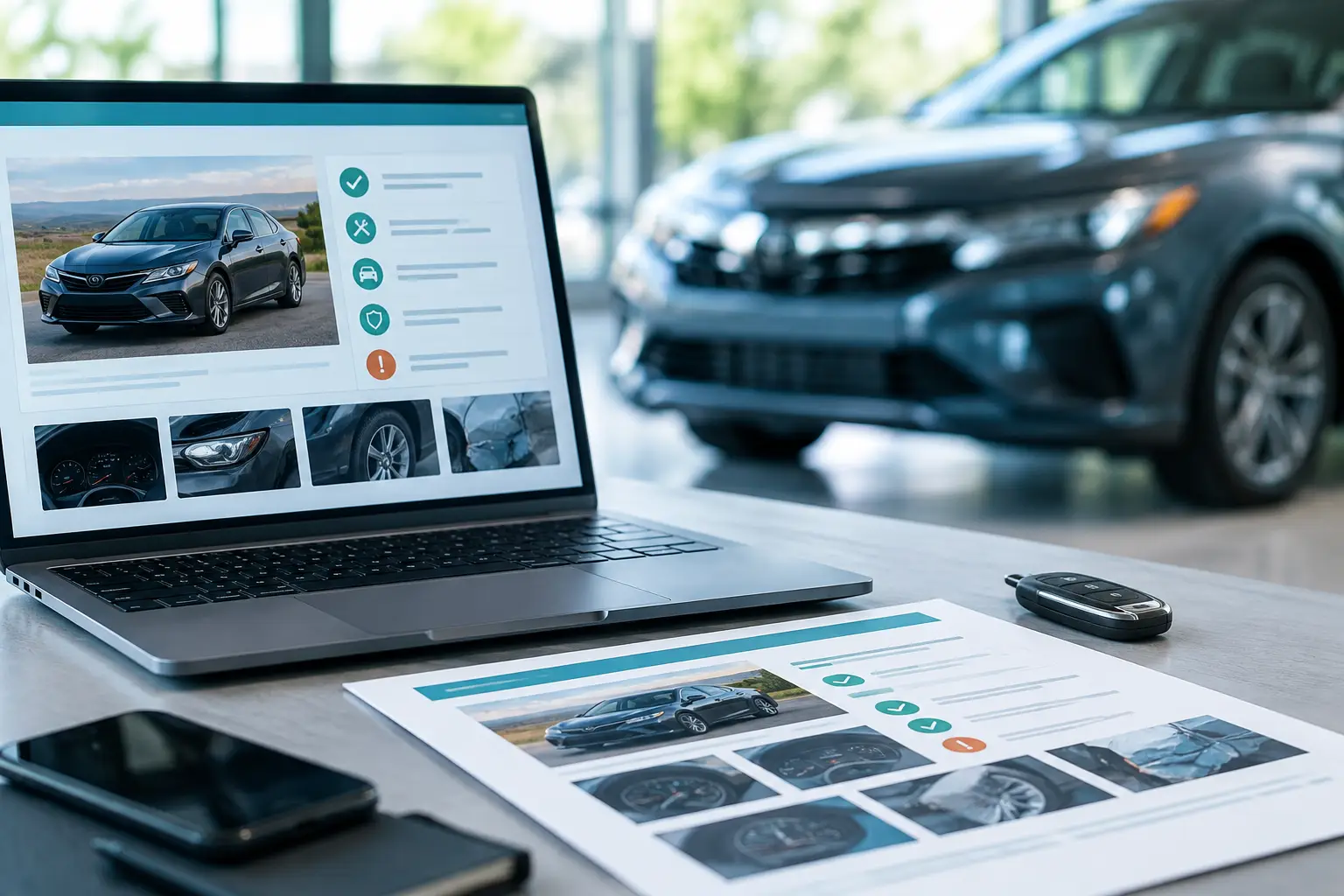
Depending on the service and data sources available, a VIN lookup can return details such as reported accidents, damage events, salvage or rebuilt branding, theft and recovery records, odometer history, prior registrations, open recalls, safety information, and market-value context. It is designed to build a broader picture of the vehicle.
A title search is generally a search of title-related records. It may be performed through a state motor vehicle agency, a title company, a dealer system, or another authorized source. Its goal is to verify the vehicle's title status, ownership information where permitted, and potential legal claims against the vehicle. The exact records available vary sharply by state, requester, and privacy rules.
Put simply: a VIN lookup investigates the vehicle's identity and history. A title search investigates whether the seller has a transferable legal claim to sell it.
What a VIN Lookup Can Tell You
A VIN report is the stronger starting point when you are evaluating a vehicle's overall condition, risk, and value. It can help verify that the car being advertised matches the car in front of you. That includes basics such as model year, engine, drivetrain, body style, and installed equipment.
It also helps identify history that may affect safety, reliability, financing, insurance, and resale value. A vehicle can have a valid title and still carry a history of collision damage, flood exposure, repeated odometer readings that do not make sense, or theft recovery. Those issues may not be obvious during a quick walk-around.
For example, consider a 2021 pickup advertised as having 42,000 miles and no prior damage. A VIN lookup may show an earlier odometer record near 84,000 miles, an insurance loss event, or a salvage auction listing. Each finding changes the conversation. Together, they may tell you to walk away.
A useful report also helps you separate confirmed records from missing records. No accident record does not guarantee the vehicle was never damaged. A repair may have been paid out of pocket, a record may not have reached a reporting source, or an event may be too recent to appear. Treat a clean report as evidence, not a warranty.
When VIN Lookup Is the Better First Check
Use a VIN lookup early, ideally before you drive across town, place a deposit, bid at auction, or add a unit to inventory. It is especially valuable when the asking price looks unusually low, the vehicle has moved between states, the seller has limited documentation, or you are comparing several options.
For dealers and fleet teams, VIN-based research supports faster triage. Instead of treating every unit as a separate paperwork project, teams can review key risk signals, compare vehicles side by side, and focus inspections on the units that need more scrutiny. DriveEvidence is built around that workflow, combining verified vehicle records with a risk-based score that helps turn multiple data points into a clear next step.
What a Title Search Can Tell You
A title search addresses the legal side of a vehicle transaction. It may help confirm whether a title exists, whether it is clean or branded, whether a lien is recorded, and whether the person selling the vehicle can transfer ownership. That makes it essential when you are close to purchase.
Title branding deserves careful attention. Common brands include salvage, rebuilt, flood, junk, lemon, and hail damage. A branded title does not automatically make a vehicle a bad purchase. A properly repaired rebuilt vehicle may suit a buyer who understands the repair quality, accepts potential insurance limitations, and pays a price that reflects the risk. But the title brand must be disclosed, understood, and priced correctly.
A title search can also flag lien concerns. If a lender still has a legal interest in the vehicle, the seller may not be able to provide clear title until the loan is paid and the lien is released. Do not assume a seller's statement that the loan is "almost paid off" protects you. Ask how the payoff and title transfer will be handled before you release funds.
Limits of Title Searches
A title search is not a full vehicle-history investigation. It usually will not tell you the depth of a prior collision, whether airbags deployed, whether the vehicle passed through a salvage auction, or whether the mileage history is consistent. It may also be limited by state privacy laws and reporting practices.
Title timing can create another blind spot. A recent title transfer, lien filing, or brand update may not appear instantly in every system. State rules also differ. A brand applied in one jurisdiction may be described differently in another, and older vehicles can have incomplete digitized records.
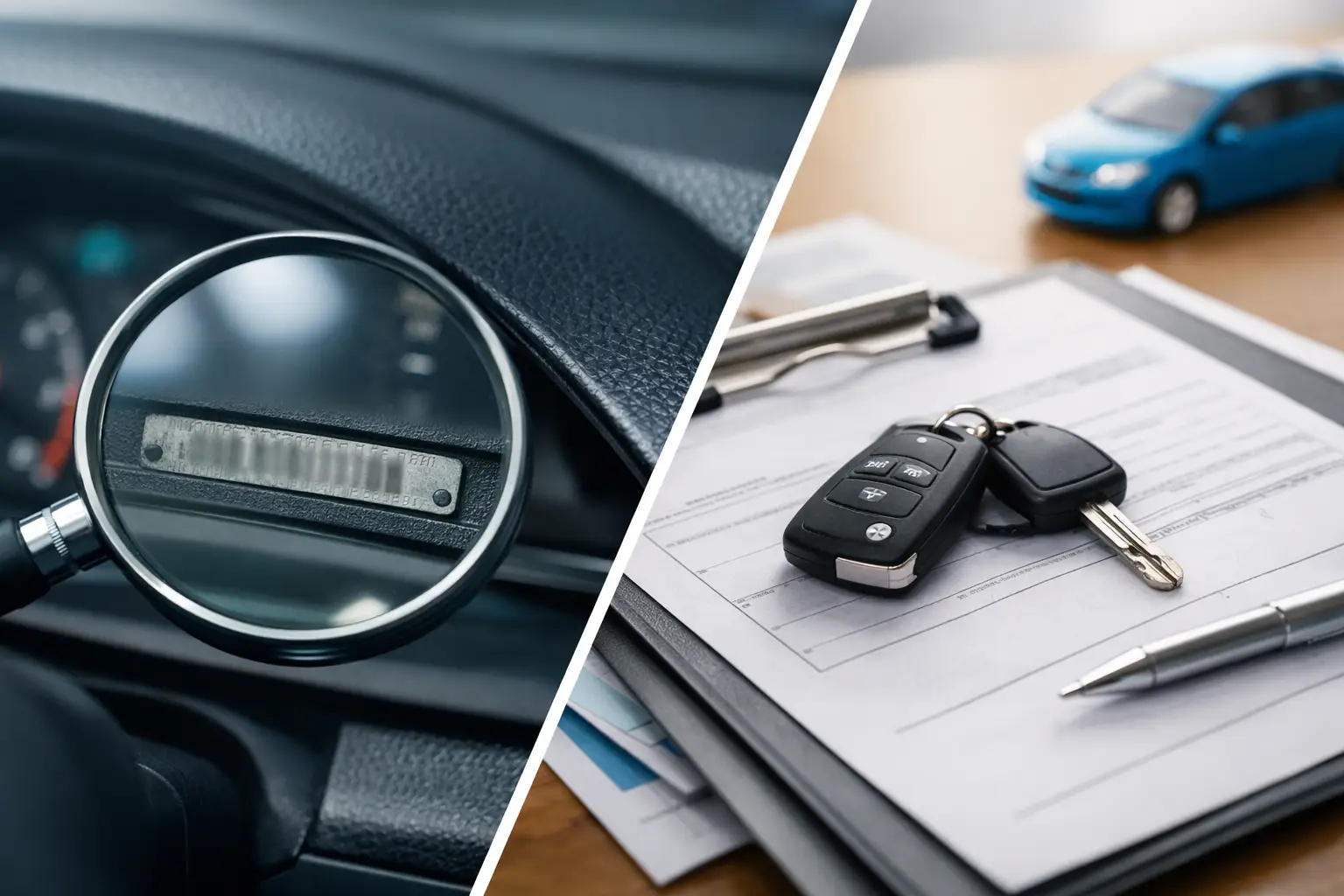
That is why title evidence should be verified against the physical title, the VIN on the dashboard and door label, the seller's identification, and the vehicle history report. If any of those details conflict, stop the transaction until the discrepancy is explained with documentation.
Why You Usually Need Both
The safest used-car decision combines a VIN lookup with title verification. The VIN report gives you the operating history and risk context. The title search helps confirm that the legal transfer is legitimate. Neither replaces a pre-purchase inspection by an independent mechanic.
Think of the checks as three separate layers. Vehicle history asks, "What has happened to this vehicle?" Title verification asks, "Can this seller legally transfer it?" A mechanical inspection asks, "What condition is it in now?" A vehicle can pass one layer and fail another.
A clean title, for example, does not rule out a major unreported repair. A clean VIN report does not prove the seller has paid off a loan. And a car that drives well on a test drive can still have a title problem that blocks registration.
Red Flags That Require a Pause
Certain situations call for more verification, not faster payment. Be cautious when a seller cannot show a title, asks you to pay a third party, claims they are selling for a relative, or offers a price far below comparable vehicles. Also pause if the VIN on the title does not match the vehicle, the title appears altered, the ownership timeline is unusually short, or the odometer reading conflicts with service records.
Auction buyers face a different version of the same risk. A title announcement may tell you the document status, but it does not replace a complete history review or physical inspection. "Clean title" is a legal classification, not a condition grade.
For dealers, these flags affect more than a single deal. A unit with unclear title status can tie up capital, delay reconditioning, create customer disputes, and complicate retail delivery. Catching the issue before acquisition is far less costly than explaining it after the vehicle reaches the lot.
A Practical Check Before You Buy
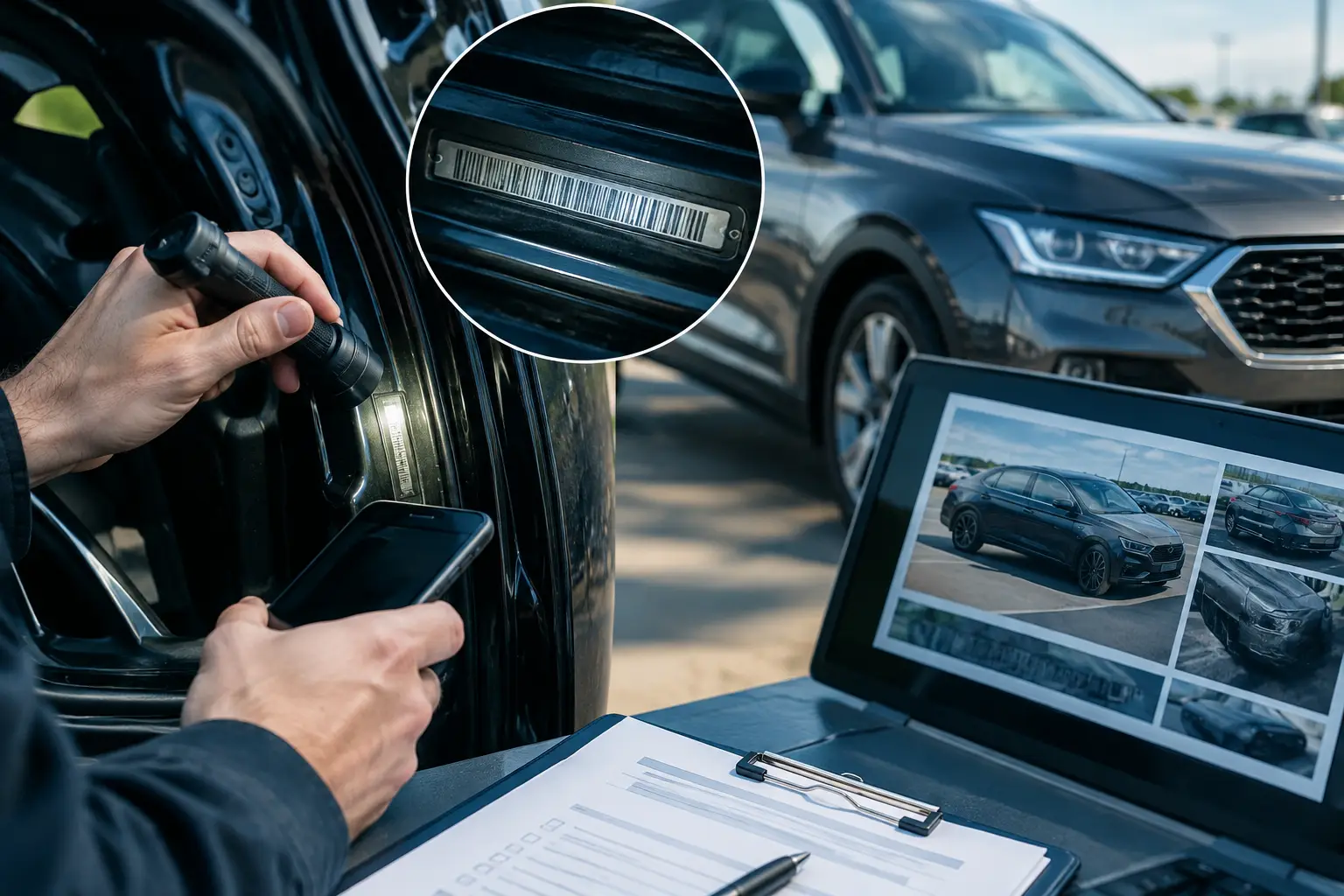
Start by getting the VIN directly from the vehicle, not only from an online listing. Compare it across the dashboard plate, driver's door label, title, registration, and seller paperwork. If the seller resists providing the VIN before a deposit, treat that as a meaningful warning sign.
Run a VIN lookup before negotiating final price. Review the timeline, title brands, odometer entries, theft status, recalls, and any damage or auction records. Then compare the findings with the seller's story. A mismatch is not always fraud, but it is always a reason to ask for proof.
Before payment, inspect the original title and verify the transfer process. Confirm whether a lienholder is involved and how the release will be documented. For a private-party purchase, meet at the lender or motor vehicle office when a payoff is required. For higher-value purchases, a small amount of extra process can prevent a large loss.
The vehicle you buy should make sense on paper, in the data, and in the shop. When those three views agree, you can negotiate from evidence instead of hope.