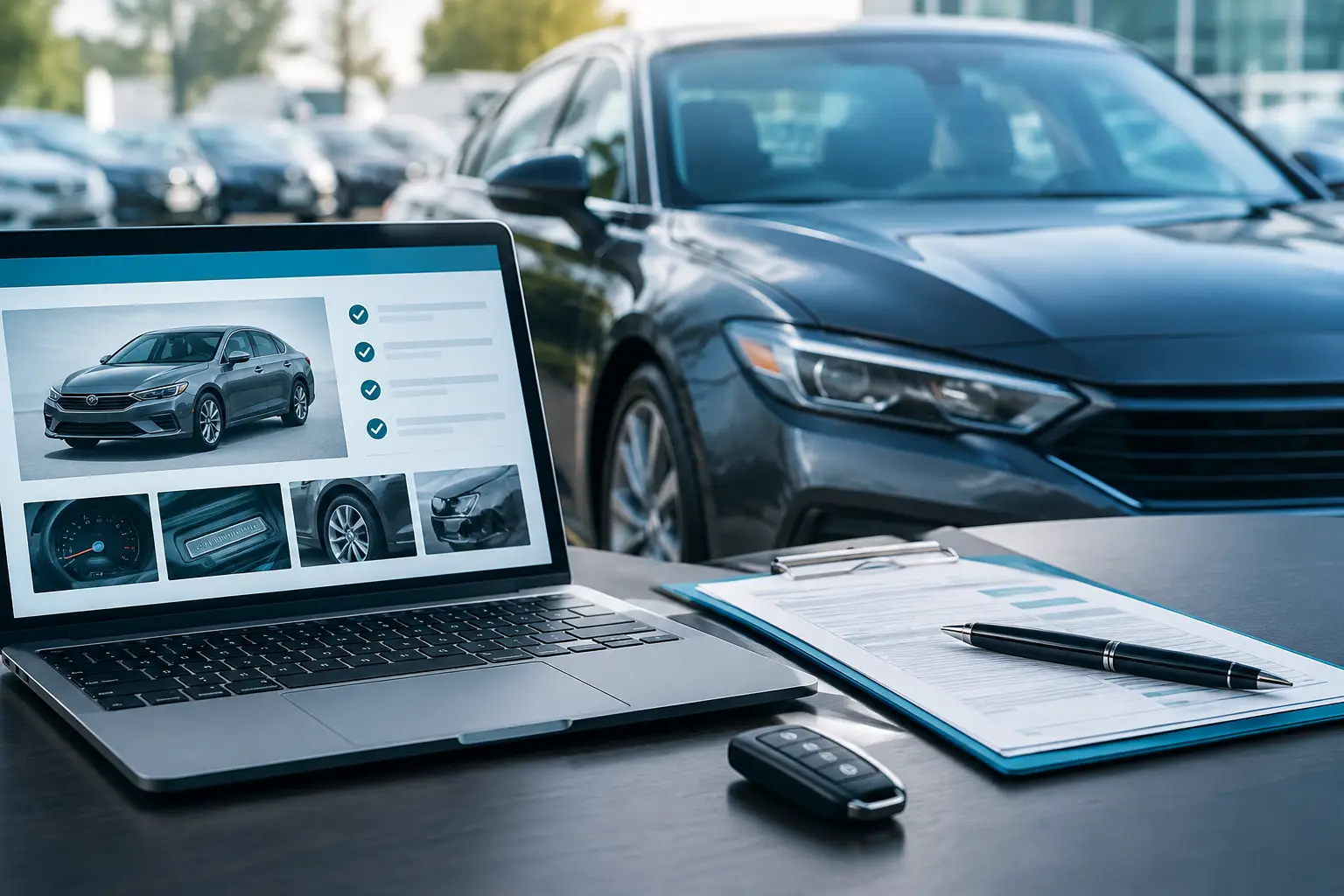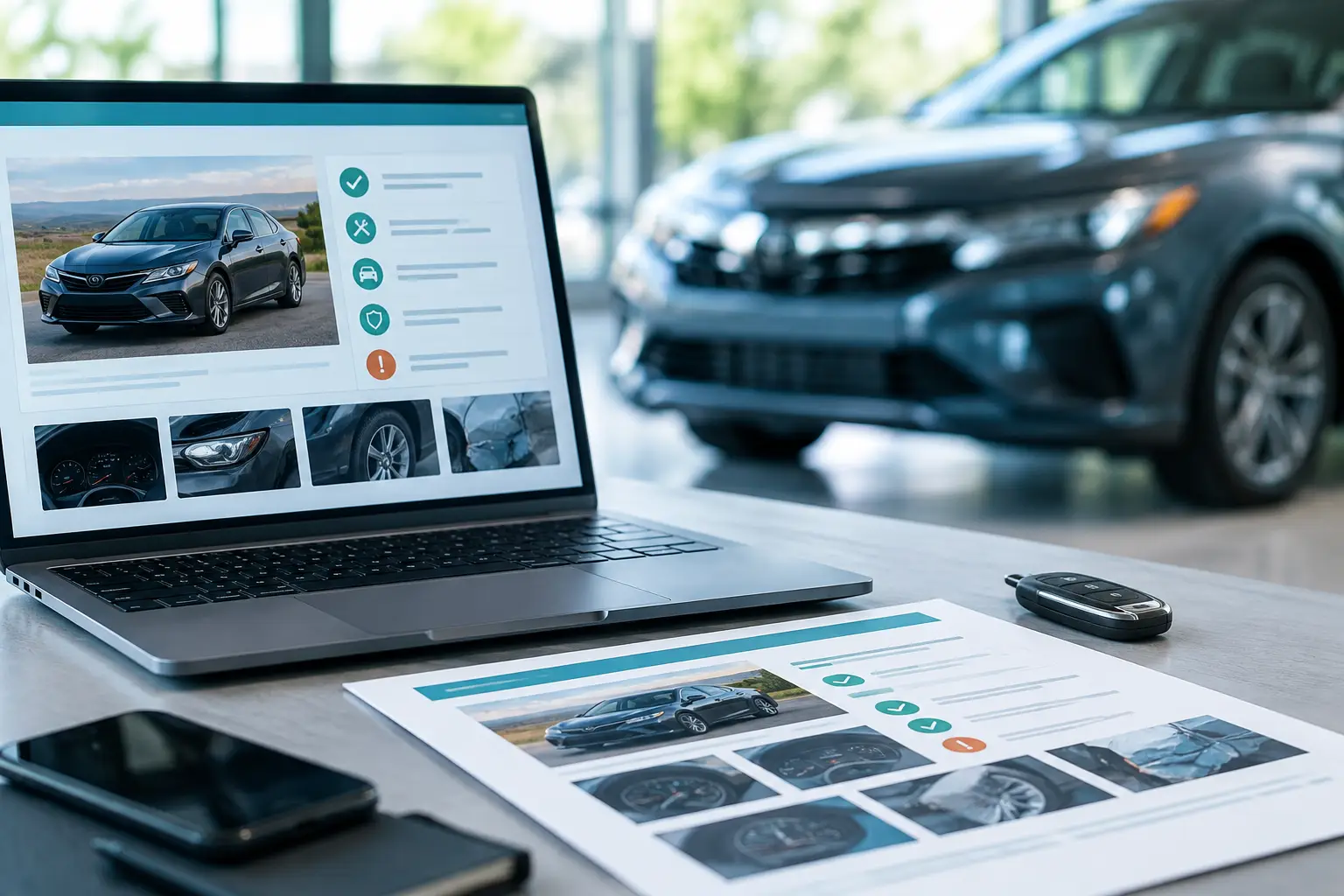
A late-model SUV can look like the safest purchase on the lot: clean paint, low miles, a reasonable asking price, and a seller who says it has a "clean history." In this used car fraud case study, the vehicle looked right until its records were checked as a complete timeline rather than accepted as a sales claim.
The case is a composite based on common fraud patterns in the used-vehicle market. The details show how title washing, odometer inconsistencies, and undisclosed damage can stack together - and why a VIN check needs to happen before money changes hands.
The vehicle that seemed like a deal
The buyer was shopping for a three-row SUV for a growing family. Their target was a 2021 model with fewer than 45,000 miles, modern safety features, and room for road trips. One listing stood out: 38,200 miles, one previous owner, no accidents, and a price nearly $4,000 below comparable local listings.
The seller had clear photos, a polished description, and a title that appeared clean. The SUV drove well during a short test drive. Its interior showed normal wear for the stated mileage. Nothing about the vehicle immediately suggested a serious problem.
That is what made the listing effective. Most fraud does not begin with an obviously broken car. It begins with a story that is believable enough to stop the buyer from asking for proof.
Before placing a deposit, the buyer ran the VIN through a vehicle history platform and compared the results against the listing. The record did not tell one simple story. It exposed several separate signals that became meaningful when viewed together.
What the VIN history revealed
The first red flag was a branded title record from another state. About 14 months before the listing, the SUV had been reported as a salvage vehicle following flood-related damage. The current title, however, did not visibly display the prior brand in the way the buyer expected.
This is commonly called title washing. It can occur when a vehicle moves across state lines and prior title information is not carried forward clearly, is handled differently by the new jurisdiction, or is obscured in a misleading sale. A clean-looking paper title is not always a clean vehicle history.
The second red flag was the mileage sequence. An auction record showed the SUV at approximately 61,000 miles several months before it appeared in the listing at 38,200 miles. An odometer rollback of more than 20,000 miles changes far more than the resale value. It affects maintenance decisions, warranty assumptions, and the buyer's ability to judge overall wear.
The third issue involved damage history. Earlier images associated with the vehicle showed water staining in the cargo area and corrosion around electrical connectors. The current listing photos had been taken after cosmetic cleanup. The exterior looked excellent, but prior condition photos suggested that the SUV had experienced a problem that could create delayed electrical, airbag, corrosion, and mold-related issues.
Any one of these findings would justify more questions. Together, they changed the decision completely.
Why the seller's explanation did not hold up
When asked about the discrepancy, the seller initially said the higher odometer reading was a data-entry error. That explanation was possible in theory, but the record showed the higher reading in more than one source. The seller then said they had purchased the vehicle recently and did not know about its earlier title status.
That may or may not have been true. The buyer did not need to prove intent to commit fraud. The risk was already clear: the advertised condition, mileage, and value could not be verified.
This distinction matters. Buyers often focus on whether they can catch a seller in a lie. The more useful question is whether the vehicle's documented history supports a confident purchase. If the answer is no, walking away is often the most efficient decision.
The financial risk behind the listing
The SUV was priced at $28,500. Comparable clean-title examples with verified mileage were selling closer to $32,000. At first glance, the discount felt like an opportunity. After the history review, it looked more like a risk premium that had not been explained.
A prior salvage or flood history can reduce market value substantially, but the precise effect depends on the vehicle, the severity of the damage, repair quality, state title rules, and buyer demand. A properly repaired branded-title vehicle is not automatically unusable. It should, however, be priced honestly, inspected carefully, and insured with a clear understanding of possible coverage and resale limitations.
The mileage issue created another problem. If the actual mileage was around 61,000, the buyer was considering a vehicle with significantly more use than advertised. The advertised price was no longer a discount against comparable 38,000-mile SUVs. It was potentially too high for a vehicle with higher miles, a damaged history, and uncertain long-term reliability.
The buyer declined the purchase. Avoiding the deal likely prevented an overpayment, future repair exposure, and a difficult resale conversation later.
Used car fraud case study: the signals that mattered
The lesson from this used car fraud case study is not that every low-priced vehicle is fraudulent. Some sellers simply price aggressively, and some history records contain gaps or administrative errors. The issue is whether the evidence aligns.
A sound review compares the seller's claims with the vehicle's documented timeline. If a listing says one owner, low mileage, clean title, and no accidents, the records should generally support those points. When they do not, stop treating the listing as a bargain until the differences are explained with documents.
Watch especially closely when a vehicle has moved between states, has been sold through auction, is priced well below similar local inventory, or has a recent title change. None of these facts proves fraud. They do justify a higher level of verification.
A risk-based score can help make that first decision faster. DriveEvidence combines history signals into a 0-100 DriveEvidence Score, allowing buyers and inventory teams to identify vehicles that deserve a deeper review before they spend time, money, or credibility on a deal.
A better verification workflow before you buy
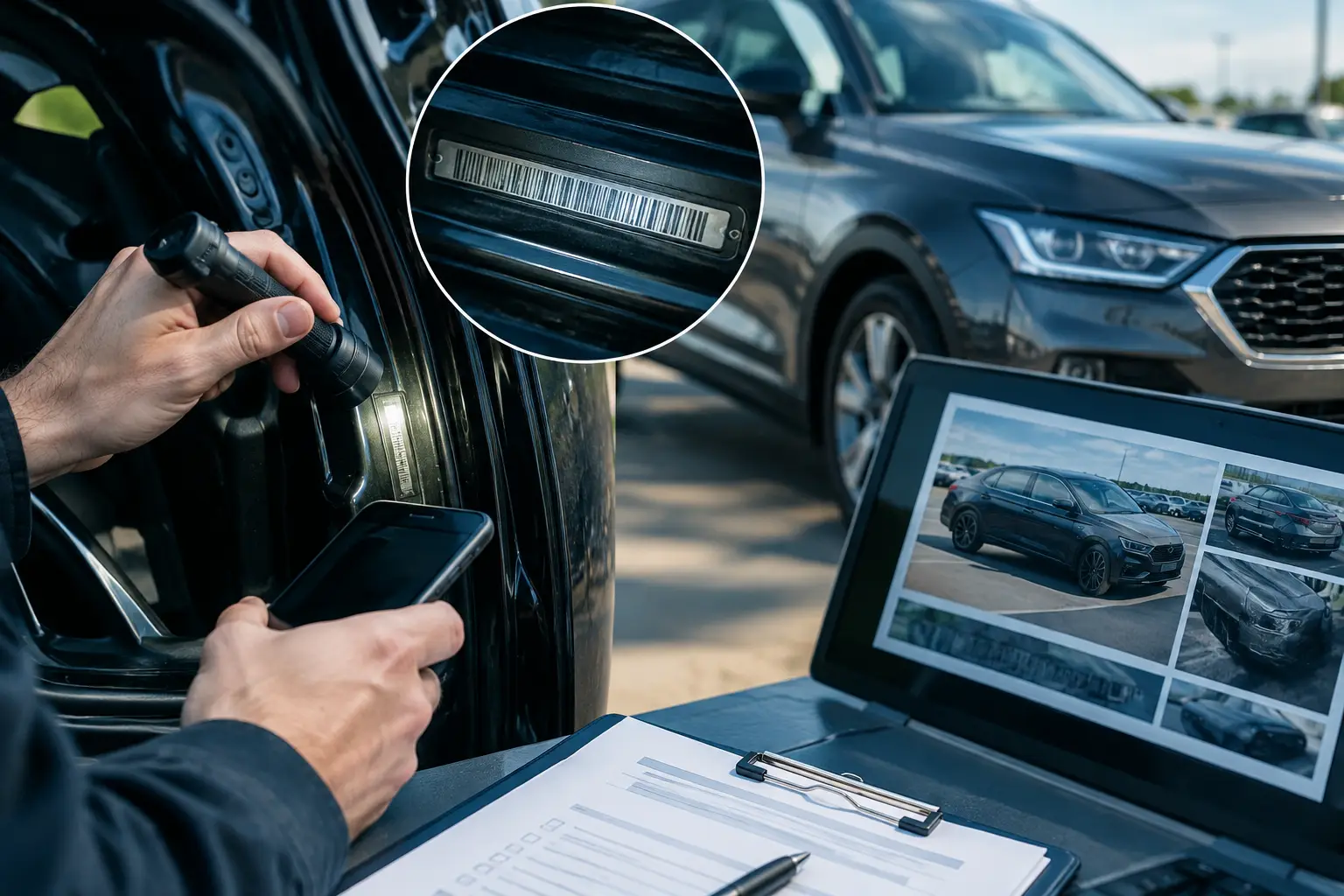
Start with the VIN, not the seller's description. Confirm that the VIN on the dashboard, driver's door label, title, registration, and listing all match exactly. A single incorrect character can point to a simple mistake or a more serious identity issue.
Next, review the vehicle's title status, title brands, theft and recovery records, accident and damage events, ownership history, and odometer timeline. Do not read these as isolated fields. Look for chronology. A title event, an auction sale, a repair record, and a mileage reading should form a story that makes sense from one date to the next.
Then compare the history to the physical vehicle. If the report shows a prior collision, inspect panel gaps, paint texture, tire wear, underbody condition, and repair quality. If there is a flood-related event, look for corrosion in connectors, musty odors, water lines, moisture under carpeting, and unusual electrical behavior. A qualified pre-purchase inspection is worth the cost when the vehicle is expensive, complex, or carrying any risk signal.
Finally, verify the economics. Compare the asking price with similar vehicles of the same year, trim, mileage range, title condition, and market area. A lower price may be justified by prior damage or a branded title. It should never be accepted without understanding why it is lower.
When a buyer should walk away
Some problems can be resolved with documentation. A repaired accident may be acceptable when records are consistent, repairs are professionally inspected, and the price reflects the history. A title discrepancy could be administrative if the seller can provide complete paperwork and the issuing agency confirms the status.
But there are situations where more research is unlikely to improve the deal. Walk away when the VIN records conflict with the stated mileage, the seller refuses an independent inspection, the title cannot be verified, or the explanation changes as new evidence appears. The time already spent on a vehicle is not a reason to accept uncertainty.
The strongest used-car decisions are usually quiet ones: a VIN is checked, the evidence is compared, the risk is priced honestly, and the buyer either proceeds with confidence or moves on. Before you commit to a vehicle, make sure its history can carry the same weight as its appearance.