A vehicle listed at $18,900 can look like a fair deal until one overlooked factor changes the math: a branded title, a prior collision, mismatched mileage, or a market estimate built on cleaner examples. This used car valuation tools review focuses on what pricing tools can tell you, what they cannot, and how to use them without treating a single number as proof.
For buyers, sellers, dealers, and fleet teams, valuation is not about finding a magic price. It is about establishing a credible range, identifying the factors that move a vehicle within that range, and verifying whether the vehicle in front of you deserves its asking price.
What a Used Car Valuation Tool Actually Measures
Most valuation tools start with a vehicle's basic identity: year, make, model, trim, engine, drivetrain, mileage, and ZIP code. They then compare that profile with recent transaction data, dealer listings, wholesale activity, or a blend of market sources. The result may be presented as a trade-in estimate, private-party value, retail value, instant cash offer, or market range.
That distinction matters. A dealer retail price includes reconditioning, overhead, warranty exposure, and profit. A trade-in number reflects the dealer's expected cost and risk before resale. A private-party value sits somewhere between the two, but it still assumes the vehicle is accurately described and reasonably marketable.
A useful tool makes the valuation type clear. A less useful one presents a single confident number without explaining whether it represents a wholesale, retail, or private-sale scenario. If you are comparing a $16,000 trade estimate with a $19,000 dealer asking price, the gap is not automatically evidence of overpricing. First confirm that you are comparing like with like.
Used Car Valuation Tools Review: The Main Options
Different tools serve different parts of the buying and selling process. The best choice depends on whether you need a quick market reference, an actual purchase offer, a dealer-level inventory view, or proof that a particular VIN has risks the market average does not capture.
Consumer pricing guides
Consumer pricing guides are useful for establishing a broad starting range. They typically let you enter the vehicle configuration, mileage, condition, and local market. Their strongest use is early research: narrowing a search, spotting a listing that is far outside the market, or deciding whether it is worth contacting a seller.
Their limitation is condition. A dropdown labeled “excellent,” “good,” or “fair” cannot inspect paintwork, tire life, service records, smoke odor, aftermarket modifications, or the quality of a prior repair. Sellers also tend to rate condition generously. Use these guides as a baseline, not a verdict.
Instant-buy and cash-offer tools
Cash-offer tools can be more practical when you need a real exit option for a vehicle. They may provide a conditional offer based on the VIN, mileage, location, and a follow-up inspection. This gives sellers a concrete floor for negotiations and helps buyers understand what a dealer may have in a trade-in vehicle.
The trade-off is that an offer is designed for a buyer who must absorb resale risk. It can be below a realistic private-party sale price, especially for clean, desirable vehicles. It can also change after inspection if the tool's assumptions do not match the vehicle's condition or history.
Dealer market and inventory tools
Dealer-oriented tools are built for speed and volume. They may show local listings, days on market, wholesale indicators, retail comparables, and projected margins. For independent dealers, auction buyers, and inventory managers, this context is valuable because it connects a vehicle's acquisition price to its likely retail path.
But market velocity is not the same as vehicle quality. A fast-moving model with a salvage history or unresolved recall can still create a difficult retail problem. Teams should pair market data with verified VIN records before setting an acquisition ceiling.
VIN-based vehicle intelligence platforms
VIN-based platforms add the part generic valuations often miss: the vehicle-specific evidence behind the price. Accident and damage history, title brands, theft and recovery records, ownership patterns, odometer checks, recall status, and specifications can materially change what a vehicle is worth and how quickly it can be sold.
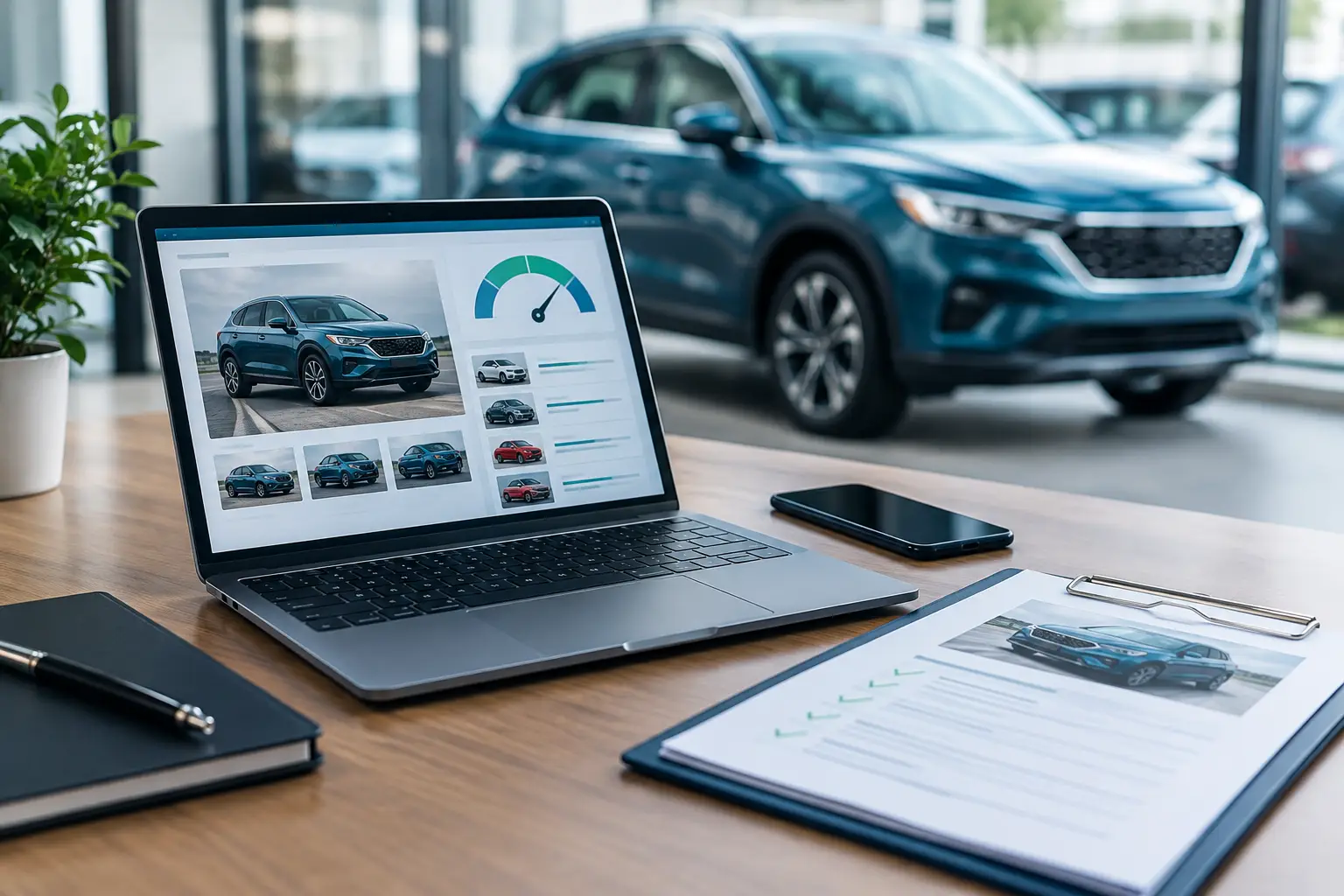
This is where valuation becomes defensible rather than theoretical. A clean-history estimate is only relevant if the vehicle has a clean, verifiable history. DriveEvidence combines vehicle history records, market valuation context, and a 0-100 DriveEvidence Score so buyers and teams can see both the potential price and the risk signals that may affect it.
Why One Price Is Rarely Enough
A strong valuation workflow produces a range. Start with two or three independent market estimates, then compare local listings for vehicles with the same trim, mileage band, powertrain, and condition. A base-model front-wheel-drive SUV is not a fair comparable for a premium all-wheel-drive trim just because the model name matches.
Next, separate asking prices from completed transactions where possible. Listings show seller ambition. Transaction-based data is closer to market behavior, though it can lag a rapidly changing market. If comparable vehicles have been sitting for 60 days with repeated price cuts, their original list prices are weak evidence of actual value.
Location also changes the result. Four-wheel-drive trucks, convertibles, EVs, and certain luxury models can carry very different demand profiles by region. A national estimate is helpful context, but local supply and seasonality decide whether a price is realistic this week.
The Value Adjustments That Matter Most
Mileage is usually the first adjustment people notice, but it is not the only one. A low-mileage vehicle that has been poorly maintained, stored outdoors, or involved in a major collision may deserve less than a higher-mileage example with consistent service and clean records.
History-related issues deserve special attention because they affect both present value and future resale. A rebuilt or salvage title can sharply reduce the buyer pool, complicate financing and insurance, and make comparable pricing unreliable. Even a non-branded accident history may affect value when damage was extensive, repairs are poorly documented, or structural components were involved.
Odometer discrepancies are another hard stop until explained. Do not simply discount the car and proceed. An unverifiable mileage history can undermine the valuation model itself because mileage is one of its core inputs.
Open recalls are more nuanced. An open recall does not automatically mean a vehicle is unsafe to purchase or worth dramatically less, but it is a negotiation point and a service task that should be resolved. Check whether parts are available and whether the repair can be completed before delivery.
A Practical Pricing Workflow Before You Commit
Begin with the VIN, not the seller's description. Confirm the exact trim, engine, drivetrain, model year, and factory equipment. Small configuration differences can move the market value by thousands of dollars.
Then build a market range using more than one valuation source. Record the type of each estimate - trade, private party, retail, or cash offer - so you do not blend incompatible numbers. Review nearby comparable listings, but remove vehicles with obviously different mileage, titles, or equipment.
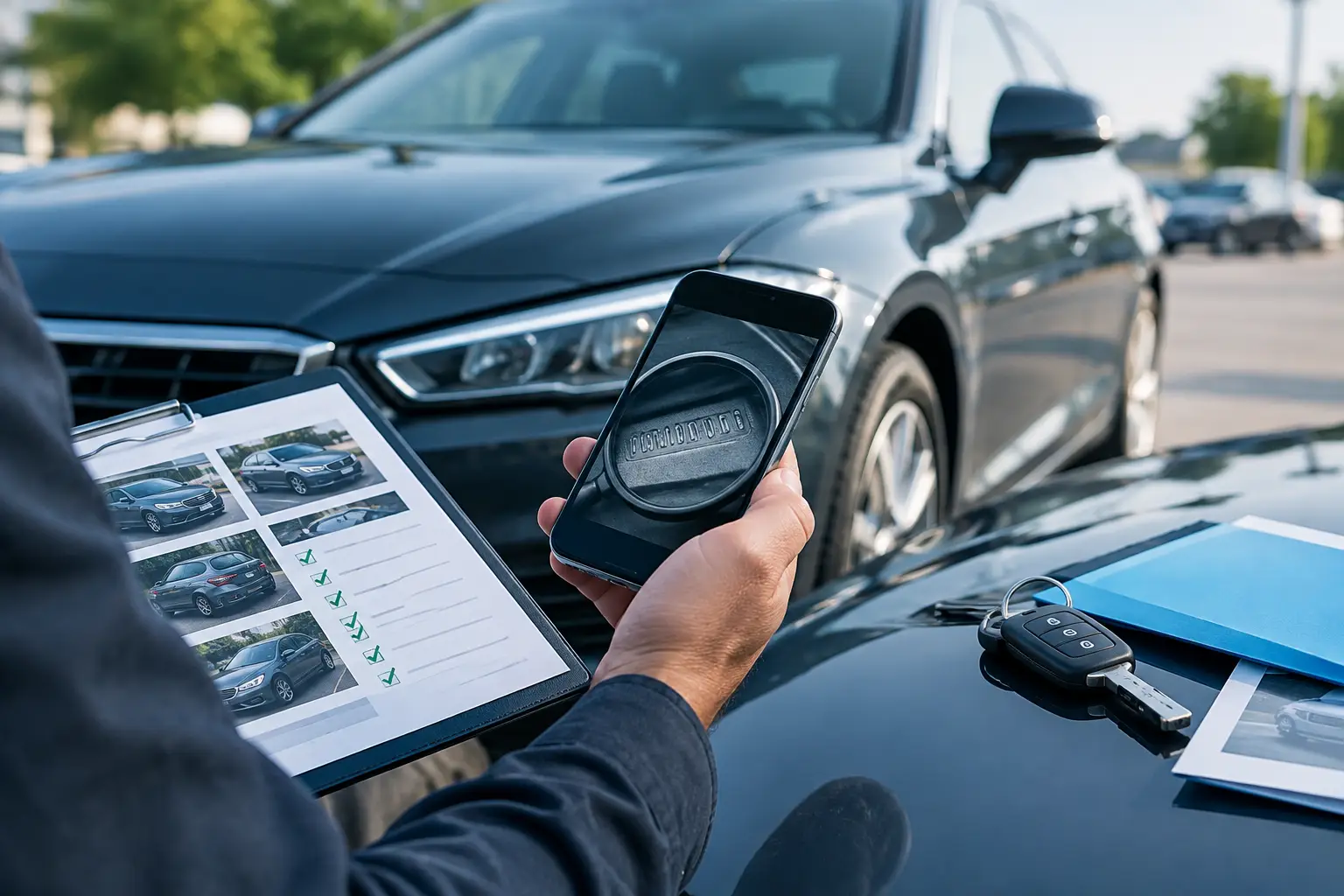
After that, run vehicle history and score the risks. A clean report does not replace a pre-purchase inspection, and an inspection does not replace record verification. Together, they give you a more complete view: documented past events plus the vehicle's current mechanical condition.
Finally, set a walk-away number. For a buyer, that number should account for taxes, registration, inspection findings, immediate repairs, transportation, and the resale risk you are accepting. For a dealer or fleet buyer, it should include recon cost, time to frontline, and the margin required to justify the capital tied up in the unit.
Common Valuation Mistakes to Avoid
The most expensive mistake is treating the average market price as the car's actual value. Market averages assume typical examples. The vehicle you are evaluating may be better, worse, or materially different.
Another common error is negotiating from monthly payment instead of total transaction cost. A seller can make a payment look manageable by extending the term while the vehicle remains overpriced. Set the vehicle price first, then evaluate financing separately.
Do not overlook documentation either. Service invoices, tire replacement dates, inspection results, and repair records can support a higher price when they are credible. Missing records do not prove neglect, but they do increase uncertainty. Uncertainty belongs in the price.
The right valuation tool should make your decision faster, not make you less careful. Use the estimate to frame the conversation, use verified history to challenge unsupported claims, and let the vehicle's actual condition determine where it belongs in the range. When the proof and the price agree, you can move forward with far more confidence.