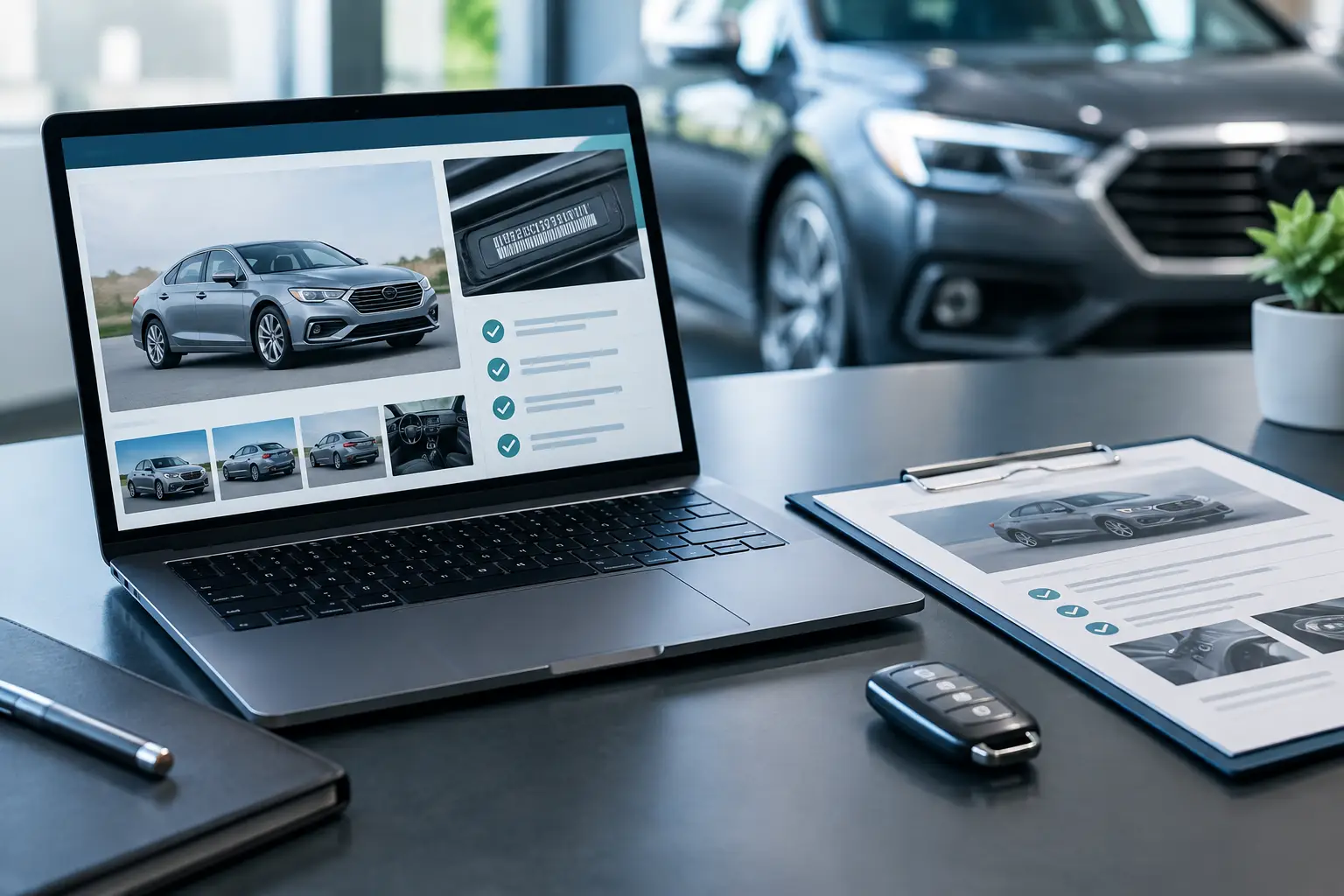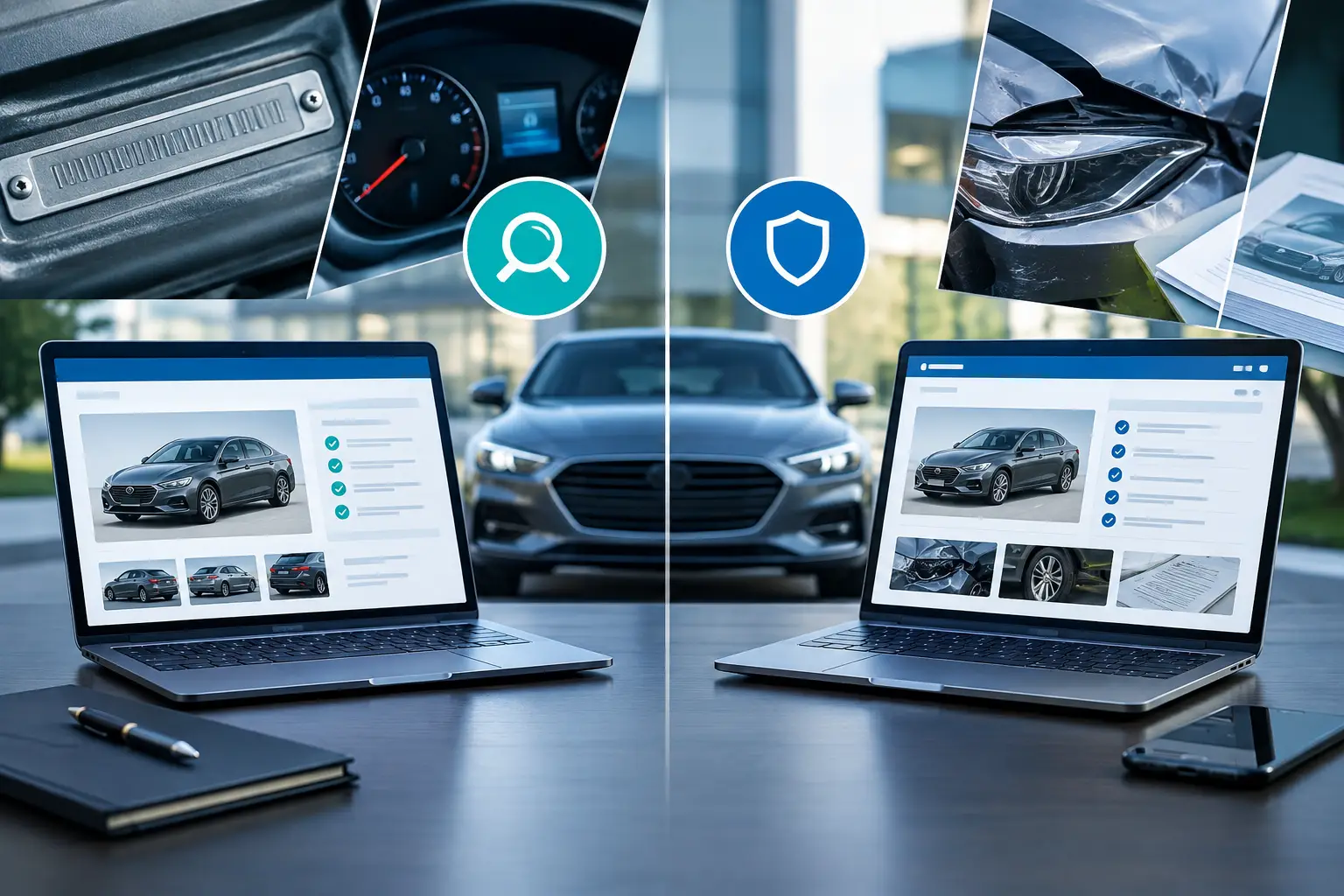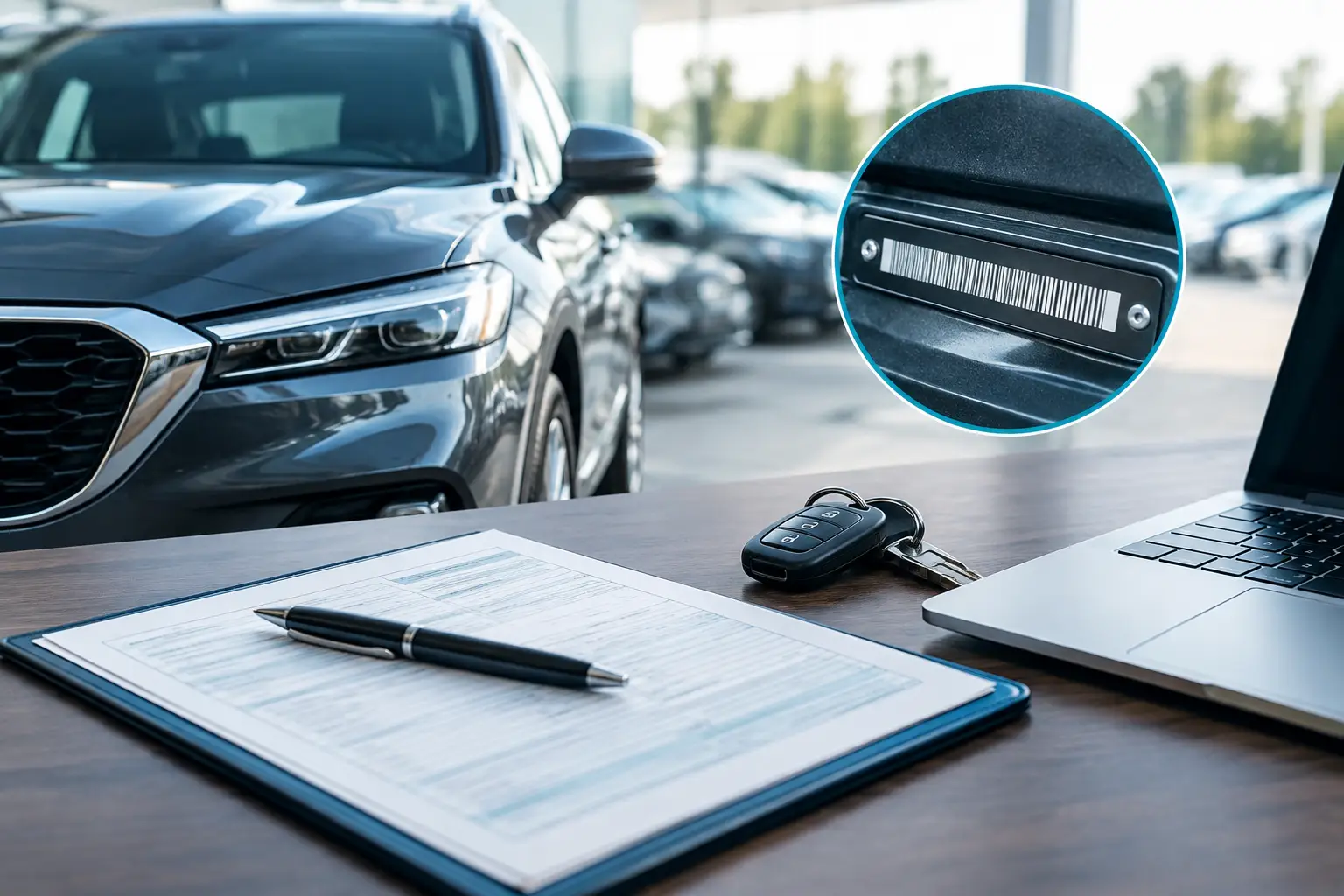
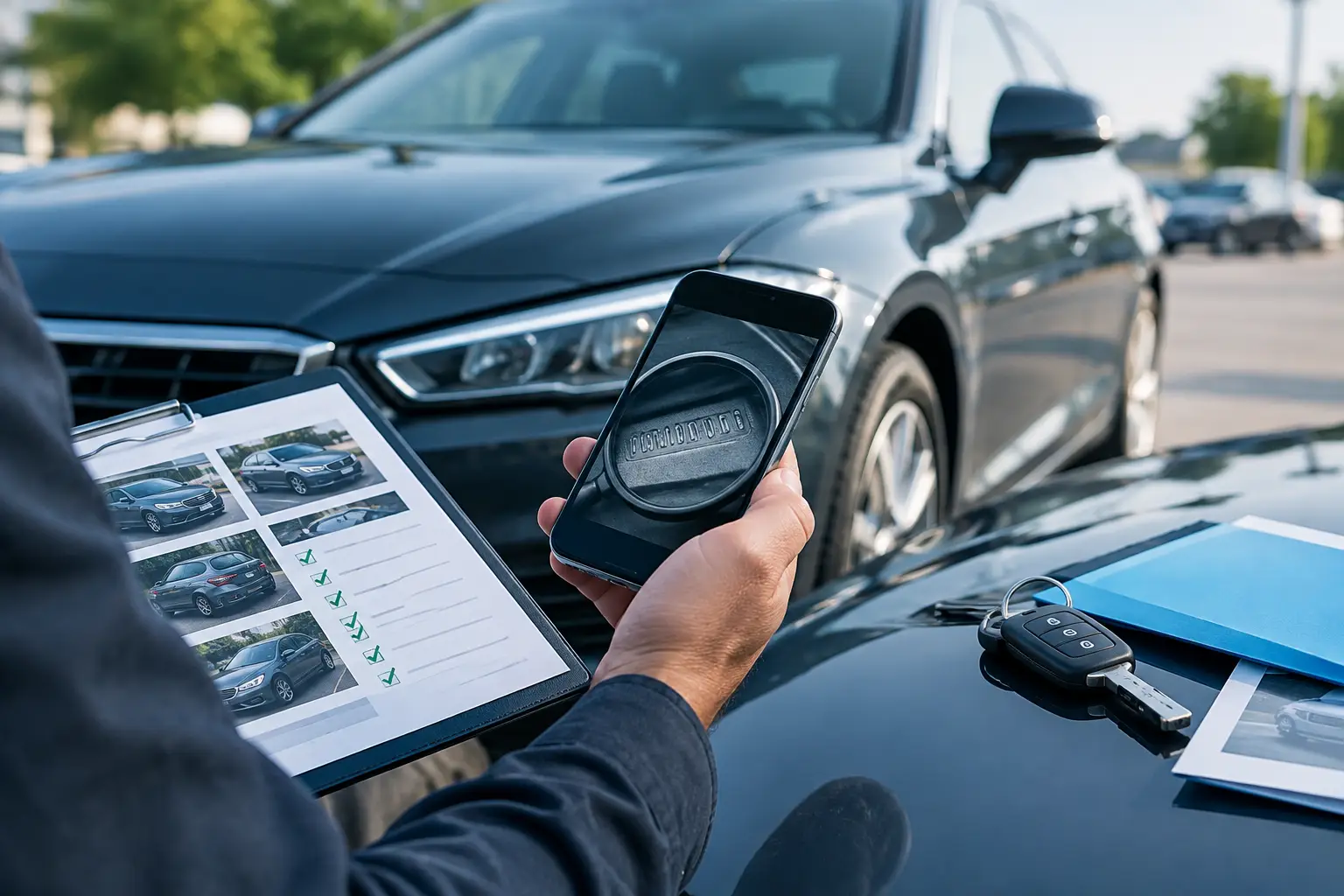
A clean-looking SUV with a low price, a rushed seller, and a “clear” title can be a costly combination. Used car fraud trends are increasingly built around the same information gap: the seller knows more about the vehicle than the buyer does. Your job is not to become a forensic investigator. It is to verify the facts that affect safety, ownership, and value before money changes hands.
For individual buyers, that means treating every vehicle as a claim that needs proof. For dealers, auction buyers, and fleet teams, it means building a repeatable screening process that catches risk before a questionable VIN enters inventory.
Used Car Fraud Trends to Watch Now
The most persistent scams are not always the most obvious. Fraud often appears as incomplete disclosure, altered paperwork, or a listing designed to move a buyer past normal due diligence. The vehicle may exist, drive well, and look excellent in photos while still carrying a history that changes what it is worth.
Title washing hides serious history
Title washing occurs when a vehicle with a branded title, such as salvage, rebuilt, flood, or lemon history, is moved through jurisdictions or paperwork processes that make that brand less visible. A seller may describe the title as clean without explaining prior damage or reconstruction.
A clean title alone is not a full condition report. Compare the current title status with historical title events, damage records, registration history, and auction activity. If the vehicle was declared a total loss, sold as salvage, or repeatedly changed hands after a major incident, ask for repair documentation and have an independent technician inspect the work.
There is a trade-off here. A properly repaired branded-title vehicle can be an appropriate purchase at the right price for a buyer who understands the risks. It should not be priced or represented like an equivalent vehicle with no major-loss history.
VIN cloning makes a questionable car look legitimate
VIN cloning involves using the identity of a legitimate vehicle on another vehicle, often one that is stolen or has a problematic history. Fraudsters may copy a VIN from a similar make, model, and trim, then alter a dashboard plate, door-jamb label, or documents to match.
The danger is not limited to theft. A cloned VIN can create registration problems, insurance disputes, repossession risk, and a vehicle that cannot be legally resold. Check that the VIN matches in every location available on the vehicle and paperwork. Look for inconsistent rivets, scratched plates, mismatched fonts, tampered labels, or a VIN that does not align with the vehicle’s stated specifications.
A VIN report is a critical first screen, but it is not a substitute for physically examining VIN locations. When the price is unusually low, the seller refuses an inspection, or the documents feel rushed or inconsistent, step away.
Odometer fraud has become harder to see, not less valuable
Modern digital odometers have reduced some old-fashioned tampering, but they have not eliminated mileage manipulation. Fraud can involve electronic changes, instrument-cluster replacement without proper disclosure, or paperwork that omits mileage events that would reveal an inconsistency.
Mileage should make sense across time. Compare recorded odometer readings from inspections, service events, title transfers, auctions, and prior listings. Also compare the mileage with the vehicle’s physical condition. Excessive wear on pedals, steering wheels, seat bolsters, and driver controls does not prove fraud, but it can justify deeper review.
An odometer discrepancy affects more than resale value. It can distort maintenance planning, warranty expectations, and the buyer’s understanding of remaining vehicle life. Treat unexplained mileage gaps as a decision point, not a minor paperwork issue.
Flood-damaged vehicles can be disguised as ordinary inventory
Flood vehicles are especially risky because cosmetic cleanup can hide the problem temporarily. The car may smell fresh, have clean carpeting, and show no visible water line. Corrosion in wiring, connectors, seat tracks, fasteners, and modules can emerge later as electrical faults, safety-system warnings, and intermittent no-start conditions.
Look beyond appearance. Check title and damage history, inspect under seats and in the trunk, and watch for new carpeting that does not match the vehicle’s age or trim. A pre-purchase inspection should include attention to corrosion, moisture evidence, electrical operation, and stored diagnostic trouble codes.
Not every water-related record means the vehicle is unusable. The key is disclosure, the extent of damage, repair quality, and price. A seller who avoids those questions is providing an answer of a different kind.
Fake listings are built to move the transaction off-platform
Some scams do not involve a real vehicle at all. Fraudulent listings often use attractive photos, a below-market price, and a story designed to explain why the seller cannot meet normally. Common pressure tactics include military deployment claims, urgent relocation, a third-party shipping arrangement, or a request for a deposit before you see the vehicle.
Do not send a deposit, wire transfer, gift-card payment, cryptocurrency payment, or payment through an unfamiliar escrow service to reserve a vehicle you have not verified. Confirm the seller’s identity, inspect the vehicle in person when possible, and make sure the titleholder, VIN, vehicle, and payment recipient all align.
A legitimate remote purchase can be done safely, but it requires more documentation and controls, not fewer. Use an independent inspection, verify title ownership directly, and avoid payment methods with no meaningful recovery path.
Curbstoning disguises a business seller as a private owner
Curbstoners sell vehicles as private individuals while operating as unlicensed dealers. The goal is often to avoid consumer-protection requirements, taxes, disclosure obligations, or accountability for repeated problem vehicles.
Warning signs include a seller with several vehicles listed, vague answers about ownership, a title that is not in the seller’s name, or an insistence on meeting in a parking lot rather than at a home or business. A title that has been signed but not transferred can indicate title jumping, which may leave the buyer unable to register the vehicle without locating a prior owner.
Verify who legally owns the vehicle before payment. If the seller cannot show a valid title in their name and explain the transaction clearly, do not assume the paperwork will work itself out later.
Build a Verification Process Before You Negotiate
Fraud prevention works best when it happens before you become attached to a specific car. Price negotiations should come after identity, title, condition, and history checks, not before them.
For a private-party purchase, use this sequence:
- Match the VIN on the vehicle, title, registration, and history report.
- Review title brands, theft and recovery records, ownership events, damage history, and odometer readings.
- Compare the asking price with the vehicle’s condition, history, and local market value.
- Get a pre-purchase inspection from an independent mechanic, especially after an accident, flood, or salvage record.
- Confirm the seller’s identity and legal authority to sell before using a traceable payment method.
For dealer and fleet workflows, the same controls need to happen at scale. A VIN-by-VIN review is useful, but it becomes slow and inconsistent when data is scattered across disconnected reports. A centralized workflow that lets teams compare title status, accident history, odometer events, recalls, valuations, and risk signals side by side can reduce missed red flags during appraisal or acquisition.
DriveEvidence is designed for that kind of decision process, pairing verified vehicle data with a 0-100 DriveEvidence Score so buyers and teams can quickly prioritize which vehicles need more review. A score should guide the next question, not replace judgment. A low-risk history does not remove the need for an inspection, and a higher-risk history does not automatically make a vehicle a bad purchase if the facts are disclosed and the price reflects them.
When a Red Flag Is Not Proof of Fraud
A history report can show accidents, title events, or mileage gaps without proving intentional deception by the current seller. Records can be delayed, incomplete, or reported differently across states and service providers. That is why the strongest buying decision combines records, documents, a physical inspection, and direct questions.
What matters most is whether the seller’s story matches the evidence. A transparent seller can explain an accident, provide repair receipts, allow an inspection, and price the vehicle accordingly. A risky seller changes the story, discourages verification, or creates urgency around payment.
The best time to walk away is before you have paid a deposit, arranged financing, or convinced yourself that this is the only vehicle available. There will always be another listing. There may not be another chance to avoid a vehicle with hidden legal, safety, or financial risk.