A clean-looking used car can still carry a salvage title, a mileage discrepancy, unrepaired recall work, or damage that changes what it is worth. That is why the VIN lookup vs Carfax question is not really about picking a familiar name. It is about understanding what vehicle data you can verify, what may be missing, and whether the information supports the price and condition of the car in front of you.
For a buyer evaluating one vehicle, a basic lookup may be a useful first screen. For a dealer, auction buyer, or fleet manager reviewing several VINs, the real value is in fast comparison and clear risk signals. The report matters, but so does the workflow around it.
VIN Lookup vs Carfax: The Core Difference
A VIN lookup is a broad term. It describes searching a vehicle identification number to retrieve information attached to that specific vehicle. Depending on the service and access level, a lookup can return basic specifications, model year, trim, engine details, recall information, title data, theft records, odometer readings, ownership events, accident or damage indicators, and valuation data.
Carfax is a specific commercial vehicle-history-report provider. Its reports are built from records supplied by sources such as state motor vehicle agencies, repair facilities, insurers, auctions, police departments, and other partners. When people say they want to “run a Carfax,” they usually mean they want a detailed history report before committing to a used vehicle.
The distinction matters because not every VIN lookup is a full history report. A free lookup may confirm that a VIN decodes to a 2021 SUV with a particular engine and identify open recalls, but it may not show the title events, reported damage, mileage history, or ownership timeline needed to assess purchase risk. Conversely, a paid report can provide much more context, but it should never replace an inspection, test drive, or independent mechanical review.
What a Basic VIN Lookup Can Tell You
A VIN is a 17-character identifier assigned to a vehicle. It is not a full biography of the car by itself, but it opens the door to records connected to that identifier. A basic VIN lookup is useful when you need answers quickly before investing more time in a listing.
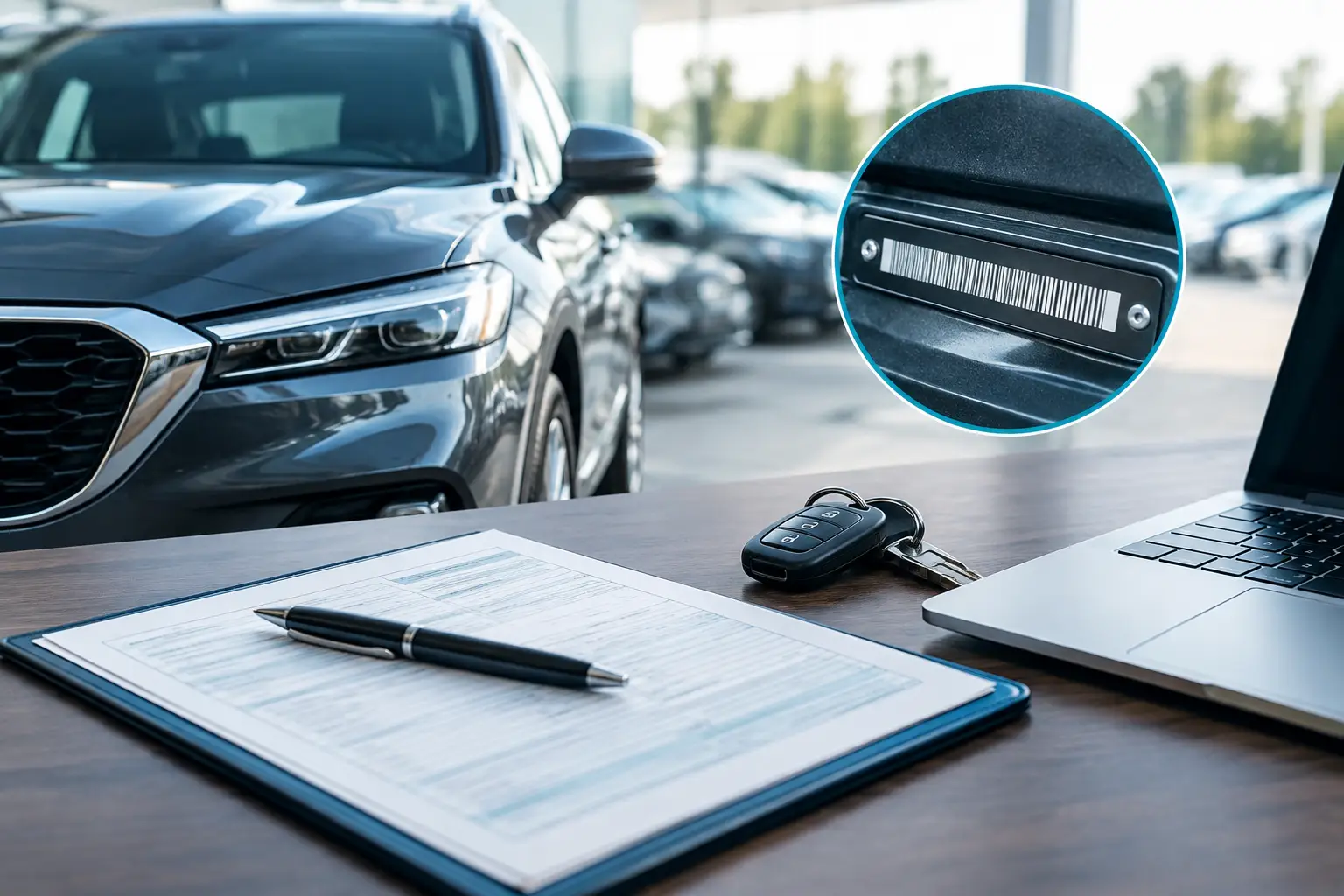
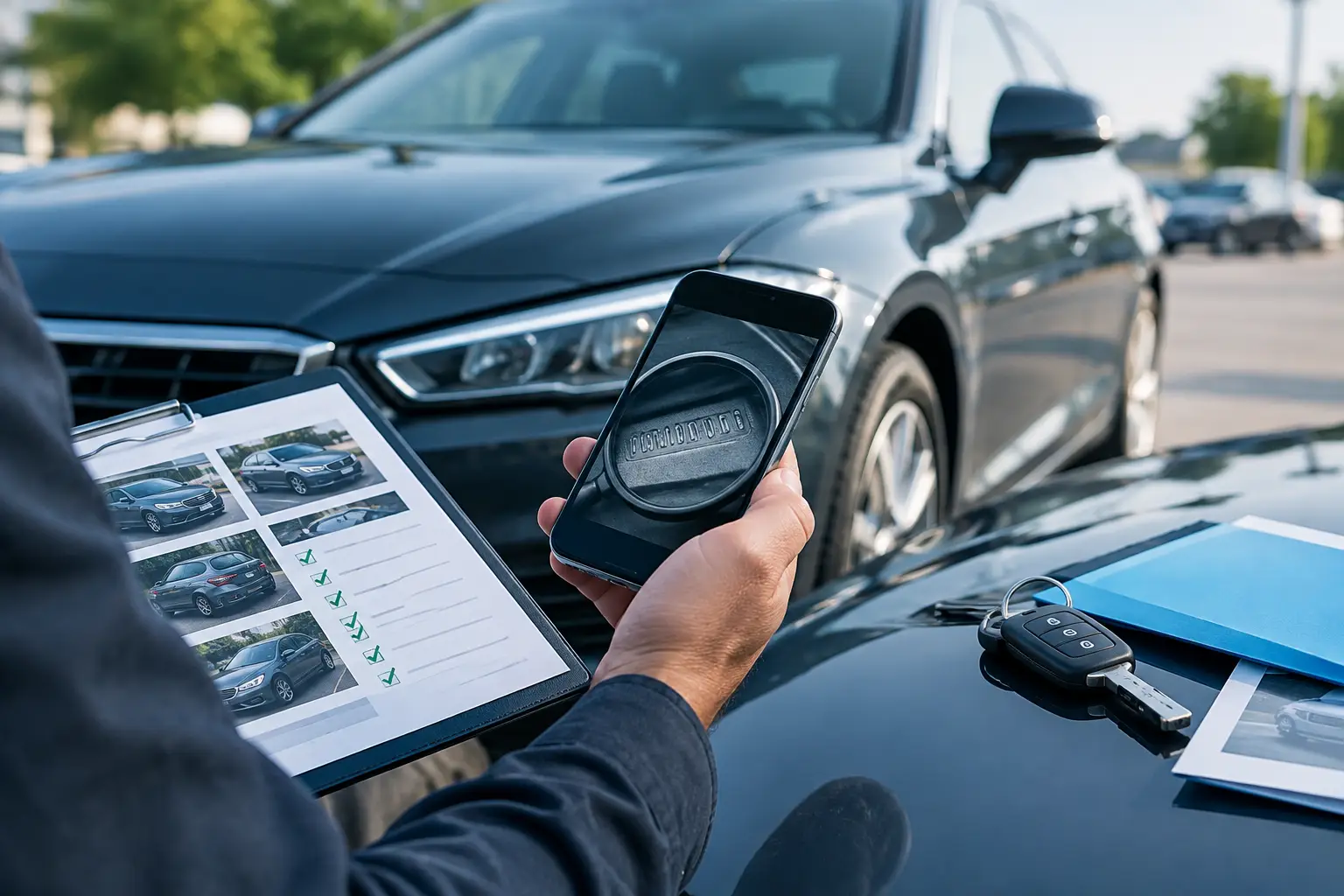
Start by confirming that the VIN matches across the dashboard, driver-side door jamb, title, registration, and seller documentation. A mismatch is not a minor paperwork issue. It can point to an error, a title problem, fraud, or a vehicle assembled from mismatched parts.
A lookup can also verify the vehicle’s core identity. Check the year, make, model, body style, engine, drivetrain, and trim against the listing. Sellers sometimes unintentionally list the wrong trim, while others may use a higher-value trim description to support an inflated asking price. Options such as all-wheel drive, hybrid powertrains, advanced driver-assistance features, and towing packages can materially affect value.
Recall information is another strong reason to begin with a VIN. An open safety recall does not automatically make a vehicle a bad buy, especially when the manufacturer can complete the repair at no cost. But it gives you a concrete question for the seller: Has the work been performed, and can they provide documentation?
Where a Free Lookup Can Fall Short
Free VIN results are often designed as a preview, not a complete decision tool. They may show only specifications and recalls, or they may provide a limited set of history indicators without the underlying timeline. That can be enough to eliminate an obviously wrong listing. It is rarely enough to price a vehicle confidently.
The gap is especially significant with used cars that have changed hands frequently, moved across state lines, or passed through auctions. A buyer needs to know not just whether a record exists, but when it appeared and how it relates to the vehicle’s current condition. A title brand reported years ago, for example, deserves a different conversation than a recent damage event followed by a quick resale.
No report can capture every incident. Damage repaired outside insurance channels may not be reported. A service shop may not contribute records. An accident can happen before a reporting source receives or shares the event. Treat a clean report as a useful data point, not proof that the vehicle has never been damaged.
What Carfax Reports Are Built to Provide
Carfax is commonly used because it aims to turn multiple source records into a vehicle history timeline. Depending on the vehicle and available reporting, a report may include title information, registration events, reported accidents or damage, service history, odometer readings, ownership history, use classifications, and recall status.
That breadth can be valuable when the seller’s story needs verification. If a listing says “one owner, no accidents, low miles,” the report gives you a way to test each claim against recorded events. It can also reveal patterns that a seller may not mention, such as commercial use, rental history, repeated short-term ownership, or mileage entries that do not track logically over time.
Still, a Carfax report is not a vehicle condition certificate. It does not tell you whether the transmission shifts properly, whether flood contamination remains hidden under carpeting, or whether a prior collision repair was completed to a high standard. Use it to identify where to look harder, not to skip due diligence.
Compare the Data, Not Just the Brand
The better question is not, “Is a VIN lookup better than Carfax?” It is, “What evidence do I need for this transaction?” The answer changes with the vehicle, price point, and your role in the purchase.
For a low-cost daily driver from a trusted private seller, you may start with a basic lookup to confirm specs and recalls, then purchase a fuller report if the car passes your initial review. For a late-model truck, luxury vehicle, enthusiast car, or vehicle with an unusually low asking price, a deeper history review should happen before you travel, negotiate, or place a deposit.
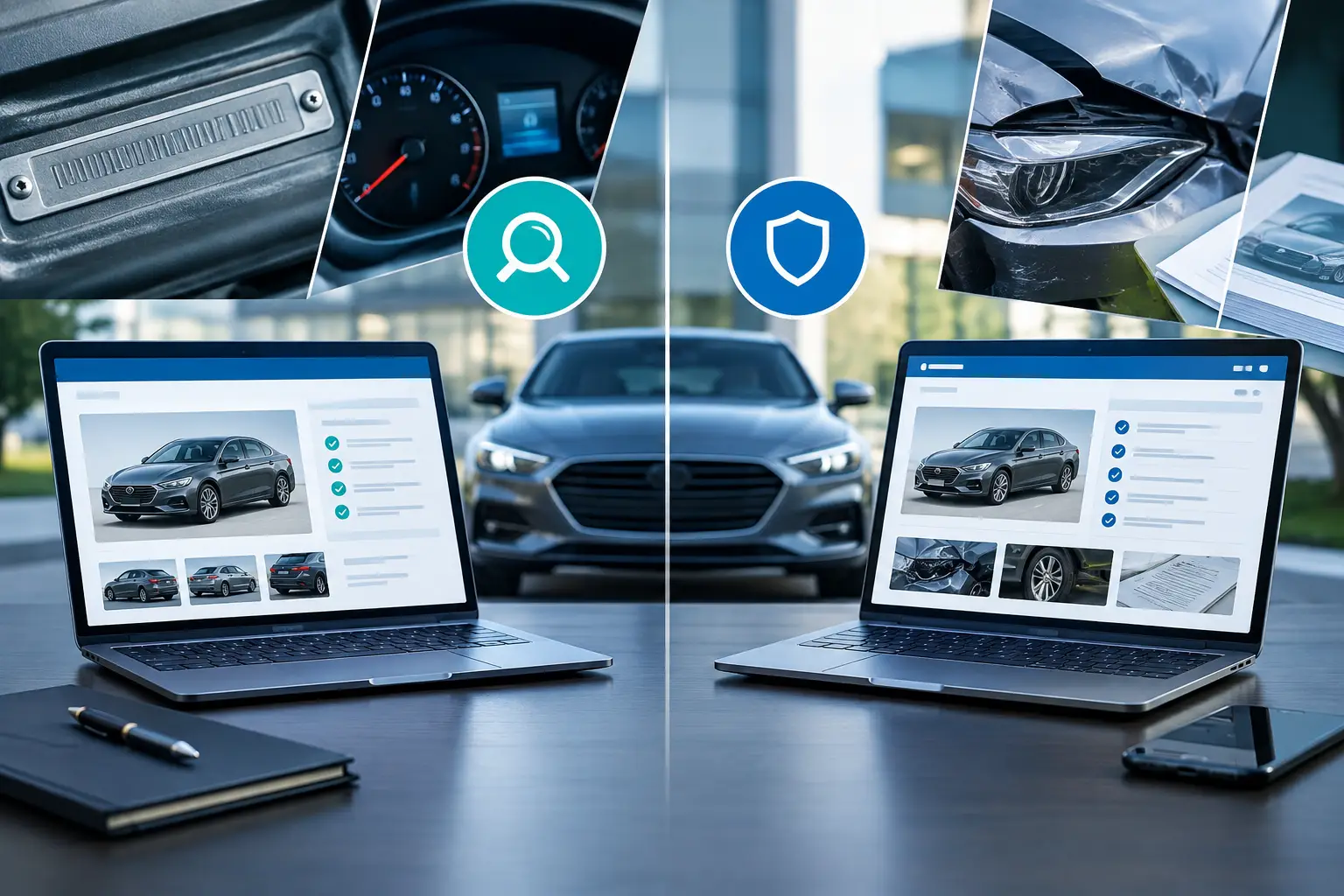
Professionals need more than one report at a time. An independent dealer comparing auction inventory may have ten vehicles that appear similar on paper. The winning acquisition is not necessarily the one with the lowest bid. It may be the vehicle with the cleaner title path, more consistent odometer sequence, fewer unresolved recalls, lower history risk, and stronger market position.
This is where an all-in-one comparison workflow is more useful than disconnected reports. A platform such as DriveEvidence can combine verified vehicle records with a 0-100 DriveEvidence Score, giving buyers and teams a clear risk signal alongside the details that produced it. Instead of opening reports one by one, users can save, compare, sort, and export vehicles for a more defensible buying decision.
The Red Flags Worth Acting On
A report should change your next step when it shows evidence that affects safety, legality, insurability, or resale value. Title brands such as salvage, rebuilt, flood, lemon, or junk demand careful review because their meaning and impact vary by state and insurer. Ask for repair records, photographs from before the repair when available, and an inspection from a qualified technician who understands structural and flood damage.
Odometer inconsistencies deserve the same level of attention. One mistaken entry can occur, but a mileage sequence that moves backward or jumps dramatically should never be dismissed without documentation. The same applies to a sudden gap in reported history followed by a fresh listing at a suspiciously attractive price.
Reported accident damage requires context. A minor cosmetic claim and a severe collision are not equivalent. Look for the date, the type of event, any available repair or service records, panel alignment, paint variation, tire wear, warning lights, and signs of water intrusion. If the price does not account for a material history event, negotiate accordingly or walk away.
A Smarter Pre-Purchase Workflow
Use the VIN before you get emotionally attached to the vehicle. Confirm the VIN matches the car and the paperwork, verify basic specifications, and check for open recalls. Then review a detailed history report for title status, ownership patterns, odometer readings, theft records, reported damage, and prior use.
Next, compare the report with what the seller says. A transparent seller should be able to explain a title event, a repair, a mileage anomaly, or a gap in history. Vague answers are information too. Finally, pair the data with an independent pre-purchase inspection and a market-value check. Records tell you where risk may exist. A trained technician tells you whether that risk is still present.
The best report is the one that helps you make a clear decision before money changes hands. Verify the VIN, examine the evidence, and let unanswered questions be a reason to pause, not a reason to hope.