A clean-looking title is not the same thing as clear ownership. Lien records can reveal that a bank, credit union, repair shop, towing company, or government agency may still have a legal claim to a vehicle. If that claim is unresolved, the seller may not be able to transfer full ownership to you - even if they have the keys, the vehicle is parked in their driveway, and the price looks right.
For buyers, a lien is a transaction-stopper until the facts are verified. For dealers, auction buyers, and fleet teams, it is a condition that needs a documented resolution before a vehicle enters inventory or changes hands. The goal is simple: confirm who has the right to sell the vehicle and whether anyone else still has the right to claim it.
What Are Lien Records?
A lien is a legal interest in property used to secure a debt or obligation. With vehicles, the most common example is an auto loan. The lender provides financing, and the vehicle serves as collateral until the borrower pays the loan in full.
Lien records are the documents or database entries that show this claim. Depending on the state, lien information may appear on the paper title, electronic title record, vehicle registration data, or related filings. A record may identify the lienholder, the vehicle identification number, and sometimes the date the lien was recorded.
The presence of a lien does not automatically mean the vehicle is a bad purchase. Many financed vehicles have legitimate liens. The issue is whether the lien will be paid off and formally released as part of the sale. Until that happens, the buyer may not receive a clear title.
Why a Vehicle Lien Can Disrupt a Sale
A seller with an outstanding loan may have less equity in the vehicle than the agreed purchase price. If the sale proceeds are not enough to satisfy the loan, the lender may not release its interest. That leaves the buyer exposed to a vehicle they paid for but cannot properly title, register, refinance, or resell.
The risk rises in private-party transactions because payment, payoff, and title release often happen on different timelines. A seller may promise to pay the lender after receiving your money. That can work, but a promise is not proof. The lender controls the lien release, not the seller.
A lien can also surface after a purchase if a vehicle was improperly transferred, acquired through an estate, sold by a business with unpaid obligations, or subject to a mechanic's or storage claim. State rules vary, as do the procedures for resolving these situations. What does not vary is the need for documentation.
The Lien Records You Should Check
Start with the title itself. In many states, it lists the lienholder directly. Some states use electronic titles, meaning the lender or state motor vehicle agency holds the authoritative title record until payoff. A missing paper title is not always a red flag, but it requires a clearer verification process.
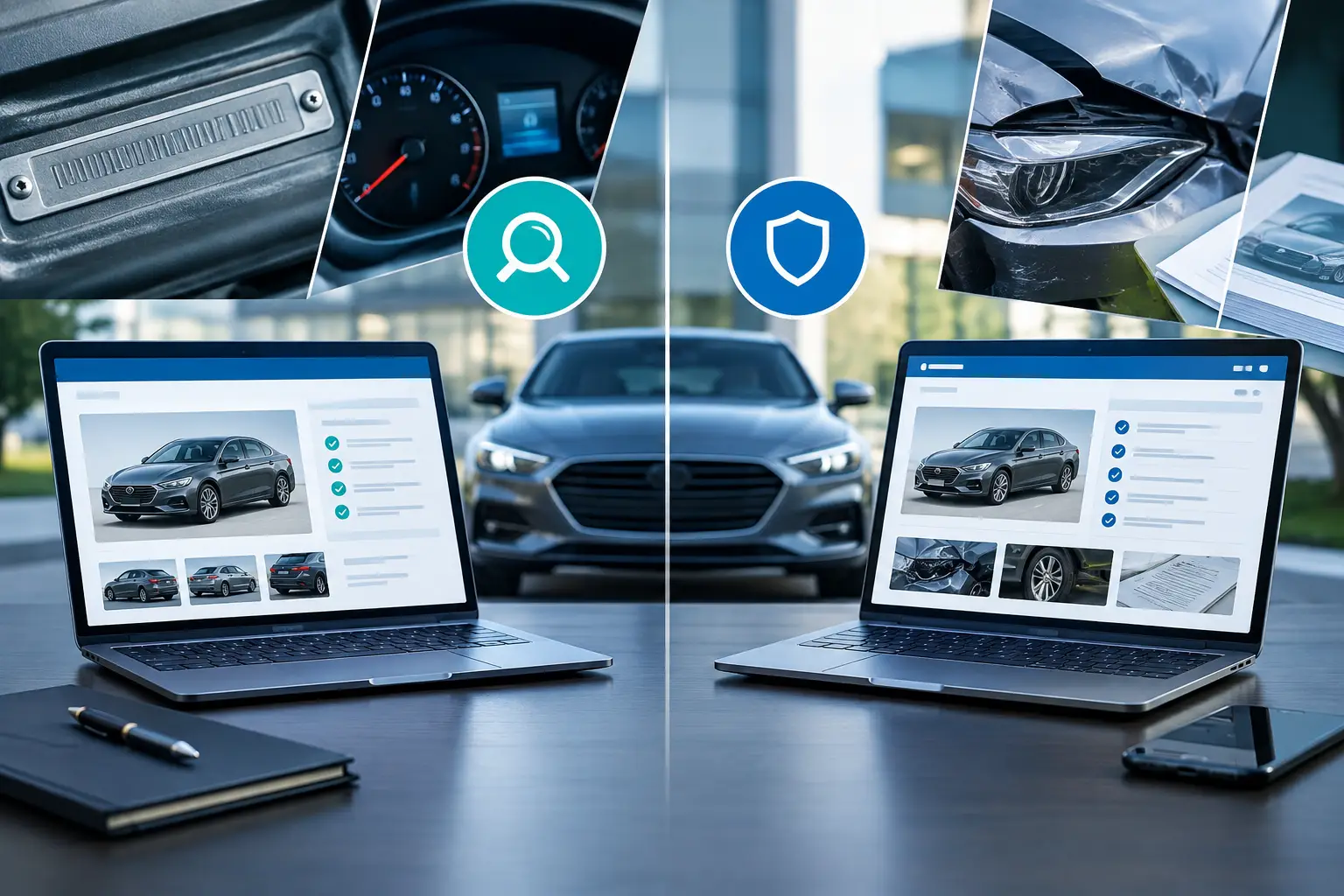
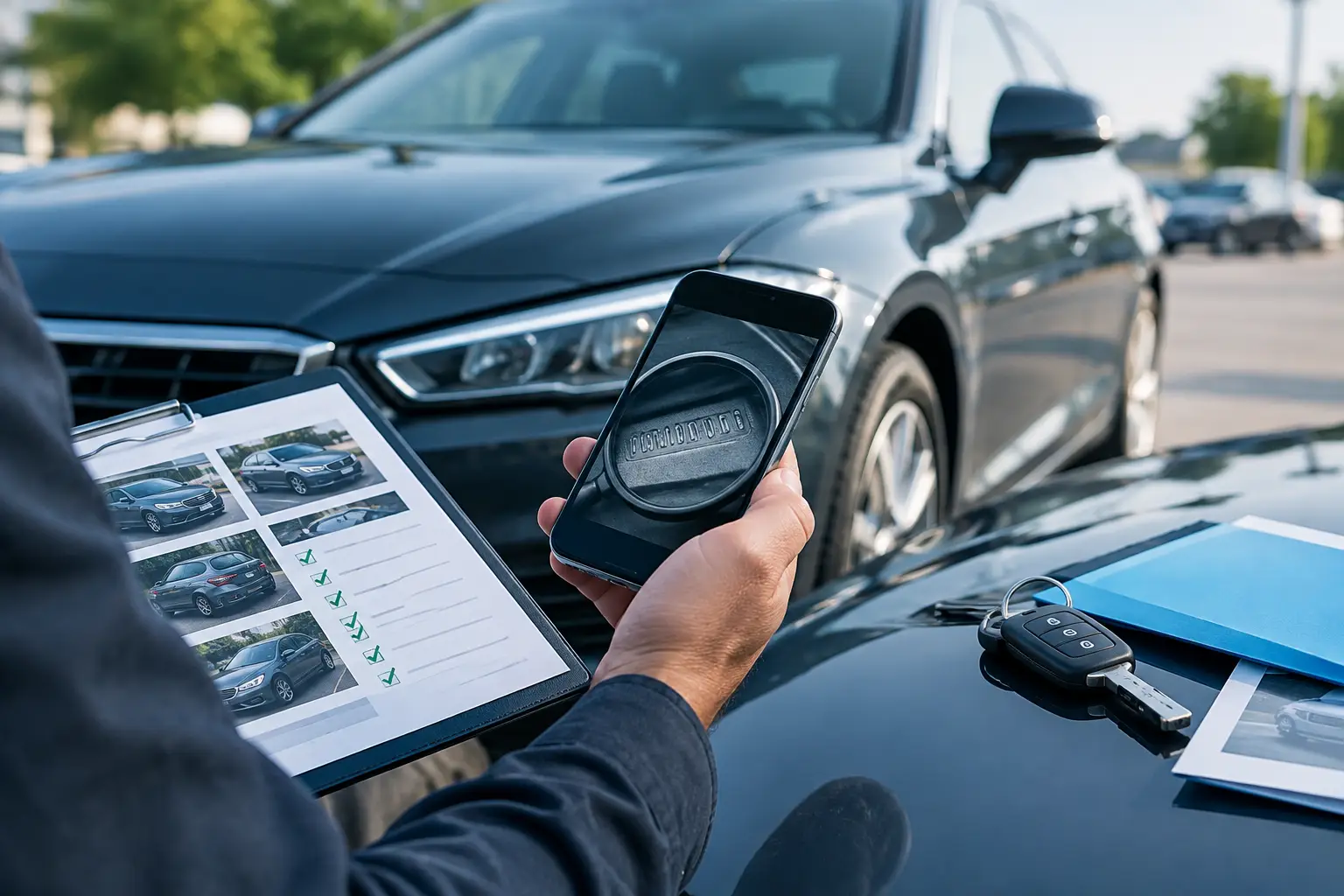
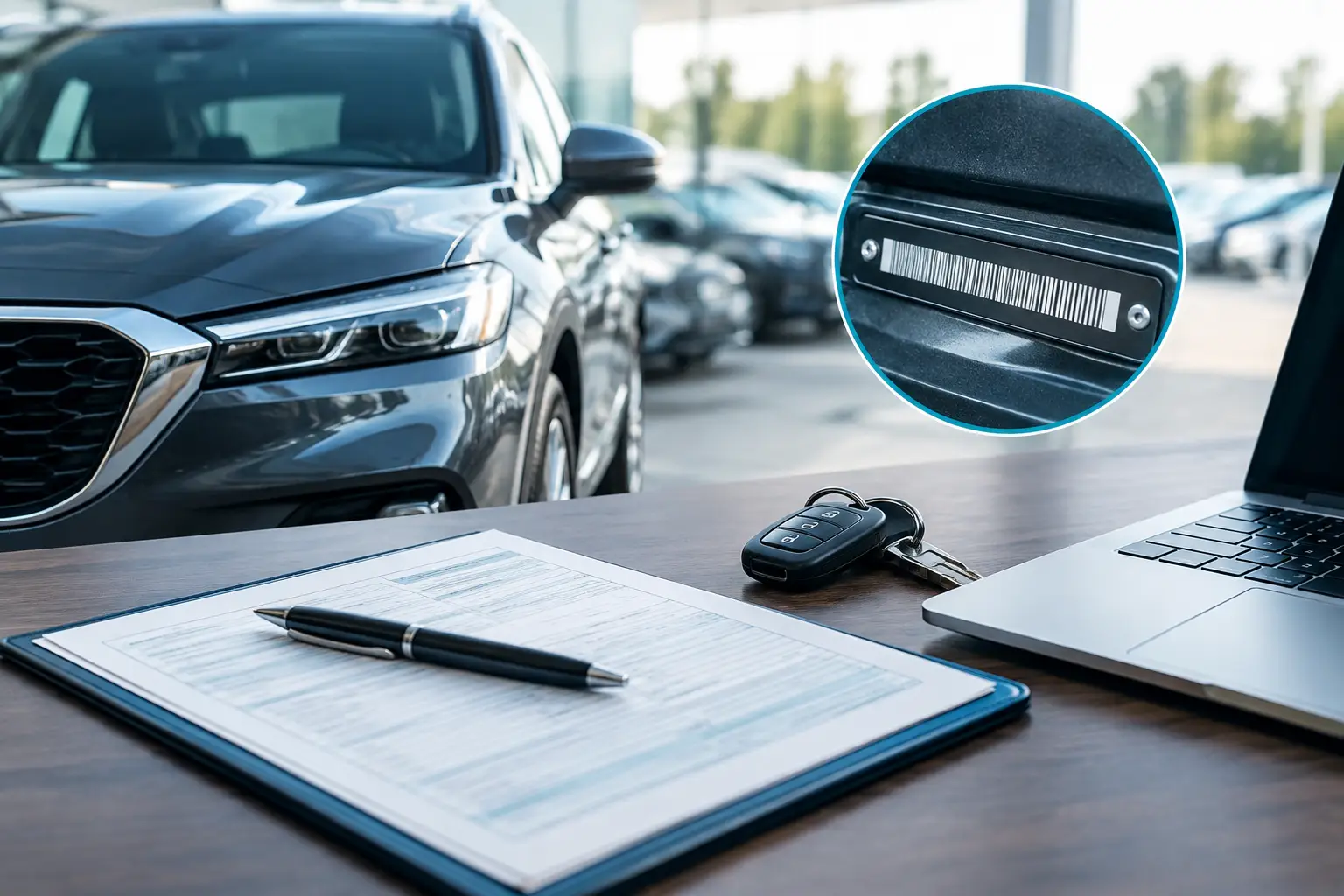
Next, compare every identifying detail. The VIN on the title, registration, vehicle dashboard, door-jamb label, and vehicle history report should match exactly. One incorrect digit can point to a paperwork error, a swapped document, or a much more serious identity issue.
You should also ask whether the lien has been satisfied. If the seller says the loan is paid off, request the lien release or payoff confirmation. A paid-off loan does not always disappear from every record immediately. That delay can be normal, but the seller should be able to explain the status and provide paperwork that supports it.
For a vehicle with an active lien, verify the lender's payoff process before sending funds. Confirm the payoff amount, where payment must go, how the title will be released, and who receives it. Do not rely solely on a screenshot, an old account statement, or a verbal assurance that the lender has been contacted.
A Safer Way to Buy a Car With an Active Lien
Buying a financed car is possible, but the transaction needs more control than a standard private sale. The safest approach is often to complete the transaction with the lienholder involved. That may mean meeting at the bank or credit union, sending the payoff directly to the lender, and obtaining written confirmation of the lender's release process.
If the payoff exceeds the purchase price, the seller needs to bring the difference. Do not assume the lender will release the title because you paid the seller's asking price. The lender is concerned with the full outstanding balance, including any applicable fees or interest through the payoff date.
The title release timeline matters as well. Some lenders release electronic titles directly to the state, while others mail a paper title or release document to the owner after processing. If you need immediate registration, ask how your state handles temporary tags and pending-title transactions. A legitimate delay may be manageable; an unclear answer is not.
Keep a complete file of the transaction. Save the signed bill of sale, VIN, payoff statement, proof of payment, lender communications, lien release, title documents, and any temporary registration paperwork. These records protect you if a title question appears weeks or months later.
When a Lien Is a Walk-Away Red Flag
Not every unresolved lien can be fixed at the curb. Walk away, or pause the transaction, when the seller cannot provide a title or explain who holds it. The same applies if the VIN does not match across documents, the claimed lender cannot be verified, or the seller insists on cash while discouraging contact with the lienholder.
Be cautious when the asking price is far below market value and the seller pressures you to act immediately. A low price can reflect a legitimate need to sell, but it can also be used to make buyers overlook title problems. The cost of a vehicle is not just the purchase price. It is also the cost of making it legally yours.
For dealers and fleet buyers, unresolved lien issues can create inventory aging, title delays, customer disputes, and capital tied up in vehicles that cannot be retailed. Build lien verification into acquisition procedures rather than treating it as a final paperwork task. A VIN-based review can help identify title status and other history signals early, while title and lien documents confirm whether the transfer can close cleanly.
Lien Records Are Only One Part of the Risk Picture
A lien check should never replace a broader vehicle review. A vehicle can have clear title ownership and still carry other costly concerns, including salvage or rebuilt branding, accident damage, theft history, odometer inconsistencies, open recalls, or mismatched identity information.
That is why serious buyers compare the title record with the VIN, condition, service documentation, and vehicle history. DriveEvidence helps organize those vehicle-level signals in one place, including title status, ownership history, odometer verification, accident data, recalls, and a risk-based score. It gives you a faster way to spot questions worth asking before you commit.
The right decision is not always to reject a vehicle with a lien. It is to proceed only when the payoff and release process is verified, documented, and workable for your timeline. Before money changes hands, make sure the vehicle can change hands too.