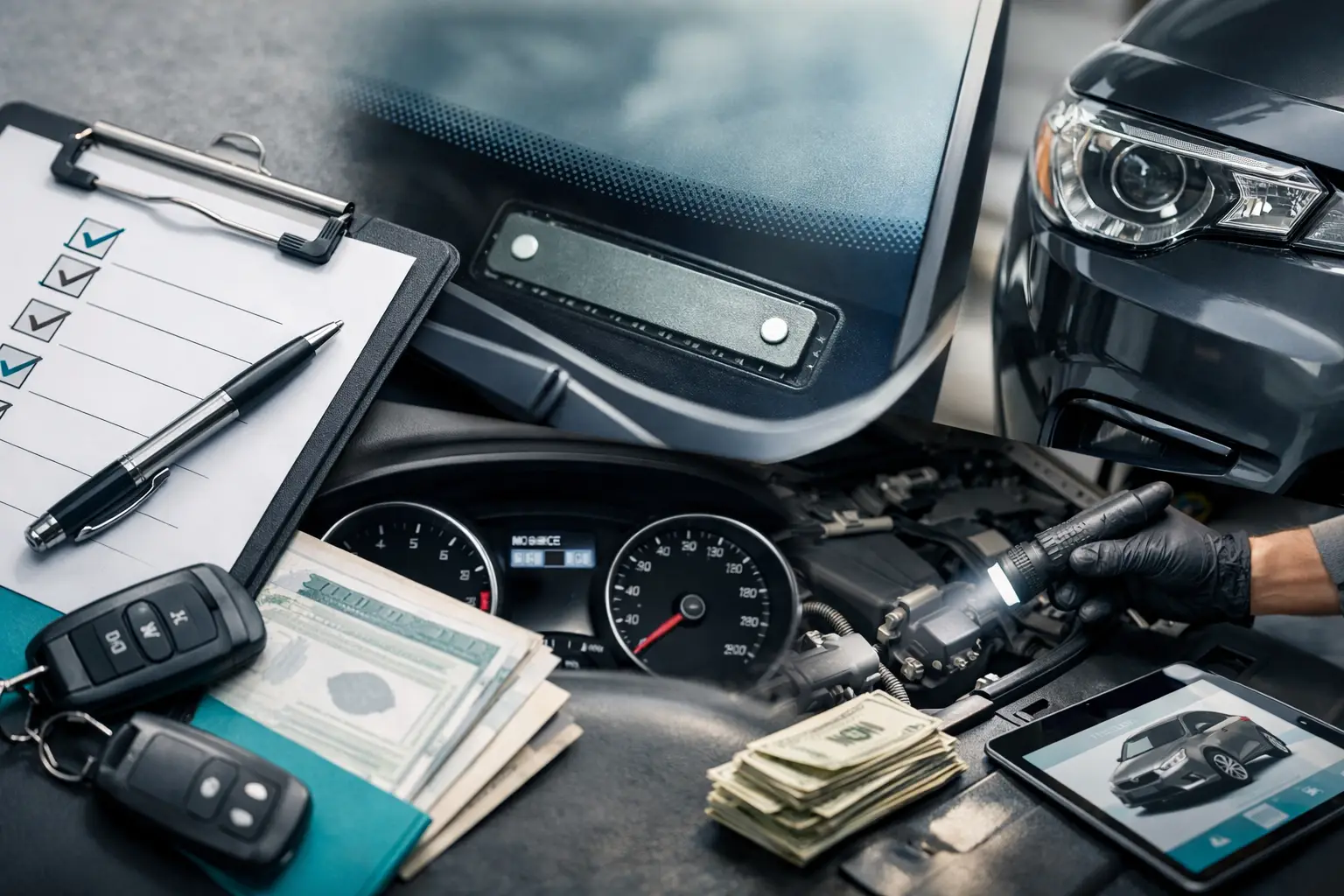
A clean exterior, a convincing seller, and a low asking price can make a used vehicle feel like a quick win. Your pre purchase VIN checklist is where that first impression gets tested against the record. Before a deposit changes hands, the VIN can reveal whether the vehicle’s story holds up - or whether critical details are missing.
The vehicle identification number is more than a serial number on the dashboard. It connects the car, truck, SUV, or motorcycle to records involving title status, reported damage, theft, odometer readings, recalls, and specifications. It will not replace a road test or a professional inspection, but it gives you the evidence needed to decide what deserves a closer look.
Start With the VIN Itself
Before reviewing history, confirm that the VIN belongs to the vehicle in front of you. Check the 17-character VIN through the windshield on the driver’s side, on the driver’s door jamb label, and on the title or registration. The characters should match exactly.
A mismatch is not a minor paperwork issue. It can point to a clerical error, a title problem, replaced components, or potential VIN tampering. If a seller cannot provide a clear explanation and supporting documents, stop the transaction until the discrepancy is resolved.
Also confirm that the VIN decodes to the advertised year, make, model, body style, engine, and drivetrain. A listing can be wrong by accident. It can also be written to make a lower-trim or differently equipped vehicle appear more valuable than it is.
The Pre Purchase VIN Checklist
1. Verify title status and title brands
A vehicle can have a title and still carry a history that changes its value, financing options, insurance availability, and resale potential. Look for title brands such as salvage, rebuilt, flood, junk, lemon, buyback, or not actual mileage.
A rebuilt title is not automatically a deal breaker. The right vehicle may be a sensible purchase when repairs are fully documented, the price reflects the risk, and an independent inspection supports the seller’s claim. But a branded title should never be valued like a clean-title equivalent. Flood damage and junk designations deserve particular caution because long-term electrical, corrosion, and structural issues can be difficult to diagnose from a walk-around.
2. Review reported accidents and damage events
Look beyond a simple accident label. The useful questions are when the event occurred, where the impact was reported, whether airbags deployed, and whether the vehicle later received a salvage or rebuilt brand.
Not every accident creates the same risk. A documented minor cosmetic claim may have little effect on reliability. Multiple impact events, structural damage, or damage followed by a rapid resale call for deeper scrutiny. Compare the reported timeline with repair invoices, photos, and the condition of body panels, paint, tires, and safety systems.
Vehicle-history data may not capture every repair, especially if an owner paid out of pocket. That is why records and an inspection work together. History reporting identifies questions. A qualified technician helps answer them.
3. Check odometer history for consistency
Odometer fraud does not always look dramatic. A mileage reading that is simply lower than an earlier inspection, registration, auction, or service record is enough to create a serious concern. Gaps can matter too, especially when a vehicle appears to have unusually low mileage for its age and use.
Read the odometer in the vehicle, then compare it with the history timeline. Wear should make sense for the mileage shown. Heavy pedal wear, a sagging driver’s seat, worn switchgear, and a polished steering wheel do not prove rollback, but they can conflict with a low-mileage claim.
If the record indicates an odometer discrepancy or mileage cannot be verified, price the vehicle as a higher-risk purchase. For dealers and fleet buyers, this is also a disclosure and remarketing issue, not just a valuation issue.
4. Search theft and recovery records
Verify whether the vehicle has been reported stolen or recovered. A recovered theft vehicle may have no major mechanical issue, but the circumstances matter. It could have missing keys, damaged locks, stripped components, electrical modifications, or an insurance history that affects the title.
Never rely on a seller’s reassurance when ownership documentation is unclear. Confirm that the seller’s name, title, VIN, and lien status align. If there is an active lien, establish exactly how it will be paid and how the title will be transferred before releasing funds.
5. Review ownership and registration patterns
Ownership history provides context rather than a verdict. One long-term owner with routine service records can be reassuring. Several short ownership periods may be completely normal for a leased vehicle, dealer inventory, or an enthusiast car. They can also signal a problem that each owner chose not to solve.
Look for abrupt changes in state registration, repeated auction activity, or a recent title transfer just before the sale. These patterns are not proof of a bad vehicle, but they are reasons to ask better questions. A transparent seller should be able to explain how long they owned it and why they are selling.
6. Confirm open recalls and safety information
Open recalls should be addressed before or immediately after purchase. Some recalls involve minor software updates, while others concern airbags, fuel systems, braking components, or fire risk. Verify the recall by VIN because coverage and repair status are vehicle-specific.
Ask whether recall repairs have been completed and request documentation when available. A dealership may be able to complete eligible recall work at no charge, but parts availability and scheduling can vary. If the repair is critical and parts are backordered, factor that limitation into your decision.
7. Match specifications and factory equipment
Use the VIN to verify the original build information. Confirm the engine, transmission, drivetrain, trim, cab or body configuration, and major factory options. This protects you from paying premium money for a vehicle that is not what the listing claims.
It matters most with vehicles where configuration drives value: four-wheel-drive trucks, performance trims, luxury packages, towing equipment, EV battery variants, and collector models. An aftermarket badge, wheels, or infotainment upgrade does not change the underlying VIN specification.
8. Compare the asking price with market value
A low price can be an opportunity, but it can also be the market pricing in risk that has not been clearly disclosed. Use verified specifications, mileage, title condition, location, and history to compare the asking price with similar vehicles.
Market value is a range, not a guarantee. A clean, well-maintained example with records may justify the high end. A vehicle with accident history, a branded title, missing maintenance documentation, or needed repairs belongs lower. The goal is not to force a seller to accept a number. It is to avoid overpaying for an unknown condition.
9. Check the timeline for gaps and contradictions
The strongest VIN review is a timeline review. Put title events, mileage readings, damage reports, registrations, service entries, auction appearances, and ownership changes in order. Then look for contradictions.
For example, a vehicle listed as accident-free may show a damage event before a rebuilt title. A seller may describe it as a local one-owner vehicle even though the record shows repeated registrations across states. These details may have legitimate explanations, but the burden is on the seller to provide proof.
10. Use the report to plan an inspection and negotiation
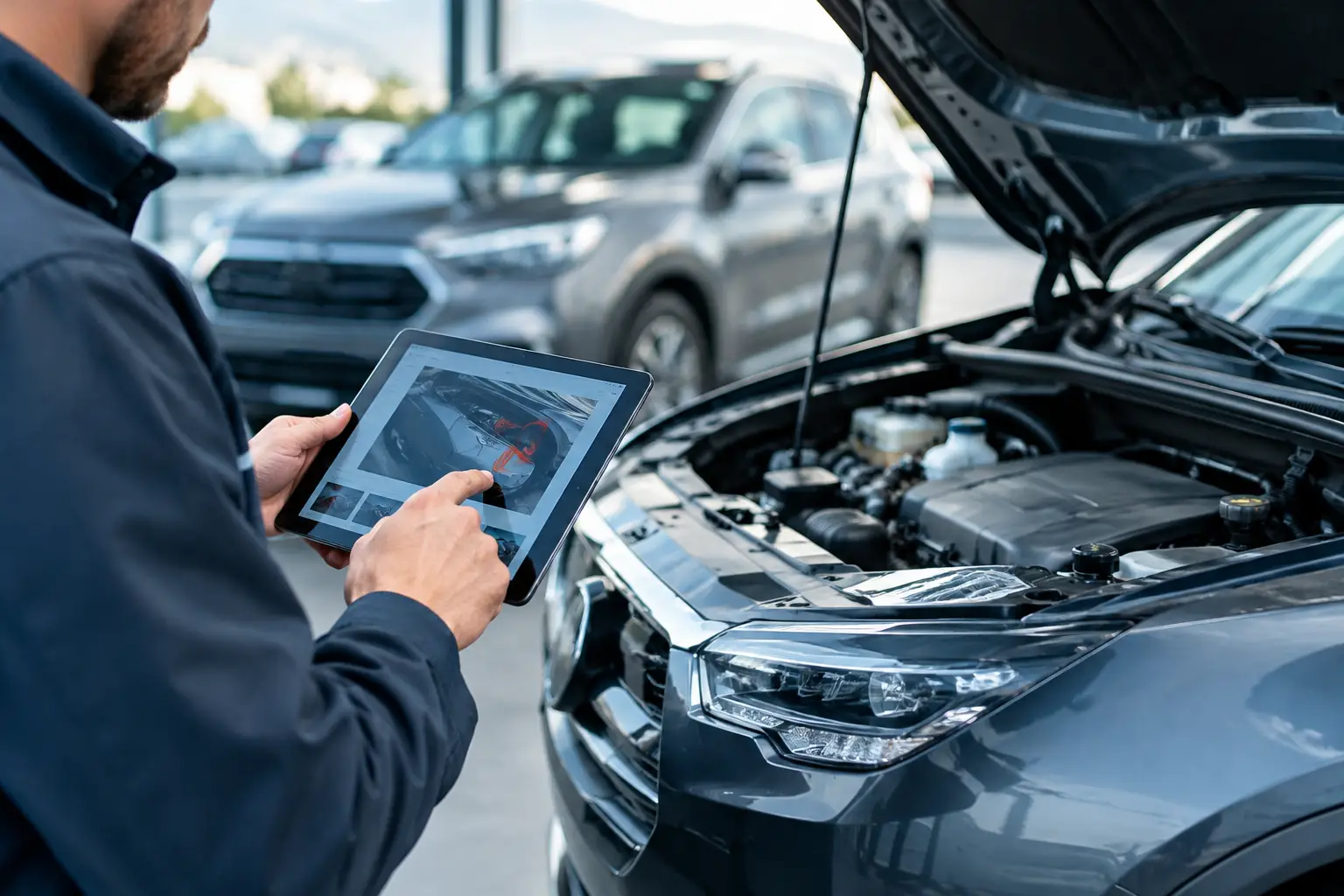
A VIN report is most valuable before you see the vehicle, not after you have emotionally committed to it. Bring the findings to an independent pre-purchase inspection. Ask the technician to focus on the areas the history makes relevant: frame and suspension repairs after a collision, corrosion after a flood record, diagnostic trouble codes, airbag operation, tire age, battery health, and signs of poor repair quality.
Then negotiate from evidence. If the record supports a clean, consistent history and the inspection is favorable, you can proceed with greater confidence. If the report reveals unresolved risk, you have three sound options: request documentation or repairs, renegotiate the price, or walk away.
Make VIN Research Faster When Comparing Vehicles
For a single vehicle, a careful VIN review can prevent an expensive mistake. For buyers comparing several listings, independent dealers sourcing inventory, or fleet managers evaluating replacements, the challenge is keeping records organized enough to spot the better decision.
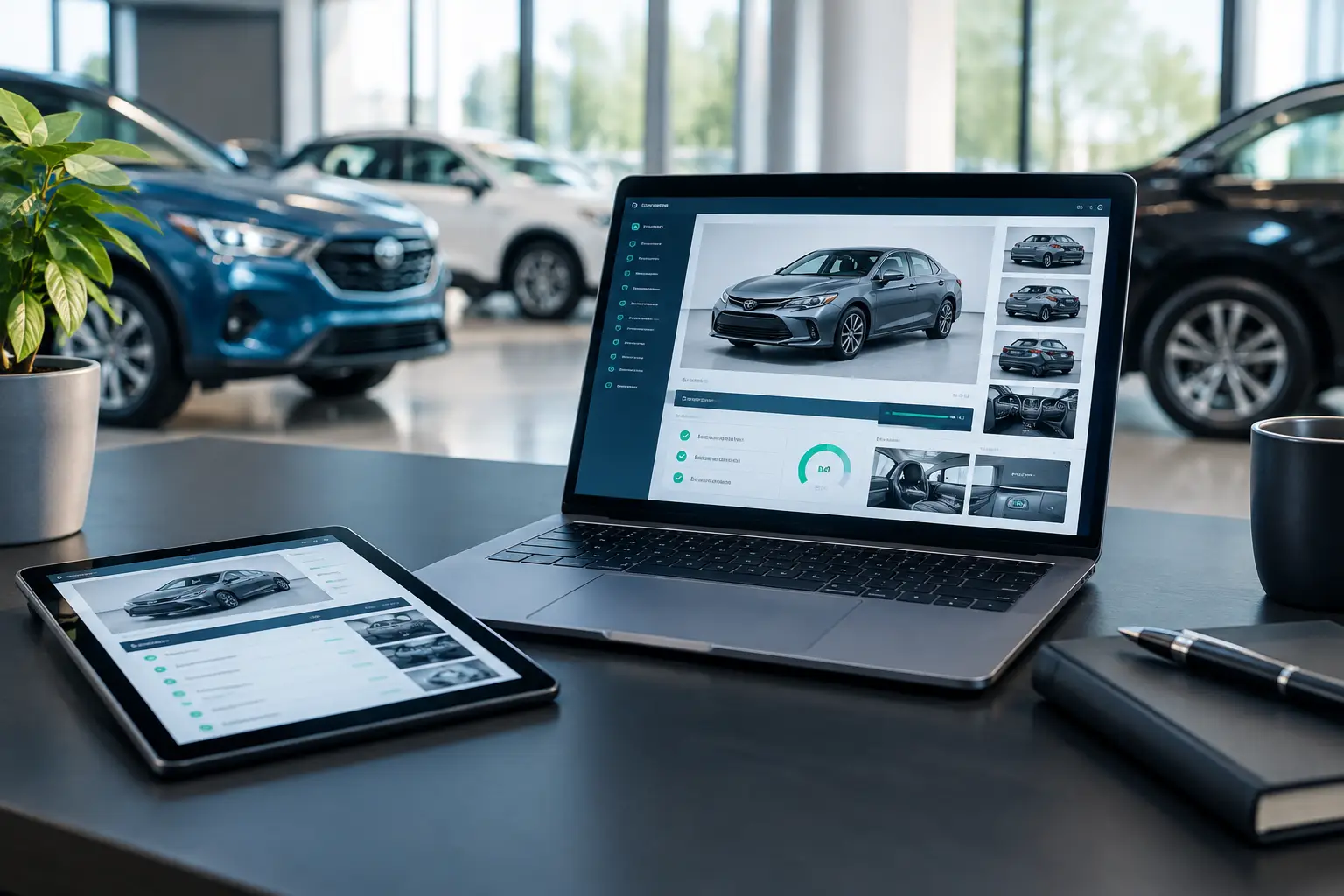
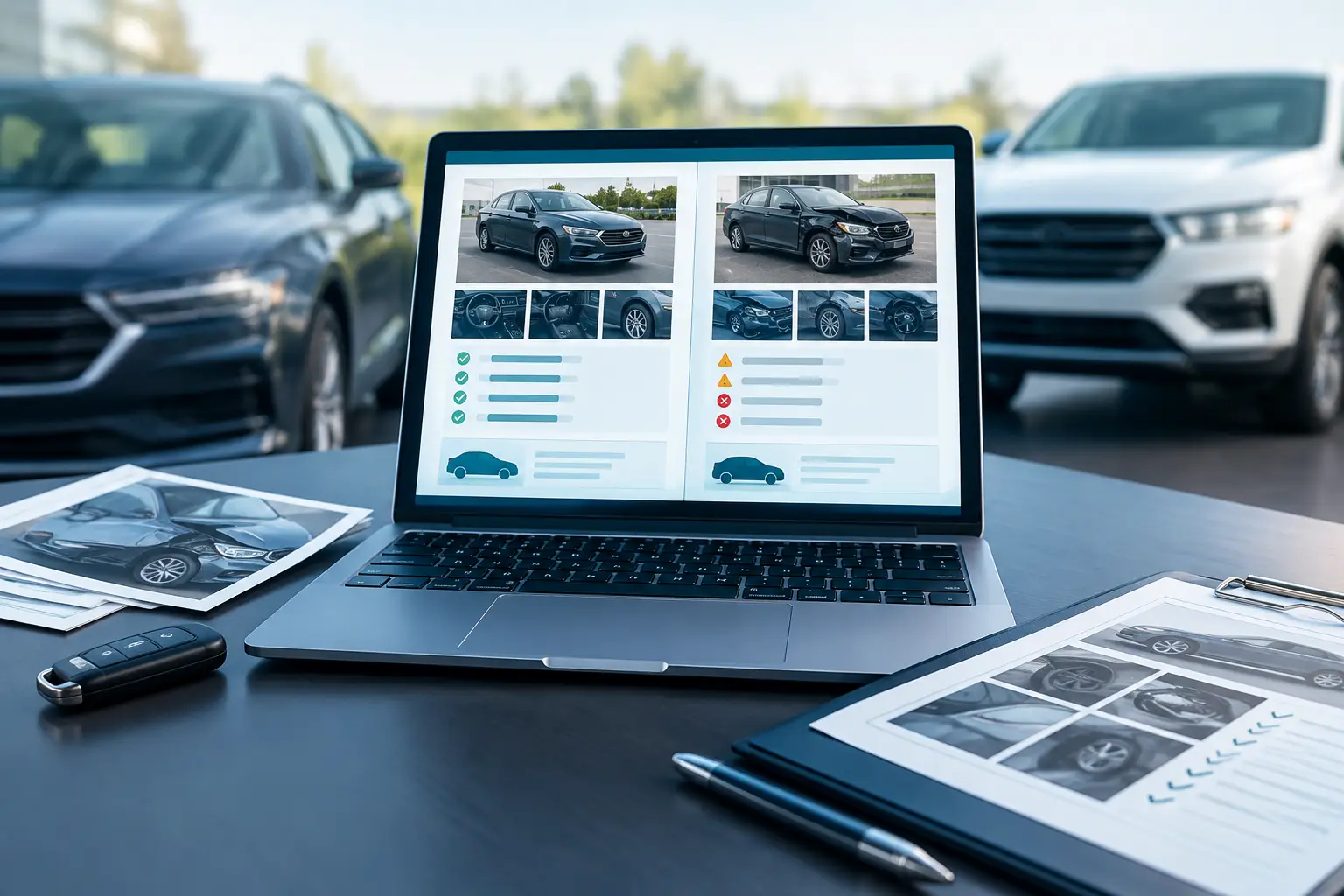
DriveEvidence brings VIN-based history, specifications, recalls, valuation signals, and a 0-100 DriveEvidence Score into one workspace, so vehicles can be compared side by side instead of evaluated through disconnected reports. A score is not a substitute for reading the underlying records, but it helps prioritize which vehicles deserve attention first.
A VIN Check Is the Start of Due Diligence
Do not let a history report create false certainty. A clean report does not guarantee a clean vehicle, and a reported issue does not automatically make one a bad buy. The right decision depends on the type of event, repair quality, documentation, current condition, price, and how you plan to use the vehicle.
The practical advantage is clarity. Verify the VIN early, follow the record where it leads, inspect what the data cannot see, and only commit when the vehicle’s condition and price match the proof behind it.