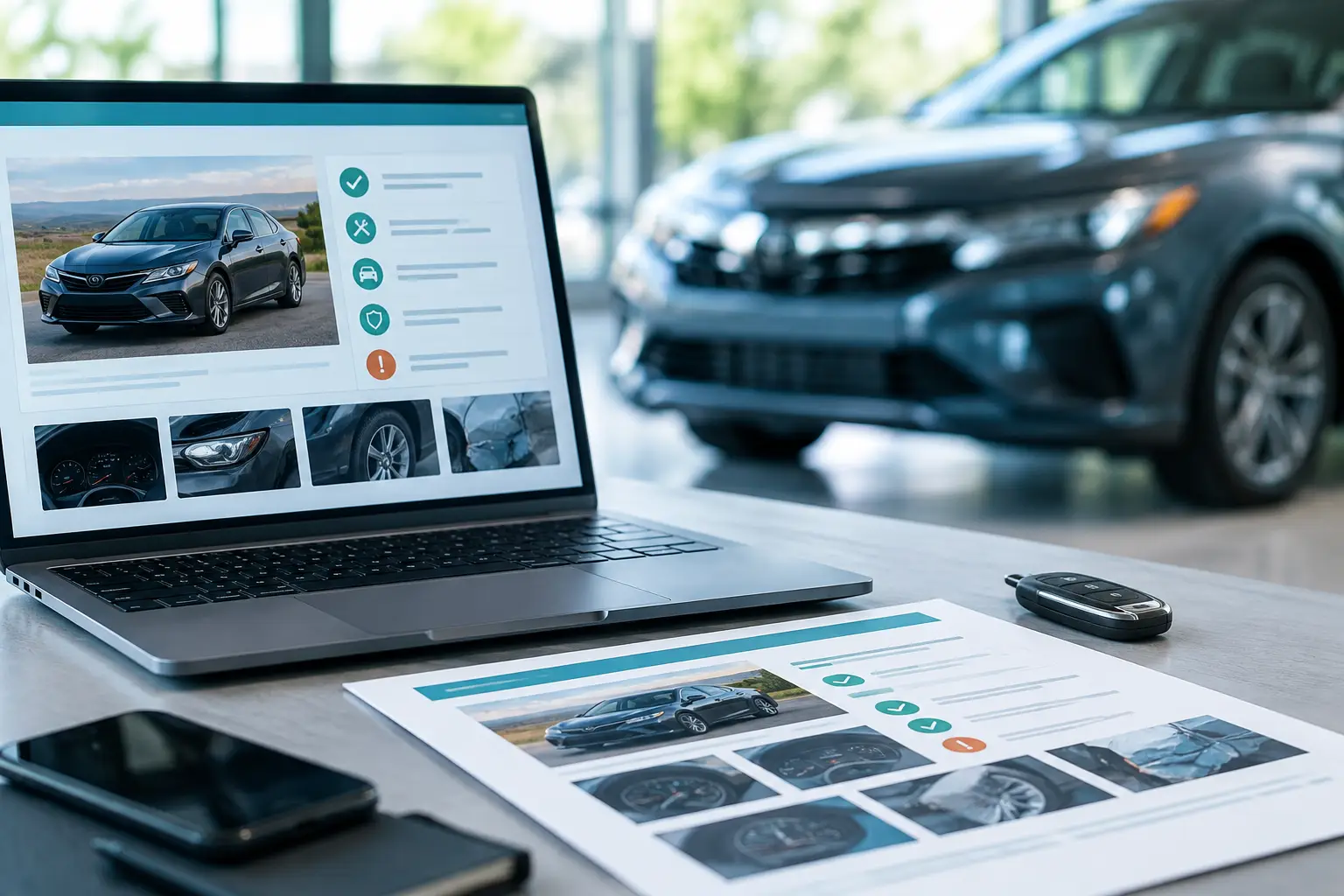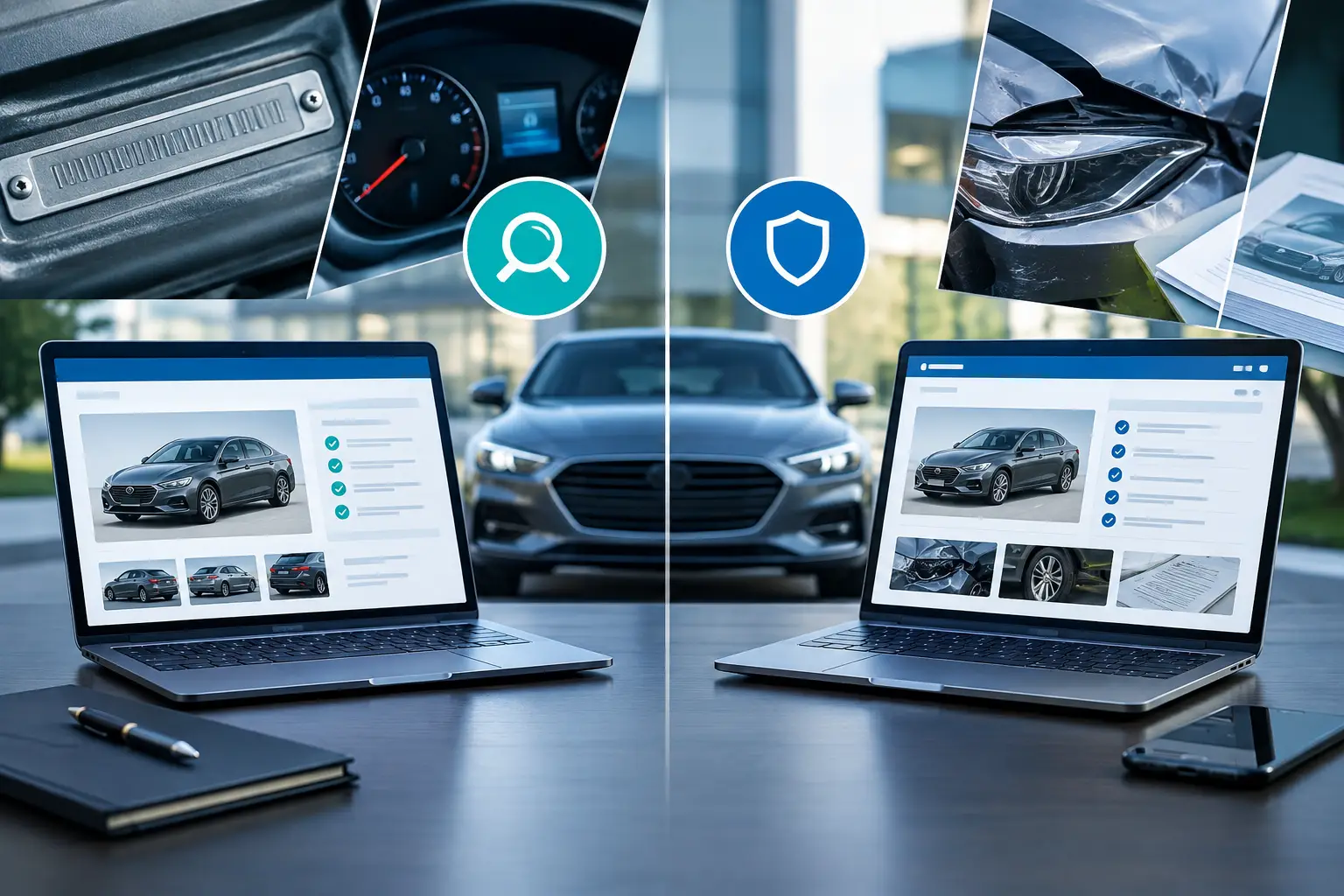
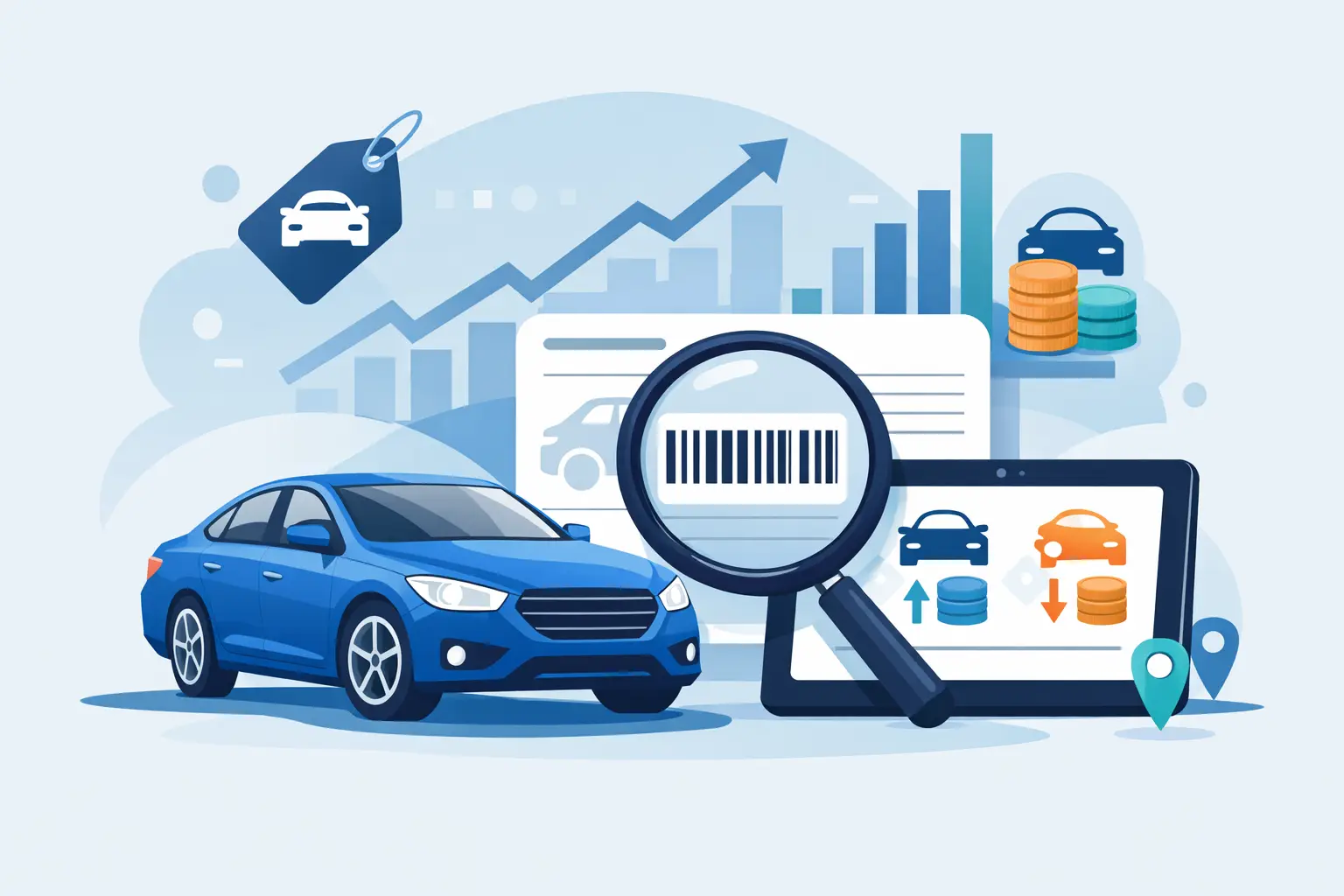
A used car can look priced right until one detail changes the math - a branded title, prior damage, mileage inconsistency, or a trim package that is not what the seller claims. That is why checking market value by VIN matters. A VIN-based valuation ties the price question to the exact vehicle, not just the year, make, and model on a listing.
What market value by VIN actually tells you
A VIN-based market value estimate starts with the vehicle identification number, then matches that record to the car or truck’s specific build data. That includes the engine, drivetrain, trim, body style, factory equipment, and often a broader set of history signals that can influence resale value.
This matters because two vehicles that look nearly identical in a marketplace search can carry very different values. A higher trim, a larger engine, or a premium package can raise value. Prior accident history, title brands, theft records, or odometer concerns can pull it down fast. The VIN is what separates a general price range from a vehicle-specific estimate.
For buyers, this helps answer a simple question: is this price supported by evidence? For dealers and fleet teams, it helps standardize appraisal and sourcing decisions across multiple vehicles instead of relying on rough averages.
Why a VIN-based value is more useful than a generic price lookup
A generic pricing tool usually starts broad. It asks for the year, make, model, mileage, and ZIP code, then returns a market range. That can be useful for early shopping, but it leaves room for error because it depends on manual inputs and assumptions about equipment and condition.
Market value by VIN reduces that guesswork. When the VIN is decoded correctly, the valuation can reflect the exact configuration of the vehicle. That means fewer pricing mistakes caused by misidentified trims, omitted options, or seller descriptions that are incomplete or inaccurate.
It also creates a better starting point for risk review. A vehicle may appear competitively priced, but a low asking price is not always a deal. Sometimes it is a signal. If the value is being pulled down by title issues, prior damage, or ownership history, you need that context before you negotiate or commit.
What affects market value by VIN
The VIN itself identifies the vehicle, but the value comes from what that identity reveals when matched with market and history data. The biggest pricing factors usually include vehicle specifications, mileage, condition, region, and transaction trends for comparable units.
History can be just as important as equipment. If a VIN is linked to a salvage brand, flood history, airbag deployment, or a theft recovery record, market value may drop well below the average for similar retail listings. The same is true for odometer discrepancies. Mileage is one of the strongest value drivers in used vehicles, so any sign that the odometer record does not line up can materially change what the vehicle is worth.
Ownership history also plays a role, although it depends. A one-owner car with consistent service and clean records can support stronger resale confidence. A vehicle with frequent ownership changes in a short period may raise questions. That does not always mean there is a problem, but it can affect buyer demand, which affects market value.
When market value by VIN is most useful
The clearest use case is before buying a used vehicle from a private seller, dealership, or auction source. Asking prices can be optimistic, outdated, or strategically low for reasons that are not obvious in the ad. A VIN-based value gives you a more defensible benchmark.
It is also valuable when selling or trading in a vehicle. If you know the market position of your car based on its VIN, you can set expectations more accurately. That helps you price to move without leaving money on the table.
For dealers and inventory teams, the benefit is speed and consistency. Reviewing one car at a time can slow down acquisition decisions and create uneven appraisals between staff members. VIN-based valuation becomes far more useful when it sits inside a workflow that also lets you compare units side by side, review title and damage signals, and organize multiple candidates in one place.
Fleet managers have a similar need. They are often making replacement, resale, or procurement decisions across many vehicles, not just one. Vehicle-specific value data helps reduce guesswork when cycling units out of service or evaluating new additions.
What a VIN cannot tell you by itself
A VIN is powerful, but it is not magic. It can identify the vehicle and unlock records tied to that identifier, but it cannot fully capture real-time physical condition. A fresh set of tires, worn brakes, interior damage, aftermarket modifications, or poor paintwork may not appear in valuation data unless those issues were documented elsewhere.
That is why market value by VIN works best as part of a broader review. You still want a current inspection, clear photos, a test drive when possible, and a close look at maintenance records. If the valuation says the price is fair but the vehicle has obvious cosmetic or mechanical issues, the real market value for that unit may be lower than the baseline estimate.
The reverse is also true. A well-kept vehicle with exceptional maintenance and desirable options may justify pricing at the high end of the range. The data sets the frame. Condition and context finish the job.
How to use market value by VIN without overpaying
Start with the VIN, not the seller’s description. Decode the vehicle and confirm that the listed trim, engine, drivetrain, and major equipment match the actual build. If the ad says premium trim and the VIN says base model, the pricing conversation changes immediately.
Next, compare the valuation against the asking price and ask why any gap exists. If the seller is above market, there should be a clear reason, such as low mileage, exceptional condition, recent major service, or rare equipment. If the seller is below market, do not assume you found a bargain. Check for damage history, title brands, theft events, or mileage concerns.
Then pressure-test the value with the vehicle’s history. This is where a single number is not enough. A clean-looking market estimate is more useful when paired with accident records, ownership history, title status, recalls, and odometer verification. A vehicle is not just worth what similar units sell for. It is worth what this unit can prove.
This is where platforms like DriveEvidence fit naturally into the buying process. The advantage is not just valuation. It is the ability to review market data next to title records, damage signals, recalls, specifications, and a risk-based score built to flag problem vehicles faster.
Why buyers and dealers should care about pricing confidence, not just price
The market does not reward uncertainty. If you are a buyer, uncertainty leads to overpaying, inheriting hidden problems, or wasting time chasing listings that do not hold up. If you are a dealer or inventory manager, uncertainty creates appraisal errors, margin compression, and harder-to-defend pricing decisions.
Pricing confidence comes from verification. You want to know whether the VIN matches the story, whether the history supports the ask, and whether the vehicle’s market position makes sense compared with similar units. That is a much stronger position than relying on listing language alone.
There is also a practical advantage during negotiation. Sellers may disagree with your offer, but a documented VIN-based value tied to actual specs and supporting records is harder to dismiss than a generic opinion. It turns negotiation from guesswork into evidence.
Common mistakes when checking market value by VIN
One common mistake is treating valuation as a final answer instead of a working benchmark. Value ranges are useful, but they are still estimates. Local demand, seasonality, condition, and even color can affect actual sale price.
Another mistake is ignoring negative records because the price looks attractive. A cheap car with flood history or mileage inconsistencies is not always cheap for long. The purchase price is only one part of total cost.
The third mistake is failing to compare more than one vehicle. If you are shopping seriously, context matters. A fair price on one vehicle may still be a poor choice if a cleaner, lower-risk VIN is available at a similar number.
A smart vehicle decision is rarely about getting the lowest price. It is about paying the right price for the right vehicle, backed by records you can trust. When you check market value by VIN and pair it with verified history, you give yourself a better chance of buying with confidence instead of cleaning up someone else’s problem.