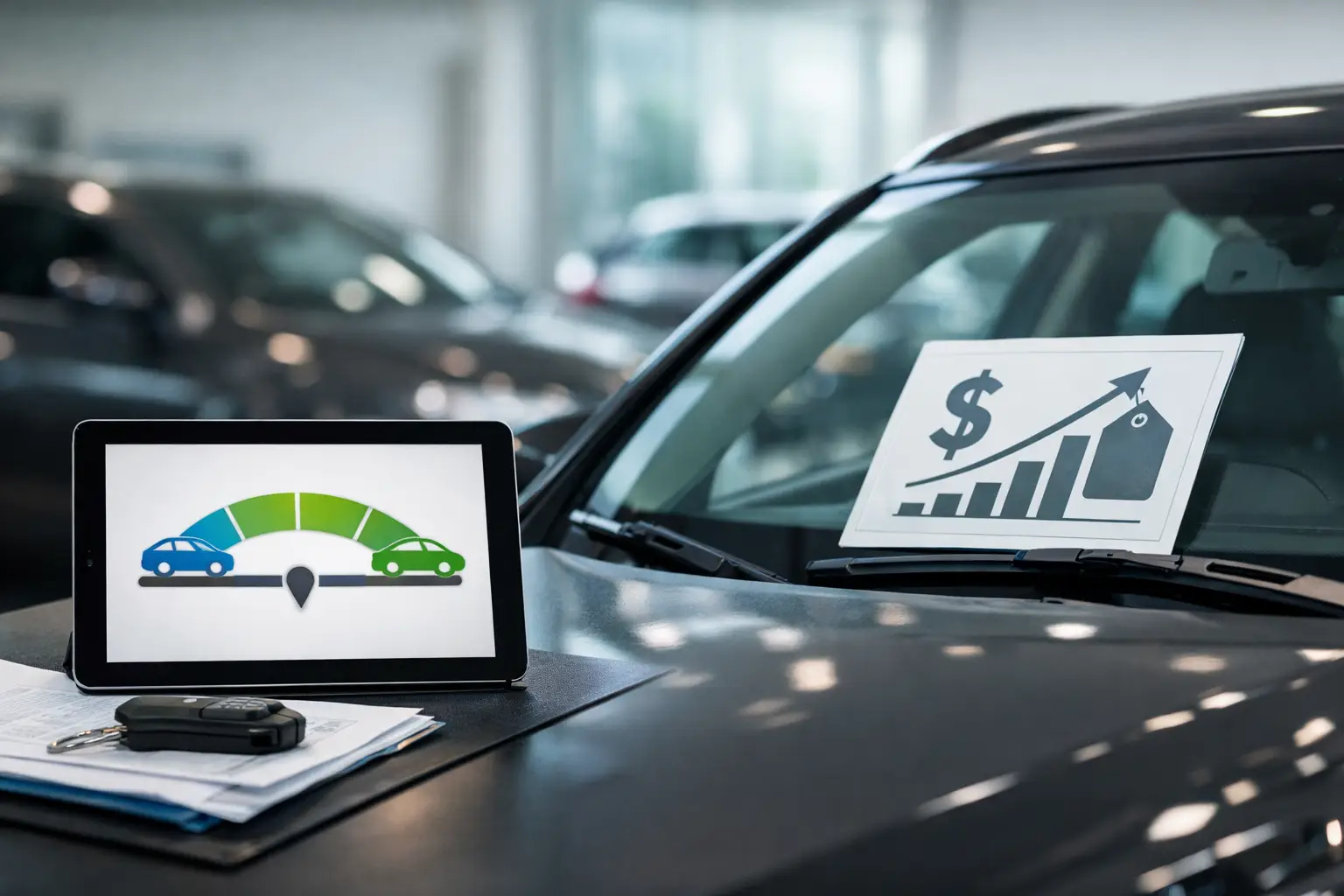
A 2019 SUV listed at $24,900 can look like a fair deal until you find comparable vehicles selling closer to $21,500. That gap is where costly decisions happen. Understanding market value vs asking price gives you a faster way to spot an overpriced vehicle, recognize a reasonable listing, and negotiate from evidence instead of instinct.
The asking price is what a seller wants. Market value is what buyers are realistically paying for comparable vehicles in a specific market. Those figures can be close, but they are not the same number - and a low-looking asking price is not automatically a good buy if the vehicle has title, damage, mileage, or mechanical concerns.
Market Value vs Asking Price: The Core Difference
An asking price is a starting position. A private seller may set it based on what they paid, what they still owe, recent upgrades, or the amount they hope to receive. A dealer may price a vehicle to leave room for reconditioning costs, overhead, trade-in value, and negotiation. Neither seller is required to price a car at market value.
Market value is an estimate of what a vehicle should command based on recent comparable sales and active listings. It reflects the vehicle's year, make, model, trim, mileage, condition, location, equipment, and demand. It should also reflect its actual history.
That last point matters. Two vehicles with the same year, trim, and mileage may have very different values if one has a clean title and consistent odometer records while the other has accident damage, a salvage brand, theft recovery, or unexplained ownership gaps.
Think of the asking price as a claim. Think of market value as the number that claim must support.
Why the Gap Between the Numbers Matters
A seller can list above market value for legitimate reasons. The vehicle may be unusually clean, have sought-after options, include documented maintenance, or sit in a region where local inventory is tight. A low-mileage truck with a clean history in a high-demand market may deserve a premium over an average comparable.
The opposite can also be true. A high asking price may be covering for a weak trade appraisal, a seller's emotional attachment, or an assumption that buyers will not check comparable inventory. At a dealership, a price may also be positioned to create room for a discount that makes the final deal feel better than it is.
A below-market asking price deserves scrutiny, too. It can be a motivated seller, but it can also signal hidden damage, title problems, an odometer issue, open recalls, flood exposure, or a scam. The right question is not, “Is this price low?” It is, “What evidence explains this price?”
What Actually Sets a Vehicle's Market Value
Market value is not a fixed national number printed on the window. It changes by VIN, condition, and market. Start with the basics: model year, trim, drivetrain, mileage, color, options, and location. Then look deeper at the factors broad pricing tools can miss.
Vehicle history can change the number fast
A reported collision does not automatically make a vehicle a bad purchase. The severity, repair quality, affected areas, and documentation all matter. Still, an accident history often reduces resale value compared with a truly comparable clean-history vehicle. A branded title can reduce value much more significantly, even when the vehicle appears well repaired.
Odometer records are equally important. A car showing 62,000 miles today but carrying inconsistent mileage events should not be valued like a verified 62,000-mile example. The same applies to theft recovery records, recurring damage reports, and frequent short-term ownership changes. These are not automatic deal-breakers, but they are pricing evidence.
Condition is more than paint and upholstery
A clean exterior can hide expensive needs. Tires, brakes, suspension, warning lights, fluid leaks, battery condition, windshield damage, and deferred maintenance all affect what a buyer should pay. A vehicle priced at market value that immediately needs $2,000 in work is not really a market-value deal.
For high-mileage vehicles, maintenance records can justify a stronger price. For performance cars, collector vehicles, and trucks, modifications may help, hurt, or narrow the buyer pool. Do not assume every aftermarket part adds value. Many buyers prefer stock vehicles because they are easier to evaluate and insure.
Local supply and seasonality matter
A convertible in a cold-weather market, a four-wheel-drive truck before winter, and a fuel-efficient commuter car during high gas prices can each move differently. Some models are consistently stronger in certain regions. A local shortage may justify paying more than a national estimate, but only if nearby comparables confirm it.
This is why a single valuation number should be treated as a benchmark, not a verdict. Use a range, then determine where the specific vehicle belongs within it.
How to Compare an Asking Price With Real Evidence
Start by finding comparable vehicles, not merely similar ones. A useful comparison matches the same generation, trim level, drivetrain, mileage range, title status, and general condition. Comparing a clean-title AWD model with a front-wheel-drive vehicle carrying accident history will give you a misleading result.
Review several nearby listings and pay attention to how long they have been available. An advertised price is not the same as a completed sale price, but stale listings can reveal where sellers are reaching too high. If several comparable vehicles are listed below the one you are considering, the seller needs a clear reason for the premium.
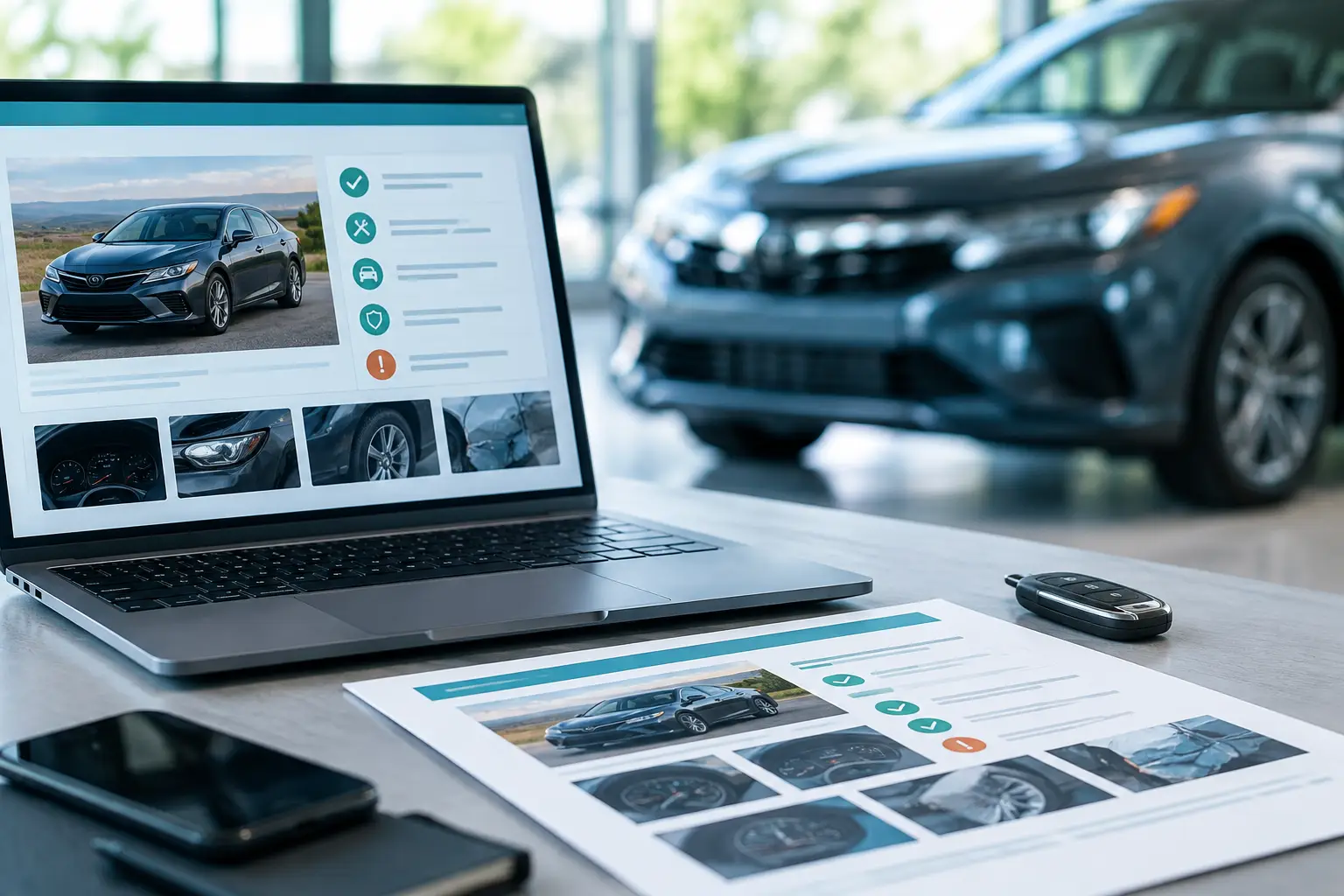
Then run the VIN before you negotiate. Verify the title status, reported accidents and damage, ownership history, odometer events, recalls, and vehicle specifications. DriveEvidence can bring those records, valuation context, and a risk-based DriveEvidence Score into one view, making it easier to compare more than one candidate without losing the details that affect price.
A pre-purchase inspection should follow for any vehicle you are serious about, especially if the price is near the top of the market range. History data shows what has been reported. A qualified inspection helps identify what the vehicle needs now.
A Better Way to Negotiate the Asking Price
Negotiation works best when it is specific. Saying “That seems high” gives the seller nothing useful to respond to. Showing how the price compares with verified market data and the vehicle's actual condition is harder to dismiss.
If the vehicle is listed above your supported value range, explain why. You may point to higher mileage than comparable listings, a prior damage report, worn tires, missing maintenance documentation, or a pending recall. Ask for the records that would support the seller's number. A transparent seller should be able to discuss the condition and history directly.
Keep the discussion focused on the out-the-door cost, not just the sale price. Dealer documentation fees, add-ons, financing terms, taxes, registration, and required repairs can change the real cost of the vehicle. A lower sale price with expensive forced products may be worse than a higher transparent price.
For private-party sales, verify who owns the vehicle and whether there is an active lien before money changes hands. A market-value agreement is only useful if the title transfer can be completed cleanly.
When Paying Above Market Value Can Make Sense
Paying above the middle of a market range is not always a mistake. It can be reasonable when the vehicle has a clean, well-documented history, exceptional condition, desirable factory equipment, low verified mileage, and a strong local demand profile. It may also make sense when the alternative is traveling long distance, paying transport costs, or settling for a less suitable vehicle.
The key is to know that you are paying a premium and why. A premium for verified condition is different from a premium caused by pressure, incomplete information, or a seller's story.
The best purchase is not necessarily the lowest asking price. It is the vehicle with a price that matches its verified history, present condition, and realistic resale value. Check the proof, compare the alternatives, and let the numbers tell you when to move forward - or walk away.