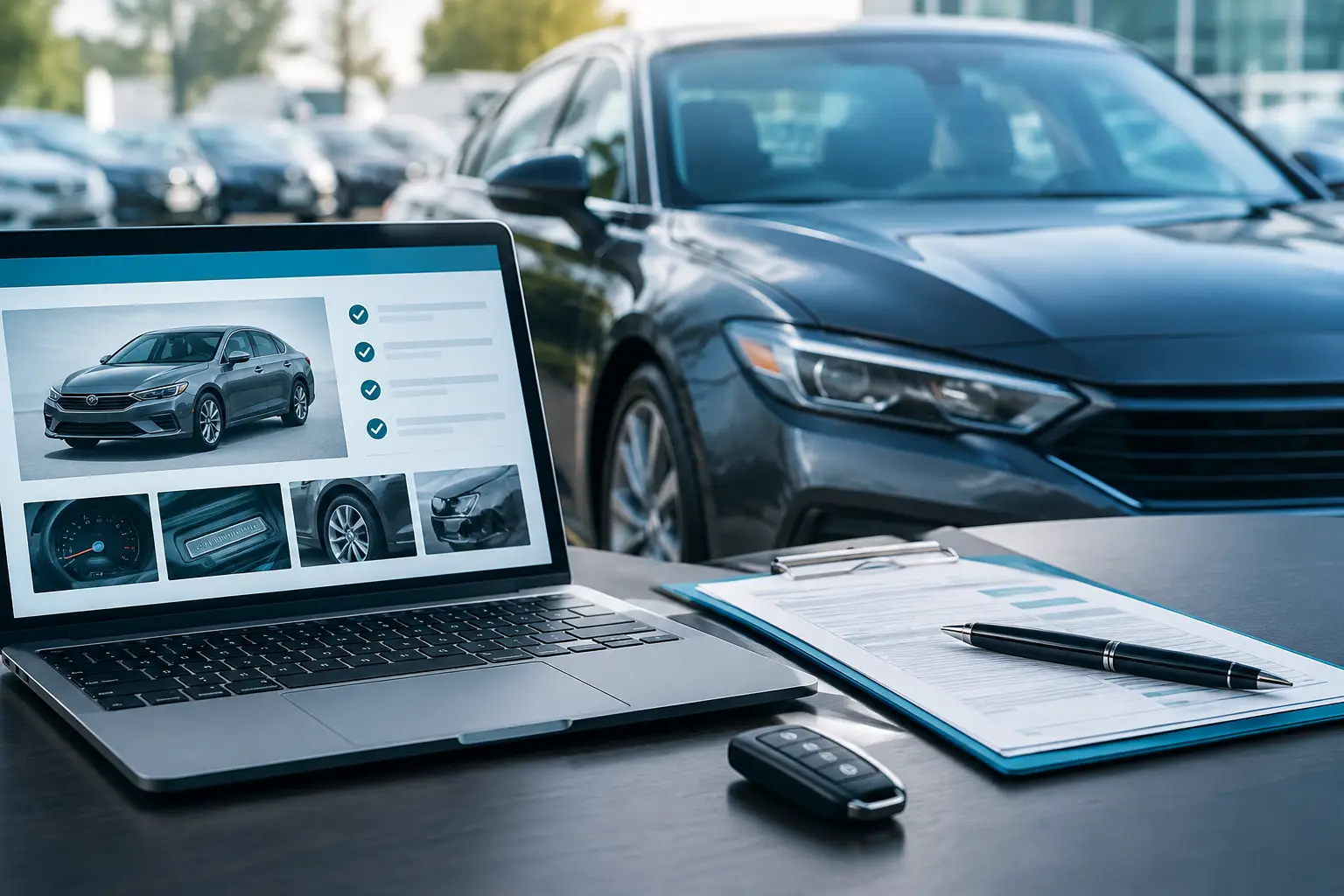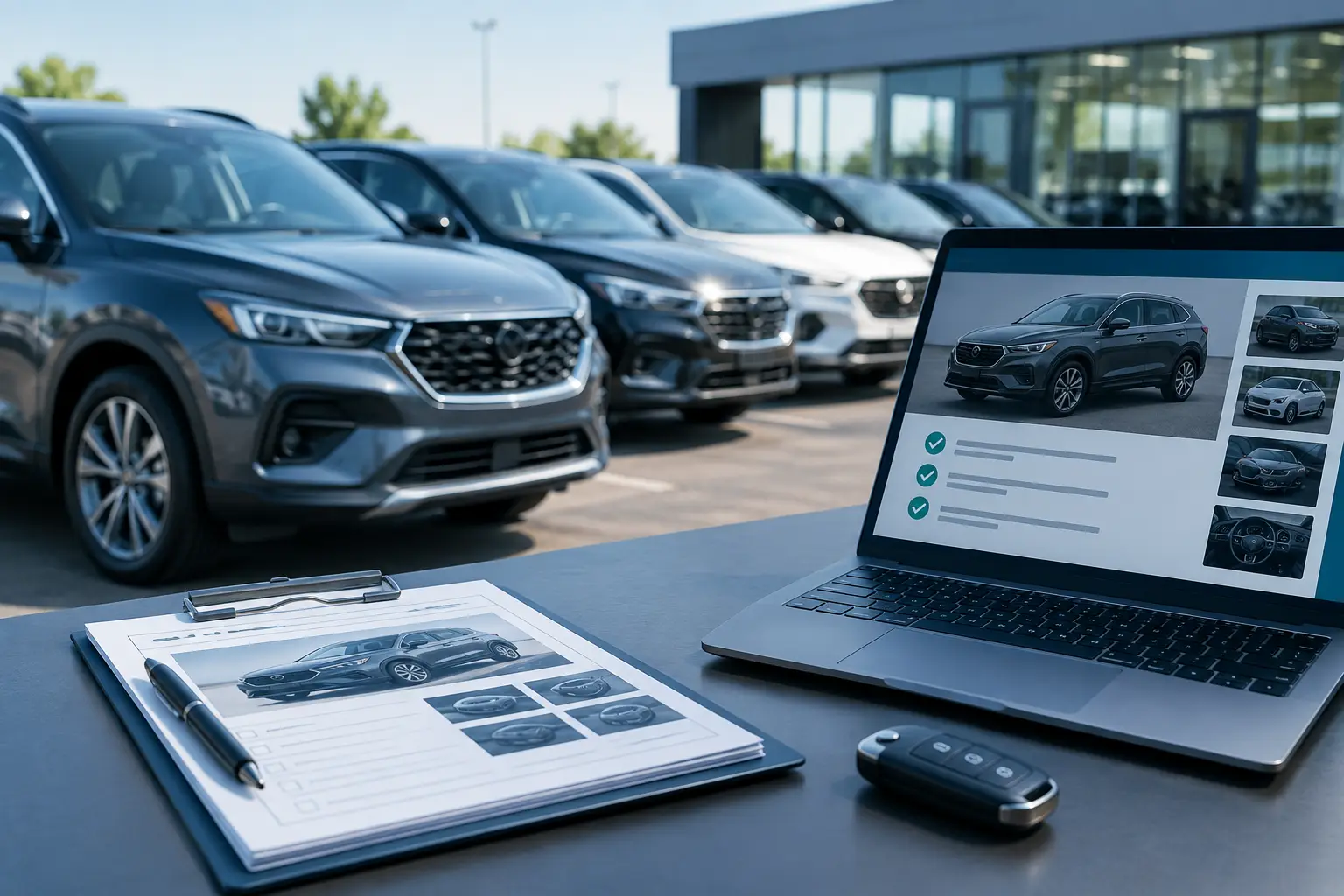
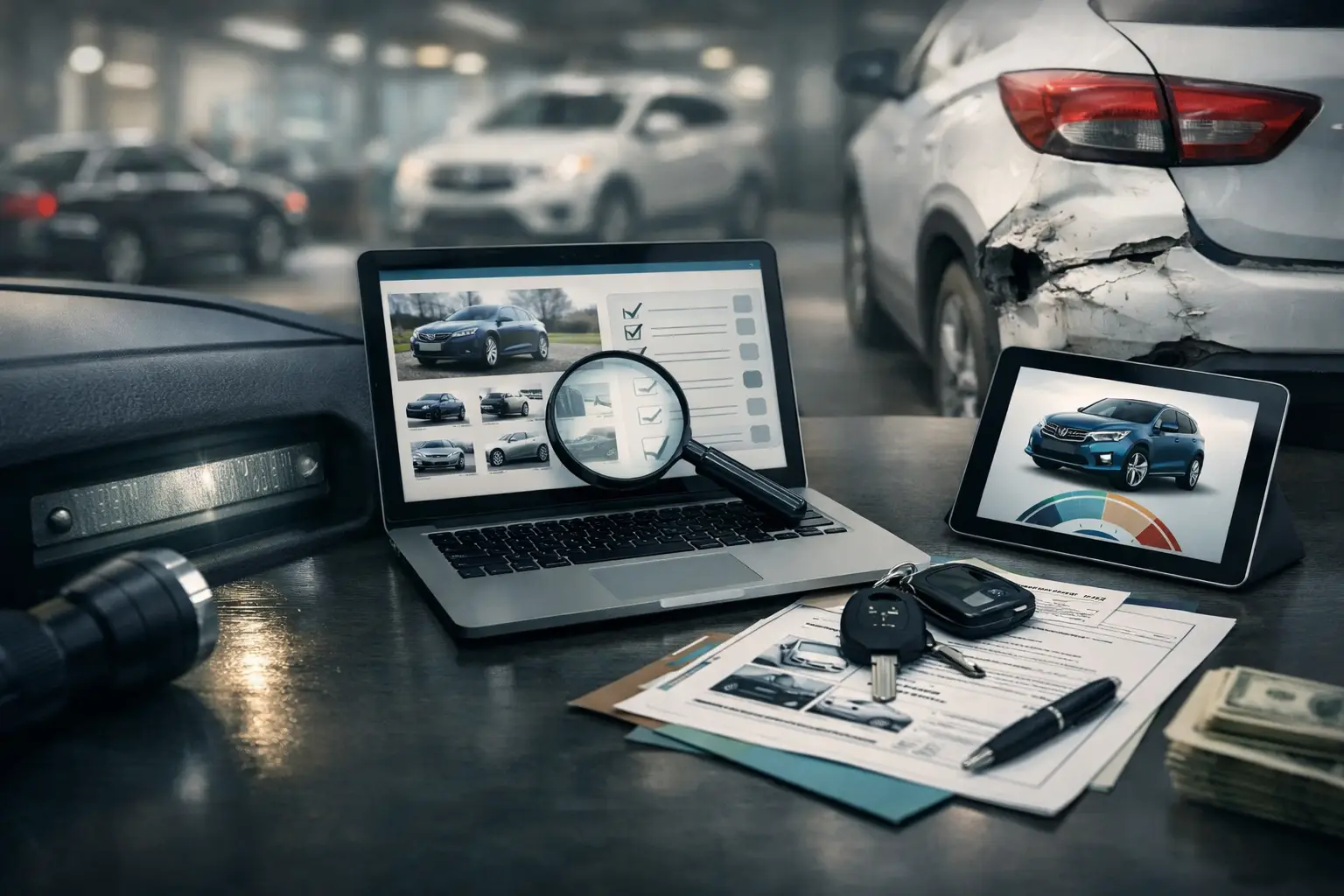
A clean-looking SUV with a fair asking price can still carry a rebuilt title, a serious prior accident, or mileage that does not add up. The VIN is where the story starts. The best tools for VIN research turn that 17-character identifier into evidence you can use before money changes hands.
A smart VIN search is not about collecting the longest report. It is about verifying the records that can change the vehicle's value, safety, insurability, and resale prospects. For a single buyer, that may mean catching a title brand before a test drive. For a dealer, auction buyer, or fleet manager, it means processing multiple vehicles quickly and comparing risk without losing track of the details.
What the best tools for VIN research should verify
No one database sees every event in a vehicle's life. Data can be delayed, incomplete, or reported differently across states, insurers, repair facilities, auctions, and service networks. That is why the strongest research workflow combines several sources and treats missing information carefully.
At minimum, a useful VIN research tool should identify the exact vehicle: model year, trim, engine, drivetrain, body style, and key equipment. This baseline matters more than it seems. A listing may describe a higher trim, the wrong engine, or options the vehicle never had. Confirm the build before using comparable listings to judge the price.
Then look for title and registration history. A clean title is not the same as a clean vehicle, but title brands are major decision points. Salvage, rebuilt, flood, junk, lemon, and odometer-related brands can affect financing, insurance, warranty coverage, resale value, and your ability to register the car in certain states.
Accident and damage records deserve the same attention. The key question is not simply whether an accident occurred. Ask what type of damage was reported, whether airbag deployment is indicated, whether the vehicle was sold through an auction, and whether the timeline shows a likely repair period. A minor parking-lot claim and a severe collision are not equivalent risks.
Odometer verification is another essential layer. Mileage should move forward in a logical pattern across inspections, service events, registrations, and sales. A lower reading after a higher reading is a red flag. So are long gaps on a newer vehicle with unusually low mileage. Neither proves fraud by itself, but both justify asking for maintenance records and a pre-purchase inspection.
Use free VIN tools for fast safety checks
Free sources are valuable, especially early in the shopping process. They can help you avoid spending money on a vehicle that fails a basic identity or safety check.
The National Highway Traffic Safety Administration VIN lookup is the right place to check open safety recalls. An open recall does not automatically make a vehicle a bad buy. Many recall repairs are straightforward and free. Still, verify whether the repair has been completed and factor any delay into your purchase plan.
The National Insurance Crime Bureau's VINCheck tool can help identify certain theft and salvage insurance records. It is a useful screen, but it is not a complete theft-history database and should not be treated as final clearance. If a vehicle's price, seller behavior, or paperwork feels wrong, stop and verify the title, seller identity, and VIN plate with your state motor vehicle agency.
Manufacturer VIN decoders can confirm original specifications and sometimes warranty or campaign information. They are especially useful for validating trim claims on trucks, performance vehicles, hybrids, and luxury models, where one option package can materially affect value.
Free tools are best for answering narrow questions: Is there an open recall? Does the VIN decode to the advertised vehicle? Is there an obvious theft or salvage concern? They rarely provide the full ownership, damage, odometer, and valuation context needed for a purchase decision.
When a full vehicle history report is worth it
A paid report becomes worthwhile when the vehicle is a serious candidate, the seller cannot provide complete records, or the deal has enough financial exposure that one hidden issue could cost far more than the report. This is true for private-party purchases, out-of-state vehicles, auction inventory, and vehicles with unusually low prices.
A good premium report should bring together title data, damage and accident indicators, odometer readings, ownership events, theft and recovery records, auction activity, recalls, specifications, and market value context. Just as important, it should show a clear event timeline. Raw records without dates are hard to evaluate. A timeline helps you see whether a title event followed an accident, whether mileage progressed logically, and whether a vehicle changed hands unusually often.
Do not use a history report as a substitute for inspection. Reports document what reached a data source. They may not show unreported collisions, poor repairs, flood exposure that was never branded, or emerging mechanical problems. A report can tell you where to look. A qualified technician can tell you what is actually there.
For one-off shoppers, a single report may be enough after the vehicle passes free checks. For professionals handling several candidates, buying isolated reports can create a fragmented workflow. You need a system that keeps VINs, reports, notes, valuations, and decisions in one place.
Compare risk, not just report length
The most useful VIN tools do more than display data. They help you prioritize it. A 40-event timeline may look thorough but still force the buyer to interpret every record alone. That creates room for missed title brands, inconsistent mileage, or damage events that matter more than they first appear.
Look for a platform that makes the following decisions easier:
- Which vehicle has the lowest documented history risk?
- Which listing price is supported by current market value and condition?
- Which VINs need a closer inspection, title review, or seller explanation?
- Which vehicles can be ruled out quickly so you can focus on better inventory?
A risk-based score can be helpful when it is supported by the underlying records, not used to hide them. The score should simplify the first decision, while the report provides the proof behind it. DriveEvidence, for example, pairs verified vehicle history data with a 0-100 DriveEvidence Score and a dashboard built to compare and export multiple vehicles side by side.
For dealers and fleet teams, this structure can save more time than another isolated report. Sort vehicles by risk, flag title or mileage concerns, keep acquisition notes attached to the VIN, and create a consistent review process across buyers or locations. Efficiency matters, but so does auditability when a purchase decision is questioned later.
Build a VIN research workflow before negotiating
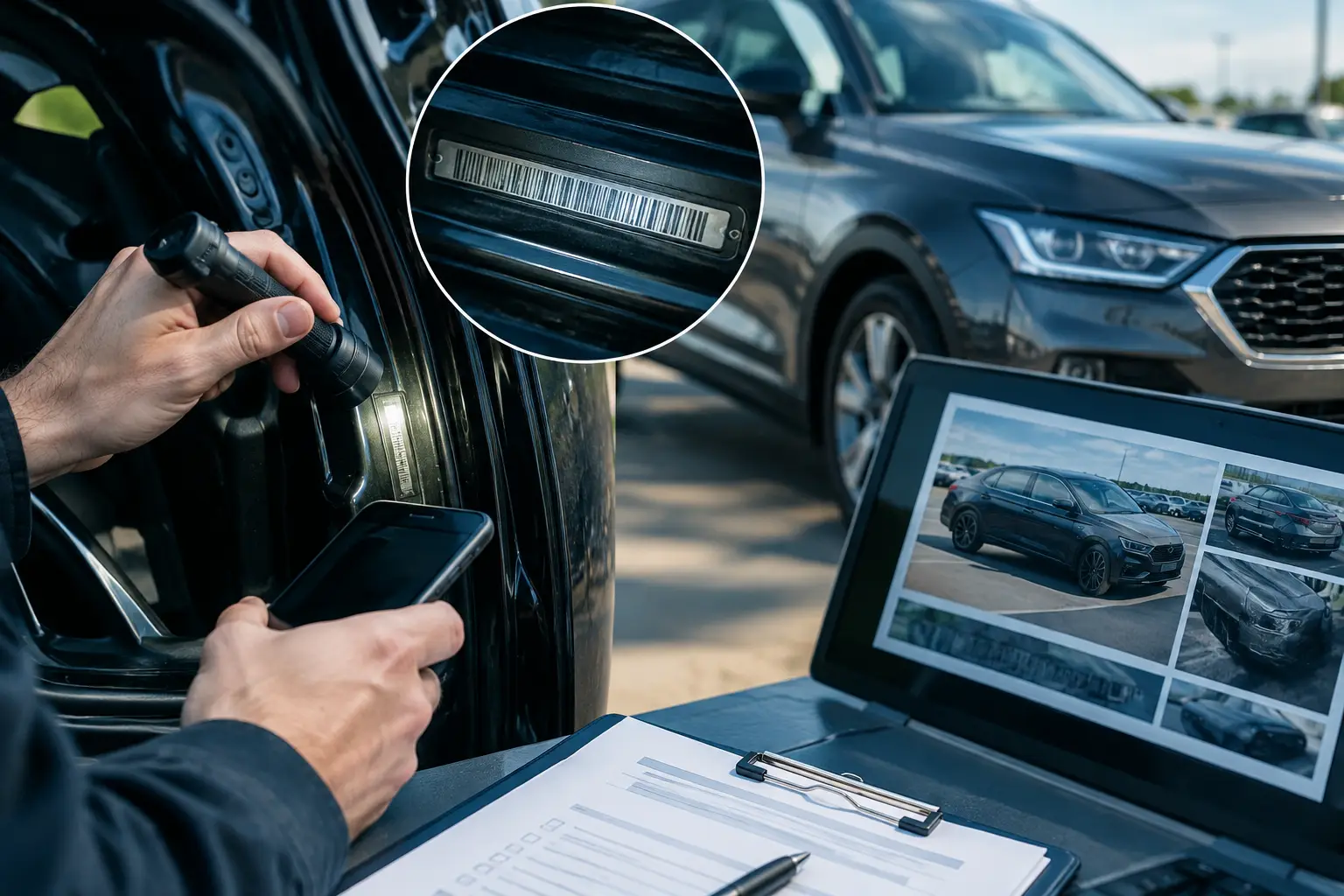
Start with the VIN itself. Get it directly from the vehicle, not only from an online listing. Compare the dashboard VIN plate, driver-side door label, title, registration, and seller-provided paperwork. Mismatched characters, altered rivets, damaged labels, or a seller who will not provide the VIN are walk-away signals.
Next, decode the vehicle and check open recalls. Confirm that the advertised year, trim, powertrain, and basic configuration are correct. Then run a full history report on the candidates that remain. Review the timeline in order rather than jumping to a single headline. A clean title after a large damage event, for example, may still call for repair documentation and a thorough inspection.
Use the report to prepare direct questions. Ask when repairs were completed, where the vehicle was serviced, why it was sold, and whether there are receipts, photos, or insurance paperwork. Honest sellers may not know every prior event, but they should not resist reasonable verification.
Finally, book an independent pre-purchase inspection. Ask the technician to focus on the risks uncovered in the VIN history: paintwork and structural repairs after a collision, corrosion or electrical issues after potential flood exposure, diagnostic codes, tire wear, suspension condition, and signs of odometer or airbag-system tampering. Match the inspection findings against the report and the seller's story.
Red flags that require more than a quick lookup
Some report findings do not require an automatic rejection, but they do require stronger proof. A rebuilt or salvage title may be acceptable to a buyer who understands the repair quality, can insure the vehicle, and is paying an appropriately reduced price. It is a far different proposition for a buyer who needs easy financing or plans to resell within a year.
Be especially cautious when the price is well below market, the VIN history has sudden mileage drops, the title was issued recently after damage, or the seller asks to complete paperwork outside normal channels. Also watch for a long period with no recorded events followed by an out-of-state sale. There may be an innocent explanation, but it is not a detail to ignore.
The right vehicle research tool does not make the decision for you. It gives you verified facts, a clear view of risk, and a faster path to the next question. Buy the vehicle only when its VIN, paperwork, condition, and price tell the same story.