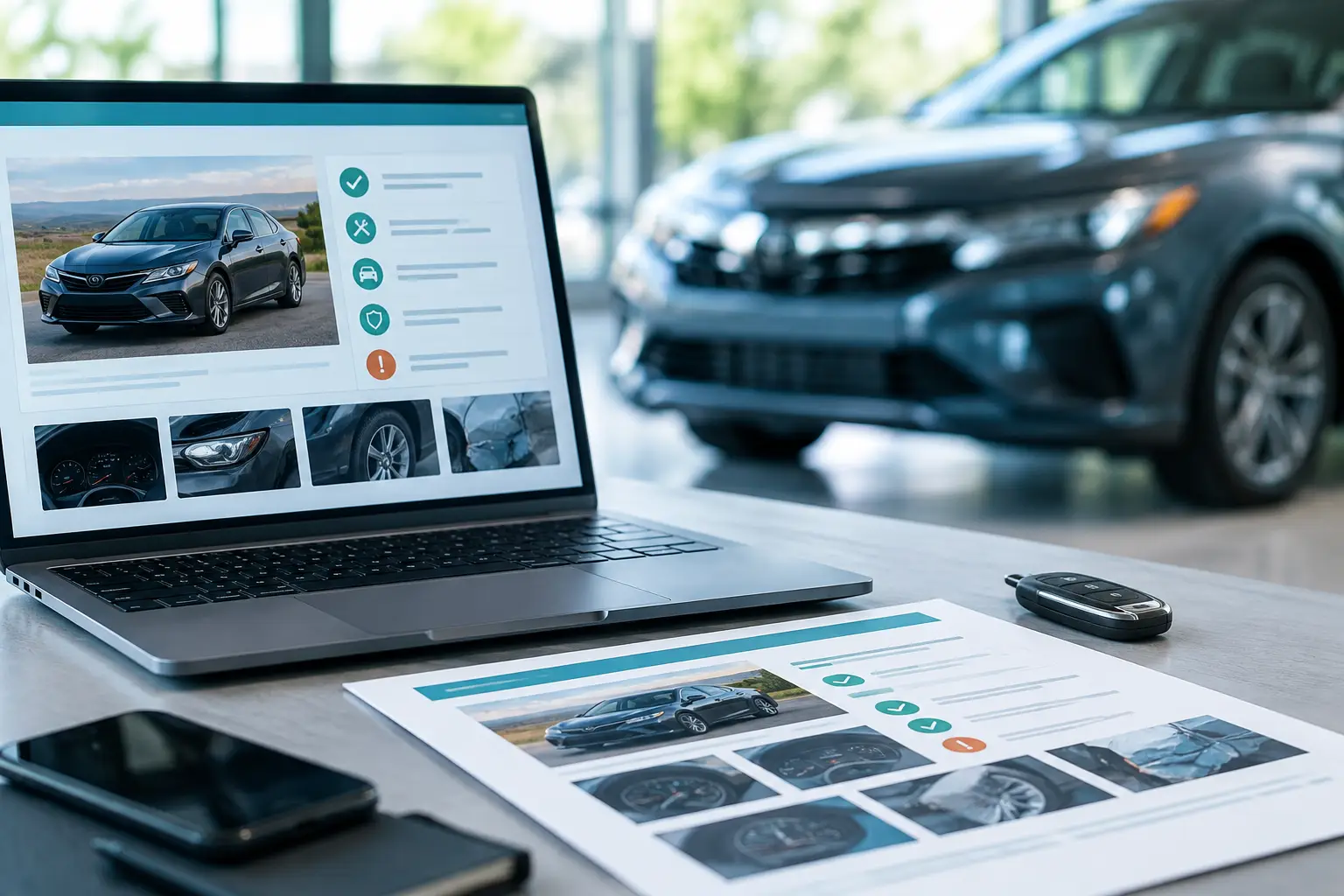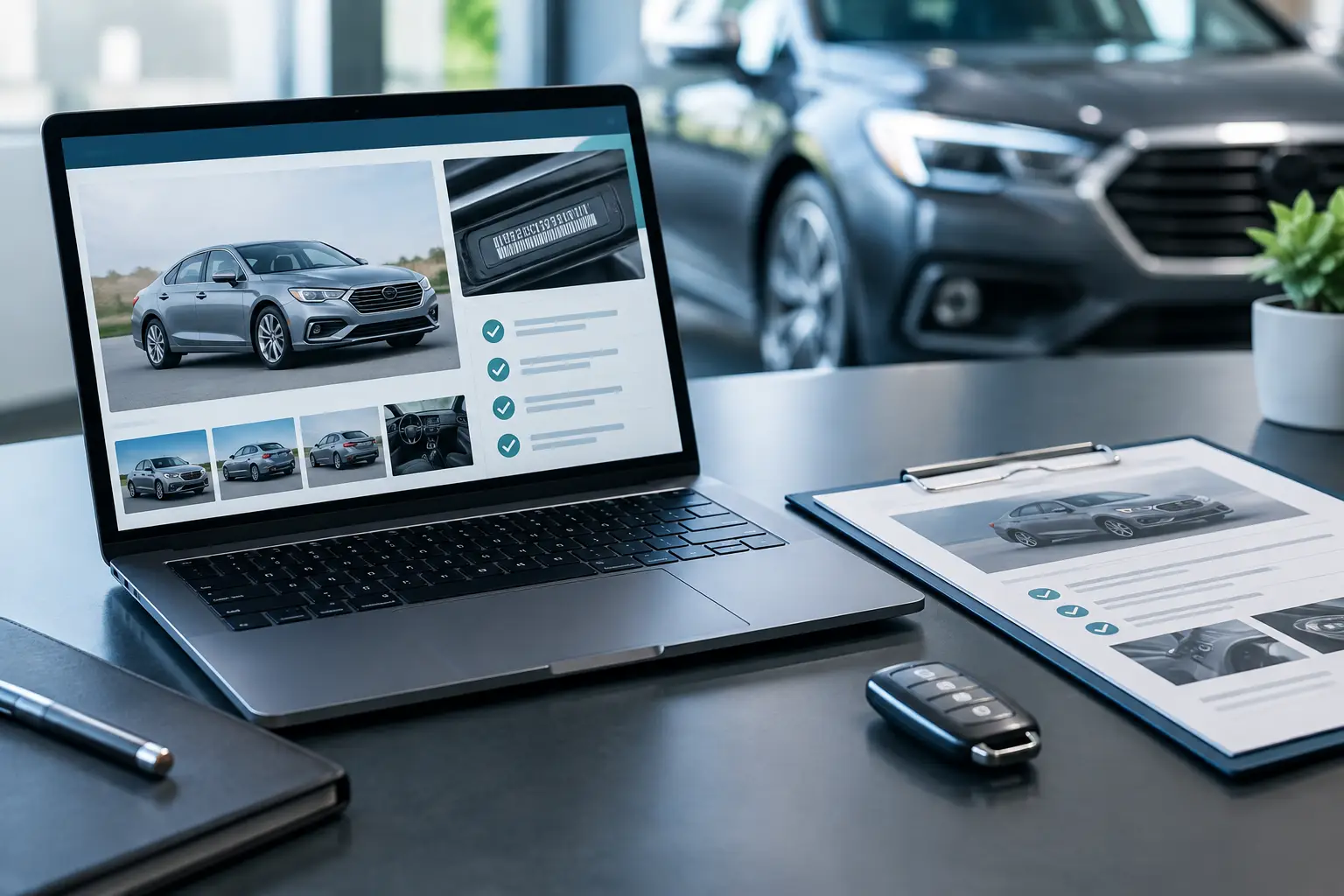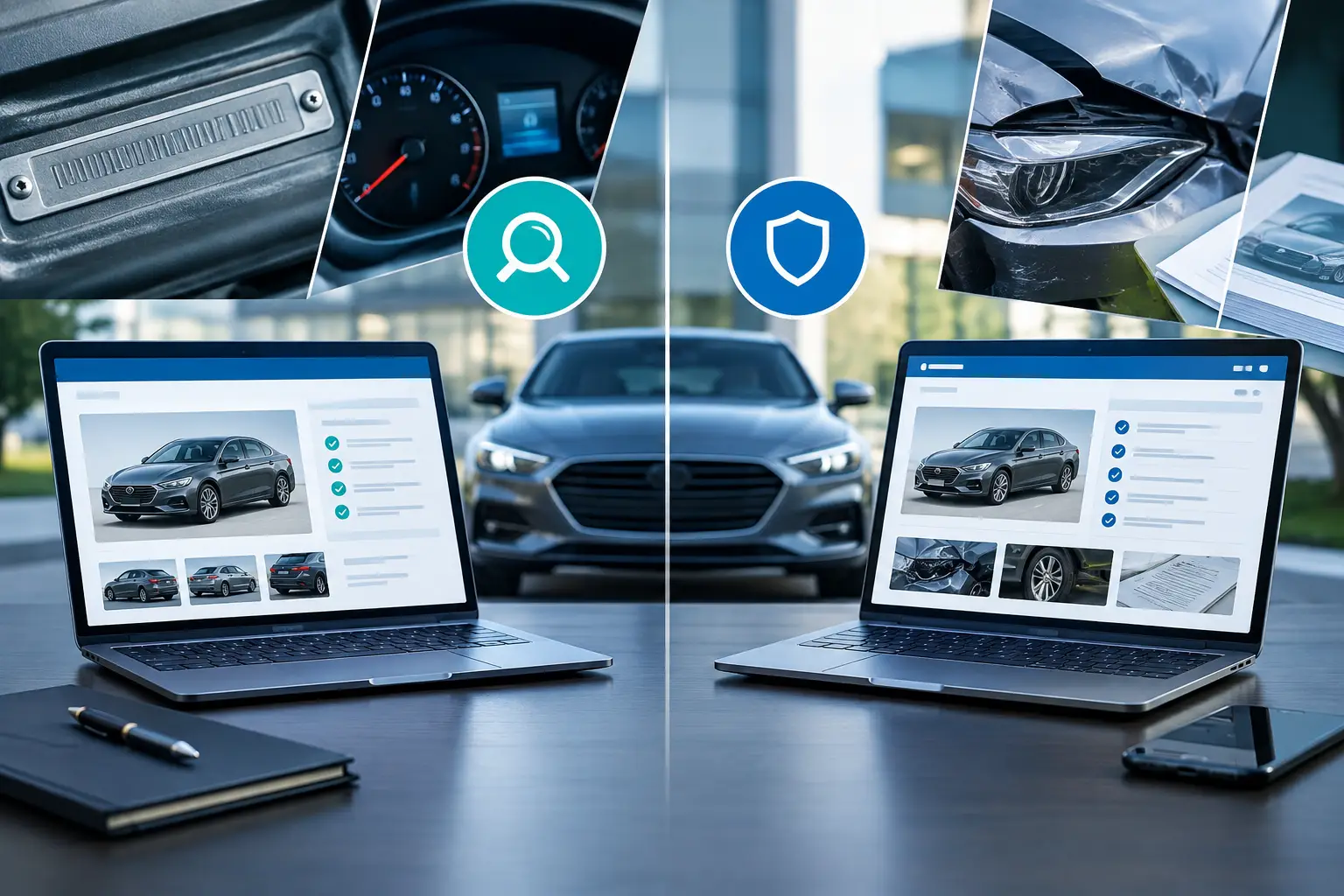
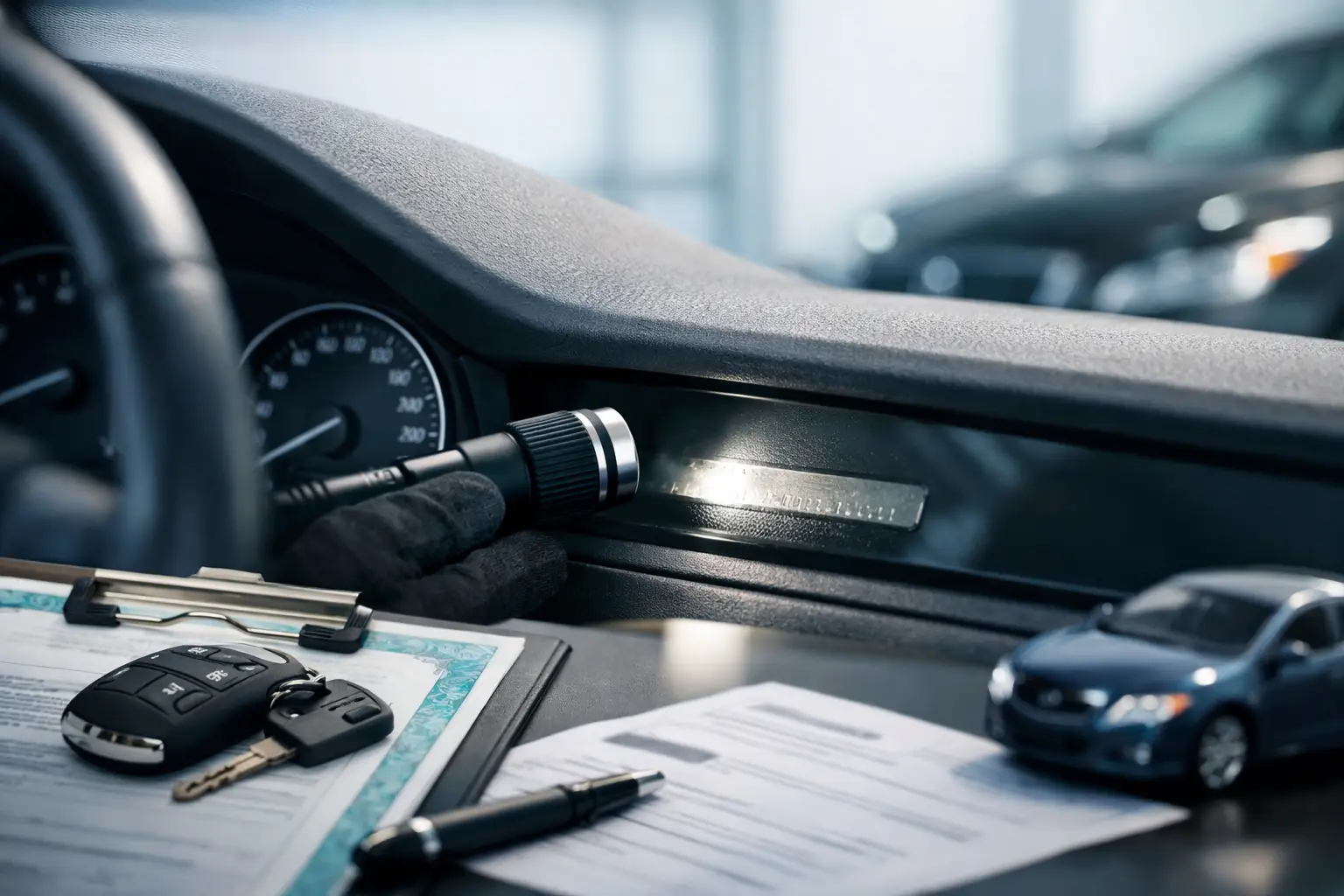
A clean-looking used car can still carry a history that changes its true value. A branded title check helps you identify that history before money changes hands, whether you are evaluating one personal vehicle, stocking dealer inventory, or sourcing units at auction.
A title brand is not automatically a reason to walk away. It is a reason to slow down, verify the records, and price the vehicle based on what actually happened. The difference between a smart discounted purchase and a costly surprise often comes down to the details behind the brand.
What a Branded Title Actually Means
A title brand is a permanent notation attached to a vehicle’s title record by a state motor vehicle agency. It flags a significant event in the vehicle’s past, such as major damage, a total loss declaration, flood exposure, or an odometer issue.
States do not always use identical terms or thresholds. A vehicle labeled salvage in one state may later be titled as rebuilt, reconstructed, or prior salvage after repairs and inspections. That change does not erase the original loss event. It tells you the vehicle was allowed back on the road, not that it now has the same risk profile or market value as a comparable clean-title vehicle.
This is why a seller’s description alone is not enough. “Rebuilt,” “restored,” and “inspected” can be accurate, yet still leave out the type of damage, the quality of repairs, and the potential effect on insurance, financing, safety, and resale.
Why a Branded Title Check Matters Before You Negotiate
A title brand can materially change what a vehicle is worth. Buyers may expect a steep discount because resale demand is lower, and lenders or insurers may limit coverage or decline the vehicle altogether. For a dealer, missing a brand can create appraisal errors, acquisition losses, and difficult customer conversations after the sale.
The core question is not simply whether the title is branded. It is whether the price reflects the vehicle’s documented history and remaining risk.
For example, a late-model SUV with a rebuilt title may appear thousands of dollars cheaper than clean-title alternatives. That discount could be justified if repairs were properly documented, the vehicle passed a thorough independent inspection, insurance is available, and the buyer plans to keep it for years. It may not be enough if there are unresolved structural concerns, missing airbag records, or no reliable repair documentation.
A branded title check puts the negotiation on evidence instead of assumptions. It can also help catch title washing, where a vehicle moves through jurisdictions and its history becomes harder for a casual buyer to spot.
Common Title Brands and What They Can Signal
Not every brand carries the same level of risk. The wording matters, as does the underlying event.
Salvage and Rebuilt Titles
A salvage title generally means an insurer or owner determined that repairing the vehicle was uneconomical relative to its value. This does not always mean the vehicle was destroyed. It does mean the loss was significant enough to trigger a title designation under applicable state rules.
A rebuilt title usually means a previously salvaged vehicle was repaired and passed the state’s required process to return to public roads. The required inspection may confirm identity and basic roadworthiness, but it is not always a full assessment of repair quality, hidden damage, or long-term reliability. Verify the inspection standard in the titling state and get an independent pre-purchase inspection.
Flood or Water Damage
Flood history deserves special caution. Water can affect wiring, sensors, corrosion protection, upholstery, restraint systems, and electronic control modules long after a vehicle appears dry and polished. Some flood-related problems emerge only after months of use.
Look for inconsistent interior wear, corrosion in unusual locations, musty odors, water lines, electrical faults, and records that place the vehicle in a disaster-affected area. A clean cabin is not proof of a clean history.
Lemon, Manufacturer Buyback, and Warranty Return
A lemon-law or manufacturer buyback brand can indicate that the vehicle was repurchased after repeated repair attempts for a material defect. Some buybacks are repaired successfully and can be reasonable purchases at the right price. Others involve recurring mechanical or electrical issues that are difficult to diagnose.
Review the stated reason for the buyback, repair invoices, warranty coverage, and whether the same problem appears in later service records. This is one category where the specific defect matters more than the label alone.
Odometer Discrepancy or Not Actual Mileage
An odometer brand can appear when the recorded mileage cannot be verified or is known to be inaccurate. This can affect maintenance planning, valuation, and buyer confidence. If the mileage is uncertain, treat the vehicle as having potentially higher use than the odometer displays.
Junk, Parts Only, or Nonrepairable
These brands are among the clearest stop signs for a road-going purchase. They generally indicate that the vehicle is not intended to be retitled for normal on-road operation. A low purchase price does not overcome the limitations of a nonrepairable designation.
How to Run a Branded Title Check the Right Way
Start with the full 17-character VIN, not just the license plate or the seller’s vehicle description. Compare the VIN on the dashboard, driver-side door label, title paperwork, insurance documents, and listing. Any mismatch should stop the transaction until it is explained.
Next, review a vehicle history report that checks title status and brands alongside damage, theft, odometer, ownership, recall, and auction-related records. Title history is strongest when viewed in context. A rebuilt title paired with a major collision record, airbag deployment, and a short ownership cycle tells a different story than a documented repair followed by years of stable ownership.
DriveEvidence brings these records into one vehicle view and translates history signals into a 0-100 DriveEvidence Score. The score does not replace your judgment or a physical inspection. It helps you prioritize risk quickly, especially when comparing several vehicles at once.
Then verify the current title in person. Confirm that the seller’s name matches the title, that there are no unresolved liens, and that the title’s branding matches the history report. If the vehicle was retitled across state lines, pay close attention to prior title events and changes in title wording.
Finally, arrange an inspection with a qualified independent technician. For a vehicle with prior collision or salvage history, ask for focused checks of frame and unibody measurements, suspension mounting points, welds, corrosion, airbag and seat belt systems, alignment, paintwork, and diagnostic trouble codes. A standard quick inspection may miss the issues that matter most.
How Much Less Should You Pay?
There is no single branded-title discount that applies to every vehicle. Market demand, vehicle age, repair quality, available documentation, insurance availability, and the type of brand all matter. A modestly branded specialty vehicle with extensive restoration records may be easier to evaluate than a newer flood vehicle with thin documentation.
As a practical rule, never compare a branded-title car directly with the asking prices of clean-title examples and assume the difference is your savings. Start with a realistic clean-title market value, then account for the title brand, documented damage, repair uncertainty, future insurance costs, financing limits, and lower resale demand.
The discount must compensate you not only for known damage, but also for the risk you cannot fully see. If the seller cannot provide photos from before repairs, itemized invoices, alignment data, and inspection records, the uncertainty deserves a larger price adjustment. In some cases, the right decision is to pass rather than search for the perfect number.
When a Branded Vehicle May Still Make Sense
A branded vehicle can work for a buyer who understands the trade-offs. It may suit a cash buyer who has verified repairs, secured insurance, obtained a thorough inspection, and plans to keep the vehicle long enough that future resale matters less. It can also make sense for certain work vehicles or specialty projects where clean-title market pricing is not the only decision factor.
It is usually a weaker fit for a first-time buyer with a tight repair budget, someone who needs conventional financing, or anyone expecting an easy resale in the near future. The lower entry price can disappear quickly if insurance is limited, electronics fail, or the vehicle becomes difficult to sell.
A branded title is not a verdict. It is documented evidence that the vehicle needs a higher standard of verification. Check the VIN, read the full history, inspect the repairs, and let the proof determine whether the price is worth the risk.