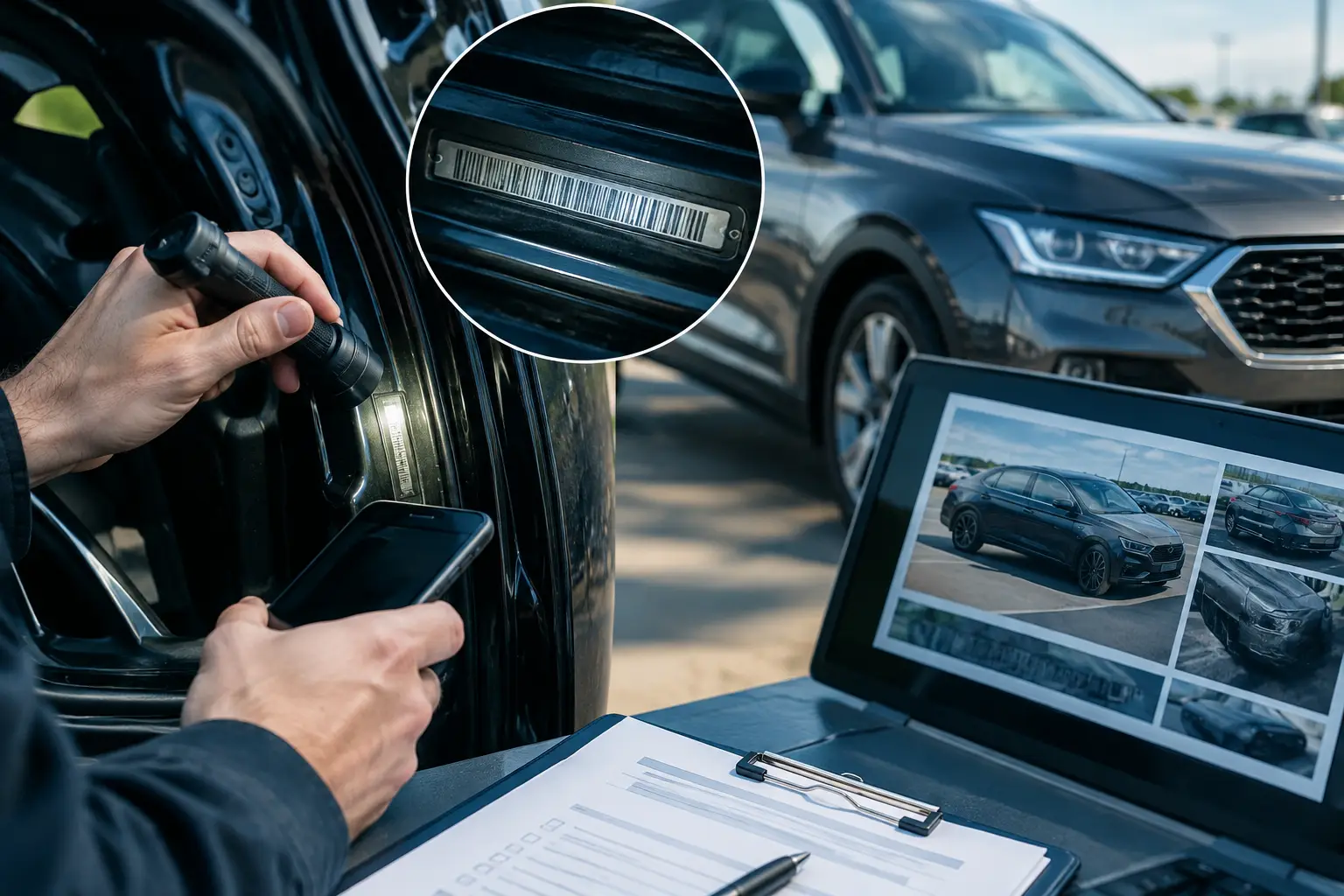

A clean exterior and a low asking price can hide a complicated past. If you are asking how to check theft recovery history, start before you meet the seller, not after you have negotiated. A vehicle that was reported stolen and later recovered is not automatically a bad purchase. But the recovery record can point to title complications, missing equipment, undocumented damage, or insurance decisions that materially change its value.
The goal is not to reject every recovered vehicle. It is to verify what happened, confirm how the vehicle was retitled, and price the risk correctly. That takes more than a seller’s explanation or a quick look at the dashboard.
What theft recovery history means
Theft recovery history indicates that a vehicle was reported stolen to law enforcement, an insurer, or both, and was later found. The record may appear in a vehicle history report, a title record, insurance data, or state motor vehicle records.
What happens next depends on the timeline. If the vehicle is recovered quickly and returned before an insurer settles the claim, it may keep a clean title. If an insurance company pays a total-loss theft claim, takes ownership, and the vehicle is later recovered, the title may receive a brand such as theft recovery, recovered theft, salvage, rebuilt, or another state-specific designation.
That difference matters. A recovered vehicle can be mechanically sound, while a clean-looking vehicle can still carry a branded title or a history that limits financing, insurance options, resale demand, and warranty coverage.
How to check theft recovery history with a VIN
The VIN is the starting point because it connects the vehicle to title, theft, damage, odometer, and ownership records. Do not rely on a plate number alone. Plates change, but the 17-character VIN is the vehicle’s permanent identifier.
First, get the VIN from the vehicle itself. Compare the VIN on the driver-side dashboard, driver-door label, registration, title, and any service paperwork. Mismatched VINs are a stop sign, not a minor paperwork issue. Walk away until the discrepancy is fully explained and independently documented.
Next, run a comprehensive VIN history report. Look specifically for theft events, recovery dates, title brands, insurance loss records, salvage history, auction listings, and registration gaps. A basic VIN decoder can confirm the vehicle’s specifications and open recalls, but it will not give you the full evidence needed to evaluate a theft recovery event.
DriveEvidence brings those records into a single vehicle view and pairs them with a risk-based score, so you can see whether a theft event is isolated or part of a larger pattern involving title changes, damage, or odometer concerns. The useful question is never just, “Was it stolen?” It is, “What happened before, during, and after recovery?”
Check the title, not just the listing description
Ask to see the current title before placing a deposit. Read the title brand field carefully and compare it with the VIN report. Sellers may use vague phrases such as “recovered,” “special title,” or “minor history” without stating whether the vehicle is salvage, rebuilt, or branded for theft recovery.
Title terminology varies by state. A theft-recovery brand in one state may be displayed differently after the vehicle is moved, repaired, or retitled elsewhere. That is why title history matters as much as the current title document. A vehicle can appear to have a routine title today while older records reveal a prior salvage or theft-related event.
If the seller cannot provide a title, says it is “on the way,” or pressures you to pay before you see it, treat the deal as high risk. Missing title paperwork is one of the easiest ways for a buyer to inherit a problem they cannot register, finance, or resell.
Verify that the theft record is closed
A theft report must show as recovered or otherwise cleared before a purchase can move forward safely. An unresolved stolen-vehicle record can create serious ownership and registration problems, even if the seller seems legitimate.
Request documentation showing the vehicle was recovered and legally released. Depending on the situation, that may include a law enforcement release, insurer documentation, a title reassignment, or state registration records. The exact paperwork varies, but the seller should be able to explain the chain of ownership clearly.
Do not accept “the police already cleared it” as proof. Verify the record through reliable vehicle history and title data, then make sure the VIN, dates, and owner names align with the documents in front of you.
Look beyond the theft event
Theft itself does not describe the vehicle’s condition. Some vehicles are recovered intact after a short time. Others are stripped for parts, driven hard, damaged during recovery, or left exposed to weather. The history surrounding the event determines whether the price reflects the real risk.
Review the timeline. A long gap between theft and recovery can increase the chance of damage, missing components, or incomplete maintenance records. A theft claim followed by a salvage title and auction sale suggests a very different level of risk than a quick recovery with uninterrupted ownership and service history.
Pay close attention to records that occur immediately after recovery. New title brands, rapid ownership changes, auction transactions, insurance losses, or odometer inconsistencies deserve a closer look. None of these items proves fraud on its own, but together they can reveal a vehicle that has been moved through the market faster than its condition can be verified.
Inspect recovered vehicles differently
A standard pre-purchase inspection is essential for any used vehicle. For a theft-recovery vehicle, ask the mechanic to focus on evidence of forced entry, ignition damage, missing modules, cut wiring, replaced locks, electrical faults, and airbag system issues.
Modern vehicles rely on networked electronic modules. A missing key, replaced ignition, damaged steering column, or poorly repaired wiring may lead to intermittent issues that do not appear during a short test drive. Verify that all keys work, the remote functions properly, warning lights perform their normal startup check, and every electronic feature operates as expected.
Also inspect the spare tire, tools, trim pieces, infotainment equipment, catalytic converter where visible, and underbody components. Theft-related losses are not always dramatic, but replacing missing factory equipment can be expensive. If repairs were completed, request itemized invoices and compare the work performed with the condition of the vehicle.
Decide whether the price justifies the history
A theft-recovery record should affect value, but the size of the adjustment depends on the title status, repair quality, vehicle type, and local market. A clean-title vehicle recovered quickly with documented inspection results may be a reasonable buy at a modest discount. A salvage or rebuilt vehicle with incomplete records should be discounted more heavily and may be harder to finance or insure.
Before you commit, confirm that your insurer will provide the coverage you want. Some insurers limit comprehensive or collision coverage on branded-title vehicles, and lenders may decline to finance them entirely. These restrictions can erase the savings from a low purchase price.
For dealers and auction buyers, the same principle applies at scale: do not treat a theft record as a single checkbox. Compare the vehicle against similar inventory, calculate repair exposure, verify title eligibility in the destination state, and account for slower resale velocity. A lower acquisition cost is only an advantage if the vehicle can be retailed with clear documentation and an honest condition story.
Questions to ask the seller
Ask when the vehicle was stolen, when it was recovered, who owned it at the time, whether an insurance claim was paid, and whether the title changed after recovery. Then ask what was repaired and request supporting invoices. A credible seller should answer directly and provide documents that match the VIN history.
Be careful with explanations that minimize the event without evidence, such as “it was only gone overnight” or “nothing was wrong with it.” Those statements may be true, but proof matters more than reassurance. If the seller becomes defensive when you request the title, VIN report, or inspection, you have learned something useful.
A recovered vehicle can still be the right vehicle. Buy it only when the record is closed, the title is clear about its status, the inspection supports the seller’s claims, and the price reflects every remaining risk. The proof behind the vehicle should be strong enough that you do not have to take anyone’s word for it.