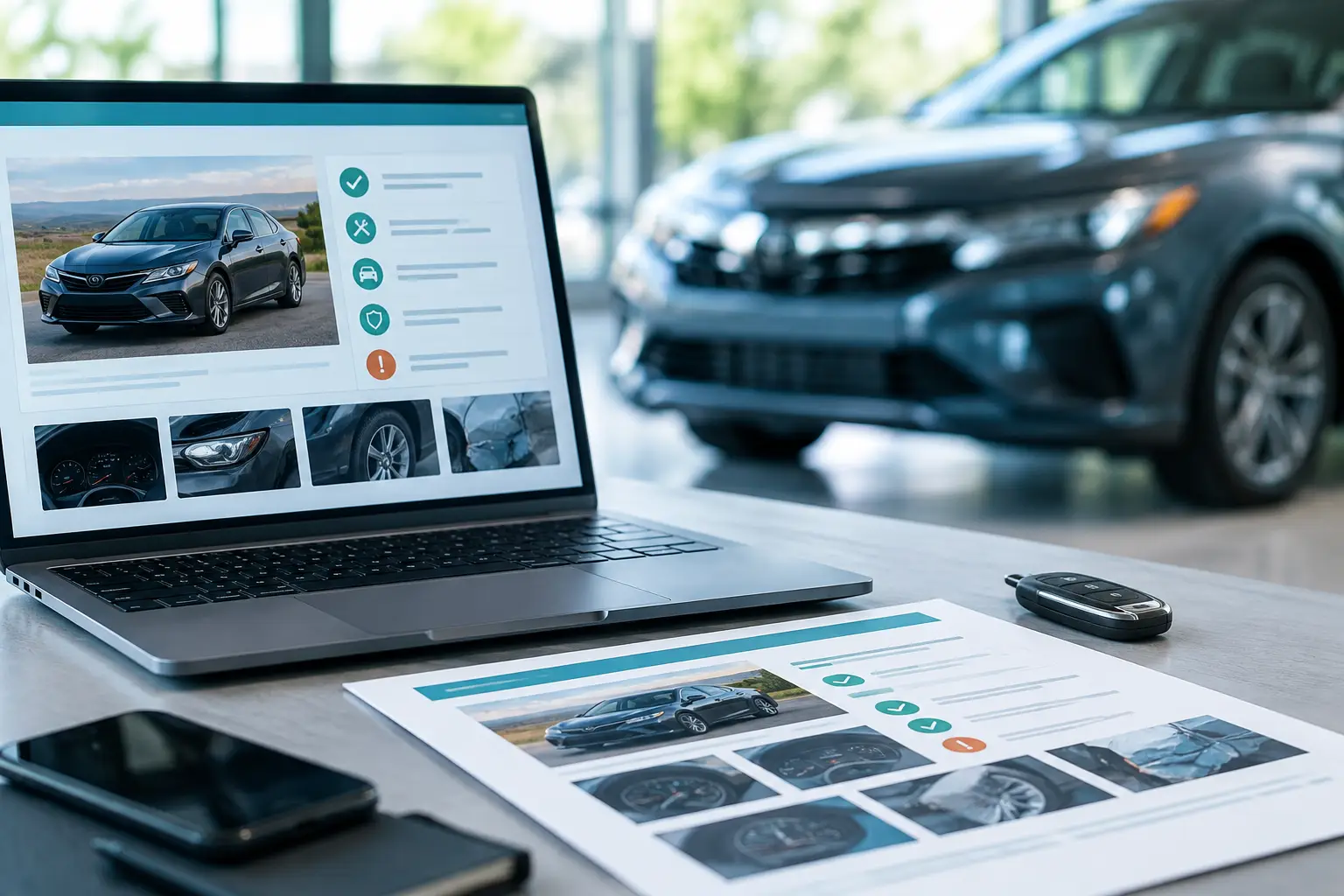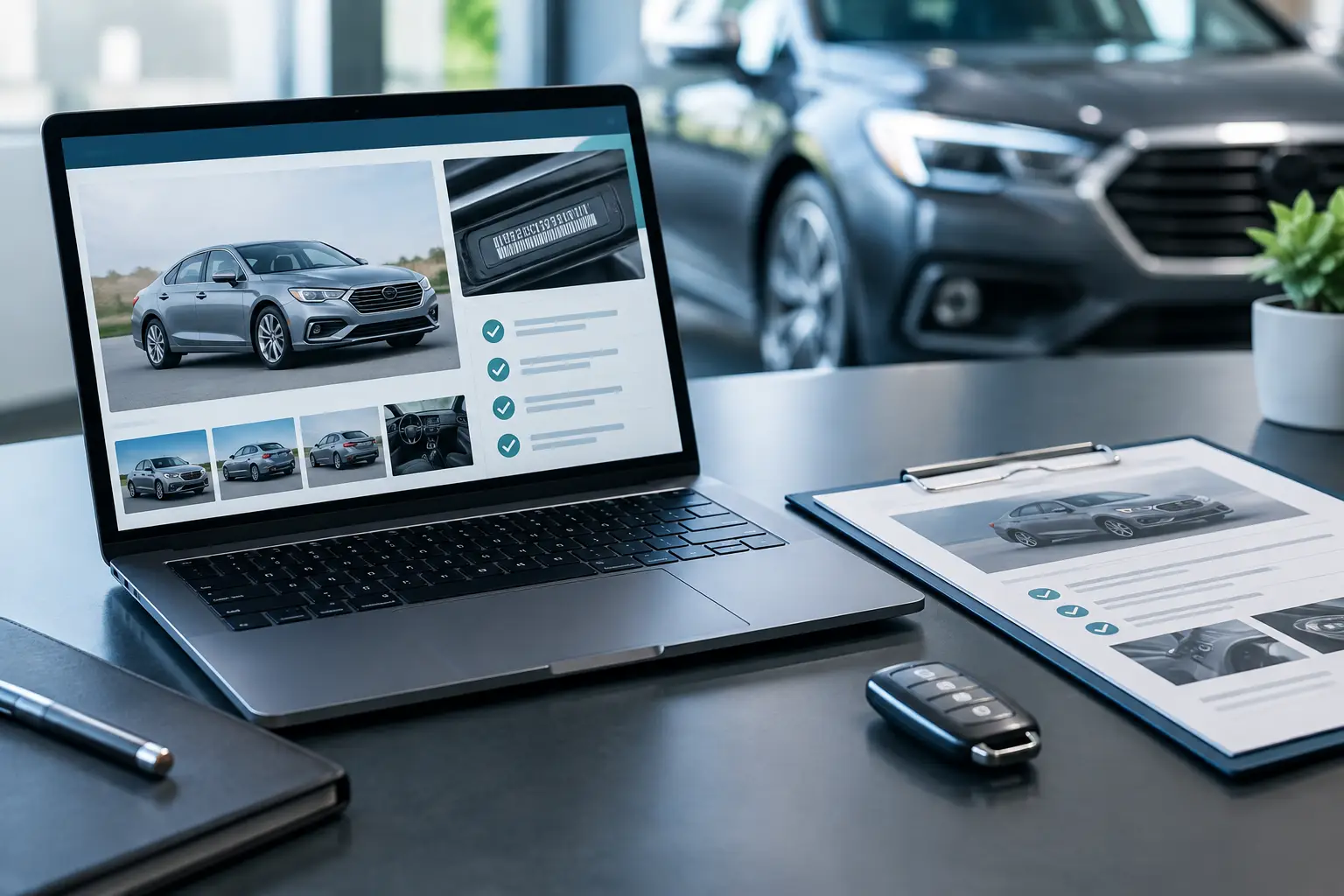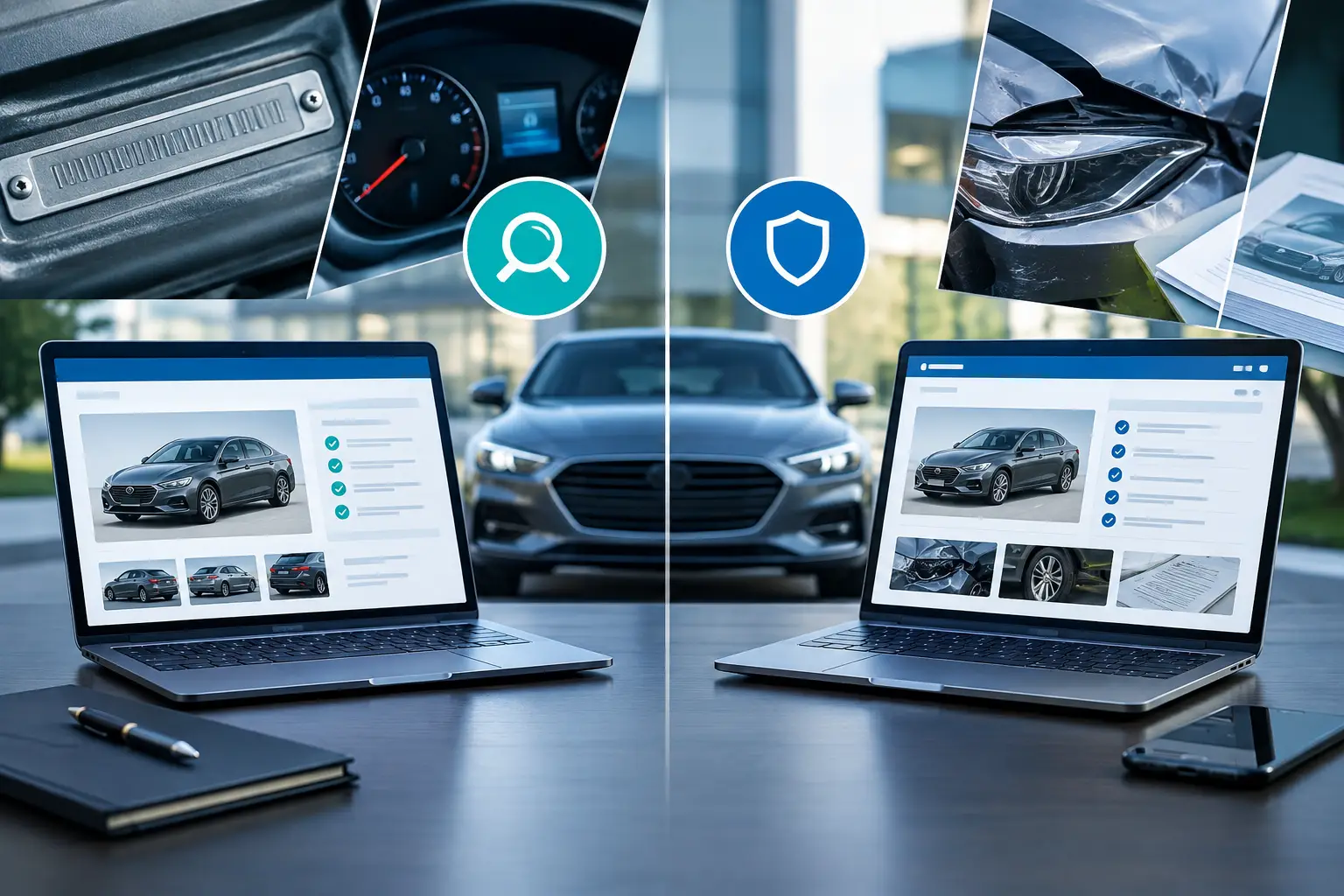
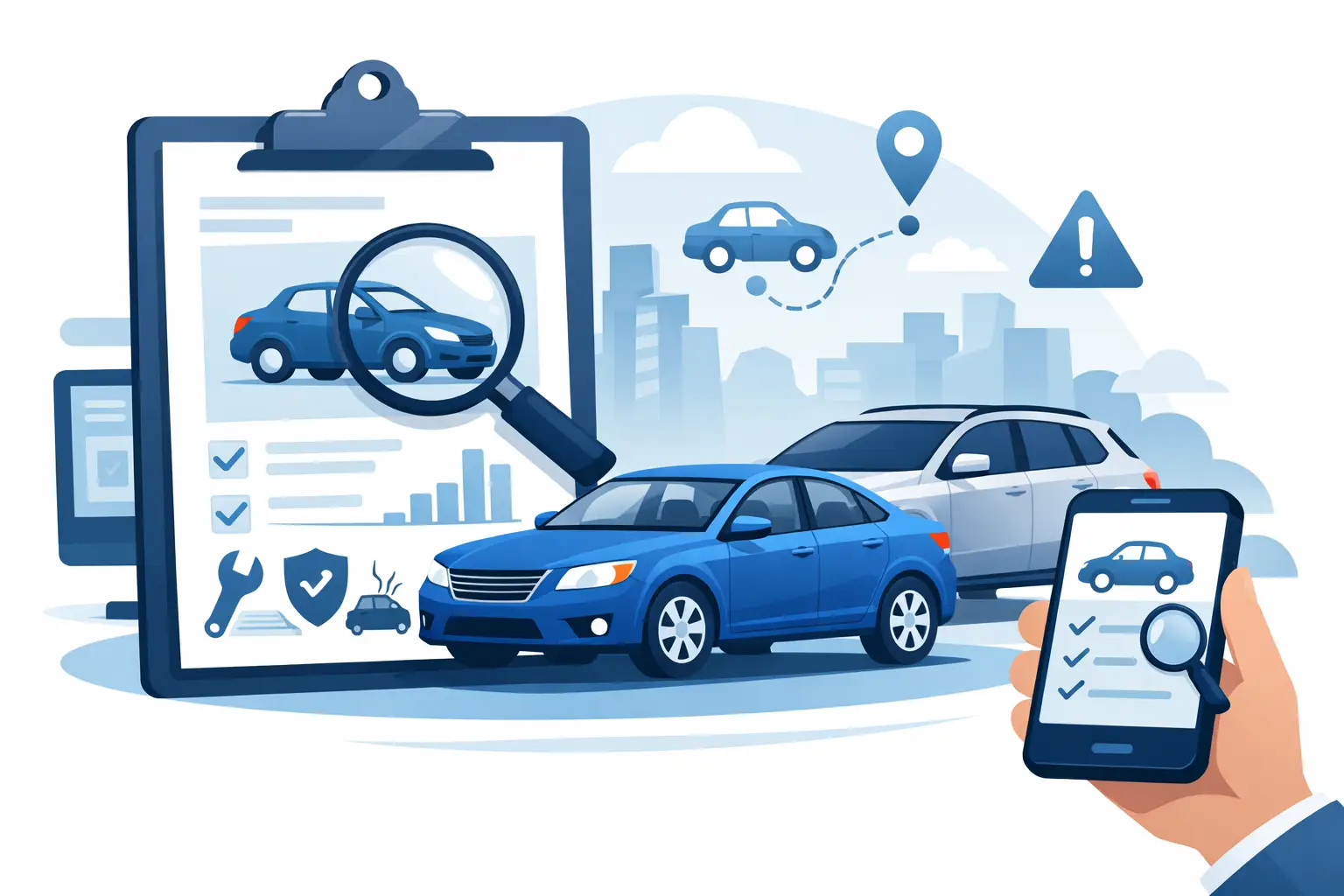
A used car can look clean, drive well, and still carry expensive history. That is why finding the best vehicle history report for used cars is less about getting a PDF and more about getting proof you can act on before money changes hands.
A lot of buyers still treat history reports like a checkbox. Run the VIN, skim for accidents, and move on. That approach misses the real job. A report should help you answer harder questions: Was the title ever branded? Does the odometer story make sense? Was damage minor cosmetic work or something that changed the risk of owning the car? If you are comparing several vehicles, can you tell which one is the safer buy in minutes, not hours?
What makes the best vehicle history report for used cars?
The best report is not simply the longest one. More records do not automatically mean better decisions. What matters is whether the report brings together verified data, explains risk clearly, and helps you move from raw history to a buying decision.
At minimum, a serious report should cover accident and damage history, title status, theft and recovery records, ownership history, odometer readings, recalls, and core vehicle specs. Market value context also helps because history only matters in relation to price. A car with one moderate accident is not always a bad buy. A car with one moderate accident priced like a pristine example usually is.
Clarity matters just as much as coverage. Many reports bury important issues in dense sections that force buyers to interpret every detail on their own. That is where people miss branded titles, mileage inconsistencies, or signs that a vehicle changed hands too often in a short period. The best systems reduce noise and elevate risk.
Why single-record lookups often fall short
A traditional report can tell you what happened to one car. That sounds useful until you are choosing between three SUVs, two pickup trucks, or an entire batch of auction inventory. Then the process gets messy fast.
Reviewing disconnected reports one by one makes it harder to compare vehicles consistently. One car may show clean title history but weak ownership patterns. Another may have stronger maintenance-related indicators but an open recall. By the time you finish toggling between files, the decision is slower and less precise than it should be.
This is where many buyers and dealers lose time. They are not short on data. They are short on structure. The best vehicle history report for used cars should help you compare, sort, save, and export findings across multiple VINs so the safest option stands out quickly.
The data points that actually change a buying decision
Not every line item carries the same weight. Some records are informational. Others are deal-changing.
Title brands sit near the top of the list. Salvage, rebuilt, flood, lemon, and similar brands can affect insurability, resale value, financing, and long-term confidence. Even when a rebuilt vehicle looks excellent in person, the title history changes the ownership math.
Odometer verification is another critical one. A mileage rollback is not just a paperwork problem. It distorts value, hides wear, and can turn a decent-looking purchase into a repair-heavy mistake. If mileage records jump backward, stall for long periods, or conflict with ownership timing, that deserves immediate scrutiny.
Accident history needs context. Buyers often overreact to any accident flag and underreact to vague damage language. A parking lot bump is not the same as structural damage, airbag deployment, or repeated collision events. The best reports separate minor incidents from patterns that suggest elevated risk.
Ownership history also tells a story. Fewer owners are not always better, but frequent transfers in a short timeframe can signal unresolved issues, resale difficulty, or wholesaler churn. A one-owner vehicle is helpful. A stable, explainable ownership record is better.
Open recalls should not be ignored either. They may be fixable at no cost, but they still affect safety and convenience. A good report surfaces them clearly instead of leaving them buried in a technical section.
A report is only as good as its decision framework
Raw records are useful. Decision signals are better.
Most used car buyers do not need more jargon. They need a fast way to understand whether a vehicle looks low risk, moderate risk, or high risk based on combined evidence. That is especially true for first-time buyers and busy dealership teams who may need to review several vehicles in a day.
A scoring model can help if it is transparent and tied to real risk factors. For example, a 0 to 100 score based on accident severity, title status, theft records, odometer consistency, ownership patterns, and recall data gives you something immediately usable. It does not replace judgment or inspection, but it creates a starting point that makes comparison far easier.
That is one of the smarter shifts in the category. Instead of asking users to decode every record manually, platforms like DriveEvidence turn complex history into a clearer signal with a risk-based score. For buyers and inventory teams, that saves time without pretending that all vehicles fit into a simple yes-or-no answer.
Best vehicle history report for used cars: what to compare
If you are choosing between providers, compare them the way you would compare vehicles - based on what actually affects outcomes.
Start with data breadth and verification. Does the provider show accident and title history only, or does it also include theft records, odometer checks, valuations, recalls, specs, and safety context? Broader coverage usually means fewer blind spots.
Then look at usability. Can you scan the report quickly? Can you compare multiple VINs side by side? Can you save vehicles, sort by risk, and export reports when you need to share findings with a spouse, customer, manager, or buying team? For professional users, this is not a bonus feature. It is workflow.
Pricing clarity matters too. Some shoppers only need one premium report. Others need a system they can use repeatedly while shopping or sourcing inventory. Free VIN lookups for basic specs and recalls are helpful, but paid reporting should be clear about what extra intelligence you are getting.
Finally, pay attention to how the provider handles ambiguity. No report catches every event, because not all incidents are reported into every data source. A trustworthy platform does not pretend otherwise. It shows what is verified, flags what looks inconsistent, and gives you a practical basis for the next step.
What a history report cannot do
Even the best vehicle history report for used cars has limits. If damage was never reported, it may not appear. If repairs were done off-record, the paper trail may be incomplete. If a seller VIN-swapped a listing by mistake or on purpose, the issue starts before the report itself.
That is why a report should support, not replace, an inspection and a basic reality check. Match the VIN on the vehicle to the paperwork. Compare the report with what you see in person. If the history looks clean but the body gaps are uneven, paint depth varies, or interior wear does not match mileage, slow down.
The point is not to distrust every car. The point is to avoid false confidence. Clean history is good news. It is not final proof that nothing happened.
Who needs more than a one-time report?
A single shopper deciding between two sedans can get value from one premium report. But if you are an independent dealer, auction buyer, fleet manager, or even a serious consumer comparing multiple cars across several weeks, the real value comes from a dashboard approach.
Being able to organize several VINs in one place changes the process. You can stack vehicles against one another, identify the cleanest option faster, and avoid redoing the same research every time a new listing appears. That shift from isolated reports to vehicle intelligence management is where time savings become meaningful.
It also reduces costly inconsistency. Teams make better decisions when everyone reviews the same risk signals, the same title and odometer checks, and the same valuation context. That is harder to achieve when reports live in separate files and inboxes.
The right report helps you say no faster
Most bad used car deals do not happen because buyers had zero information. They happen because the warning signs were scattered, buried, or easy to rationalize away.
The best report helps you say no fast when the title is wrong, the mileage does not add up, the damage pattern looks expensive, or the ownership trail feels off. Just as important, it helps you say yes with more confidence when a vehicle checks out and the price fits the history.
That is the standard worth using. Not just more data. Better proof, clearer risk, and a faster path to the truth before you buy.