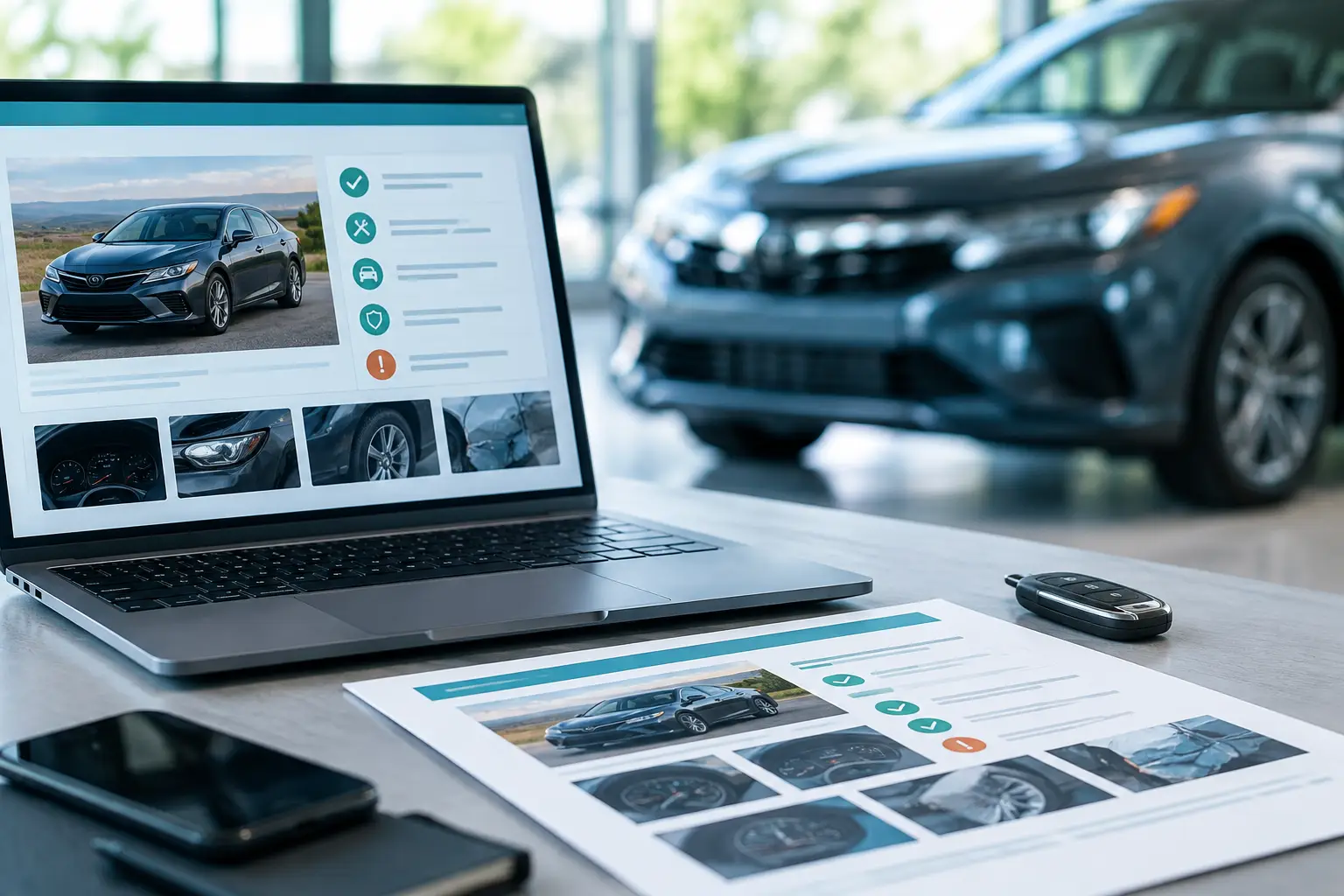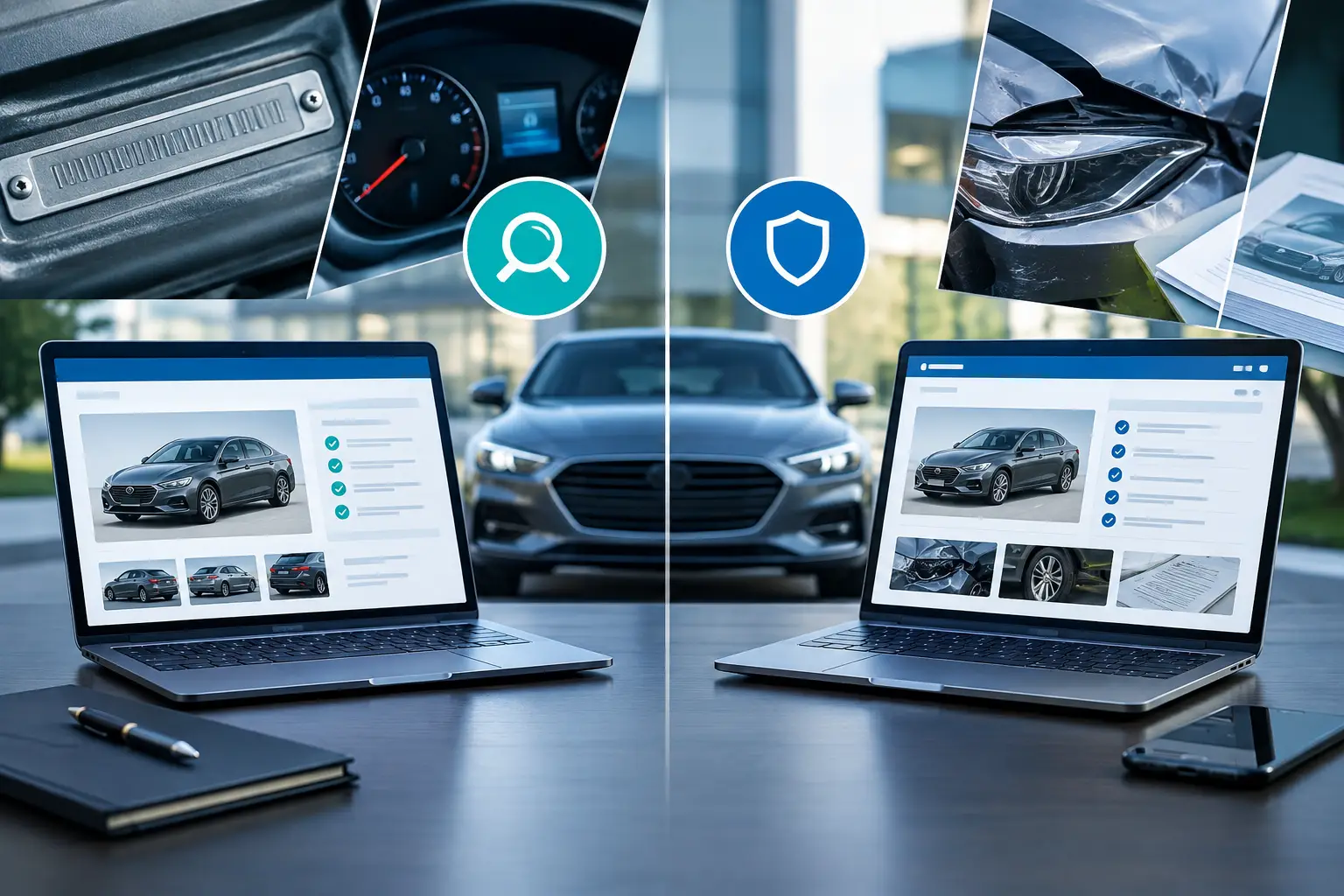

A seller says the SUV has the bigger engine, the premium package, and factory towing. The photos are blurry, the trim badge is missing, and the price looks a little too strong. That is exactly where a free VIN specs lookup helps. In a few seconds, you can confirm what the vehicle was built with and catch mismatches before they turn into wasted time or an expensive mistake.
For buyers, specs verification is one of the fastest ways to pressure-test a listing. For dealers and fleet teams, it is a first-pass filter that helps organize inventory, compare units, and spot errors early. It is not the whole story of a vehicle, but it is often the first piece of proof you should check.
What a free VIN specs lookup actually tells you
A VIN is more than a serial number. It encodes core details about how a vehicle was manufactured, including the make, model, model year, body style, engine type, transmission, drivetrain, and other factory-assigned attributes. Depending on the data source, a specs lookup may also return trim information, fuel type, safety equipment, dimensions, and manufacturer recall data.
That matters because vehicle listings are full of shorthand, assumptions, and occasional fiction. A seller may not know whether a truck is a 4x2 or 4x4. An auction sheet may abbreviate the trim incorrectly. A private listing might advertise leather, navigation, or a larger engine based on guesswork. A VIN-based specs check gives you an objective baseline.
It also helps with pricing. Two vehicles that look nearly identical can carry very different values once you confirm engine size, cab configuration, wheelbase, drivetrain, or premium packages. If you are comparing inventory or negotiating a purchase, those differences are not minor.
Why specs verification matters before history verification
People often jump straight to accident history or title brands, and for good reason. But there is a practical case for checking specs first. If the VIN decodes to a different trim, engine, or body style than the listing claims, you already have a credibility problem. That does not prove fraud on its own, but it tells you the deal needs closer review.
It also prevents you from buying the wrong report or evaluating the wrong vehicle. If a dealer lot has multiple similar units, or a wholesaler sends over a spreadsheet with light descriptions, a specs lookup helps confirm you are reviewing the correct VIN before moving deeper into pricing, recalls, and history.
For professionals handling volume, this step saves time. You can sort out obvious mismatches early and focus paid reporting or manual inspection on vehicles that still look viable.
Free VIN specs lookup vs. full vehicle history
A free VIN specs lookup is useful, but it has limits. It tells you what the vehicle should be at the factory level. It does not automatically tell you what happened after the vehicle left the assembly line.
That distinction matters. A free specs result may confirm that a car started life as an upper trim with all-wheel drive and a turbocharged engine. It will not, by itself, tell you whether the vehicle later suffered flood damage, had its odometer rolled back, was issued a salvage title, or changed hands unusually often.
Think of specs as identity verification. History is condition and risk verification.
If you are buying a daily driver from a private seller, you may only need the free specs lookup at the very start to weed out obvious listing errors. If you are bidding at auction, onboarding trade-ins, or evaluating a high-value truck or performance car, specs alone are not enough. That is where a full VIN report earns its place by adding title status, damage records, theft data, ownership events, market context, and a simpler risk signal.
What to check when you run a free VIN specs lookup
The most useful approach is not to admire the data. It is to compare it against the listing, the photos, and the seller's claims.
Start with the basics: year, make, model, and body style. If the listing says crew cab and the VIN decodes to extended cab, stop there and ask why. Then verify the engine, transmission, and drivetrain. Those three items can change value quickly, especially on trucks, SUVs, and performance vehicles.
Next, look at trim-level clues. Some VIN decoders identify trim directly. Others provide enough equipment detail to help you infer it. This is where buyers get tripped up. A vehicle may have aftermarket wheels, seat covers, or a touchscreen upgrade that makes it look more expensive than it is. The VIN tells you what it was built as, not what someone added later.
If recalls are included, check them. Open recalls are not always a deal-breaker, but they are part of the ownership equation. If you are buying for family use, fleet deployment, or resale, unresolved safety campaigns deserve immediate attention.
Where free specs tools help most
The strongest use case is early-stage screening. If you are browsing marketplaces, reviewing auction inventory, or sorting incoming trade leads, a free VIN specs lookup helps you separate accurate listings from questionable ones fast.
It is also valuable when pricing a vehicle. Specs affect market comparisons, insurance assumptions, and resale positioning. A misidentified engine or trim can distort comps and lead to bad numbers on both the buy side and the sell side.
For collectors and enthusiasts, specs checks help confirm production details before you chase originality. For fleet managers, they help standardize records across mixed inventory. For independent dealers, they reduce the friction of checking multiple units before spending money on full reports.
That is where a platform approach makes a real difference. Instead of treating each VIN as a separate research project, teams can move faster when specs, recalls, history signals, and side-by-side comparison tools live in one workflow. DriveEvidence is built for exactly that kind of decision-making speed.
Where a free VIN specs lookup can fall short
Not every VIN decode returns the same level of detail. Older vehicles may produce lighter data. Some manufacturers encode more cleanly than others. Trim identification can be inconsistent, especially when model lines get refreshed mid-cycle or share overlapping packages.
You also have to watch for overconfidence. A VIN decode can tell you the vehicle was built with a V8, but it cannot confirm the current mechanical condition of that engine. It can tell you the original body style, but not whether the vehicle was later repaired poorly after a collision. It can identify standard equipment, but not always every option package with precision.
This is why serious buyers do not stop at specs. They use specs to verify identity, then layer on title, damage, odometer, and recall checks, followed by inspection and pricing review. The more expensive or risky the vehicle, the less room there is for shortcuts.
How buyers and dealers should use the result differently
A retail buyer usually wants one answer fast: is this vehicle what the seller says it is? If the specs line up, that is your signal to keep going. If they do not, ask direct questions before you invest more time.
A dealer or auction buyer has a broader workflow. Specs are useful not just for validation but for merchandising, appraisal accuracy, stocking decisions, and inventory sorting. If you process multiple VINs a day, the value is not just one decoded record. It is the ability to compare vehicles quickly and move the questionable ones out of the active pipeline.
That is also where a scoring model can help. Raw records are useful, but busy teams often need a faster read on risk. A simplified signal backed by verified data can make triage easier, especially when inventory volume is high.
The smart way to think about free VIN specs lookup
Use it as your first checkpoint, not your only checkpoint. It is fast, practical, and often enough to catch listing mistakes, trim confusion, and pricing problems before they cost you money. It helps you know whether the vehicle in front of you matches the vehicle being advertised.
But if the stakes are real - and they usually are - specs should lead to deeper verification, not replace it. A clean decode does not erase the possibility of hidden damage, title issues, theft records, or odometer concerns. It just tells you the vehicle's factory identity appears to make sense.
That small step can save hours of wasted shopping and protect you from bigger mistakes. Know what the vehicle is first. Then decide whether it is worth trusting.