
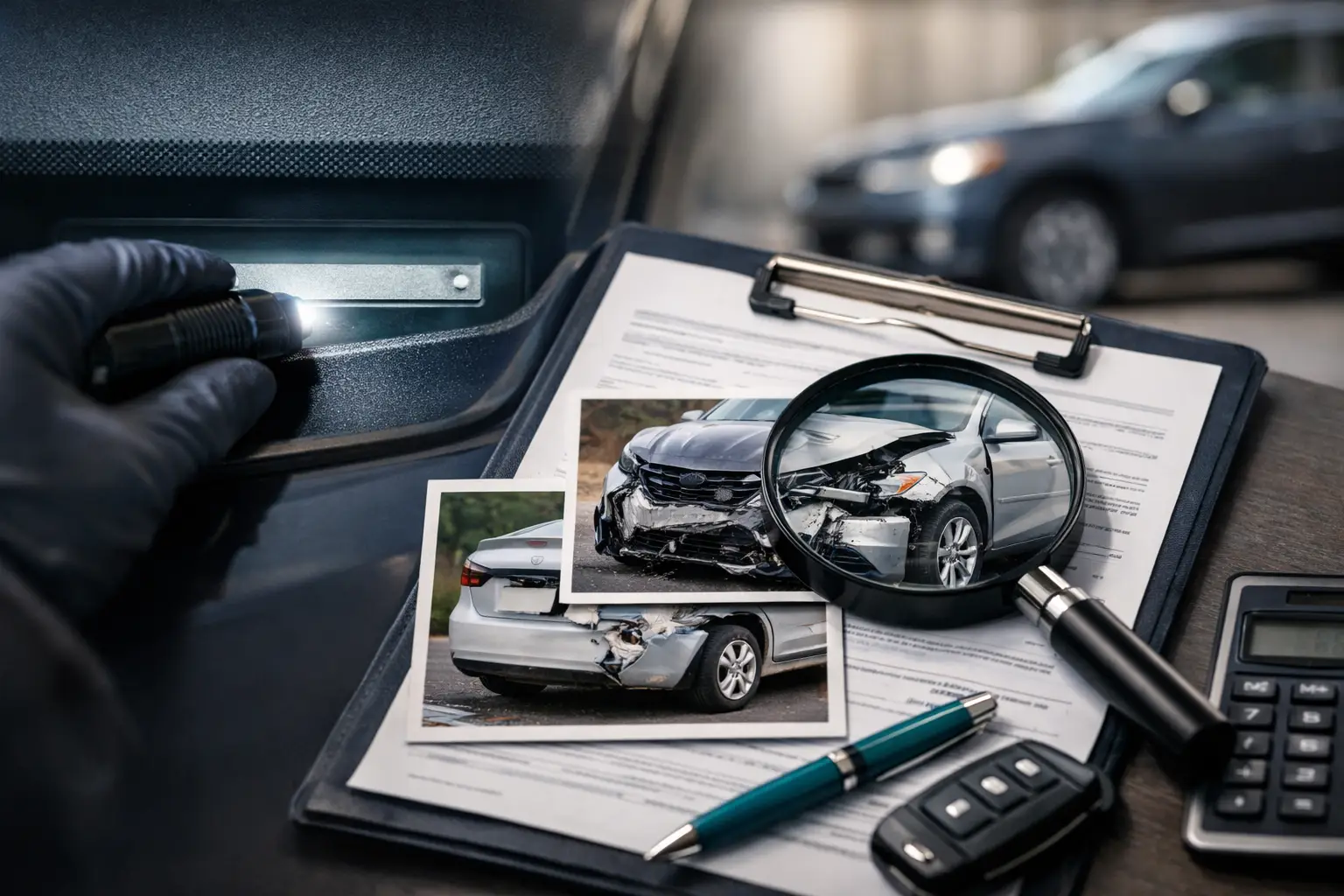
A seller says the car is clean. The photos look fine. The price is just low enough to feel like a deal. Then you run the VIN and find a damage record from two years ago. That is why buyers keep asking the same question: can a VIN show accident history? The short answer is yes, sometimes clearly, sometimes partially, and sometimes not at all.
A VIN is not magic. It does not contain a built-in log of every crash a vehicle has ever had. What it does is connect that vehicle to records collected from insurers, repair facilities, auctions, state agencies, police reports, salvage channels, and other reporting sources. When those records exist and are reported correctly, a VIN-based vehicle history report can reveal accidents, damage events, title brands, and other warning signs that matter before money changes hands.
Can a VIN show accident history in a reliable way?
Yes, but reliability depends on the quality and depth of the data behind the VIN search. A VIN itself is simply the vehicle's 17-character identifier. The real value comes from the database tied to that identifier.
If an accident led to an insurance claim, a police report, an auction disclosure, or a repair record that was shared with data providers, there is a good chance a vehicle history report will reflect it. In those cases, the VIN can help surface useful facts such as the date of loss, damage type, area of impact, airbag deployment, total loss status, or whether the vehicle later received a salvage or rebuilt title.
But there is a hard limit buyers should understand. If damage was repaired privately, never reported to insurance, handled off the books, or recorded by a shop that does not contribute data, that event may never appear in a VIN history report. That does not make the report inaccurate. It means the event never entered the reporting chain.
This is why a clean report should never be treated as proof that a vehicle has never been in an accident. It is better viewed as proof that no accident or damage event was found in the available verified records.
What a VIN report can reveal about past accidents
When accident history is available, a VIN-based report can do more than flag a generic issue. It may show whether the vehicle had a minor damage event or a severe loss that changed its market value and risk profile.
In stronger records, you may see accident dates, damage severity indicators, point of impact, airbag deployment, tow records, auction announcements, structural damage notes, and title brands such as salvage, rebuilt, flood, or junk. Ownership changes after a major damage event can also matter. A quick resale after an accident is not automatic proof of a problem, but it can be a useful pattern to investigate.
For dealers, auction buyers, and fleet managers, these details change the math quickly. A vehicle with prior rear-end damage and no title issue may still be viable inventory. A vehicle with a total loss record, inconsistent odometer history, and a rebuilt title is a very different decision. The VIN does not make the decision for you, but it gives you evidence to price, inspect, or reject with more confidence.
Why some accidents never show up under a VIN
The biggest mistake buyers make is assuming every crash creates a permanent public record. That is not how the system works.
Some accidents stay invisible because the owner paid for repairs out of pocket. Some are repaired by small body shops that do not feed data into national history systems. Some incidents are classified as damage rather than formal accidents. Timing matters too. Fresh events can take time to appear in reporting pipelines.
There is also a difference between cosmetic damage and reportable loss activity. A bumper scrape in a parking lot might be fixed with no insurance claim and no external reporting. A major collision with frame damage, airbags deployed, and an insurance payout is far more likely to leave a record trail.
That gap is exactly why smart buyers do not stop at one data point. They use the VIN report as a verified baseline, then compare it against a pre-purchase inspection, service records, visible panel gaps, paint inconsistency, tire wear, glass date codes, and seller behavior.
Can a VIN show accident history if the title is clean?
Yes. A clean title does not mean a clean history.
This confuses a lot of buyers because title status and accident history are related, but not identical. A vehicle can have a clean title and still show accident or damage records. That usually means the insurer or owner repaired the car without the vehicle being declared a total loss. In those cases, the title stays clean even though the accident can still affect value, alignment, safety systems, and long-term reliability.
The reverse is also true. A branded title such as salvage or rebuilt tells you there was a serious event in the vehicle's past, but the title alone may not explain the full story. You still need the surrounding record trail to understand what happened and how the vehicle returned to the road.
For buyers comparing multiple used cars, this is where a risk-based view matters. Two vehicles can both have clean titles, but one may carry far more hidden exposure based on damage records, ownership patterns, odometer flags, and recall status.
How buyers should use VIN data before purchase
The right question is not just can a VIN show accident history. It is whether the VIN results give you enough evidence to move forward.
Start with the VIN before you schedule a visit, wire a deposit, or waste time negotiating. If the report shows major damage, title brands, theft recovery history, or odometer inconsistencies, you may save yourself a trip. If the report looks acceptable, use it to guide the inspection rather than replace it.
For example, if the record shows front-end damage, have a mechanic pay close attention to radiator support repairs, weld quality, airbag systems, and alignment. If the report shows auction activity after damage, ask for repair invoices and compare the dates. If there is a gap between the seller's story and the vehicle history, trust the gap.
Professionals handling more than one unit should also think comparatively. A single report can answer one question. A side-by-side dashboard can help answer the bigger one: which vehicle is the better risk-adjusted buy? That is where platforms like DriveEvidence are built to save time, especially when you are screening several VINs at once and need a clearer signal than raw records alone.
Red flags a VIN check should trigger
Some findings deserve extra caution even when the vehicle still looks presentable.
Repeated damage events can suggest chronic issues or poor repair quality. A branded title almost always requires closer review. Odometer discrepancies paired with accident records raise fraud concerns. Theft recovery entries can lead to missing components or future electrical problems. If the history shows damage but the seller insists the car has never been hit, that is not a small mismatch. It is a trust problem.
Be careful with wording too. Sellers often say "no accidents" when the record may show "damage reported." That difference matters less than they want you to think. Damage is damage. Your job is to find out how severe it was, how well it was repaired, and whether the price reflects the risk.
What a clean VIN history really means
A clean VIN history is useful, but it is not a warranty. It means no disqualifying events were found in the accessible reporting sources tied to that VIN. That is valuable. It is just not the same as proving zero prior damage.
For first-time buyers, that distinction can prevent expensive mistakes. For dealers and fleet teams, it can protect margins and reduce downstream reconditioning surprises. The strongest buying decisions come from stacking evidence, not assuming one screen tells the whole story.
If you are evaluating a used vehicle, use the VIN report early, read past the headline status, and let the records shape your next move. The goal is not to find a perfect car. It is to find the truth before you buy.