A clean test drive can hide a lot. A used car may feel solid, look sharp, and still carry a branded title, rollback risk, prior damage, or open recalls. That is exactly why buyers ask what is a vehicle history report for cars before they commit to a deal.
A vehicle history report is a VIN-based record summary that helps you verify a car’s background before purchase, resale, trade-in, or fleet use. It pulls together data tied to a specific vehicle identification number and turns scattered records into something you can actually use. Done well, it gives you evidence - not guesswork - about whether a vehicle is worth pursuing.
What is a vehicle history report for cars, exactly?
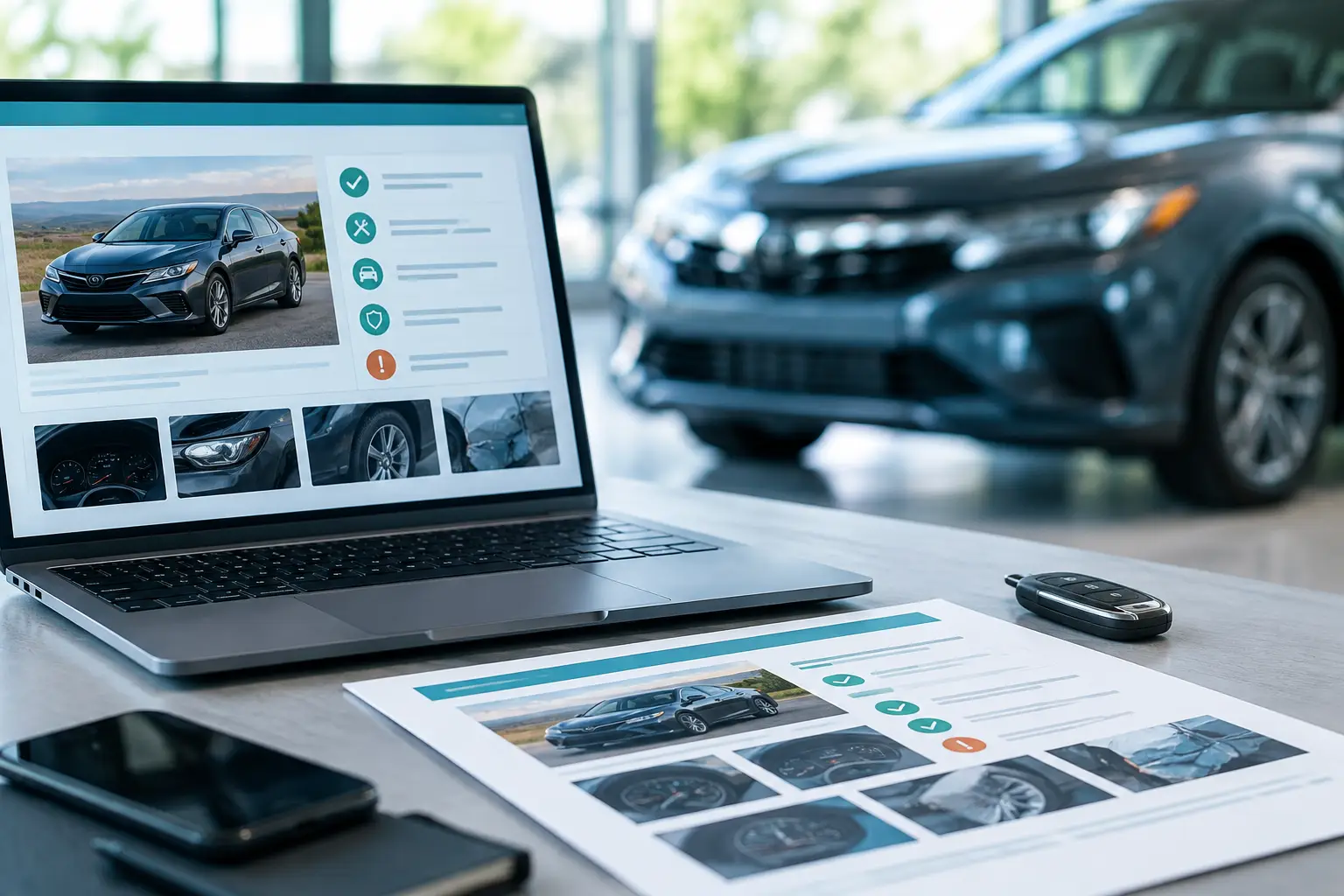
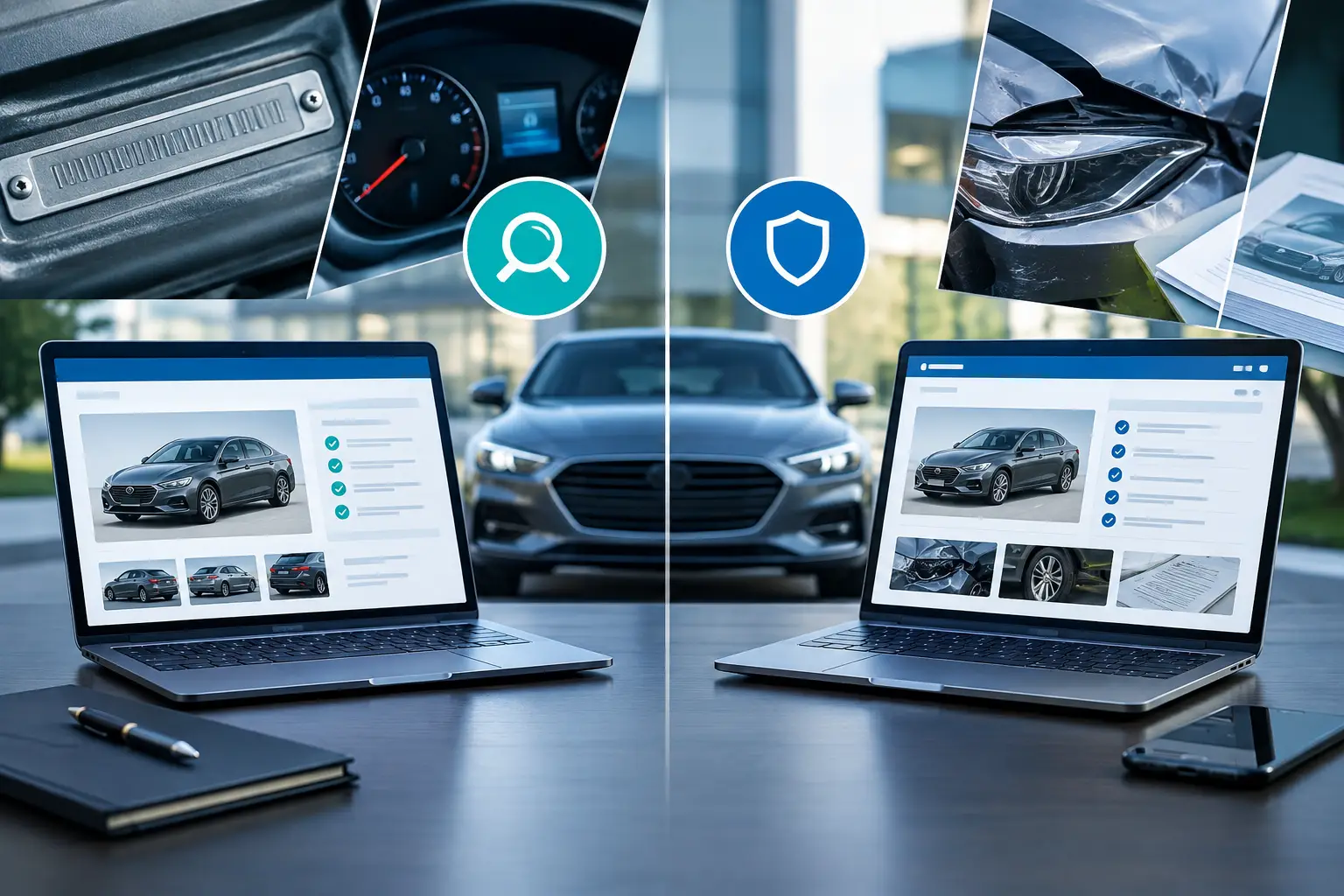
At its core, a vehicle history report is a decision tool. It compiles information from multiple sources and shows whether a car has records tied to accidents, damage, title problems, theft, odometer readings, ownership changes, recalls, and more.
The VIN is the anchor. Because that 17-character number follows the vehicle, it allows data providers to match records from DMVs, insurance activity, salvage sources, auctions, service channels, manufacturers, and public safety databases. The result is a history snapshot that gives buyers and dealers a faster read on risk.
That matters because the biggest used-car problems rarely show up in a listing description. A seller may not know the full history. In some cases, they may know and choose not to disclose it. A report helps cut through both scenarios.
What a vehicle history report usually includes
Not every provider pulls from the same sources or presents data the same way, but most strong reports cover a common set of records.
Title status is one of the first things to check. If a car has a clean title, that is generally a better starting point than one with brands such as salvage, rebuilt, flood, junk, lemon, or hail damage. A branded title does not always make a car unusable, but it changes the risk profile, financing options, resale value, and sometimes insurability.
Accident and damage records are another core section. These may include reported collisions, structural damage, airbag deployment, or insurance-related damage events. The key word is reported. Some damage never makes it into a database, so a report should guide your inspection, not replace it.
Ownership history helps you understand how the car was used. A one-owner personal vehicle can read very differently from a vehicle that rotated through commercial use, fleet service, rental duty, or multiple quick ownership changes. More owners do not automatically mean a bad vehicle, but frequent transfers can justify a closer look.
Odometer verification is critical because mileage affects value, maintenance needs, and fraud risk. A history report may show recorded mileage over time and flag inconsistent readings. If the numbers move backward or jump in a way that does not make sense, that is a serious warning sign.
Theft and recovery records help confirm whether the car was ever reported stolen and later recovered. Open recall information can show whether the manufacturer has issued a safety recall that still needs repair. Many reports also include specifications, trim data, engine details, and in some cases market value estimates to help you compare the asking price against the vehicle’s profile.
Why this report matters before you buy
The main value is simple: it helps you avoid paying clean-car money for a car with hidden risk.
If a seller lists a vehicle as accident-free but the VIN shows prior damage, you have leverage or a reason to walk away. If the title comes back branded, you can adjust your expectations before wasting time on financing, inspections, or transport. If mileage records look inconsistent, you may have uncovered a much bigger problem than cosmetic wear.
For dealers, auction buyers, and fleet managers, the same logic applies at scale. One vehicle with hidden issues can hurt margin. Ten can damage inventory quality, customer trust, and internal efficiency. A report gives teams a faster filter so they can spend time on vehicles worth deeper evaluation.
What a vehicle history report does not tell you
This is where buyers need to stay disciplined. A vehicle history report is powerful, but it is not perfect and it is not complete in every case.
It only reflects records that were reported and successfully matched to the VIN. If a car was repaired privately after a minor crash and no insurance claim, police report, shop report, or title event was filed, that damage may never appear. If an odometer issue was never documented, a report may not catch it. If records are delayed, the latest event may not show up right away.
A report also does not tell you whether the current mechanical condition is good. It will not confirm brake life, transmission behavior, battery health, tire age, fluid contamination, or whether a prior repair was done well. That is why a pre-purchase inspection still matters, especially for higher-value vehicles, performance cars, trucks used for towing, and anything with a complicated ownership story.
The best approach is layered verification. Use the report to identify risk. Then confirm the condition with an inspection, service records, and a careful review of the title and seller documents.
How to read a vehicle history report without missing the real red flags
A common mistake is treating the report like a pass-fail test. It is better to read it as a pattern.
Start with title brands and title status. Those can affect almost everything else, from value to registration to insurance. Then check accident and damage records, followed by odometer entries and ownership timeline. Look for contradictions. A car advertised as lightly used should not show intense commercial activity. A low-mileage car should not have mileage gaps that feel impossible.
Pay attention to chronology. If a major damage event appears and then the vehicle moves quickly through auction or changes hands several times, that context matters. If a theft record appears with no clear resolution, get clarity before going further. If there is an open recall on a safety-critical system, plan on addressing it immediately.
This is also where a scoring model can help. Instead of forcing buyers to interpret every data point from scratch, platforms like DriveEvidence translate complex history into a risk-based score that makes side-by-side comparison faster. That does not replace reading the underlying records, but it helps you prioritize which vehicles deserve attention and which ones deserve caution.
What is a vehicle history report for cars used for by dealers and fleet teams?
For professionals, the report is not just a buyer safeguard. It is an inventory control tool.
Dealers use vehicle history data to appraise trades, screen auction purchases, justify pricing, and build trust with retail buyers. When you process multiple VINs a day, speed matters. So does consistency. Reviewing isolated reports one by one slows teams down and makes comparison harder.
Fleet managers use history reports differently but with the same goal: reduce risk and improve decision quality. They may check title integrity before acquisition, confirm usage history, validate odometer readings, and sort units by risk before deployment or resale. For both groups, the strongest workflow is one that lets them compare, sort, save, and export vehicle data without jumping between disconnected sources.
When a clean report is not enough
A clean report is better than a report full of issues, but it is not a guarantee.
If the price is oddly low, the seller is evasive, the title paperwork feels rushed, or the physical condition does not match the mileage, keep going. Check panel gaps, paint variation, glass dates, tire wear, underbody corrosion, warning lights, and service documentation. A report should support what you see. If the story on paper and the car in front of you do not match, trust the mismatch.
That applies even more to collector vehicles, rebuilt cars, and older models with incomplete records. In those cases, history data is still useful, but context matters more. A limited record trail on a 20-year-old car is not unusual. A missing or inconsistent trail on a late-model daily driver is harder to ignore.
The smartest way to use one before making a decision
Run the VIN early, not after you are emotionally committed. Compare the report against the listing, the seller’s claims, the title, and the inspection. Use the findings to negotiate when the issues are manageable and to walk away when the risk is not priced in.
The goal is not to find a perfect used car. The goal is to know what you are buying, what it is worth, and what problems may follow you home. That is the proof behind every smart vehicle decision - and usually the difference between a confident purchase and an expensive surprise.