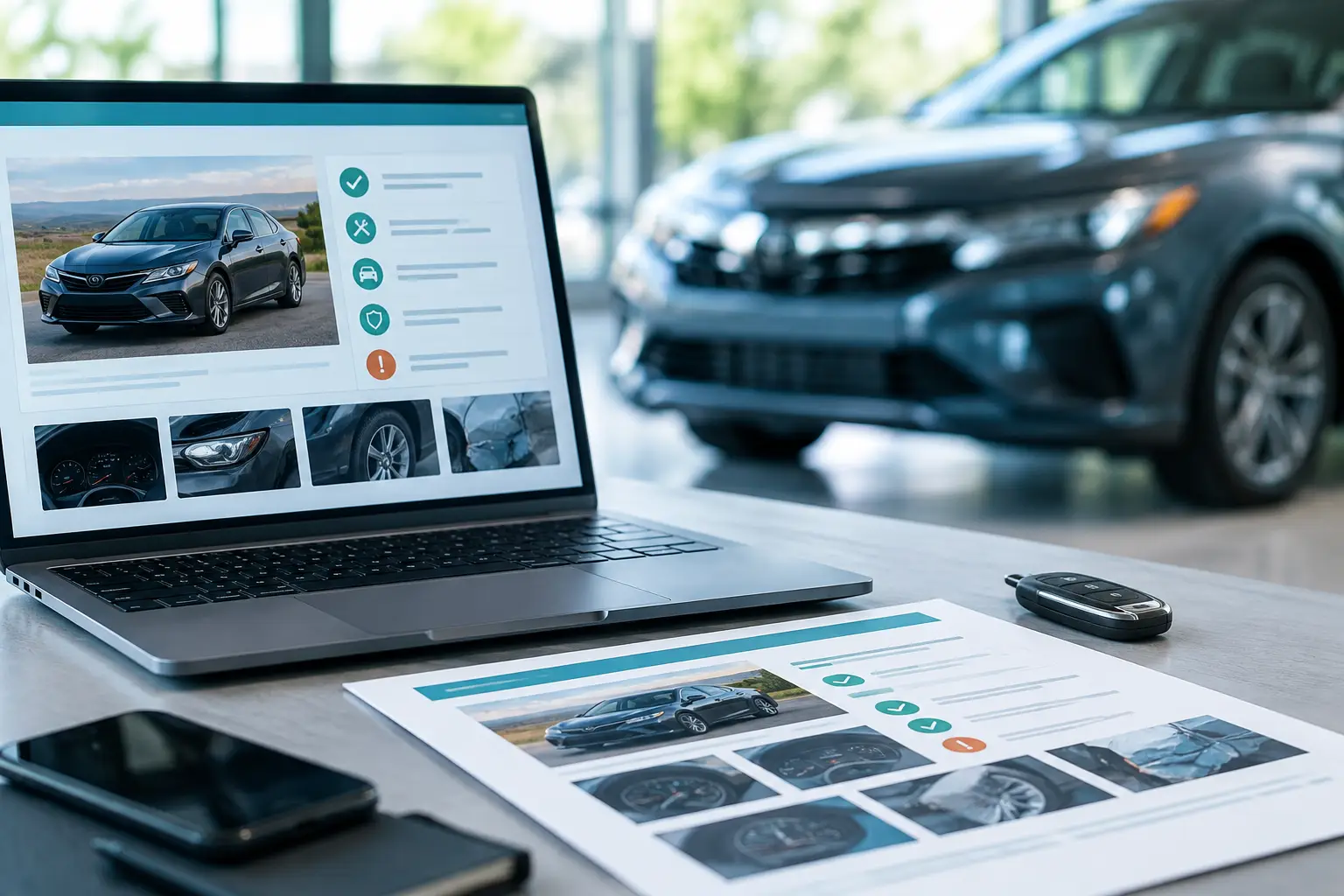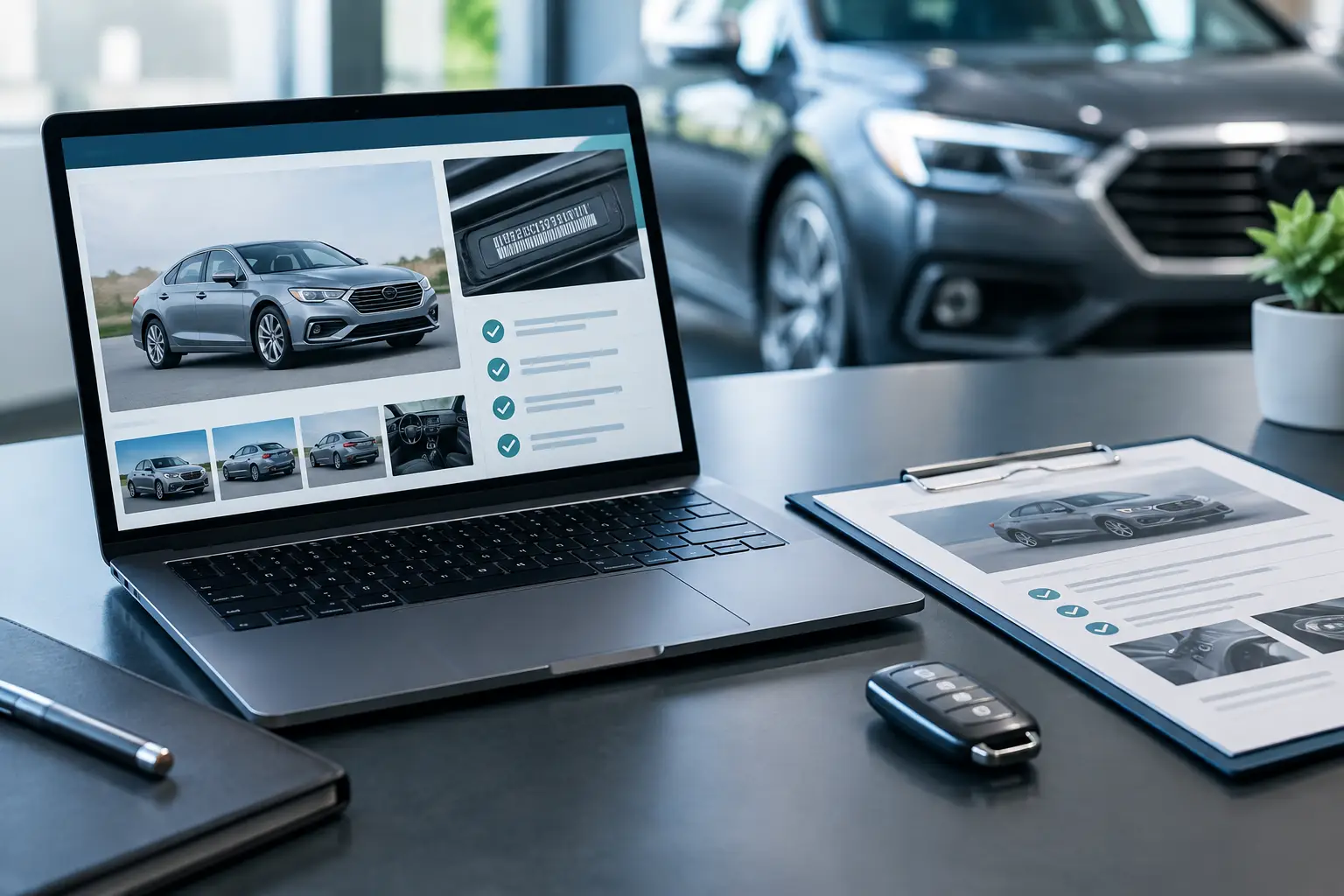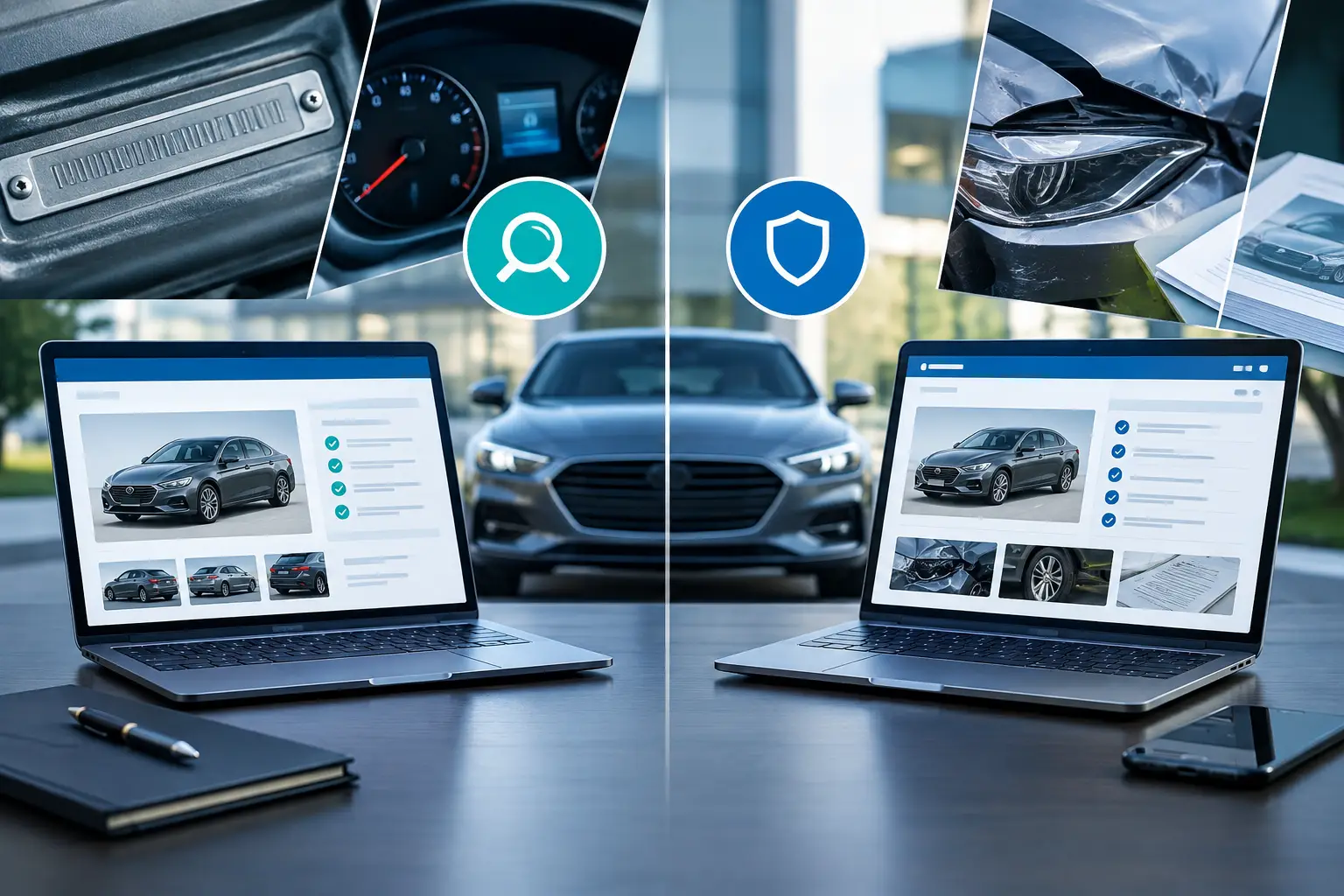
That cheap SUV with the clean photos and low miles can look right until one digit in the VIN tells a different story. If you are searching for vin number verification free, you are usually trying to answer one urgent question fast: is this vehicle real, correctly described, and worth deeper scrutiny?
A free VIN check can absolutely help. It can confirm whether the VIN format is valid, whether the vehicle specs match the seller's description, and whether there are open recalls tied to that identifier. In some cases, it can also surface theft indicators or limited title data. But free verification is not the same as a full vehicle history review, and that distinction matters when money, safety, and fraud risk are on the line.
What vin number verification free actually means
At the simplest level, VIN verification means checking that a 17-character Vehicle Identification Number is legitimate and tied to a specific vehicle identity. That includes basics like make, model, year, engine, body style, and manufacturing details. If a listing says the car is a 2020 trim with a V6 and the VIN decodes to a different year or engine, you already have a problem.
Free VIN verification tools are usually built for this first layer of validation. They help you confirm that the VIN is structurally valid and decodes properly. Some also include open recall data or basic vehicle specs. This is useful because seller errors are common, and scams often start with a copied, altered, or mismatched VIN.
What they usually do not provide is the full proof behind ownership events, accident records, title brands, odometer rollbacks, auction announcements, or insurance-related damage. Those records often come from paid or restricted data sources and need stronger aggregation and verification.
What a free VIN check is good at
When used correctly, a free VIN check is a fast filter. It can save you from wasting time on the wrong car before you pay for an inspection or a deeper report.
Confirming the VIN is valid
A real VIN follows a defined format. It contains 17 characters and excludes letters that are often confused with numbers, such as I, O, and Q. A free decoder can often catch formatting issues immediately. If the VIN fails that test, stop there.
Matching the vehicle to the listing
This is one of the most practical uses. You can compare the decoded VIN details to the seller's ad, window sticker claims, or dealer description. Year, trim family, engine type, drivetrain, and body style should line up. If they do not, either the seller made a mistake or the listing is not trustworthy.
Checking recalls and basic safety information
Many free tools can show open recalls. That matters for both private buyers and dealers. An unresolved recall does not automatically kill a deal, but it does affect safety, repair timing, and sometimes resale confidence.
Screening for obvious fraud signals
A free VIN search may help identify a stolen vehicle flag, salvage indicator, or duplicate listing issue, depending on the data source behind the tool. Coverage varies widely, so think of this as an early warning layer, not a final answer.
Where free VIN verification falls short
Free is useful. Free is not complete. That is the trade-off.
A vehicle can pass a free VIN verification check and still have a branded title, prior flood damage, mileage inconsistencies, structural repairs, or a long ownership pattern that raises questions. Those are the details that affect value and risk. They are also the details most likely to change your decision.
This is where many buyers get tripped up. They assume that because the VIN decoded correctly, the vehicle is clean. But decoding identity is different from verifying history. One confirms what the vehicle is supposed to be. The other helps confirm what actually happened to it.
For example, a truck may decode exactly as advertised and still have prior accident damage that was repaired and never mentioned in the listing. A sedan may have no open recalls and still carry an odometer inconsistency from a prior sale. A free check will not reliably close those gaps.
How to use vin number verification free the right way
The smart approach is layered. Use free VIN verification at the start, not at the end.
Begin with the VIN itself. Make sure it matches in every place it appears: the dashboard plate, driver-side door sticker, title, registration, insurance card if available, and the listing. Even one mismatch deserves attention. If the seller hesitates to share the VIN before a meeting, that is already useful information.
Next, decode the VIN and compare the specs against the advertised vehicle. Pay close attention to year, engine, trim, and drivetrain. Misstated trim levels are especially common because they affect price. A vehicle advertised as a higher package may decode to a lower one.
Then check for open recalls and any free-access warning indicators. If a problem appears, ask direct questions and request documentation. The seller's response often tells you as much as the record itself.
If the vehicle still looks promising, move to a fuller record review before you buy, bid, finance, or transport it. That is the point where history verification, title review, mileage validation, and market context matter. For professionals evaluating multiple units, this step matters even more because a single hidden issue can affect margin across the board.
The red flags free tools can help you catch early
A free VIN check is most valuable when it helps you reject a bad vehicle quickly. Watch for these patterns.
If the VIN does not decode, appears too short, or includes invalid characters, treat it as a stop sign. If the decoded year or engine does not match the listing, ask why before doing anything else. If the seller's photos show one trim level but the VIN decodes to another, the pricing may be inflated. If recall records appear but the seller claimed there were no known issues, verify everything independently.
Also pay attention to context. A valid VIN does not make an unrealistic deal legitimate. If the price is far below market, the seller is pushing for a deposit, and the VIN only passes a basic decoder, you still do not have enough proof.
Why buyers, dealers, and fleets use different standards
Not every shopper needs the same level of verification.
A private buyer looking at one family SUV might start with a free VIN lookup and then pay for a deeper review only on the finalist. That is a rational path. An independent dealer buying at auction or a fleet manager evaluating multiple units cannot afford that slower approach. They need repeatable verification, side-by-side comparison, and a quick way to separate low-risk inventory from vehicles that need closer review.
That is where a dashboard model becomes more practical than chasing disconnected single reports. Instead of checking one VIN at a time with no context, you can compare records, sort by risk, and keep your decisions organized. DriveEvidence is built around that reality, which is why it pairs free entry-level VIN lookups with deeper reporting and a score that turns raw history into a clearer signal.
Free VIN verification vs. full vehicle intelligence
Think of free VIN verification as identity confirmation. Useful, fast, and worth doing every time. But identity alone does not tell you whether the vehicle was neglected, rebuilt, branded, rolled back, stolen and recovered, or priced fairly against its actual condition.
Full vehicle intelligence goes further. It connects title events, damage records, theft history, ownership changes, odometer readings, recalls, and valuation context into one decision framework. That is what helps you answer the harder question: not just is this VIN real, but is this vehicle a smart buy?
For some vehicles, the answer after a free check is simple. The listing is wrong, the VIN is suspicious, or the recall situation is messy enough to move on. For others, the free check gives you just enough confidence to justify a deeper review. Both outcomes are useful because both protect your time and money.
The best rule is simple: use free VIN verification to validate the surface, then verify the story before you commit. A clean decode is a good start. It is not the proof behind every vehicle. The moment the numbers matter, trust records over claims and verification over optimism.