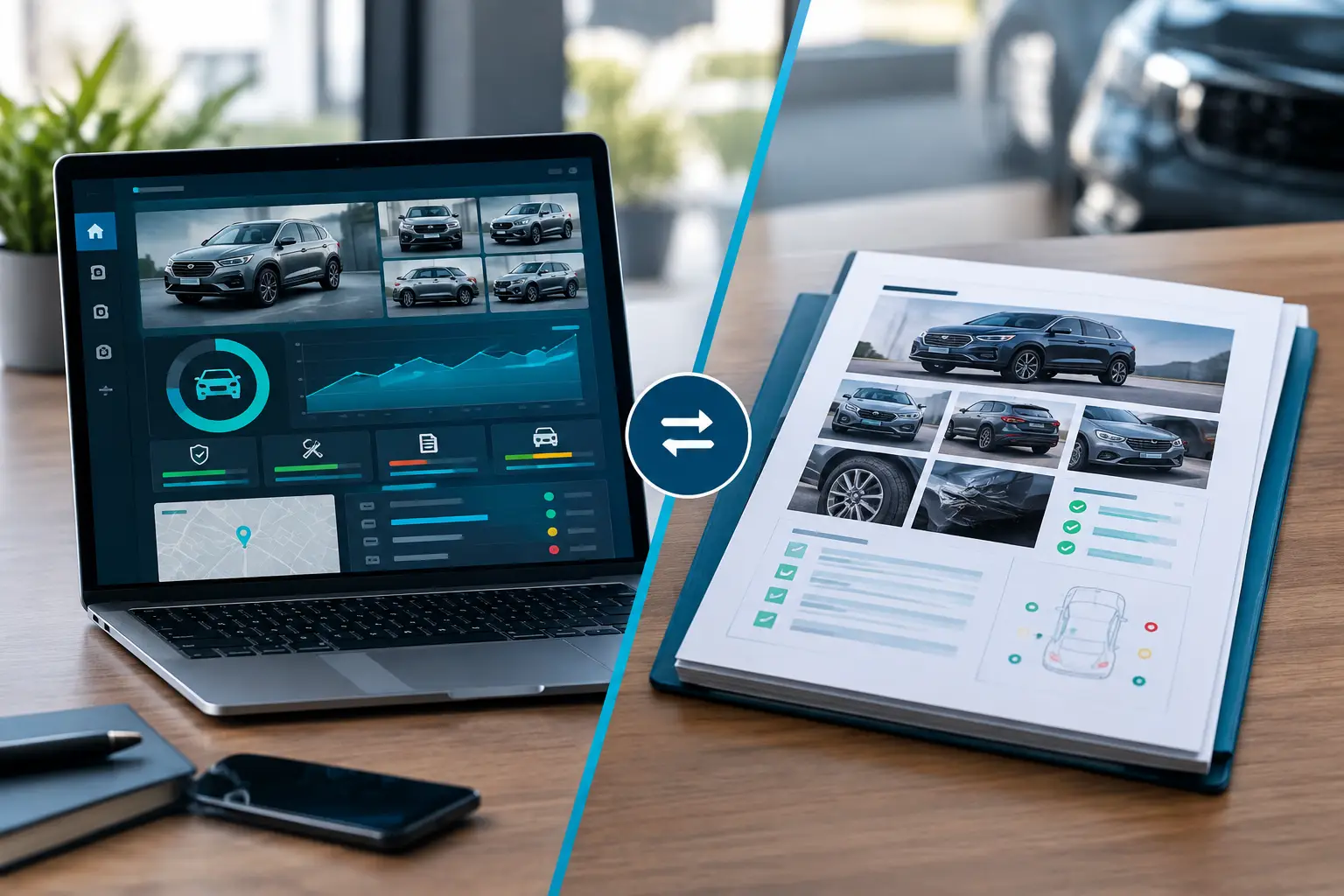
A single VIN report can tell you whether one vehicle deserves another look. But dealer dashboard vs single reports is not simply a question of screen layout. It is a question of workflow: whether your team can identify risk, compare opportunities, and act before a clean-looking listing becomes an expensive surprise.
For a shopper buying one car, a standalone report may be enough. For a dealer appraising trades, buying at auction, managing recon, or stocking multiple units each week, reviewing reports one at a time creates blind spots. The more vehicles you evaluate, the more the format of your data affects the quality and speed of your decisions.
Dealer Dashboard vs Single Reports: The Core Difference
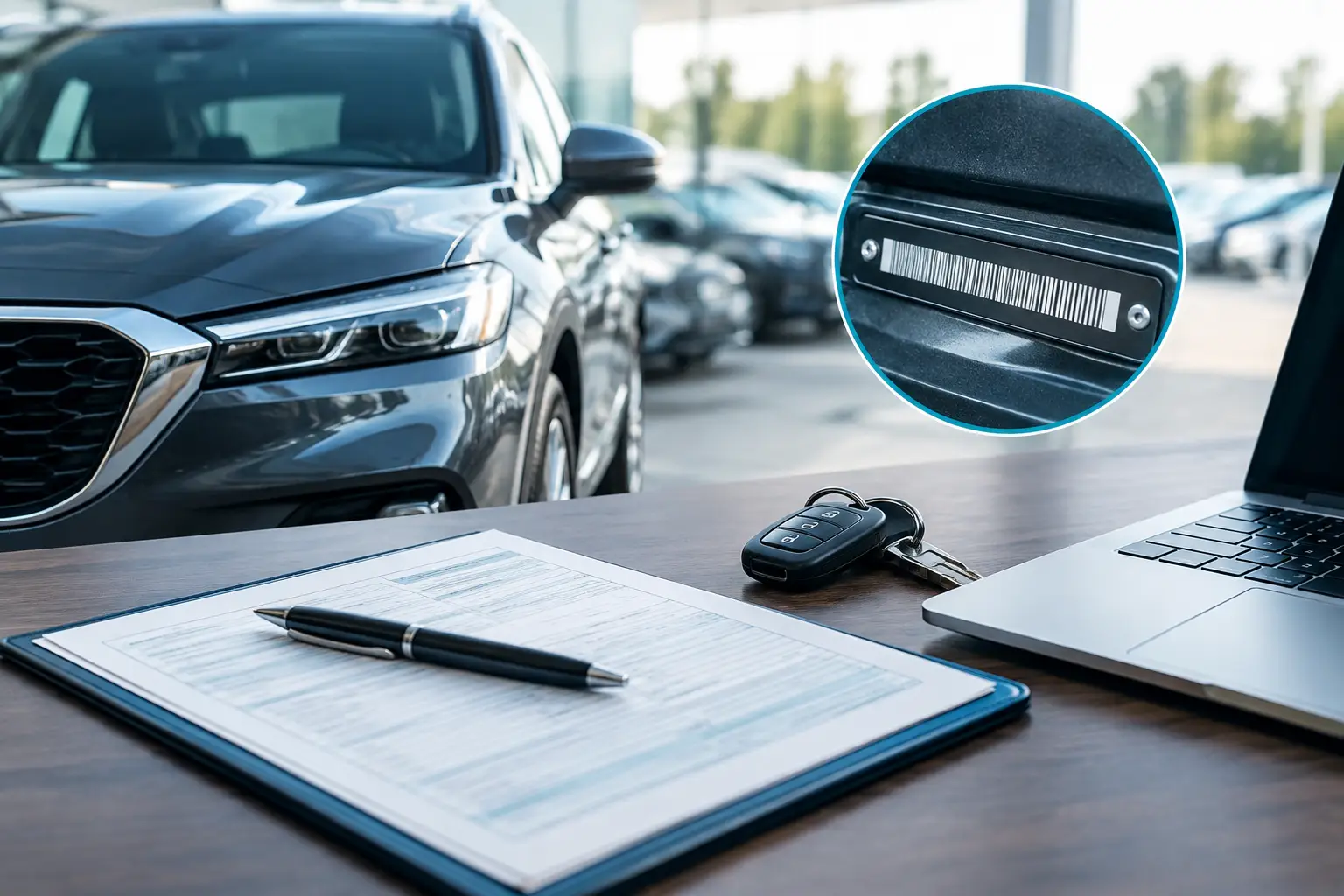
A single report is built for a single question: What do we know about this VIN? It presents vehicle history, title information, damage events, odometer records, ownership data, recalls, and other findings in one document or screen. That is useful when the vehicle is already selected and you need to verify it before moving forward.
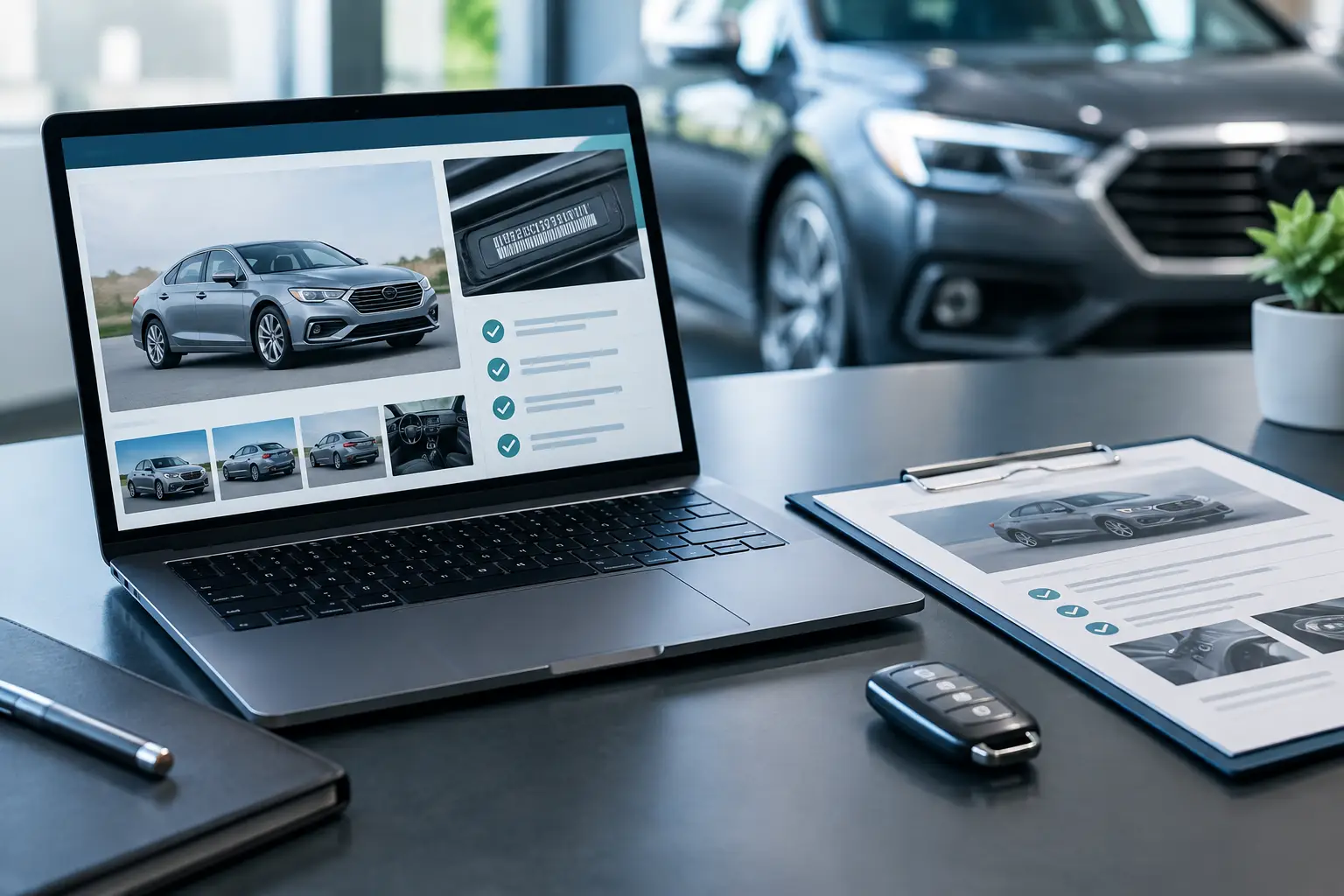
A dealer dashboard is built for a broader question: Which of these vehicles deserves attention, which carries the most risk, and what should we do next? Instead of treating each VIN as a separate research project, it creates a working inventory of vehicles that can be saved, sorted, compared, filtered, and exported.
The difference matters most when there are competing choices. A buyer may be deciding between three similar SUVs. An independent dealer may be reviewing 20 auction candidates. A fleet manager may need to assess a group of outgoing units before resale. In each case, the decision is comparative. A stack of disconnected reports forces the user to remember details across tabs, downloads, and notes. A dashboard keeps the evidence in view.
Where Single Reports Still Make Sense
Single reports are not obsolete. They are a practical fit when the volume is low and the decision is narrow. If a consumer has found one vehicle, obtained the VIN, and wants to check for title brands, reported accidents, theft records, or odometer concerns, one complete report can provide the proof needed to negotiate or walk away.
They also work well for customer-facing moments. A salesperson may need to provide history documentation for a specific unit. A private seller may want to show transparency to a buyer. In those situations, a focused report is easy to share and easy to discuss.
The limitation appears when the report becomes the only research tool. A report can reveal a prior damage event, but it does not automatically show whether another available vehicle has a cleaner history at a similar cost. It can show a title brand, but it does not organize an entire acquisition list around title risk. The data may be solid, yet the workflow remains manual.
Why Disconnected Reports Slow Down Inventory Decisions
Dealers do not evaluate VINs in a vacuum. Acquisition teams weigh condition, history, transport cost, market demand, expected recon, wholesale alternatives, and margin. History data must support that process without adding unnecessary friction.
With single reports, the usual process is repetitive: open a VIN, review the findings, make notes, move to the next VIN, then try to reconstruct the comparison later. The risk is not just lost time. It is inconsistent attention. One evaluator may focus on accident history, another may overlook a title issue, and a third may forget that a competing vehicle had fewer owners and a stronger resale profile.
This becomes especially costly in auction environments. Vehicles move quickly, and attractive condition photos can distract from the records that change a bid ceiling. A dashboard helps teams surface exceptions early rather than discovering them after the purchase. That can include reported theft and recovery records, title brands, inconsistent odometer history, open recalls, or damage patterns that deserve closer inspection.
A dashboard does not replace a physical inspection, an auction condition report, or a technician's review. It does make sure the vehicles needing extra scrutiny are identified before more money and time are committed.
The Advantage of Comparing Risk Side by Side
The best acquisition decisions are rarely based on one signal. A vehicle with no reported accident may still be overpriced. A vehicle with a reported minor incident may be a sound buy if the title is clean, the odometer history is consistent, the repair quality checks out, and the price properly reflects the history.
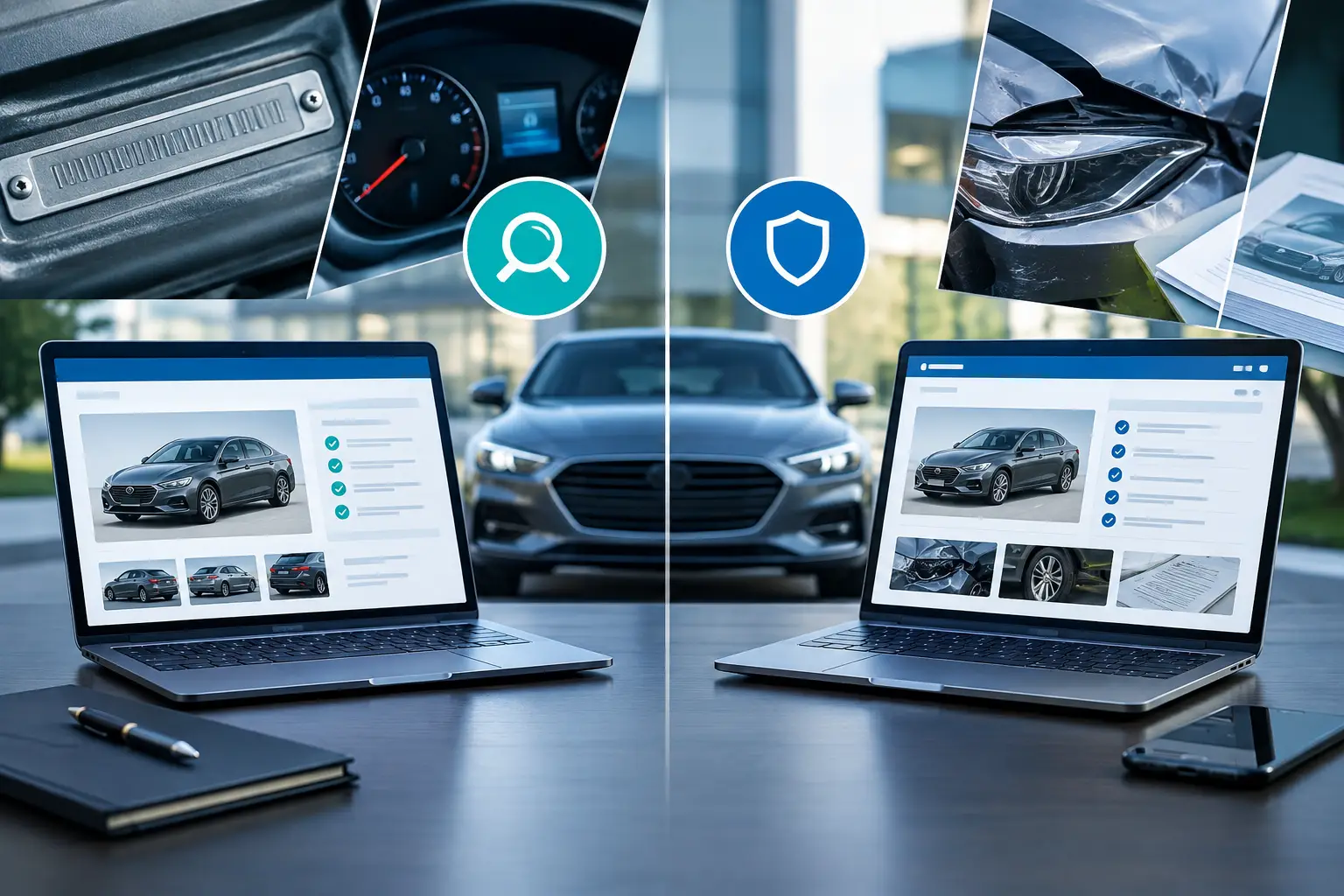
That is why side-by-side comparison is more useful than a simple pass-or-fail approach. A dashboard lets users compare the evidence across vehicles without relying on memory. It can reveal that one truck has a clean title but an unresolved recall, while another has a prior damage record but lower mileage, stronger market value, and better overall fit for the lot.
A clear score can speed up that first pass. DriveEvidence uses a 0-100 risk-based score to turn complex history into a decision signal, while preserving the underlying records that explain the result. The score should guide attention, not replace judgment. A lower score is a reason to investigate further; it is not, by itself, a final verdict on condition or value.
For teams, consistency is a major benefit. When every vehicle is evaluated through the same fields and risk framework, buyers, managers, and appraisers are less likely to make decisions based on whichever detail happens to stand out first.
What a Useful Dealer Dashboard Should Let You Do
A dashboard earns its place only if it reduces work. It should allow a team to save VINs as they are sourced, organize them by auction, location, status, or priority, and sort the list by the factors that matter to the current buying strategy.
It should also make comparison practical. That means seeing key records and risk indicators across multiple vehicles, not opening a fresh page for every answer. When a unit moves forward, the information should be available for appraisal notes, purchase approval, recon planning, and customer conversations.
Exporting is another operational requirement. Dealership decisions often involve people who are not sitting in the same system at the same time. A buyer may need manager approval, an inventory manager may need a record of acquired units, and a sales team may need documentation that supports transparent merchandising. Exportable evidence keeps the vehicle story intact as it moves through the business.
Finally, the dashboard should not bury the facts behind a score or vague label. Verified source data, clear record categories, and visible limitations build trust. If a record is reported, users should be able to understand what was reported. If no record is found, that should not be presented as a guarantee that no event ever occurred.
The Trade-Off: Convenience Does Not Eliminate Due Diligence
A dashboard can create a false sense of certainty if users treat it as a replacement for process. Vehicle-history data is one layer of evidence. It does not confirm paint quality, detect every unreported repair, measure engine health, or predict how a used vehicle will perform after sale.
For that reason, the right workflow combines fast digital screening with the right next step. A clean, high-scoring vehicle may still need an inspection and market review. A vehicle with a concern may still be worth pursuing, but only after the issue is priced, documented, and evaluated against the exit strategy.
The decision also depends on volume. A consumer comparing two vehicles may prefer individual reports and a simple shortlist. A dealer buying several vehicles per week will usually benefit from centralized tracking and comparison. As volume rises, the cost of scattered information rises with it.
Build a Process That Protects the Margin
The goal is not to collect more reports. It is to make better calls with the evidence you already need. Start by screening every prospective VIN for the same high-impact risks: title status, odometer consistency, damage history, theft records, ownership patterns, recalls, and value context. Then compare viable units against each other before setting a bid, trade allowance, or retail price.
When the data is centralized, exceptions are easier to catch and clean vehicles are easier to prioritize. That protects more than a purchase decision. It protects recon budgets, customer trust, turn time, and gross margin.
The next vehicle may look good in the lane or on the listing page. Make sure the proof is organized well enough to tell you whether it is actually the better buy.