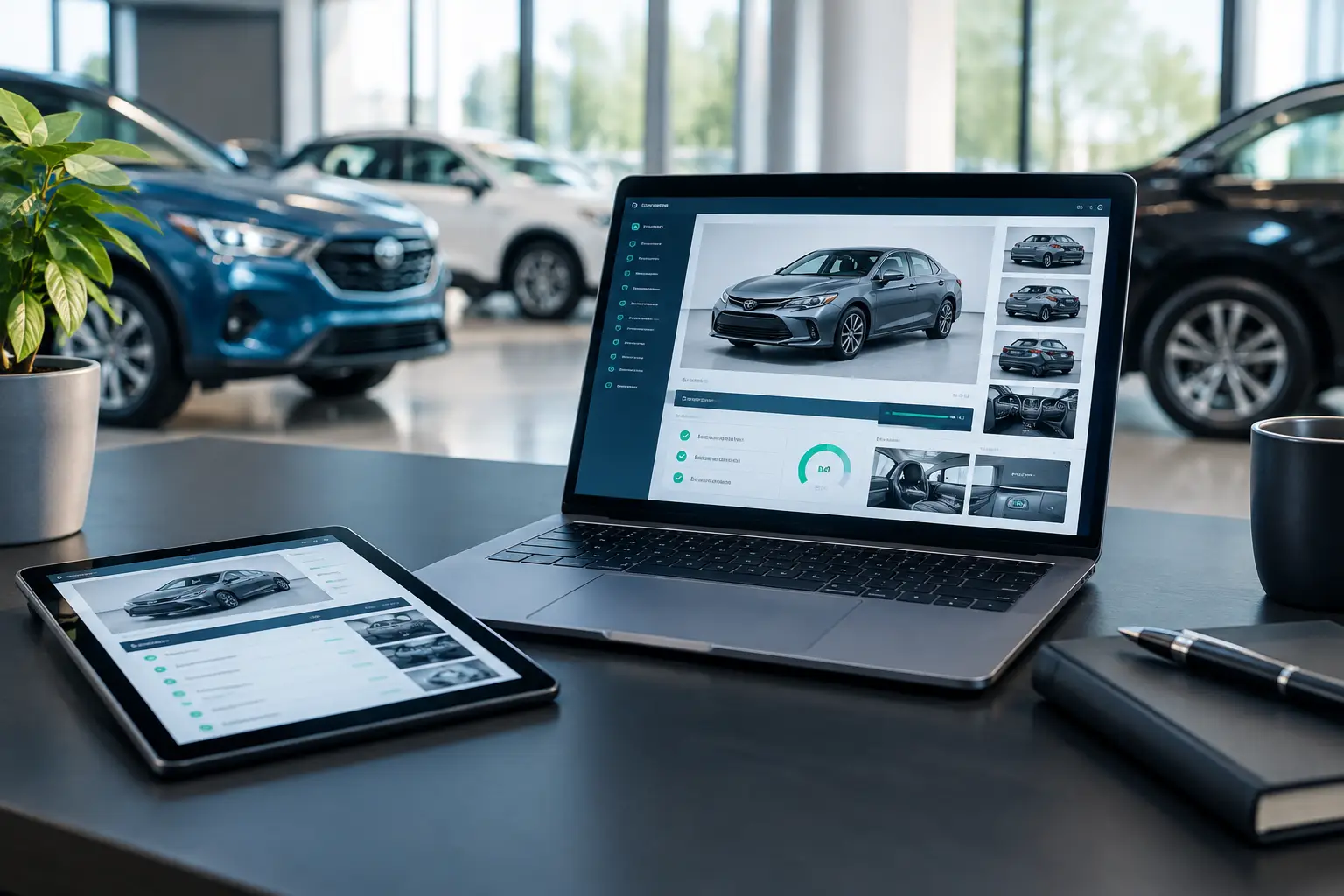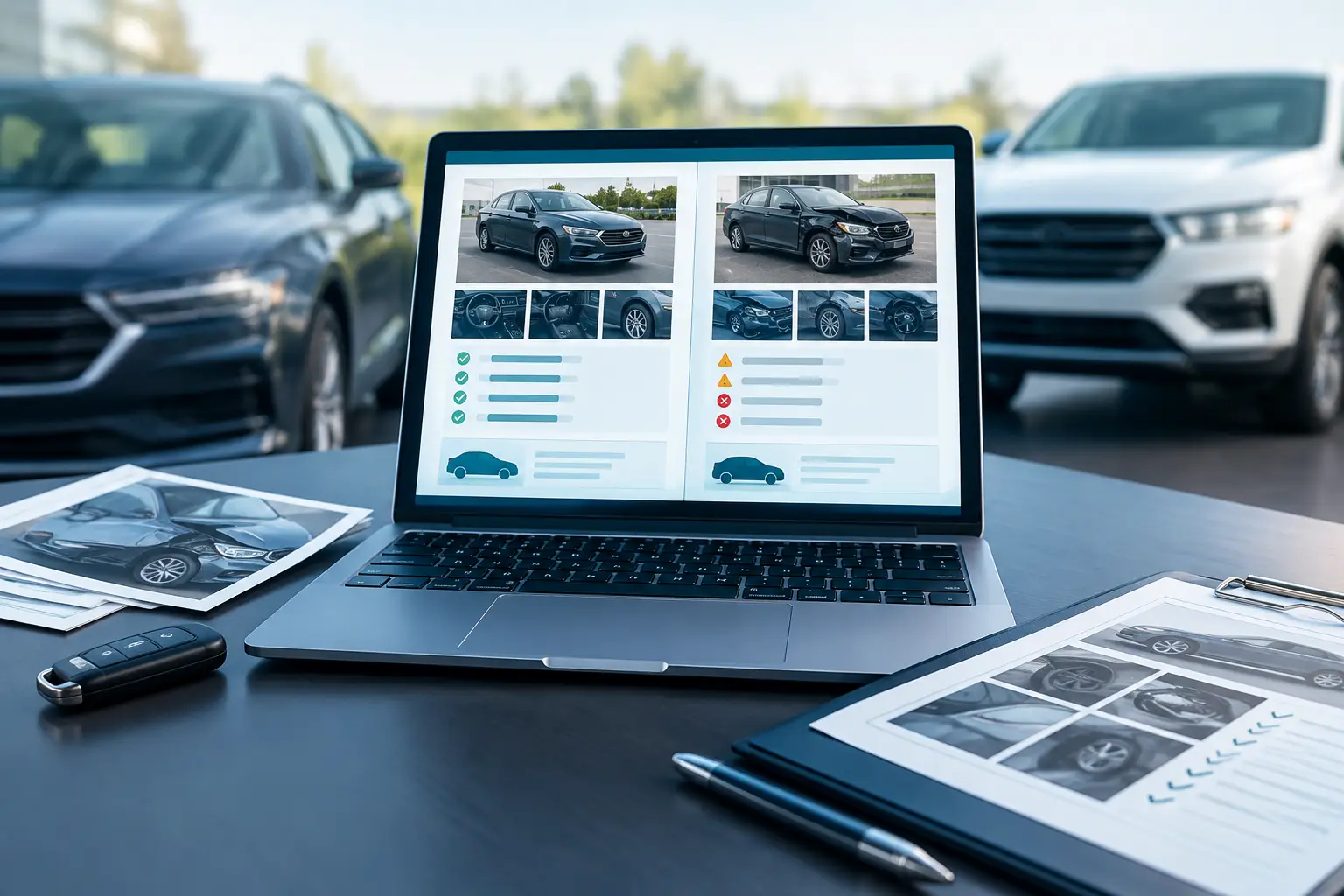

A dashboard for vehicle comparisons should do more than place a few vehicle specs in adjacent columns. It should expose the facts that change a buying decision: a branded title, a mileage inconsistency, an unresolved recall, an accident pattern, or a price that looks attractive only because the vehicle carries more risk than the alternatives.
Whether you are choosing between three used SUVs, evaluating auction inventory, or reviewing replacements for a fleet, disconnected reports create blind spots. The real advantage comes from seeing the same verified decision points across every VIN at once. That is how you move from browsing vehicles to evaluating evidence.
Why Single-Vehicle Research Breaks Down
A vehicle history report can answer useful questions about one VIN. The problem begins when your shortlist grows. You open a report for one vehicle, switch to another listing, check a valuation tool, scan recall information, then try to remember which one had the title issue or the suspicious odometer event.
That process is slow, but the larger risk is inconsistency. One vehicle may get a deep review while another gets a quick scan because the research becomes repetitive. Small details get missed, particularly when listings are moving quickly or multiple people are reviewing inventory.
A comparison dashboard creates a consistent review standard. Each vehicle is measured against the same categories, so the decision is based on the evidence that matters, not on which listing had the best photos or the lowest advertised payment.
For buyers, that means fewer surprises after purchase. For dealers and fleet teams, it means a more defensible acquisition process and less time spent reconstructing why a vehicle was approved.
What a Vehicle Comparison Dashboard Should Show
Not all comparison tools are built for real purchase decisions. A useful dashboard needs to balance speed with enough detail to reveal risk. Side-by-side horsepower, cargo space, and fuel economy are helpful, but they cannot tell you whether a vehicle is worth its asking price.
Verified identity, configuration, and specifications
Start with the basics: VIN, year, make, model, trim, drivetrain, engine, fuel type, and key equipment. Listing descriptions are often incomplete or incorrect. VIN-based specifications help confirm that the vehicle being advertised is the vehicle being evaluated.
This matters when two apparently similar vehicles have meaningful differences. A higher trim may justify a higher price. Four-wheel drive may matter to a fleet operating in difficult conditions. A towing package, battery configuration, or advanced safety feature can materially affect usefulness and resale value.
Title status and title brands
Title information belongs near the top of every comparison. Salvage, rebuilt, flood, lemon, junk, and other title brands can affect financing, insurance, warranty eligibility, resale value, and long-term reliability.
A branded title does not automatically make a vehicle unusable. A properly repaired rebuilt vehicle may fit a buyer with the right inspection process and price expectations. But it should never be compared to a clean-title alternative as if both carry the same risk. A dashboard makes that difference visible immediately.
Accident, damage, theft, and recovery records
Damage history needs context. A minor incident years ago is not equivalent to repeated collision events, structural damage, airbag deployment, or a theft recovery record. The dashboard should let users identify the presence and pattern of reported events before they spend time on a more detailed review.
Use these records to ask better follow-up questions. Was the repair documented? Did the damage affect a safety system? Was the vehicle inspected after repair? Is the seller's condition claim consistent with the available history?
Odometer and ownership signals
Mileage is one of the fastest ways to compare wear, value, and remaining service life, but the number on the dashboard is only useful if it is credible. Odometer verification and mileage history can help identify inconsistencies that deserve immediate attention.
Ownership history adds another layer. A vehicle with regular long-term ownership may present differently from one that changed hands repeatedly in a short period. Neither is a verdict on its own. Frequent transfers can have legitimate explanations. Still, when combined with damage records, title issues, or valuation gaps, they may point to a vehicle that needs closer scrutiny.
Market value, asking price, and total risk
The lowest price is not always the best buy. A comparison dashboard should place market valuation beside the seller's asking price and the vehicle's history. That lets you separate a genuine value opportunity from a discount that reflects known risk.
Consider two similar trucks listed at $28,000 and $30,000. If the lower-priced truck has a rebuilt title, prior damage, and weaker resale prospects, the $2,000 difference may not compensate for the trade-off. If both have clean titles and similar records, the lower price may deserve priority. Evidence gives the number meaning.
Safety ratings and open recalls
Open recalls are not necessarily a reason to walk away from a vehicle, especially when a repair is available through the manufacturer. They are, however, a reason to verify whether the work has been completed and to factor the timing into your purchase plan.
Safety ratings and equipment also matter when the vehicle will carry family, employees, or customers. These details are especially useful for comparing model years, trims, and fleet candidates that look similar on paper but differ in driver-assistance technology or crash protection.
How to Use a Dashboard for Vehicle Comparisons
The strongest workflow is not to compare every possible data point at once. Start by narrowing the field with the signals that can eliminate a vehicle quickly, then investigate the finalists in more detail.
First, add only vehicles you would realistically buy or acquire. A dashboard becomes less useful when it is overloaded with listings that do not meet your budget, use case, or location requirements. For a consumer, that may be three to six vehicles. For an inventory team, it may be a defined batch from an auction lane or sourcing channel.
Next, sort for major risk indicators. Look first for title brands, odometer inconsistencies, theft records, significant damage history, and open recalls. These are not all automatic disqualifiers, but they establish where your attention belongs.
Then compare price against condition and history. This is the step that prevents false bargains. If a vehicle has a lower asking price, ask what evidence supports that discount. If a vehicle costs more, identify what it offers in return: a clean history, lower verified mileage, stronger equipment, better safety profile, or better market positioning.
Finally, use a clear decision signal to prioritize follow-up. DriveEvidence combines verified vehicle data with a 0-100 DriveEvidence Score, helping users translate multiple risk factors into a more direct comparison point. A score should guide the review, not replace judgment. The underlying records still matter, particularly when a purchase is high-value or a vehicle will be placed into service.
Different Decisions Require Different Filters
A first-time buyer may prioritize clean title status, verified mileage, safety, and predictable ownership costs. A collector may care more about originality, configuration, ownership chain, and condition documentation. A dealer may focus on acquisition margin, disclosure needs, and time to frontline. A fleet manager may weigh recall status, utilization history, reliability signals, and consistency across a group of vehicles.
The dashboard should adapt to the job without hiding the evidence. A dealer might sort a group of auction candidates by risk score and market spread. A family shopping for a used crossover may compare crash ratings, recalls, accident history, and ownership records before scheduling inspections. The data categories remain valuable, but the priority changes.
Common Comparison Mistakes That Cost Money
The first mistake is comparing listings instead of vehicles. Seller descriptions are marketing materials, not proof. A clean interior photo does not verify a clean title, accurate mileage, or completed recall work.
The second is treating every reported incident as equal. A single minor damage entry and a vehicle with repeated, severe events should not receive the same response. Review the pattern, then use an independent inspection when the records or price raise questions.
The third is relying on a score without reading the supporting facts. A score makes triage faster, but it cannot tell you whether a particular repair was acceptable or whether a specific configuration meets your needs.
The fourth is ignoring resale. Even if a branded or damaged vehicle fits your immediate budget, think ahead to financing, insurance, trade-in value, and the explanation you may need to give the next buyer. The cheapest entry price can become the most expensive exit.
Build a Decision You Can Defend
A vehicle comparison dashboard is valuable because it creates order when listings, records, and price claims are competing for your attention. It gives every VIN the same review process and makes red flags harder to overlook.
Before money changes hands, keep the evidence visible. The right vehicle is not simply the one that looks best in the listing. It is the one whose price, condition, history, and intended use all hold up when compared side by side.