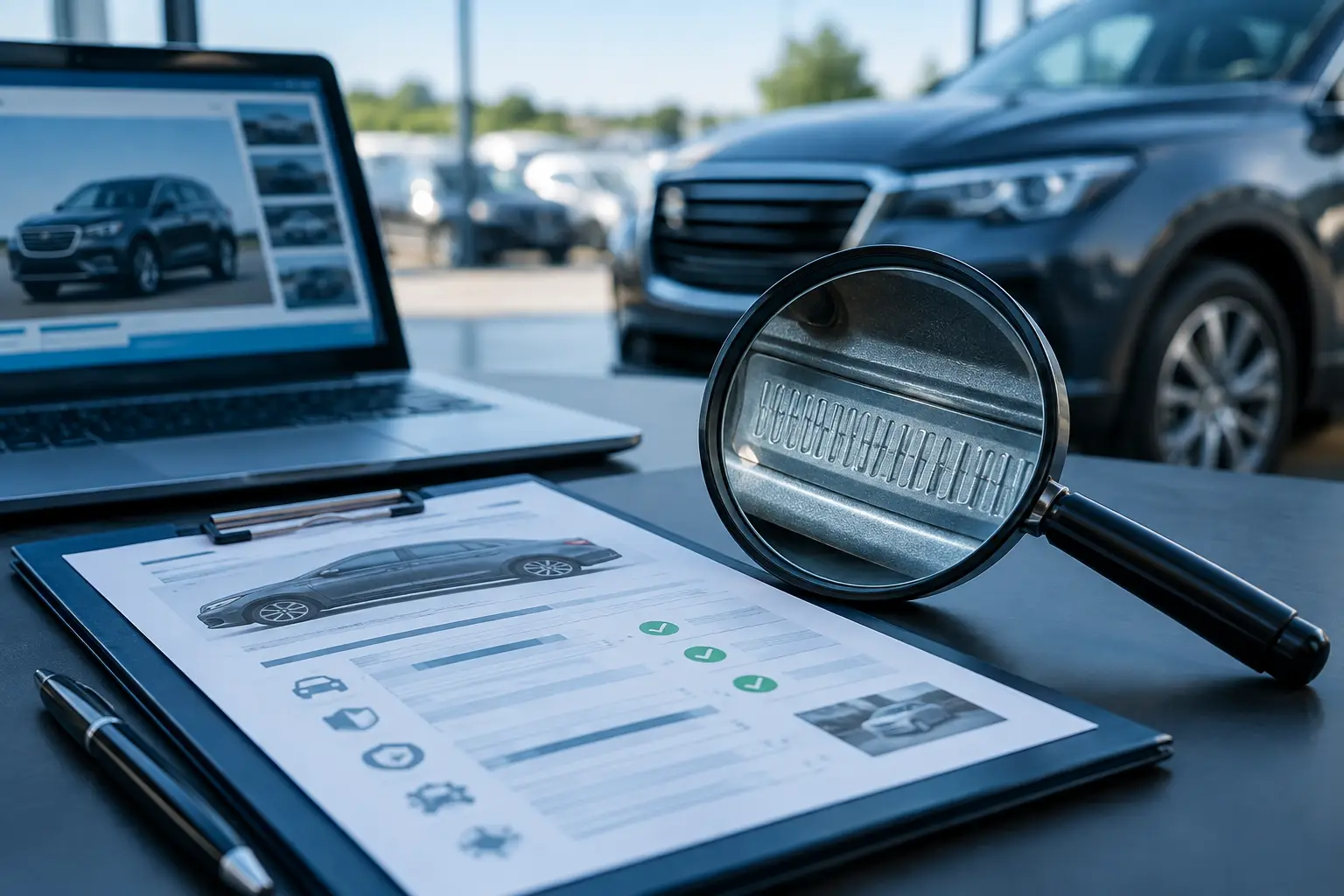
A clean-looking title and a convincing seller story do not prove a vehicle is safe to buy. So, can a VIN reveal theft? Often, yes. A VIN-based history check can surface reported theft records, recovery events, title changes, and other signals that deserve attention before money changes hands. But it is not a guarantee that a vehicle has never been stolen or that every risk has been resolved.
For buyers, dealers, auction teams, and fleet managers, the goal is not to treat one record as a verdict. It is to use the VIN as the starting point for a documented verification process. The proof behind every vehicle comes from matching the history report to the vehicle, its title, its seller, and its current condition.
Can a VIN Reveal Theft in Vehicle Records?
A vehicle identification number is a unique 17-character identifier assigned to most modern vehicles. When a vehicle is reported stolen, recovered, branded, retitled, salvaged, or sold through certain channels, that VIN may appear in records collected by government agencies, insurers, DMVs, law enforcement partners, auctions, and other data providers.
A quality VIN report may show that a vehicle was reported stolen, later recovered, or associated with a theft-related title or event. It can also expose related warning signs. For example, a vehicle may have a salvage title after theft damage, an insurance total-loss record, an abrupt ownership or registration change, or mileage inconsistencies that require a closer look.
That visibility matters because a recovered vehicle is not automatically a bad purchase. Some are repaired correctly and priced fairly. The risk is buying without knowing what happened, whether the title was properly processed, or whether the seller is accurately representing the vehicle.
What a Theft Check Can Actually Tell You
The value of a VIN check is in the context around the theft record. A reported theft event is only one data point. The questions that follow determine whether the vehicle is legally transferable, mechanically sound, and priced appropriately.
A report can help identify whether the vehicle was reported stolen and whether a recovery event appears in the available data. It may also reveal a title brand such as salvage, rebuilt, flood, or junk. Those brands do not always stem from theft, but they can materially affect value, insurance eligibility, financing, and resale.
Ownership and registration patterns can offer additional context. A rapid sequence of transfers, a recent out-of-state title, or a mismatch between the seller's name and the title does not prove fraud. It does mean the transaction needs more documentation before you proceed.
Odometer history is another useful cross-check. A vehicle that has been stolen, recovered, repaired, and resold can have fragmented records. If the mileage on the dash does not align with inspection, service, auction, or title entries, stop and investigate. Odometer discrepancies can affect both value and the legitimacy of the listing.
What a VIN Cannot Prove
A VIN search is powerful, but it has limits. Data reporting takes time, records vary by state and source, and not every event is available immediately. A clean report means no relevant adverse record was found in the databases searched. It does not mean the vehicle has a perfect past.
This is especially important with VIN cloning. Criminals can place a VIN copied from a legitimate vehicle onto a stolen vehicle of the same make, model, and color. In that case, a history report for the displayed VIN may describe the legitimate donor vehicle, not the one sitting in front of you.
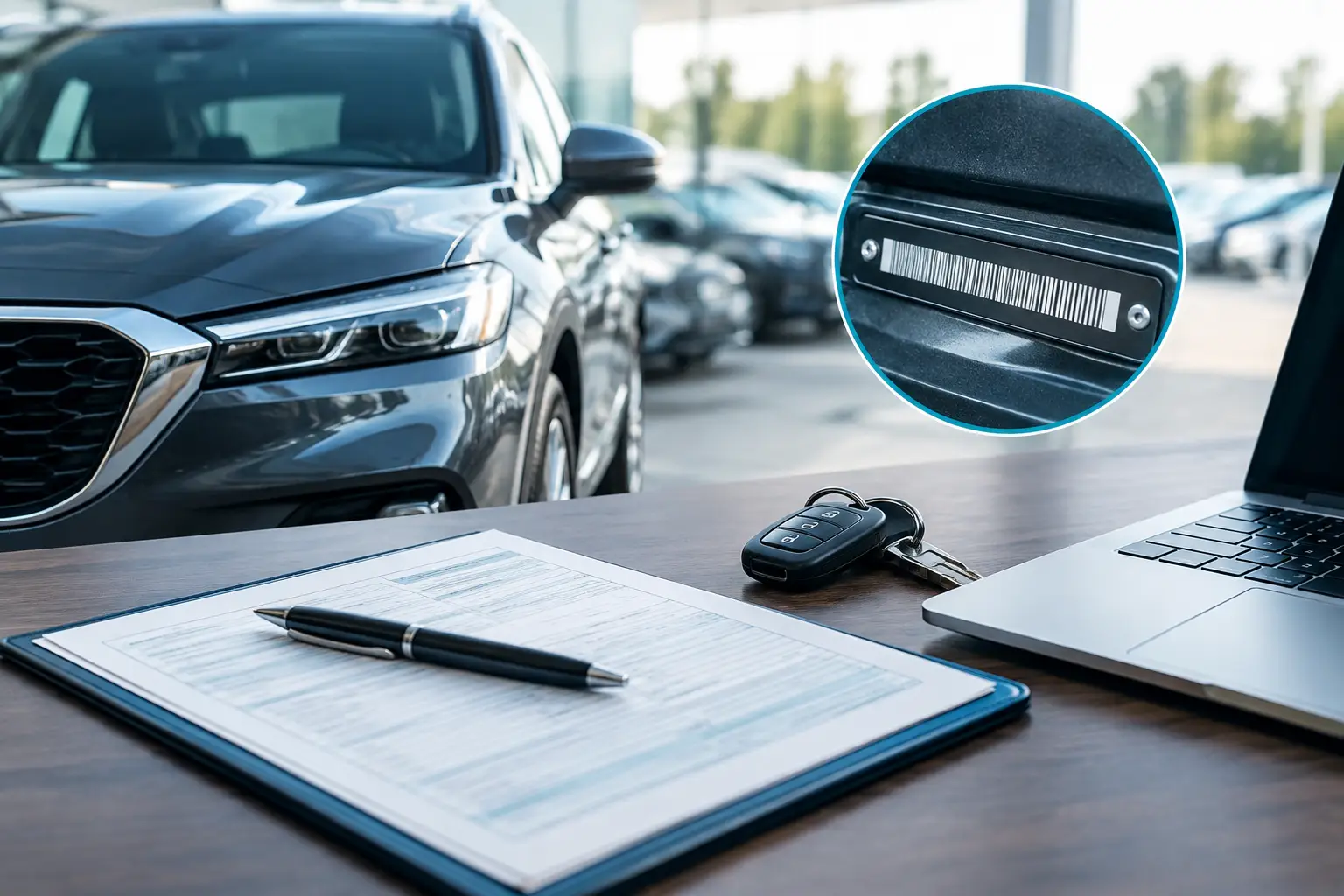
For that reason, never rely on the windshield VIN plate alone. Compare the VIN across every accessible location, including the dashboard, driver's door label, title, registration, insurance documents, and manufacturer labels. Look for altered rivets, scratched surfaces, misaligned labels, inconsistent fonts, or signs that a tag has been replaced.
A report also cannot inspect the vehicle for you. It will not confirm that keys, modules, airbags, wiring, locks, or anti-theft systems were repaired correctly after recovery. A pre-purchase inspection remains essential, particularly when a theft or salvage record appears.
Theft Recovery Is Not One Condition
The term “recovered theft vehicle” covers very different realities. One vehicle may have been taken for a day, recovered intact, and returned with minimal damage. Another may have been stripped, vandalized, flooded while missing, or damaged during recovery. Treating both vehicles as equal would be a costly mistake.
The title status is often the first place to assess the financial impact. If an insurer paid a total-loss claim, the vehicle may carry a salvage or rebuilt designation after recovery. That can lower market value and make financing or comprehensive insurance more difficult. It can also be entirely manageable when repairs are documented, performed properly, and reflected in the price.
Ask for repair invoices, photos from before the repairs, insurance paperwork, and inspection documents. If the seller cannot provide a clear explanation of the vehicle's history, do not fill in the gaps with assumptions. Uncertainty should reduce the price substantially or end the deal.
How to Verify a Vehicle Before You Buy
Start early, before a deposit, transport fee, or auction commitment. Enter the VIN exactly as shown on the vehicle and confirm that the decoded year, make, model, engine, and body style match the listing. A basic mismatch can indicate a typo, a listing error, or something more serious.
Then review theft and recovery information alongside title brands, damage history, ownership records, and odometer readings. A single issue may be explainable. Multiple issues that point in different directions deserve a higher level of caution.
Use the physical vehicle to validate the records. Check each VIN location you can reasonably access and compare it with the title. The seller should be able to show valid identification and explain why their name does or does not appear on the title. Be careful with open titles, handwritten changes, missing lien releases, and pressure to complete the sale quickly.
For a vehicle with a theft, recovery, salvage, or rebuilt history, schedule an independent inspection. Ask the technician to focus on structural repairs, airbag and restraint systems, electrical work, ignition components, door locks, modules, and signs of water intrusion. A standard walk-around is not enough.
Finally, price the vehicle based on its documented history, not on the asking price of a clean-title comparable. A low price can be fair compensation for added risk. It can also be the bait that keeps buyers from asking the questions they should ask.
A Faster Workflow for Dealers and Fleet Buyers
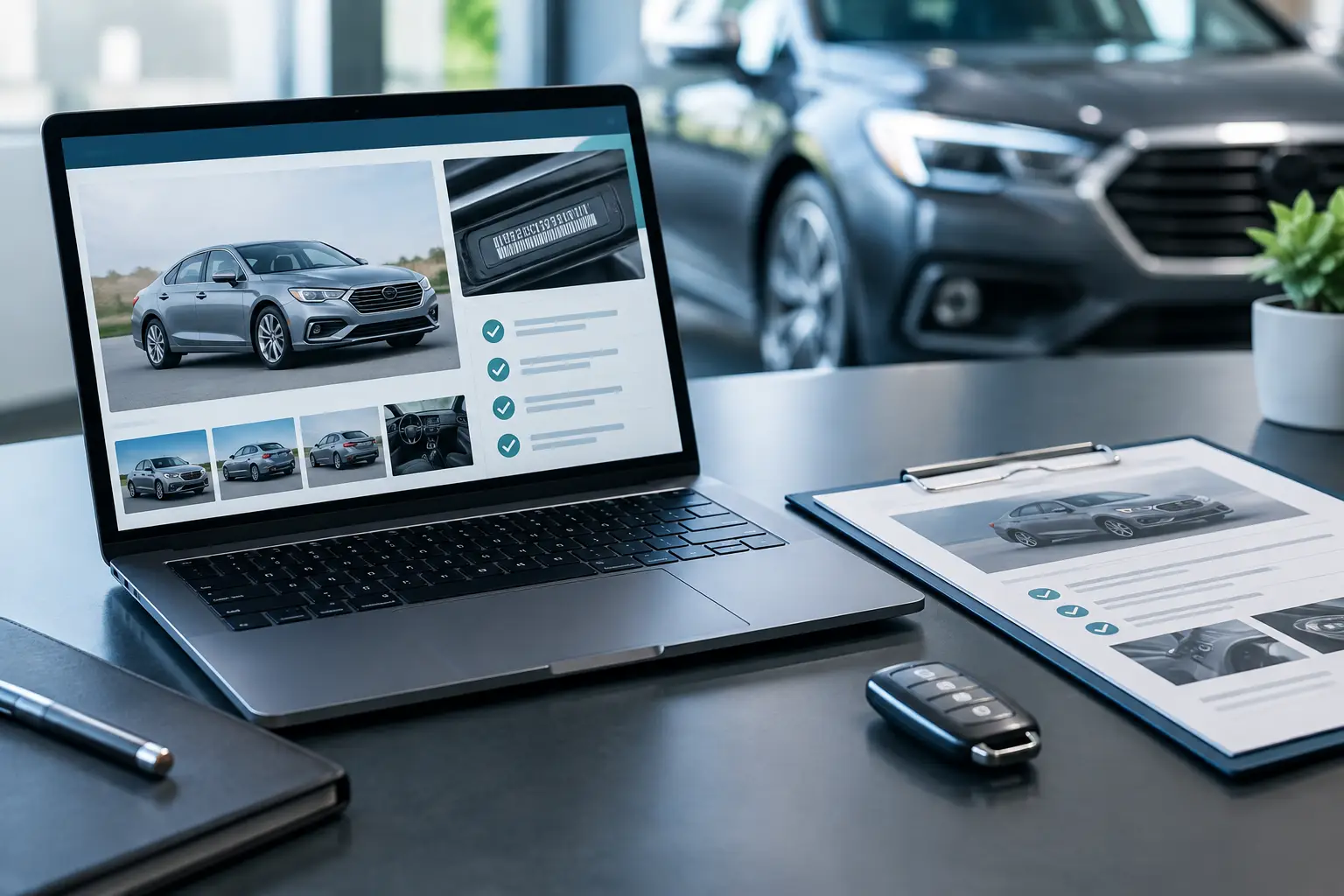
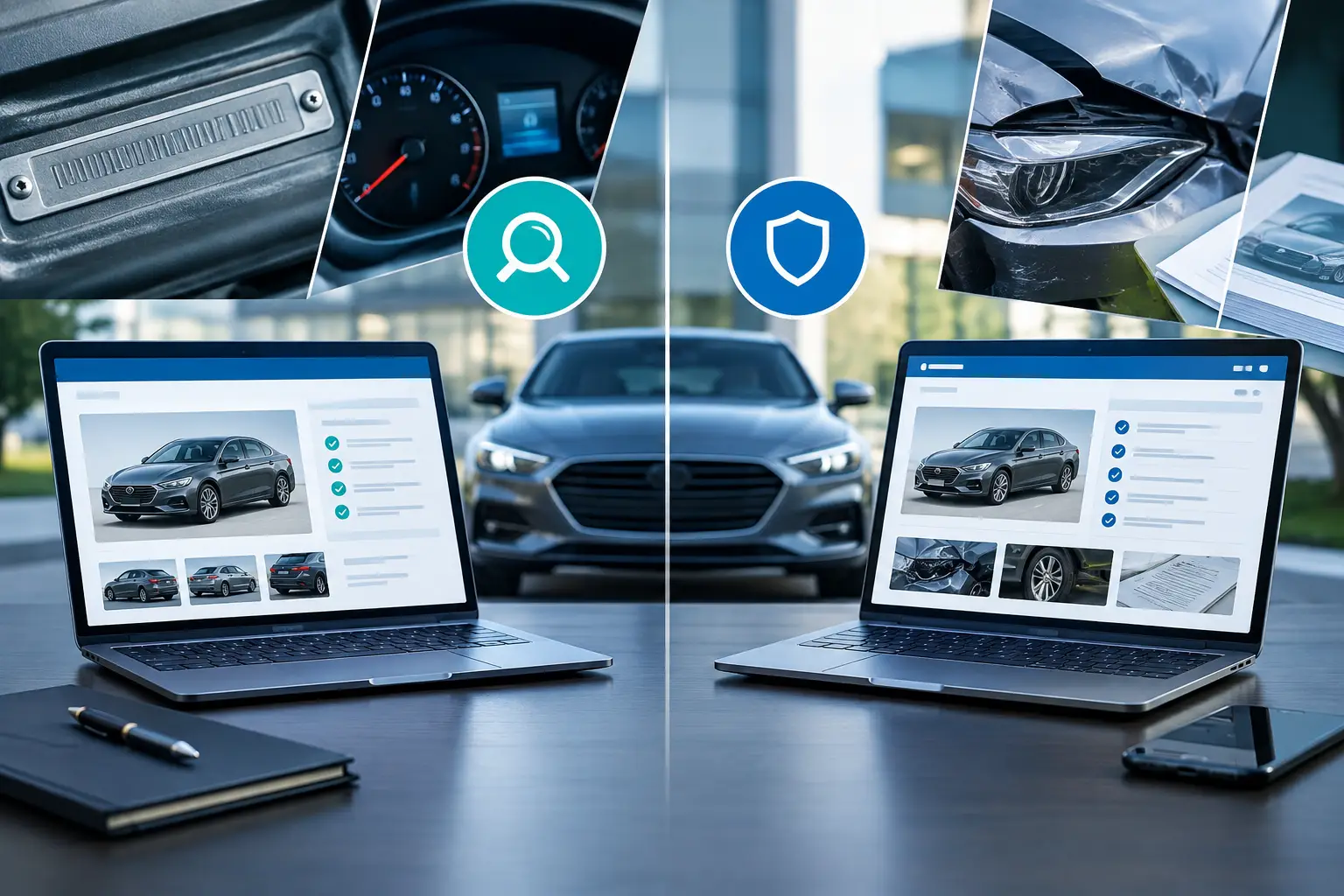
For professionals evaluating multiple units, reviewing reports one at a time can hide patterns and slow decisions. Compare VINs side by side using consistent checks: theft and recovery status, title condition, damage events, odometer consistency, ownership timeline, recall exposure, and market value.
DriveEvidence brings those signals into one vehicle intelligence workflow and translates complex history into a 0-100 DriveEvidence Score. The score should not replace due diligence, but it can help teams prioritize which units need a title review, inspection, pricing adjustment, or immediate rejection.
Keep a record of the report date, seller documents, VIN photos, inspection findings, and any disclosures made during the transaction. That file supports smarter inventory decisions and provides a clear audit trail if questions arise later.
When to Walk Away
Walk away when the VINs do not match, the title cannot be verified, the seller will not permit an inspection, or the story changes when records are reviewed. The same applies when a vehicle appears to have a cloned VIN, an unresolved theft record, suspicious documentation, or damage that does not match the seller's description.
There will always be another vehicle. A buyer who pauses to verify records protects more than the purchase price. They protect their ability to register, insure, finance, resell, and confidently drive the vehicle after the deal is done.
The best time to uncover a theft-related red flag is before you sign, pay, or take delivery. Run the VIN, inspect the vehicle, verify the paperwork, and let documented evidence make the decision clearer.