A seller says the vehicle has a clean title. That is a positive signal, but it is not a blank check to buy without looking closer. What does a clean title mean in a used-car transaction? Usually, it means the vehicle's title is not currently carrying a major state-issued brand such as salvage, rebuilt, flood, or junk. It does not mean the car has never been damaged, repaired, stolen, or involved in a costly accident.
For buyers, dealers, and fleet teams, the distinction matters. A title can be clean while the vehicle's history still contains issues that affect safety, resale value, insurability, and the price you should be willing to pay.
What a clean title usually tells you
A clean title generally indicates that the state issuing the title has not designated the vehicle as a total loss, salvage vehicle, rebuilt vehicle, flood vehicle, or another major branded category. In plain terms, the title record does not show that the vehicle crossed a threshold requiring a title brand under that state's rules.
That status can make a vehicle easier to register, finance, insure, and resell than one with a branded title. Lenders and insurers often place restrictions on salvage or rebuilt vehicles, and many retail buyers will avoid them altogether. A clean title can also support stronger market value, assuming the rest of the vehicle's condition and history are consistent with the asking price.
Still, title status is one part of the record. It is a legal classification, not a full mechanical inspection or a complete account of every event in the vehicle's life.
What a clean title does not mean
A clean title does not automatically mean accident-free. A vehicle may have been in a collision, received major body repairs, had airbag work performed, or sustained water exposure without receiving a title brand. Whether a brand is applied can depend on the damage level, insurance decisions, repair costs, reporting practices, and state regulations.
It also does not prove the vehicle has a clear ownership path. People often use clean title and clear title as though they mean the same thing, but they describe different concerns. A clean title refers to title branding. A clear title generally means the seller has legal ownership and no unresolved lien that prevents transfer. Before money changes hands, confirm both.
Odometer accuracy is another separate question. A clean title does not guarantee that the mileage shown on the dash is correct. The vehicle could have mileage discrepancies in historical records, especially if the odometer was replaced, recorded incorrectly, or deliberately altered.
Finally, a clean title does not replace a pre-purchase inspection. History records can show what was reported. An inspection helps identify current problems such as poor repair quality, frame damage, leaks, worn components, corrosion, or warning lights that history data alone cannot diagnose.
Clean title vs. salvage, rebuilt, and other brands
A title brand is a label added to a title record to flag a significant event or condition. The exact terminology varies by state, but the practical meaning is usually clear: a branded title requires more scrutiny and should be priced accordingly.
A salvage title commonly means an insurer or owner deemed the vehicle a total loss after collision, flood, theft recovery, fire, or another major event. The definition of total loss and the percentage of value involved can vary by state and insurer.
A rebuilt or reconstructed title usually means a previously salvaged vehicle was repaired, inspected, and approved for road use. That does not make it equivalent to a vehicle that never carried a salvage designation. The repair quality, parts used, documentation, and future resale impact still matter.
A junk or nonrepairable title signals that the vehicle is generally intended for parts or scrap and may not be eligible to return to public roads. A flood brand points to water exposure, which can create electrical and corrosion problems that appear long after the initial event.
There are other title brands, including lemon, hail damage, police use, taxi use, and theft recovery. Some are more serious than others, but each one changes the questions a buyer should ask and may affect value. A clean title means those brands do not appear on the current title record. It does not erase the need to review the full history.
Why clean titles can still carry risk
The biggest mistake is treating title status as a complete vehicle condition report. A late-model SUV with a clean title may have had a $12,000 accident repair that did not meet the threshold for a salvage brand. A car with a theft record may have been recovered quickly and retained a clean title. A vehicle with unrepaired recall work can also have a clean title.
Records can be incomplete, delayed, or tied to the reporting source. Private repairs paid out of pocket may never appear in an insurance claim record. Damage can also be repaired before a vehicle is sold across state lines. In rare cases, title washing can occur when a branded vehicle is retitled in a jurisdiction where brand transfer rules, data timing, or record handling create gaps.
That is why the current title document is useful but not sufficient. You need to compare it against VIN-based title history, damage records, theft information, odometer events, ownership history, recalls, and the vehicle's physical condition.
How to verify a clean title before you buy
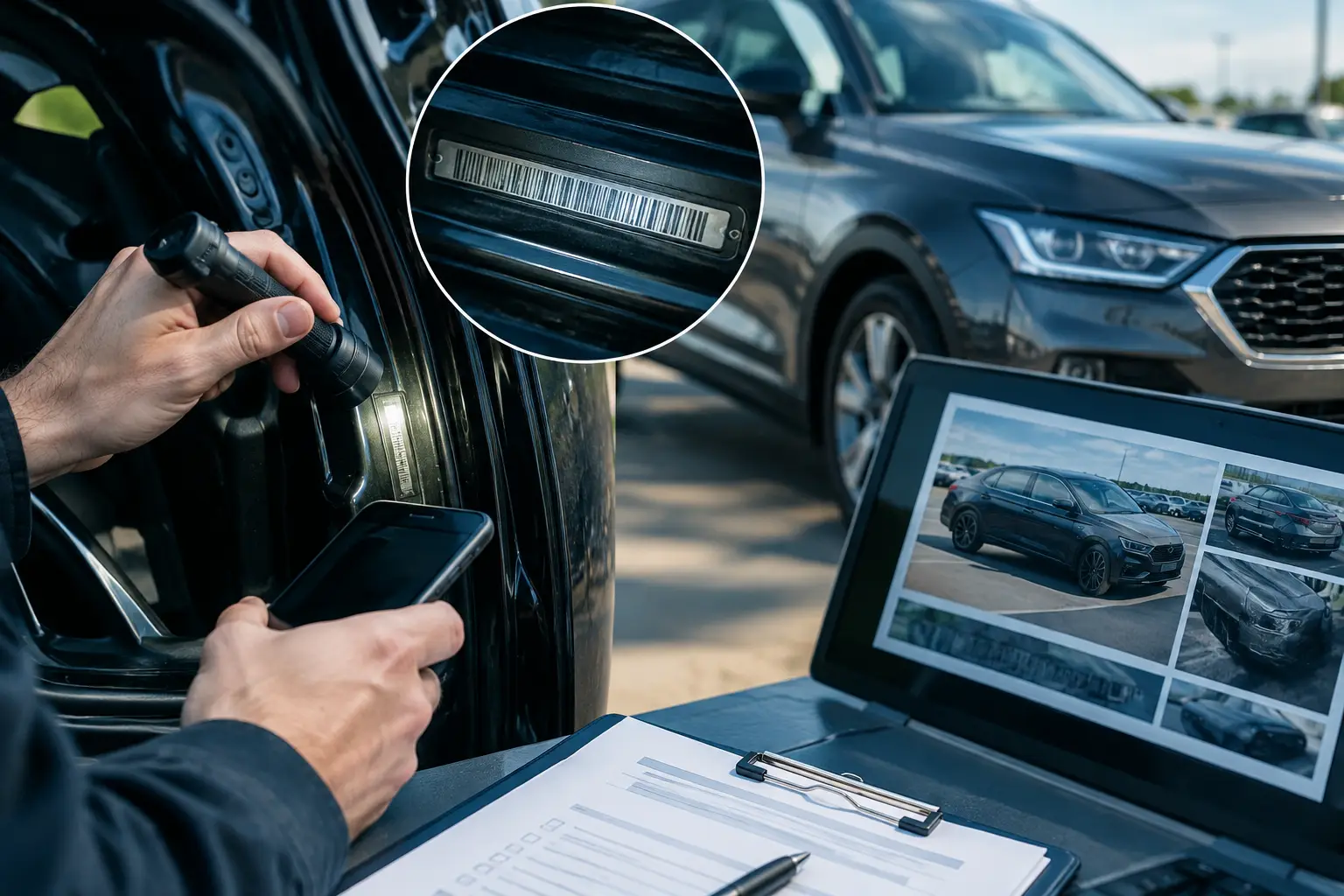
Start by asking the seller for the actual title, not just a statement that the title is clean. Check that the VIN on the title matches the VIN on the dashboard, driver's door label, registration, and listing. A mismatch is a stop sign until it is fully explained and documented.
Then take these five steps before committing to the purchase:
- Confirm the title status and look for any current or historical brands tied to the VIN.
- Check for liens and make sure the person selling the vehicle is authorized to transfer ownership.
- Review reported accidents, damage, theft and recovery events, and mileage readings over time.
- Compare the vehicle's condition, service records, and inspection results with what the history suggests.
- Check open recalls and factor unresolved safety work into your buying decision.
A VIN report brings those data points into one review instead of forcing you to rely on a seller's description. DriveEvidence helps buyers and inventory teams evaluate title status alongside damage, theft, odometer, recall, ownership, and valuation data, then compare multiple vehicles in one dashboard.
Price the vehicle for the full record, not one label
A clean-title vehicle can be an excellent purchase. It can also be overpriced if its accident history, high mileage, poor repairs, or open recalls are ignored. Conversely, a branded-title vehicle may be usable and properly repaired, but it should carry a meaningful discount and receive a more thorough inspection.
The right decision depends on the vehicle, the records available, your intended use, and your tolerance for resale or insurance limitations. For a daily driver or retail inventory unit, buyers often prioritize a clean title plus consistent history and strong condition. For a project vehicle, collector build, or fleet asset, the calculation may be different.
Treat a clean title as the start of verification, not the finish line. The best purchase is the one where the title, VIN history, physical inspection, and price all tell the same story.