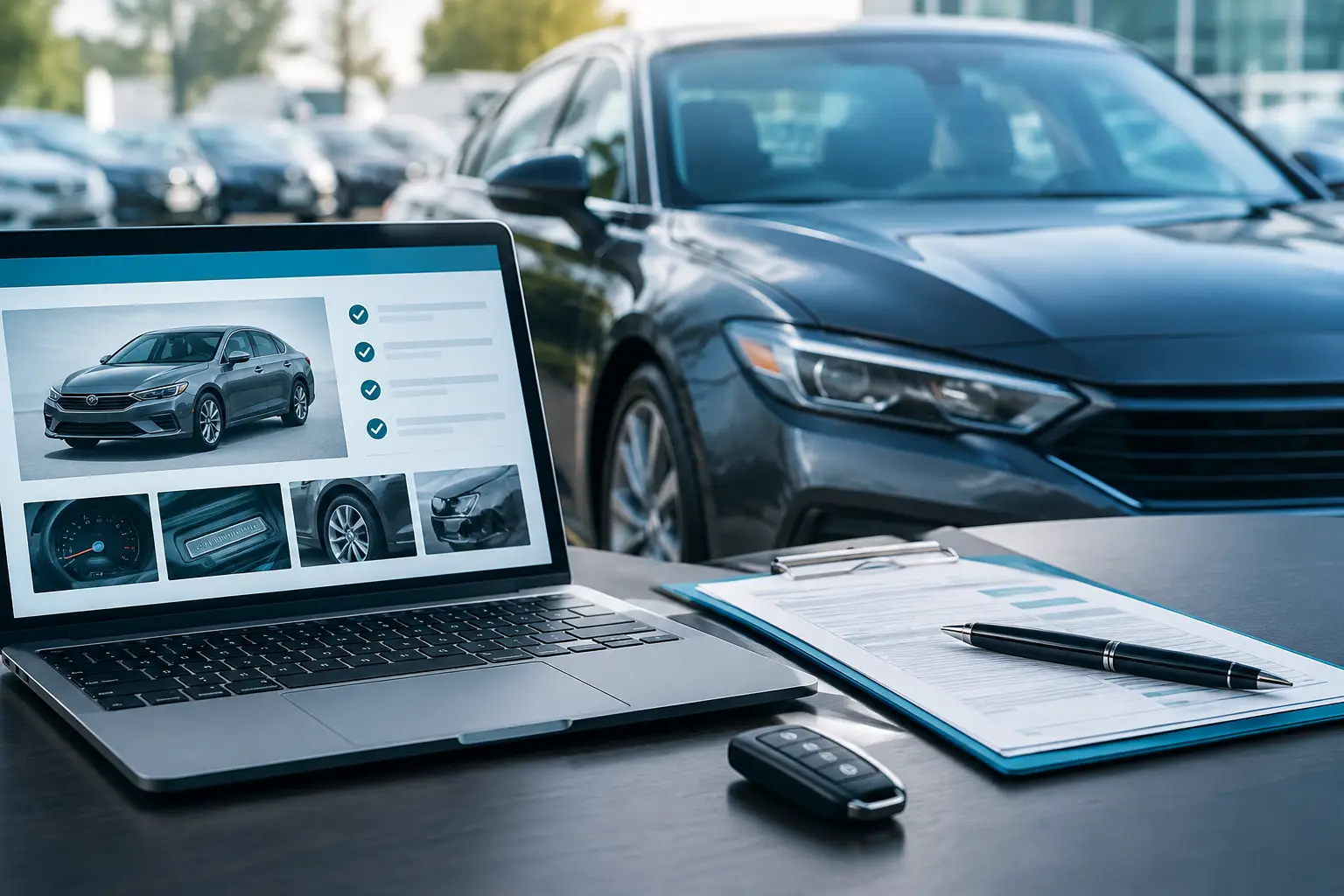
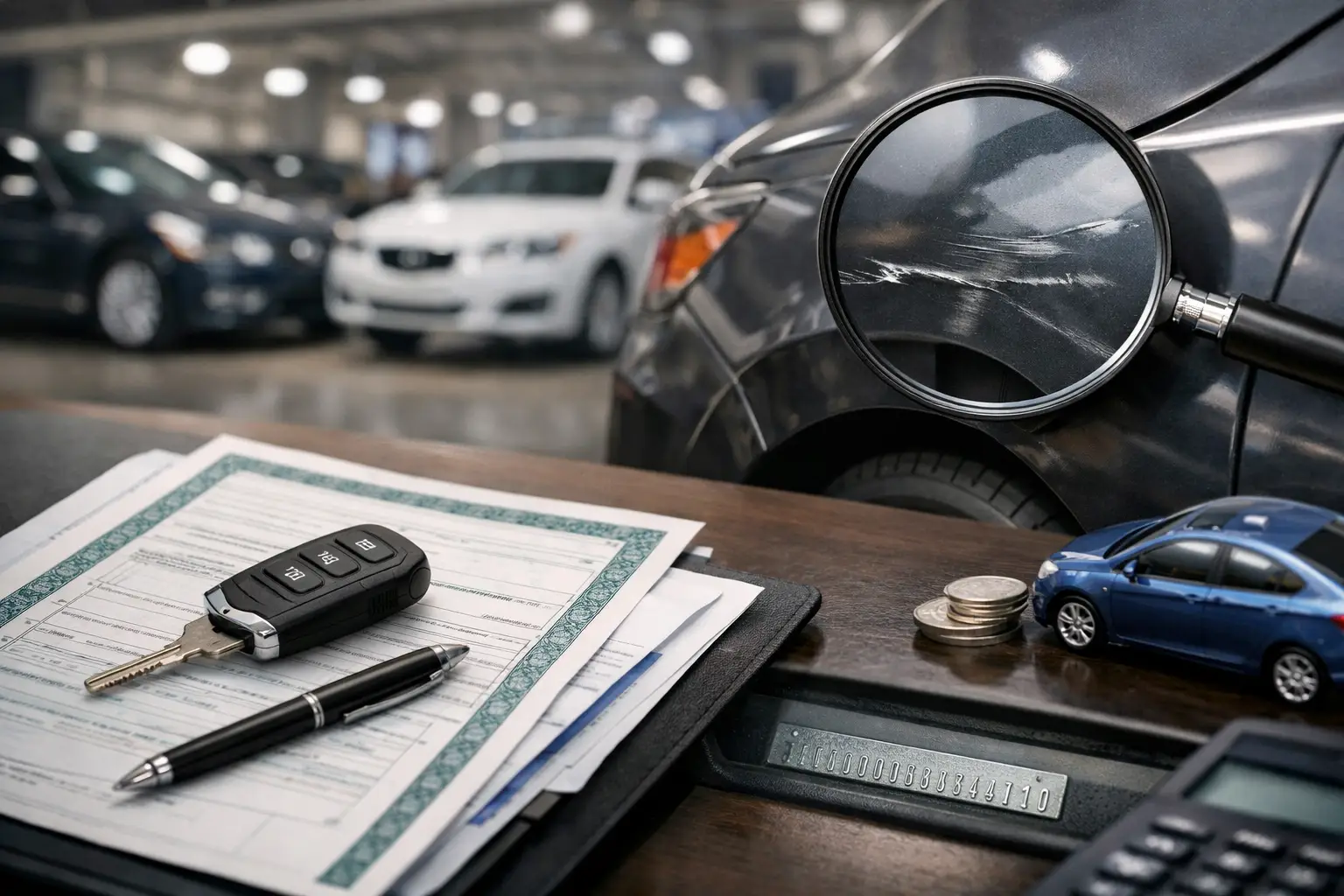
A vehicle can look clean on the lot, drive smoothly on a test drive, and still carry a history that changes its true value. That is why title brands explained is more than a paperwork question. A title brand can signal major damage, flood exposure, theft recovery, or another event that affects safety, financing, insurance, resale, and your negotiating position.
A branded title is not an automatic reason to walk away. Some rebuilt vehicles are repaired correctly and priced fairly. Others carry hidden repair problems, incomplete records, or a value gap that catches buyers off guard later. The difference is evidence.
What Is a Title Brand?
A title brand is a permanent label applied to a vehicle’s title by a state motor vehicle agency. It identifies a significant event in the vehicle’s past or a condition that a future owner should know about. The exact terms and thresholds vary by state, but the purpose is consistent: preserve a record that a standard clean title would not fully communicate.
A title brand is different from a title status. Status usually describes whether the title is clean, issued, held by a lienholder, missing, or otherwise active in a state’s system. A brand describes the vehicle’s history or condition. One vehicle may have a valid, current title and still be branded salvage, rebuilt, flood, or lemon.
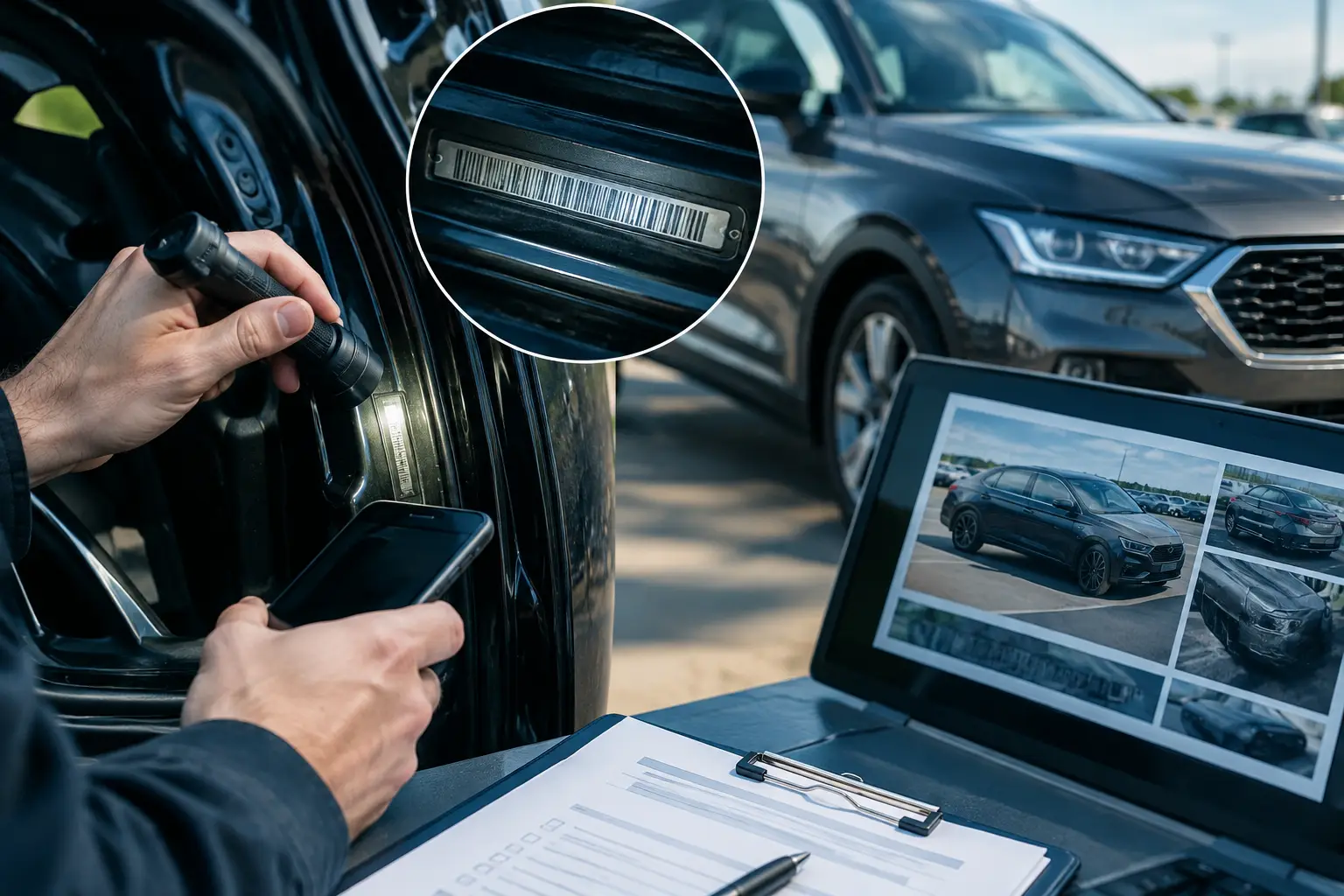
This distinction matters because sellers sometimes use vague language such as “has a title” or “title in hand.” Both may be true while leaving out the fact that the title is branded. Ask for the actual title classification and verify it against the VIN, not just the seller’s description.
Common Title Brands Explained
The wording on a title can differ across jurisdictions, but several brands appear frequently in used-vehicle searches and auction inventory.
Salvage
A salvage brand generally means an insurer or owner determined that repairing the vehicle was not economically practical after damage, theft, or another loss event. That does not always mean the vehicle was destroyed. It means the estimated repair cost, sometimes combined with other factors, crossed the state or insurer’s total-loss threshold.
A salvage vehicle is usually not legal for normal road use until it has been repaired, inspected, and retitled according to state rules. The underlying loss may involve a moderate collision, severe structural damage, a fire, hail, or flood. The brand alone does not tell you which one. You need the damage history, photos when available, repair documentation, and an independent inspection.
Rebuilt or Reconstructed
A rebuilt title typically means a vehicle was previously branded salvage, repaired, and approved for return to the road. The approval process can confirm that required state steps were completed, but it should not be treated as proof of cosmetic quality, long-term reliability, or factory-level repair work.
For a rebuilt vehicle, focus on the repair itself. Check panel gaps, paint consistency, airbag deployment history, frame or unibody measurements, diagnostic trouble codes, tire wear, and the quality of replacement parts. A professional pre-purchase inspection is especially valuable here. A repaired bumper is one thing; a poorly repaired structural impact is another.
Flood or Water Damage
A flood brand is one of the clearest reasons to slow down. Water can damage wiring, modules, connectors, seat components, safety systems, and interior materials. Some issues appear immediately. Others show up months later as corrosion, intermittent electrical faults, mold odor, or warning lights that are difficult to diagnose.
Do not rely on dry carpets or a detailed interior. Look for corrosion under seats, in the trunk, around fuse boxes, and beneath the dashboard. Check whether the vehicle was located in a disaster area and whether its history shows an insurance claim, auction transfer, or title event around the same period. Flood damage can be expensive because the problem may be spread across multiple systems rather than concentrated in one visible area.
Lemon, Manufacturer Buyback, or Warranty Return
A lemon or manufacturer buyback brand can indicate that the vehicle was repurchased after repeated defects or an unresolved issue under state lemon-law rules. In some cases, the manufacturer repaired the problem and resold the vehicle with disclosure. In others, the history points to a recurring defect that deserves close scrutiny.
This brand is not the same as salvage. The vehicle may have no collision damage at all. Still, buyers should identify the original complaint, confirm what repairs were performed, and determine whether the condition could affect ownership. Service records matter more than assumptions.
Junk, Parts Only, or Certificate of Destruction
These labels generally indicate that the vehicle is not intended to be returned to regular road use. It may be suitable only for dismantling, parts, scrap, or limited uses permitted by state law. If you are shopping for a road-ready car, truck, or SUV, this is usually a stop sign rather than a bargaining opportunity.
Theft Recovery, Hail, and Odometer Brands
A theft recovery record means the vehicle was reported stolen and later recovered. Whether it was damaged, stripped, or simply recovered intact depends on the individual case. A theft record may also appear alongside salvage if an insurer paid a total-loss claim.
Hail branding can be less serious mechanically than collision or flood damage, but it can still reduce resale value and indicate extensive body damage. Odometer-related brands, including “not actual mileage” or “exceeds mechanical limits,” require special caution. If the mileage cannot be verified, the vehicle’s wear, maintenance needs, and market value become harder to judge accurately.
Why a Brand Changes the Buying Decision
The market often prices branded vehicles below comparable clean-title vehicles. That discount exists for a reason: the next buyer will face many of the same questions you are asking now. A lower purchase price may be fair, but it does not guarantee a better deal.
Financing and insurance can also narrow your options. Some lenders will not finance branded-title vehicles, or they may require larger down payments. Some insurers may limit coverage, decline comprehensive and collision coverage, or use different valuation methods after a loss. Check these constraints before committing, not after signing paperwork.
Resale is another practical concern. A well-repaired rebuilt vehicle may serve a budget-focused owner for years, but it will generally remain harder to sell or trade than a similar clean-title vehicle. If you replace vehicles frequently, the discount you receive at purchase may not fully offset the discount you face at resale.
How to Evaluate a Branded Vehicle Before You Buy
Start with a VIN-based vehicle history report. Verify the reported title brands, title issuances, damage events, theft records, odometer readings, ownership history, and recall status. Pay attention to the timeline. A title moved through several states shortly after a major loss can warrant closer review, particularly when the current title description seems less specific than earlier records.
Then compare the history to the vehicle in front of you. If a report shows front-end damage, inspect the front structure, headlights, hood alignment, radiator support, and airbag system. If it shows flood exposure, inspect electrical components and hidden areas for corrosion. If it shows a manufacturer buyback, match the reported issue to service invoices and current operation.
Do not skip an independent inspection. A qualified technician can identify poor repairs, aftermarket safety components, hidden corrosion, suspension damage, fault codes, and evidence of prior airbag deployment that a report alone cannot prove. The more severe the brand, the more inspection depth you need.
Finally, price the vehicle against comparable branded vehicles, not clean-title retail listings. A clean-title market value is useful as a reference point, but it is not the price you should pay. Consider the brand type, repair quality, mileage, age, local demand, insurance eligibility, and the likely resale discount. If the seller cannot document repairs or explain the history clearly, the price should reflect that uncertainty - or you should move on.
Watch for Title Washing and Incomplete Disclosures
Title washing is the attempt to hide or reduce the visibility of a vehicle’s negative title history, often by moving it between states with different branding practices or by relying on a title document that does not tell the full story. It is not a reason to distrust every out-of-state vehicle. It is a reason to verify records across the vehicle’s history.
Red flags include a seller who will not provide the VIN, a title issued shortly after a major loss, a story that does not match the documented timeline, unusually fresh paint with no repair receipts, or a price far below comparable inventory. None of these facts proves fraud by itself. Together, they justify more questions and a stronger verification process.
For buyers evaluating multiple vehicles, a dashboard that lets you compare title events, damage records, odometer data, and risk signals side by side can prevent a branded history from getting lost in a stack of disconnected reports. DriveEvidence is designed to turn that record into a clearer decision, including a 0-100 risk-based score alongside the underlying vehicle data.
A title brand should change the depth of your due diligence, not replace it. When the records, inspection, insurance terms, and price all support the same story, you can decide with confidence. When they do not, the safest move is often the fastest one: keep looking.