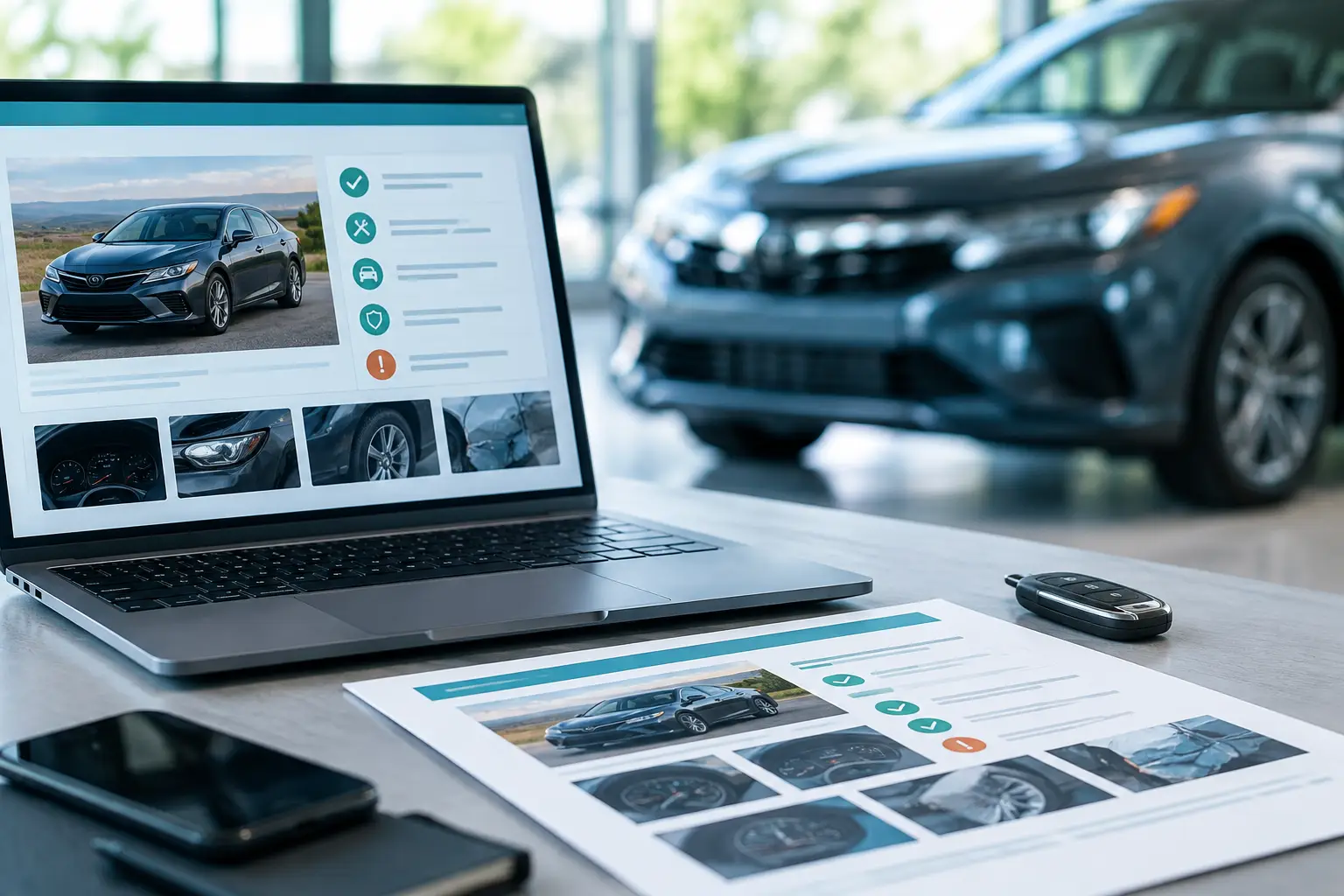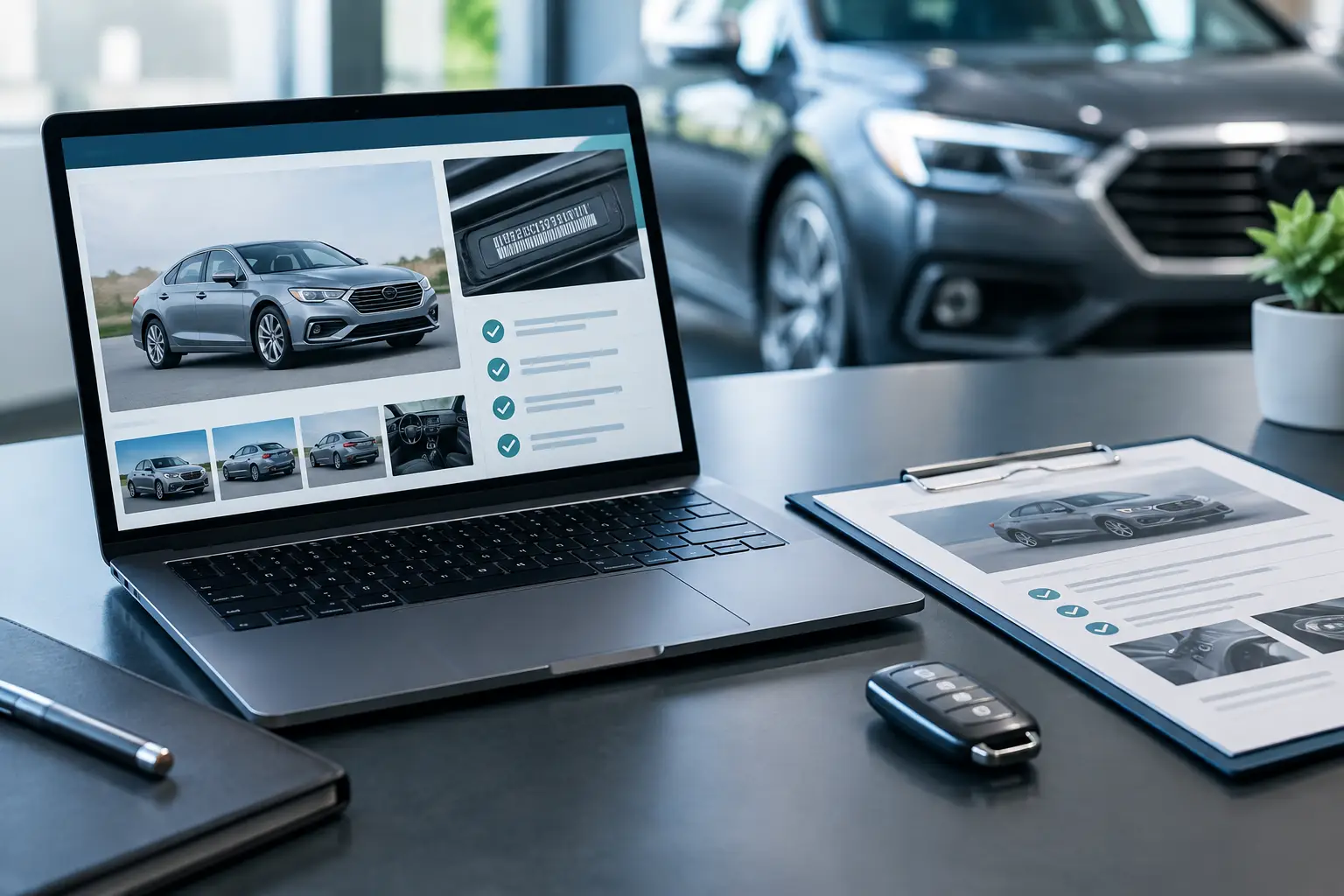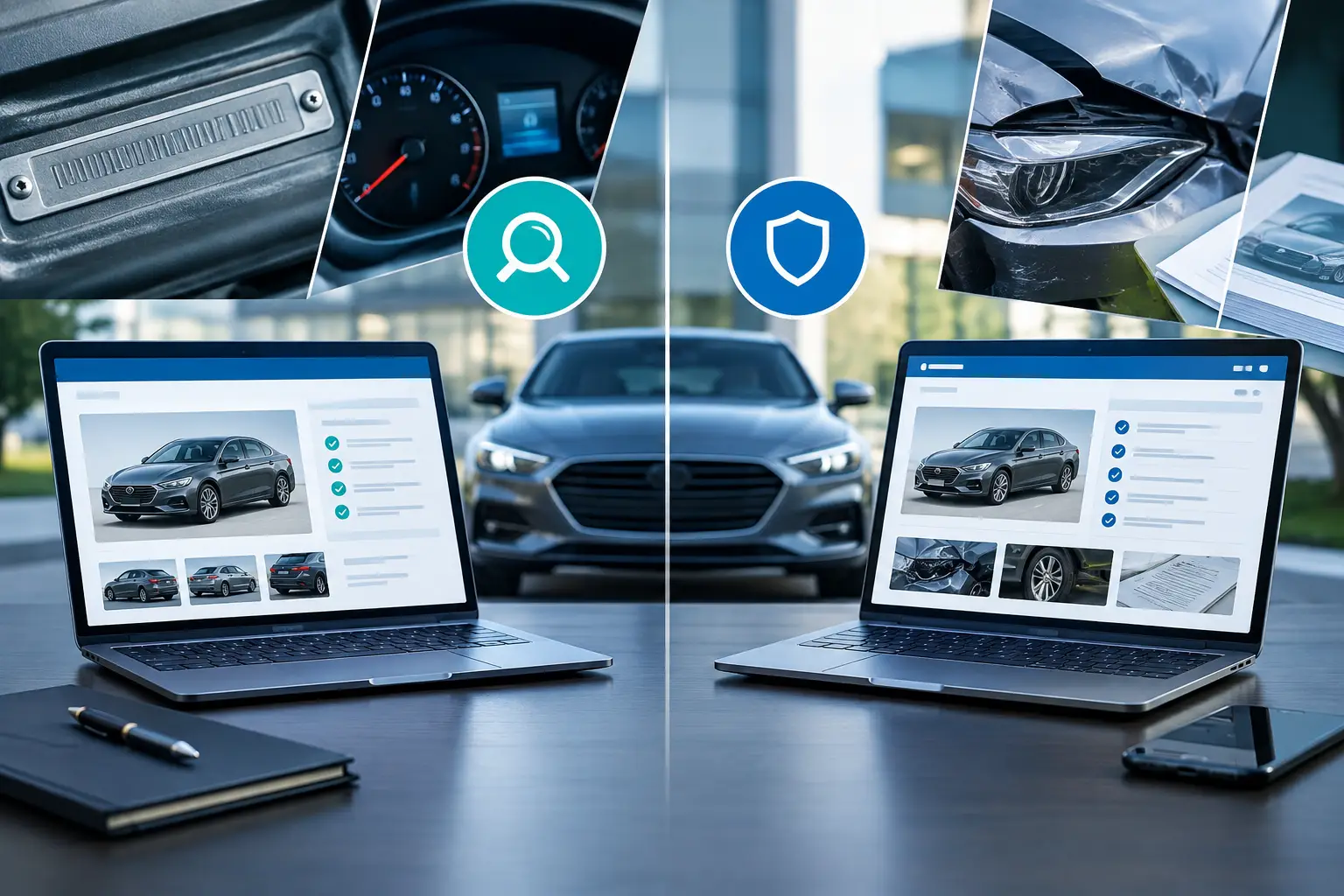
A clean title can make a damaged vehicle look safe, financeable, and worth thousands more than it should be. That is why understanding what causes title washing matters before money changes hands. Title washing is not just a paperwork problem. It can hide flood damage, a prior total loss, severe structural repairs, or a vehicle that should carry a permanent warning brand.
For buyers, the risk is paying clean-title money for a vehicle with a compromised past. For dealers, it can mean costly unwinds, reputation damage, and inventory exposure. The defense is simple in principle: verify the VIN history, compare records across sources, and treat a clean title as one data point - not final proof.
What Is Title Washing?
Title washing is the process of removing, concealing, or failing to carry forward a vehicle title brand. A title brand is a state-issued label that flags a significant event in a vehicle's history, such as salvage, rebuilt, flood, junk, lemon law buyback, or odometer discrepancy.
A vehicle may receive a salvage title after an insurer declares it a total loss. If it is later repaired and passes the required inspection, some states allow it to return to the road with a rebuilt or reconstructed title. That process can be legal when the applicable brand remains on the title and the seller accurately represents the vehicle.
Title washing happens when that material history disappears or becomes harder to see. Sometimes it is deliberate fraud. Other times, it results from gaps between state systems, incomplete reporting, administrative errors, or a title application that does not trigger the same branding rules in the new jurisdiction. The outcome is the same for a buyer: the title may look cleaner than the vehicle history actually is.
What Causes Title Washing Across State Lines?
The most common cause is the movement of a vehicle between states with different title-branding rules and reporting practices. States do not always use identical definitions, thresholds, or terminology for salvage, rebuilt, flood, and other title statuses. A brand recorded in one state may not transfer in the same way when the vehicle is retitled elsewhere.
For example, an insurer may total a vehicle after flood exposure or collision damage in one state. After the vehicle changes hands, a new title application in another state may produce a title with a different designation, a less obvious notation, or, in a failure scenario, no visible brand at all. Fraudsters may intentionally choose jurisdictions they believe are less likely to preserve the prior title history.
This does not mean every out-of-state vehicle has been title washed. Many legitimate vehicles move across state lines every day. The concern rises when the title's current status conflicts with earlier records, damage evidence, auction listings, insurance events, or sudden changes in ownership and registration.
Different Salvage Thresholds Can Create Gaps
A total loss is generally tied to repair cost versus vehicle value, but the threshold can vary by insurer, state rules, and vehicle type. A vehicle deemed salvage in one situation may be handled differently elsewhere. Those differences create opportunities for inconsistent records, especially when damage was repaired before the vehicle was retitled.
The key distinction is not whether the car was repaired. Proper repairs can return some vehicles to service. The issue is whether the title and sales presentation disclose the history accurately enough for the next owner to make an informed decision.
Incomplete or Delayed Reporting
Title data does not always update instantly. Insurance claims, auction records, DMV title actions, theft recoveries, and lien releases can enter different systems on different timelines. A dealer or buyer who checks only one source may see an incomplete picture.
Delays can be innocent, but they still create risk. A vehicle advertised as clean title shortly after a serious incident deserves extra verification, particularly if the price is unusually low or the seller cannot provide a clear chain of documentation.
Clerical Errors and Incorrect VIN Data
Not every questionable title is the result of a scheme. Typing errors, VIN transcription mistakes, incorrect paperwork, and data-entry problems can cause a brand to be missed or associated with the wrong record. A single incorrect character in a VIN can break the connection between a vehicle and its history.
That is why the VIN on the dashboard, driver-side door label, title, registration, and report should match exactly. If anything differs, stop the transaction until the discrepancy is explained by the issuing agency or a qualified title professional.
Fraudulent Retitling and Misrepresentation
The most serious cases involve intentional concealment. A seller, broker, or intermediary may acquire a branded vehicle, transfer it through multiple states or entities, repair cosmetic damage, and then market it as a clean-title vehicle. Some operations use quick title transfers to make the ownership trail harder to follow.
Flood vehicles are a frequent concern. Water damage can affect wiring, sensors, airbags, connectors, corrosion resistance, and safety systems long after a vehicle appears dry and detailed. A fresh interior, polished paint, and a clean-looking title do not prove the vehicle escaped flood exposure.
Odometer issues can also overlap with title washing. If prior records show mileage that is higher than the current odometer reading, or if the title includes an odometer notation that conflicts with the listing, the vehicle needs a deeper review. Mileage inconsistency can materially affect value, maintenance planning, and resale.
Warning Signs That a Title May Not Tell the Full Story
No single red flag proves title washing. The strongest signal is a mismatch between the seller's story, the title, physical condition, and VIN-based history. Look closely when a late-model vehicle is priced far below comparable listings, has a very recent out-of-state title, or has changed owners multiple times in a short period.
Pay attention to gaps in registration history, title issuance immediately after a major weather event, and vehicles offered without clear repair documentation. A seller who discourages an independent inspection, will not provide the VIN before a deposit, or pressures you to move quickly is adding transaction risk.
Physical evidence matters too. Look for uneven panel gaps, overspray, mismatched paint texture, new bolts around fenders or hood hinges, moisture in lights, corrosion beneath seats, musty odors, and warning lights that appear after startup. These signs do not confirm a washed title, but they are reasons to verify further.
How to Check for Title Washing Before You Buy
Start with the full 17-character VIN, not a photo of a title or a seller's verbal assurance. Run a vehicle history report that checks title status and brands alongside accident and damage events, theft and recovery records, odometer entries, ownership activity, recalls, and vehicle specifications. The goal is to find consistency across the timeline.
Then compare the report with the actual vehicle. Does the model year, trim, engine, color, and mileage align? Does the title state make sense based on the registration and ownership timeline? Are there auctions, damage records, or title events that the seller did not mention? Questions like these turn a report from a document into a buying decision.
A pre-purchase inspection is the next layer of protection. Ask an independent mechanic or body specialist to inspect structural areas, restraint systems, diagnostics, underbody condition, and signs of water intrusion. For higher-value inventory, consider a shop with collision-repair expertise rather than relying only on a general mechanical inspection.
Keep copies of the listing, VIN report, title image, inspection findings, repair invoices, and seller communications. These records help you evaluate the deal before purchase and can be valuable if a material discrepancy surfaces later.
A Better Workflow for Buyers and Dealers
Private buyers should verify the VIN before traveling, negotiating, or sending a deposit. If the history is unclear, walk away or price the uncertainty accordingly. A lower purchase price does not automatically offset future insurance, financing, safety, and resale complications.
Dealers and auction buyers need a repeatable intake process. Check title status before acquisition, flag mismatches for manual review, require source documentation, and retain inspection evidence with the deal file. Reviewing one report at a time can slow that process and make patterns harder to spot across inventory.
DriveEvidence helps users organize VIN-level history, compare multiple vehicles side by side, and translate complex records into a clearer risk signal with its DriveEvidence Score. It supports faster screening, but it should complement - not replace - a physical inspection and careful title review.
When a Branded Vehicle Can Still Be a Smart Purchase
A branded or rebuilt vehicle is not automatically a bad vehicle. The trade-off depends on the type and extent of damage, repair quality, inspection results, local title rules, insurance availability, financing options, and your intended ownership period.
A properly repaired vehicle with full documentation, an accurate rebuilt title, and a price that reflects its history may fit a buyer who plans to keep it long term. It may be a poor fit for someone who needs easy financing, wants maximum resale value, or cannot tolerate uncertainty around future repairs.
The problem is not a disclosed brand. The problem is missing truth. Verify the VIN, match the records to the vehicle in front of you, and do not let a clean-looking title make the decision for you.