A used vehicle can look clean, drive well, and still carry an unresolved safety defect. So, are recalled cars safe to buy? Sometimes. The answer depends less on the word “recall” and more on whether the specific vehicle’s repair has been completed, what system is affected, and whether its broader history supports a confident purchase.
A recall is not automatically a reason to reject a car. Millions of vehicles are recalled every year for issues ranging from software updates to fire risks and defective airbags. What matters is whether the manufacturer has a remedy available and whether that VIN has received it. Treat an open recall as a decision point, not a footnote.
Are Recalled Cars Safe if the Repair Is Complete?
A completed recall repair generally means the manufacturer or authorized repair facility has performed the approved fix for that VIN. In many cases, that removes the original safety concern and makes the vehicle a reasonable candidate for purchase.
But completed does not mean the rest of the vehicle is verified. A recall repair addresses one known defect. It does not reveal prior collision damage, flood exposure, title brands, odometer inconsistencies, poor maintenance, or additional open recalls. A vehicle can have a completed airbag recall and still be a bad buy because of undisclosed structural damage or a salvage history.
That distinction matters when comparing listings. “Recall completed” is useful evidence, but it should sit beside the vehicle’s title status, accident records, ownership pattern, service history when available, and current condition. Buyers should also confirm that the recall status applies to the exact VIN, not just the make and model.
For dealers and fleet managers, recall completion should be a documented inventory checkpoint. If a vehicle is marketed as repaired, retain the repair order or confirmation in the deal file. It protects the operation, gives sales staff a clear answer, and avoids representing a vehicle as safer than the records support.
Open Recalls Change the Risk Calculation
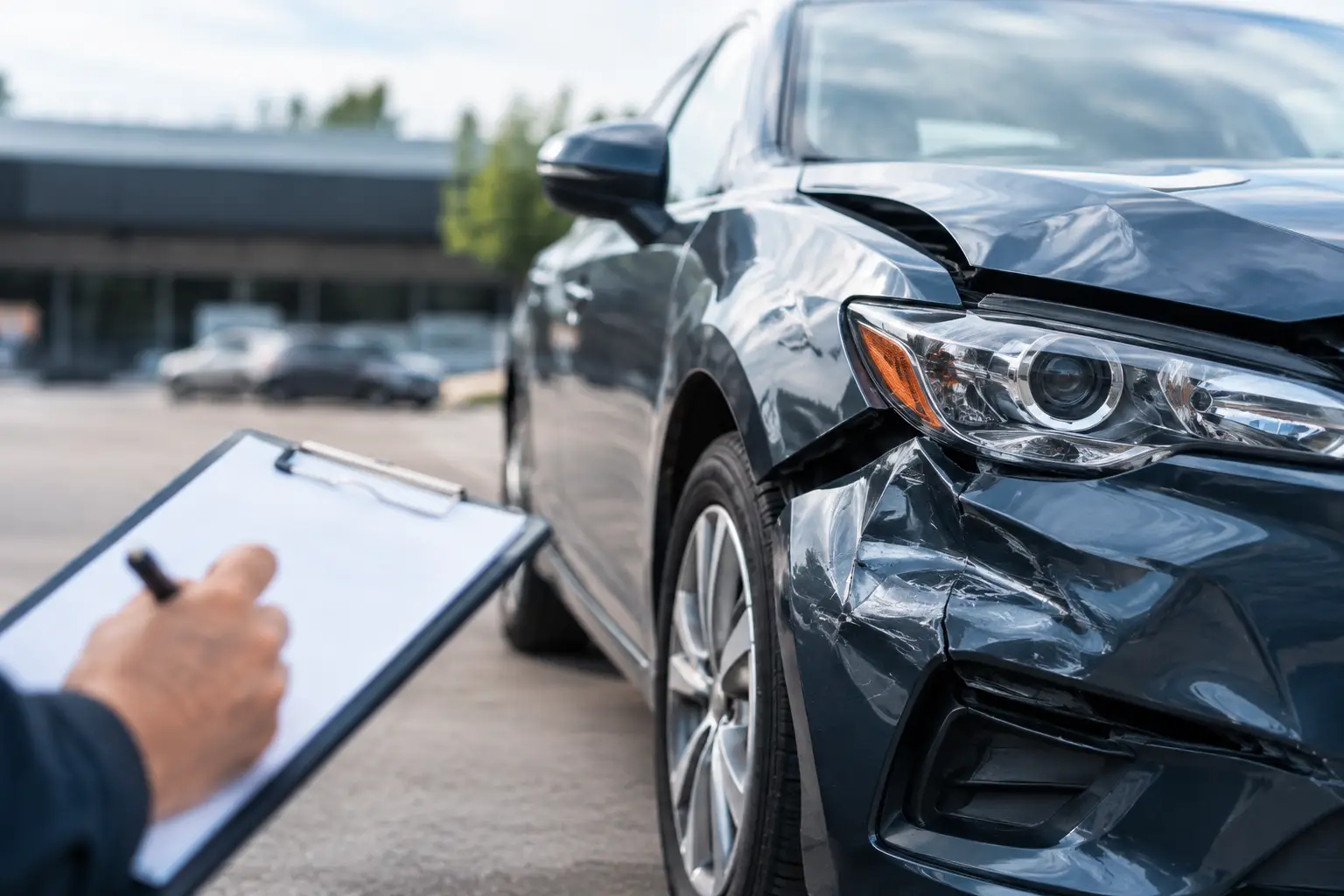
An open recall means the manufacturer has identified a defect affecting the vehicle and the remedy has not been recorded as complete. The severity varies widely. A recall for a rear-view camera display may be inconvenient but still relevant to safe operation. A recall involving airbags, fuel leaks, steering, braking, or fire risk deserves a much harder look.
The key question is simple: can the recall be repaired now? If parts are available and a local authorized dealer can schedule the work promptly, an open recall may be manageable. The repair is typically performed at no charge, even if the vehicle is out of warranty. That does not make the issue disappear before purchase, however. Until repaired, the risk remains with the vehicle.
A different situation arises when parts are unavailable or the manufacturer advises owners not to drive the vehicle. In those cases, the practical cost can be far greater than the listing discount. You may face transportation problems, insurance questions, resale difficulty, or a vehicle that cannot safely serve its intended role.
For a fleet, an unresolved safety recall can create downtime and duty-of-care exposure. For an individual buyer, it can turn a supposedly affordable car into a parked asset. Price should reflect that uncertainty, but a lower price does not solve a defect that prevents safe use.
Not Every Recall Has the Same Urgency
Read the recall description rather than reacting only to the recall count. One open recall involving a critical safety system can matter more than several notices related to labeling or a software update. The remedy description also provides context. A simple inspection or software recalibration may take an hour. Replacing major components may require parts, time, and follow-up visits.
Be cautious with sellers who minimize an open recall by saying it is “just paperwork.” Ask for the recall campaign number, confirm the VIN status independently, and contact an authorized dealer to verify parts availability and estimated scheduling. Clear answers are a good sign. Evasive answers are a reason to slow down.
What to Verify Before Buying a Recalled Vehicle
Start with the VIN. General recall information for a model year is not enough because recall eligibility and repair completion are VIN-specific. A VIN-based check can show open recall campaigns and help you identify the affected system before you visit the vehicle.
Then ask the seller for repair documentation if they claim the work was completed. A manufacturer dealer invoice, repair order, or service record is stronger than a verbal assurance. If paperwork is unavailable, confirm the status through an authorized dealer using the VIN.
Next, examine the vehicle history as a whole. Recall status should be evaluated alongside title brands, theft and recovery records, accident and damage events, ownership history, odometer readings, and market value. An open recall on an otherwise clean, fairly priced vehicle may be workable. An open recall combined with a rebuilt title, inconsistent mileage, and unexplained damage is a very different risk profile.
A pre-purchase inspection is still valuable, especially for older vehicles or vehicles with accident history. A mechanic cannot certify that every recall repair was correctly recorded, but they can identify wear, warning lights, leaks, brake condition, tire issues, and signs of poor repairs that a history report alone cannot show.
Finally, verify that the purchase plan accounts for the repair. If you buy before the work is complete, schedule the appointment immediately and keep the confirmation. Do not assume you can handle it later, particularly if the vehicle will be driven by family members, customers, or employees.
When a Recalled Car Can Be a Smart Purchase
A recalled vehicle can make sense when the repair is complete and documented, the vehicle history is clean, the price is consistent with its condition, and an inspection finds no unrelated concerns. It can also be a reasonable purchase when an open recall has an available remedy, the seller discloses it clearly, and you can get the work completed before regular use.
There is a potential advantage here: some buyers avoid any vehicle with recall language, even when the fix is straightforward. That can create room for a fair negotiation. The opportunity is real only when the facts are verified. Never accept a discount in place of evidence.
The trade-off is time and uncertainty. If you need a vehicle immediately, cannot get a dealer appointment, or are evaluating a recall involving a serious hazard, the right choice may be to keep shopping. The best deal is not the lowest advertised price. It is the vehicle with the fewest unpriced risks.
How Dealers Should Handle Recall Inventory
Dealers should identify open recalls as early as acquisition, not during final merchandising. Run the VIN before bidding at auction, before taking a trade, and before publishing a listing. This helps the team account for repair time, parts delays, transportation needs, and retail readiness.
Maintain a simple status: open, appointment scheduled, repair completed, or remedy unavailable. That status should be visible to inventory, sales, and compliance teams. If a vehicle cannot be retailed safely or responsibly until repaired, do not let a pricing deadline override the evidence.
For teams reviewing volume, a centralized VIN workflow prevents recall checks from becoming disconnected tabs and handwritten notes. DriveEvidence can place recall status alongside title, damage, odometer, valuation, and risk signals, making it easier to compare vehicles and isolate the ones that require action before they enter inventory.
The Questions Worth Asking the Seller
Ask what the recall involves, whether the remedy has been completed, and where it was performed. Ask for the repair order, then verify the VIN status yourself. If the repair is still open, ask whether parts are available and whether the seller will complete the work before delivery.
Also ask whether the vehicle has had any other safety-related repairs, warning lights, collision damage, or insurance claims. A seller does not need to have every answer, but a trustworthy seller should not resist reasonable verification.
A recall should prompt better due diligence, not panic. Verify the VIN, understand the defect, confirm repair status, inspect the vehicle, and price the remaining risk honestly. The right vehicle will stand up to that process, and the wrong one will usually reveal why it is cheaper.