A clean vehicle history report can be reassuring. It can also create false confidence if you treat it as proof that a vehicle has never been damaged. Is accident damage always reported? No. A report reflects records that were created and shared, not every incident that may have happened to a car.
That distinction matters when you are comparing used vehicles, pricing inventory, or deciding whether a private-party deal is worth pursuing. A history report is one layer of evidence. The best buying decisions come from matching that evidence with a careful inspection, title review, and realistic questions about the vehicle's condition.
Why accident damage does not always appear in records
An accident is most likely to appear when it creates a formal record. That may include an insurance claim, a police report, a tow record, a repair estimate submitted through a participating source, or a title brand issued by a state motor vehicle agency. But many collisions never move through every one of those channels.
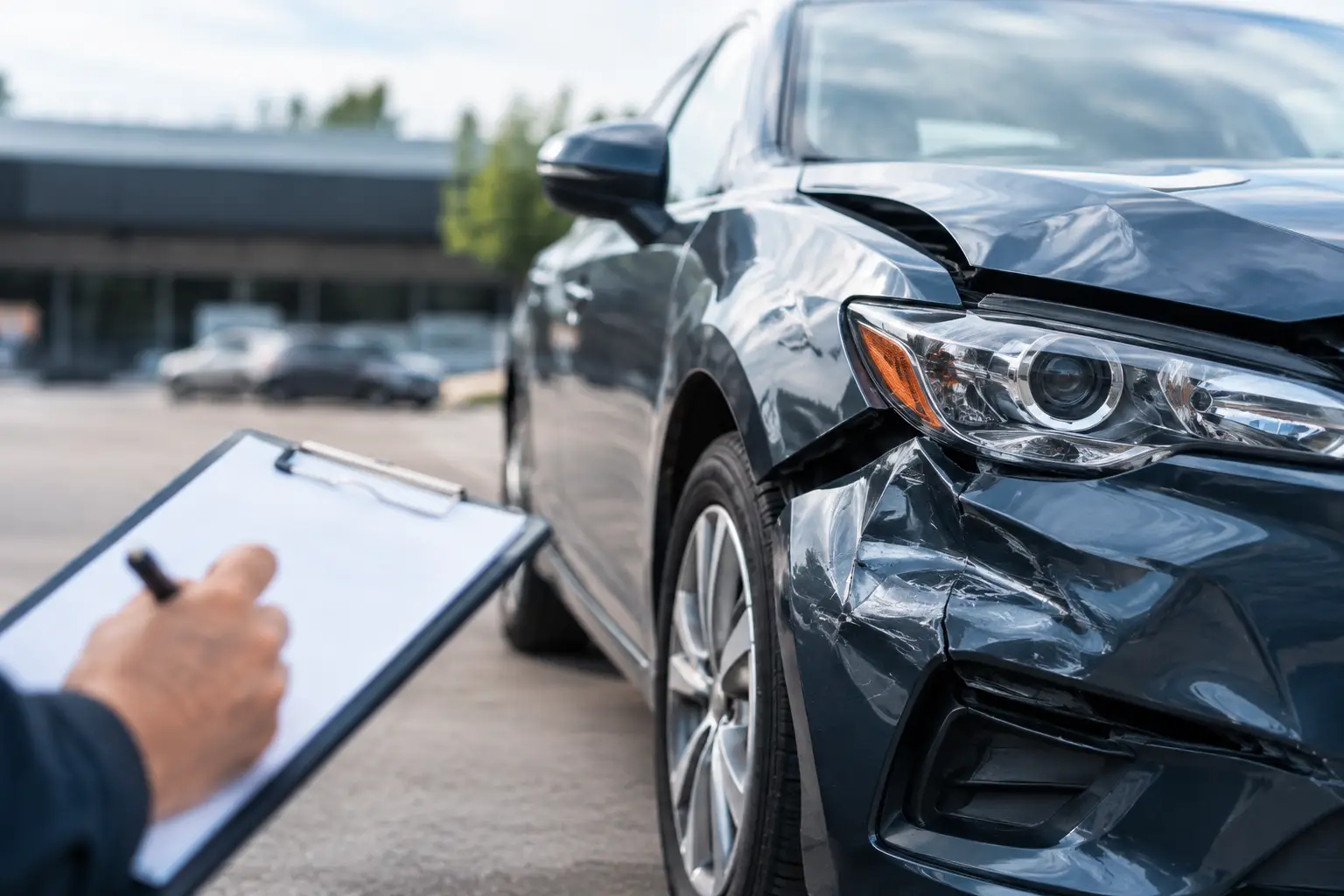
A driver may pay cash for a repair to avoid a rate increase. Two drivers may settle a minor parking-lot impact privately. The owner may repair the vehicle at a body shop that does not contribute data to the sources used by reporting providers. In those cases, the repair can be real and significant enough to affect value, yet leave little or no visible trail in a standard vehicle history file.
Reporting can also be delayed. An insurer, auction, repair facility, state agency, or other data partner may take time to process and transmit information. A report pulled shortly after an incident may not show the event that appears weeks later.
Data coverage is another variable. Vehicle history platforms compile records from many verified sources, but no provider has access to every repair order, every insurance claim, or every transaction in the country. A report should be read as documented history, not a guarantee of a damage-free past.
What usually gets reported after a crash
The chance of a record rises with the severity and formality of the event. Insurance involvement is a major factor, especially when there is a collision claim, comprehensive claim, total-loss determination, or payout. Damage found during a dealer trade-in, wholesale auction, or fleet disposition may also become part of the vehicle's documented history.
Title events carry particular weight. If a vehicle is declared salvage, rebuilt, flood-damaged, junked, or otherwise branded under state rules, that status is far more consequential than a vague damage entry. A branded title can affect financing, insurance availability, warranty coverage, resale value, and the pool of future buyers.
Still, a reported accident does not automatically make a vehicle a bad purchase. A properly repaired minor collision may have little effect on safety or long-term ownership. The real questions are where the damage occurred, how extensive it was, whether structural or safety systems were involved, and whether the repair quality can be verified.
A clean report is a starting point, not a clearance certificate
A clean report tells you that no qualifying accident or damage record was found in the data reviewed. That is useful. It can eliminate obvious concerns and help you prioritize vehicles for a closer look. It does not mean the vehicle has never been hit, repainted, repaired, or rebuilt outside the reporting channels.
This is especially relevant with older cars, low-value vehicles, private-party sales, and vehicles repaired by owners. A five-year-old SUV with consistent service records and one documented minor claim may be a lower-risk choice than a supposedly clean vehicle with uneven panel gaps, fresh paint, and no explanation from the seller.
The opposite is true, too: an accident entry should not cause an automatic rejection. Treat it as a prompt to investigate. Ask for repair invoices, photos, insurance documentation, and any alignment or inspection records. If the seller cannot explain the event clearly, factor that uncertainty into your offer or walk away.
How to check for unreported accident damage
History data works best when you pair it with physical evidence. Before buying, inspect the vehicle in daylight on a clean, dry surface. Dirt, rain, and dim lighting can hide paint defects and panel inconsistencies.
Start by looking at the body from several angles. Differences in paint texture, color tone, or metallic flake can point to repainting. Check whether gaps around the hood, doors, trunk, liftgate, headlights, and fenders are consistent. Uneven gaps do not prove crash damage, but they deserve an explanation.
Look closely at fasteners under the hood and around the trunk opening. Tool marks, chipped paint on bolts, replaced labels, and mismatched hardware can indicate parts were removed during a repair. Inspect the radiator support, inner fenders, trunk floor, and spare-tire well for wrinkles, fresh seam sealer, weld marks, or paint overspray.
During the test drive, pay attention to how the vehicle tracks. A car that pulls to one side, shakes at highway speed, makes clunking noises over bumps, or has an off-center steering wheel may have suspension, wheel, tire, or alignment issues. Those symptoms are not always crash-related, but they should be diagnosed before money changes hands.
A paint-depth gauge can add useful evidence when used correctly. Factory paint thickness varies by manufacturer and panel, so the tool does not deliver a simple pass-or-fail answer. Large differences between adjacent panels may indicate filler or repainting. For most buyers, a qualified pre-purchase inspection is the more valuable investment.
Get an independent pre-purchase inspection
A trusted mechanic or collision repair professional can see what a casual walk-around misses. Ask for an inspection that specifically checks for prior collision repair, structural damage, flood evidence, frame or unibody concerns, airbag system faults, tire wear patterns, and diagnostic trouble codes.
This step is particularly valuable when a vehicle has an accident record, an unclear ownership history, an unusually low price, or cosmetic signs that do not match the seller's story. It is also smart for vehicles sold at auction or purchased from a seller you have never met.
An inspection is not a guarantee either. Some repairs are difficult to identify without disassembly, and hidden damage may sit behind panels. But a professional review can reveal expensive risks before they become your repair bill.
Read the entire vehicle history, not just the accident section
Damage history is only one part of vehicle risk. A vehicle with no reported accidents can still have title problems, odometer inconsistencies, theft or recovery history, open recalls, repeated ownership changes, or service gaps that change the decision.
Review the timeline as a whole. Do registration dates and mileage readings move in a logical order? Is there a title brand? Did the vehicle spend time in an area associated with flood exposure? Was it recently sold through auction, then quickly listed at retail? Each data point may be explainable on its own. Together, they can reveal a pattern worth investigating.
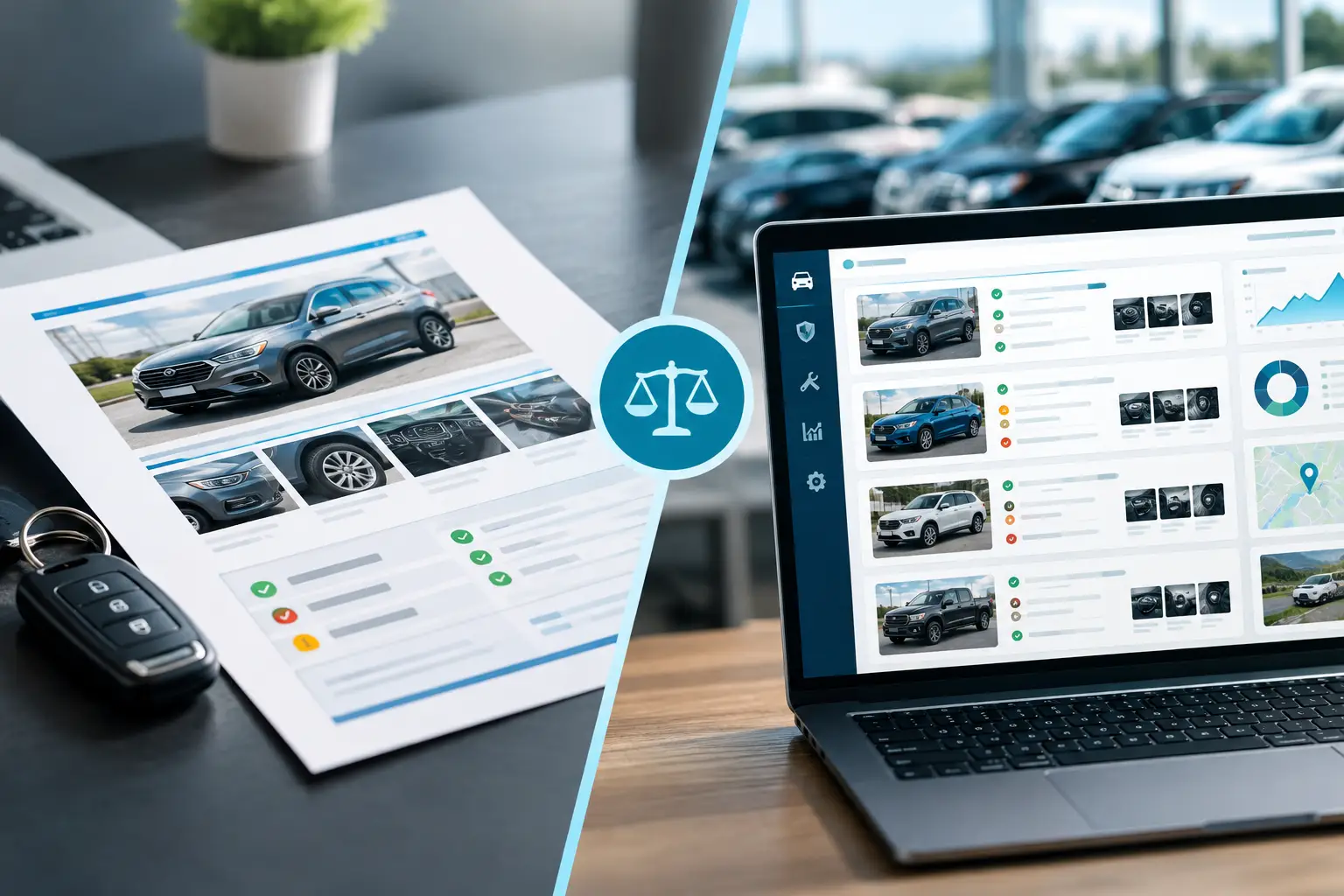
For buyers evaluating several vehicles, comparison matters. A VIN-based report and side-by-side dashboard can help separate a manageable, documented repair from a vehicle with multiple unresolved signals. DriveEvidence combines verified history data with a risk-based score so buyers and inventory teams can prioritize which vehicles deserve a closer inspection.
Questions that put a seller's story to the test
Ask direct questions before you travel to see the vehicle. Has it ever been in a collision, had paintwork, had body panels replaced, or received insurance repairs? Are there repair invoices or photographs? Has it ever had airbag deployment, frame damage, or a branded title?
Then compare the answers with the report and the vehicle itself. A seller who says "never damaged" but cannot explain a repainted fender or a history entry may not be giving you the full picture. A seller who volunteers repair documents, dates, and shop details gives you evidence you can verify.
For dealers, the same standard protects both margin and reputation. Document the condition review before stocking a vehicle, disclose material history accurately, and avoid relying on a clean report as the sole basis for a "no accident" claim.
Price uncertainty into the deal
If damage is documented or suspected, the vehicle's price should reflect the remaining uncertainty. The impact depends on repair quality, severity, vehicle type, title status, and the buyer's intended use. A repaired bumper on a commuter car is different from structural repair on a performance vehicle, luxury SUV, collector car, or fleet unit expected to run for years.
Do not let a lower asking price erase the need for proof. A bargain can become expensive when it brings alignment problems, water intrusion, advanced driver-assistance sensor issues, poor resale value, or an insurer's coverage limitations. The strongest deal is not simply the cheapest vehicle. It is the one with evidence that supports its price.
Before you buy, use the report to identify what is documented, use an inspection to identify what may not be documented, and let unanswered questions influence your decision. A seller can replace a panel. They cannot replace a clear paper trail and a credible explanation.