A clean-looking used car can still carry a history that changes its value, insurability, and resale prospects. Vehicle theft records help expose one of the most serious issues a VIN can hold: a theft report, a recovery event, or the damage and title complications that may follow both.
For a private buyer, that information can stop a costly mistake before money changes hands. For a dealer, auction buyer, or fleet manager, it can prevent a problem vehicle from entering inventory and creating a dispute later. The goal is not simply to find a theft flag. It is to understand what the record means, whether the vehicle was recovered, and what evidence supports its current status.
What Vehicle Theft Records Can Tell You
A theft record generally indicates that a vehicle was reported stolen to law enforcement or an insurance-related data source. Depending on the reporting source and the event timeline, a vehicle history report may show the theft date, reporting jurisdiction, recovery status, and related title information.
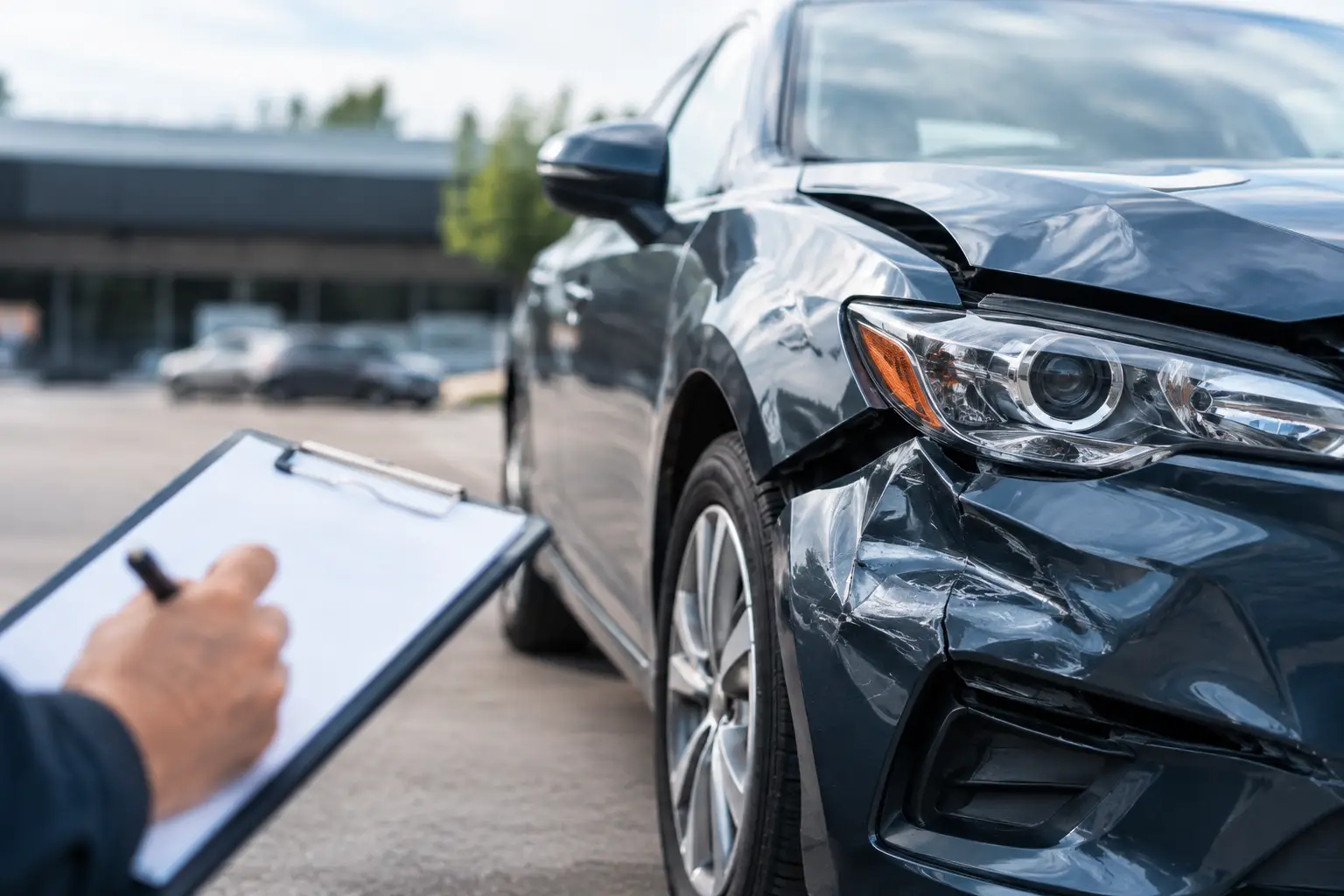
That distinction matters. A vehicle that was stolen and never recovered is a very different risk from one that was recovered quickly with no apparent damage. A recovered vehicle may be legally sellable, but the recovery itself should trigger deeper verification. Thieves can damage ignition systems, remove components, alter VIN labels, strip electronics, or cause collision damage while the vehicle is missing. Some of that damage may not be obvious during a quick walkaround.
Records can also reveal a gap between the seller's story and the vehicle's documented past. If a listing describes a vehicle as having a straightforward ownership history but the VIN shows a theft-and-recovery event, the buyer needs a clear explanation and supporting documents before moving forward.
A theft record is not automatically a reason to walk away. It is a reason to slow down, verify the details, and price the vehicle according to its actual risk.
Why a Recovered Vehicle Needs Extra Scrutiny
Recovery status does not answer every question. It only tells you that the vehicle was found after being reported stolen. The condition of the vehicle at recovery is where the real evaluation begins.
A car recovered within hours may have little more than a damaged door lock or ignition cylinder. A vehicle missing for weeks or months may have a much more complicated story. It could have been driven aggressively, damaged, stripped for parts, used in a crime, or repaired outside normal insurance and repair channels.
Title history is especially important here. A theft-related insurance claim can lead to a salvage title, rebuilt title, or other brand depending on the vehicle's condition, state rules, and insurer decision. In some cases, a vehicle may be recovered before the claim is finalized. In others, it may be declared a total loss and later return to the market after repair.
Do not assume that a currently clean-looking title erases prior risk. Title processing can vary by state, and data can arrive at different times. Review the full sequence of theft, recovery, title changes, registrations, and odometer readings. The timeline often tells you more than a single status field.
How to Verify a Theft Record Before You Buy
Start with the VIN, not the seller's description. Compare the 17-character VIN on the dashboard, driver-side door label, title, registration, insurance documents, and any available service records. Every character should match. A mismatch can point to a simple paperwork error, but it can also signal VIN tampering, title fraud, or a substituted vehicle.
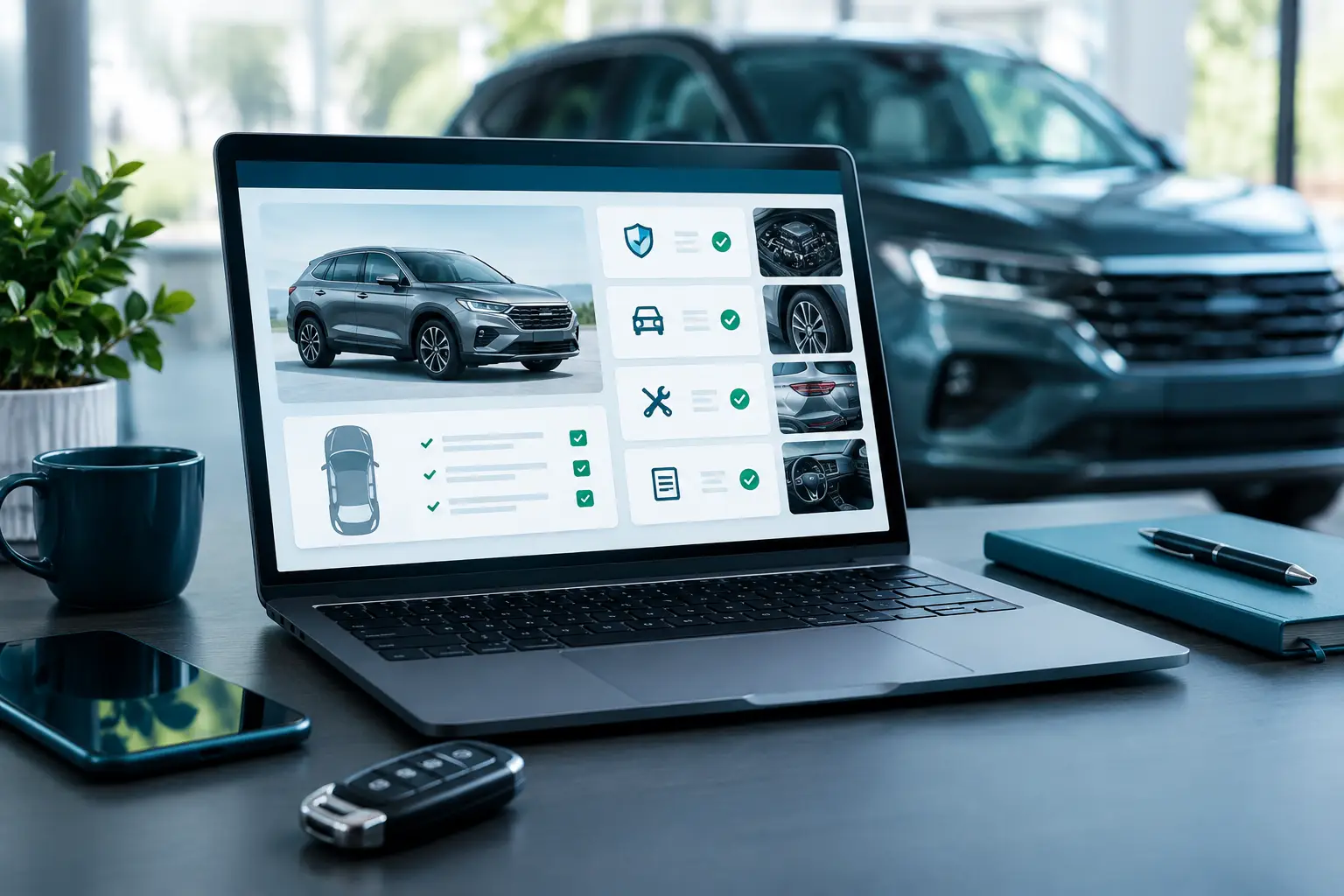
Next, review a VIN-based vehicle history report that includes theft and recovery information alongside title records, damage events, ownership history, odometer readings, recalls, and specifications. Looking at theft data in isolation creates blind spots. For example, a recovery event followed by an unexplained title change, mileage gap, or registration move deserves more attention than a recovery event with consistent records and documented repairs.
Ask the seller direct questions: When was the vehicle stolen? When was it recovered? Was an insurance claim filed? What repairs were completed? Is there an inspection report, repair invoice, or title documentation? A legitimate seller should be able to answer clearly or provide records. Vague answers, pressure to act quickly, or resistance to sharing the VIN are red flags.
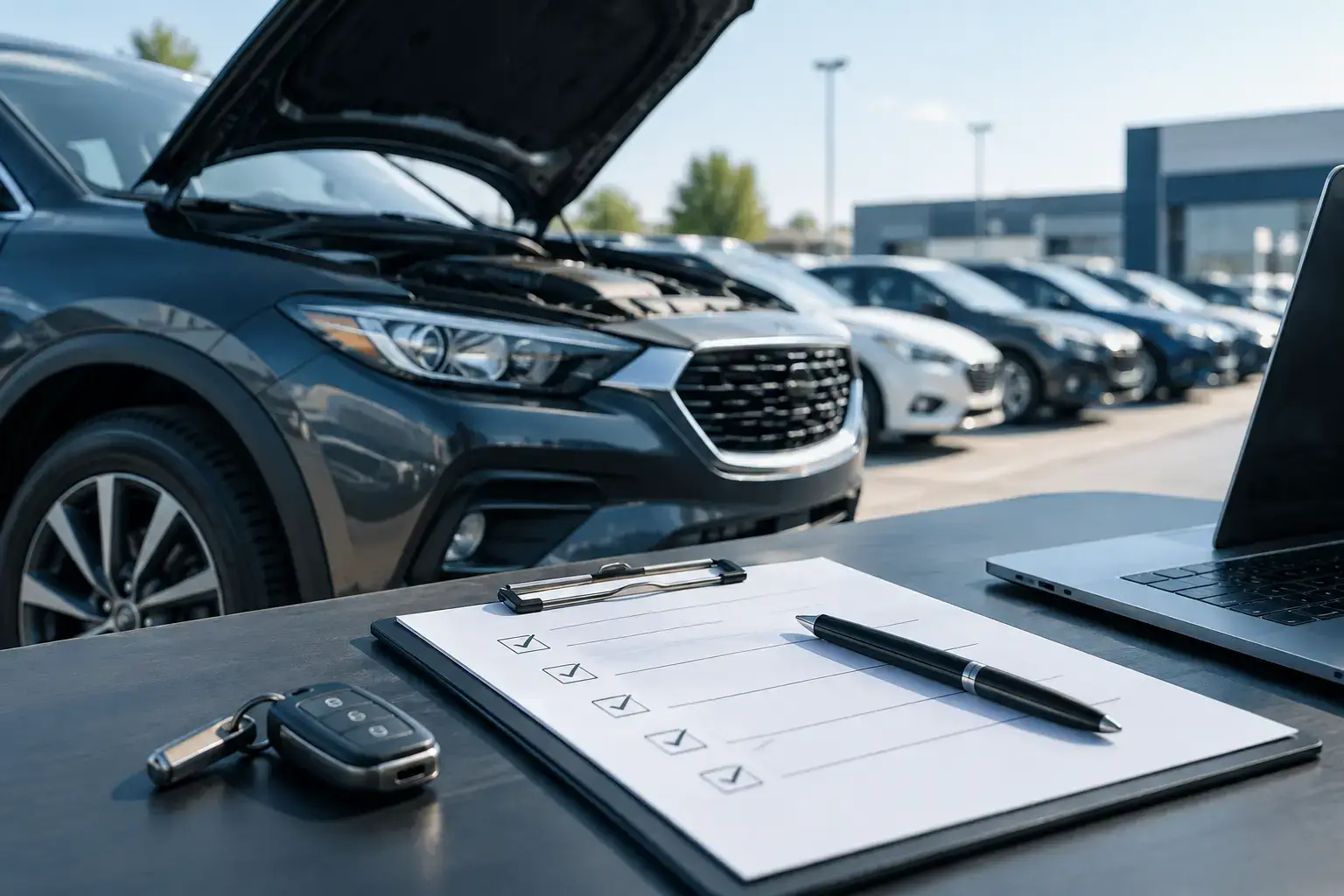
If the record shows theft or recovery, schedule an independent pre-purchase inspection. Ask the technician to check for signs of forced entry, ignition damage, missing airbags, aftermarket wiring, water intrusion, incomplete repairs, and altered VIN labels. A standard safety inspection may not investigate every theft-related concern, so explain the history before the appointment.
Finally, confirm that the vehicle is eligible to be titled and registered in your state. Rules for salvage, rebuilt, and recovered-theft vehicles vary. A car that appears inexpensive can become expensive fast if it cannot be insured properly, requires additional inspections, or has limited financing options.
Vehicle Theft Records and Title Risk
Theft history often intersects with title risk, but the two are not identical. A theft record documents an event. A title brand reflects how a state or insurer classified the vehicle. You need both pieces to evaluate the risk accurately.
For example, a vehicle may have been stolen, recovered, and returned to its owner without a title brand. Another may have been paid out as a total theft loss, then recovered and sold through an auction channel. The second vehicle may carry a salvage or rebuilt history even if it now looks showroom-ready.
That history affects more than purchase price. It can affect insurance coverage, lender approval, trade-in offers, warranty eligibility, and future buyer confidence. Dealers should be especially careful when appraising recovered vehicles because a missed history event can lead to a customer complaint, a reduced retail margin, or a difficult unwinding of the sale.
The practical question is not, “Can this vehicle be sold?” It is, “Can its history be accurately represented, properly priced, and supported with documentation?” If the answer is uncertain, the risk may exceed the apparent deal.
Common Mistakes Buyers and Dealers Make
The first mistake is treating “no theft record found” as proof that a vehicle has never been stolen. Data availability depends on reporting practices, source coverage, timing, and VIN accuracy. A report is a powerful decision tool, not a substitute for checking the physical vehicle and its paperwork.
The second is focusing only on the theft flag and ignoring the rest of the timeline. A reported recovery may be less concerning if title, mileage, service, and ownership records remain consistent. On the other hand, a single recovery event paired with a long reporting gap and a sudden price discount can signal a vehicle that needs far more investigation.
The third is accepting a low price as compensation for unknown risk. A discount only makes sense when you understand what you are accepting. If repairs are undocumented, the title path is unclear, or insurance is uncertain, the vehicle may not be a bargain at any price.
For high-volume buyers, the fourth mistake is reviewing records one VIN at a time without a comparison process. Theft flags, title brands, damage history, and odometer anomalies are easier to catch when vehicles can be sorted and reviewed side by side. DriveEvidence helps turn that fragmented research into a clearer vehicle-by-vehicle decision workflow.
Build a Better Decision From the Full Record
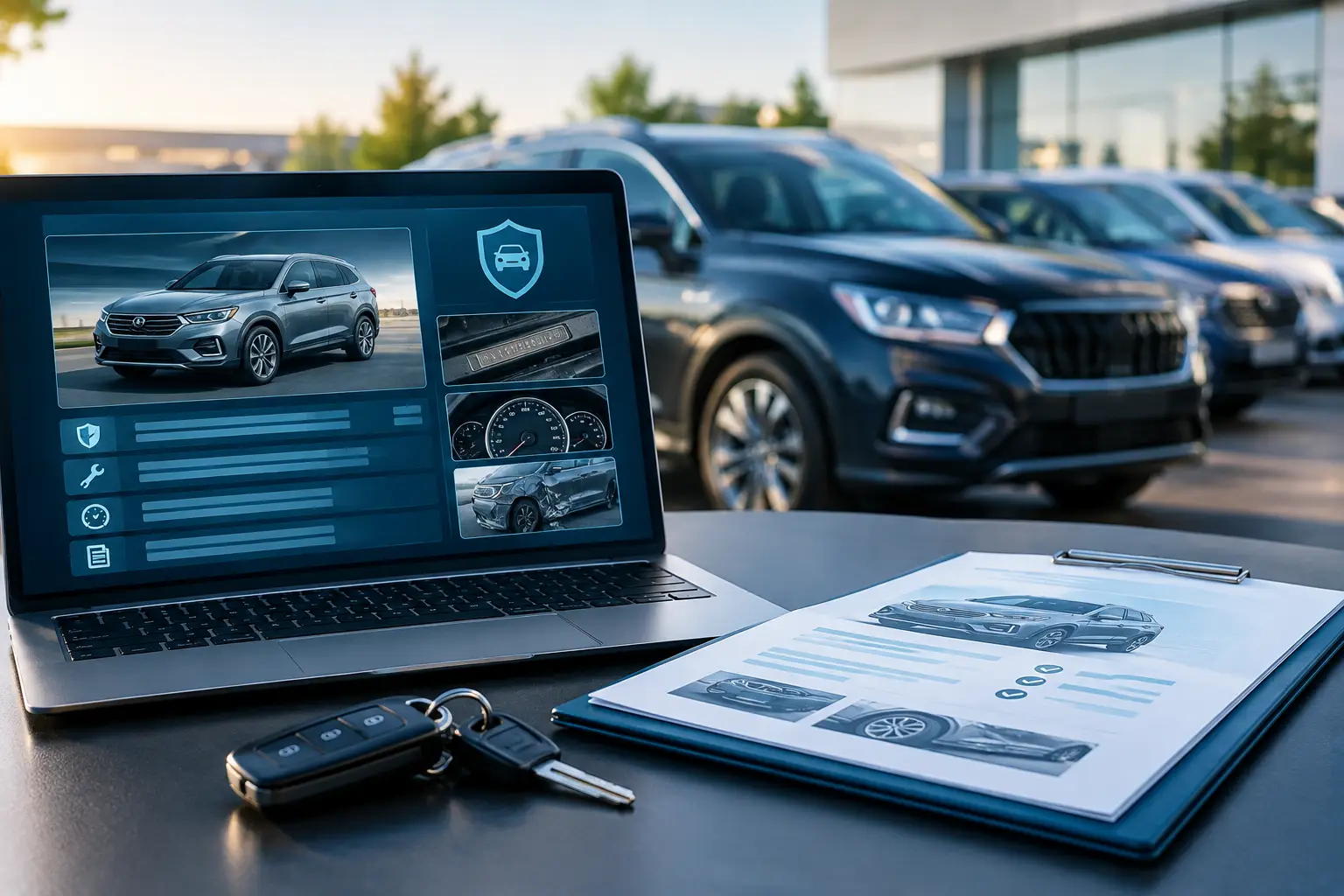
Vehicle theft records are most useful when they become part of a complete risk picture. Review the VIN, theft and recovery status, title history, accident and damage events, ownership changes, mileage pattern, recall status, and market value together. Then compare the findings against the seller's claims and the asking price.
A verified theft-and-recovery event does not always end the deal. It does mean the vehicle has earned a higher standard of proof. Documentation, independent inspection, legal title status, and realistic pricing should all be in place before you proceed.
The best used-car decisions are rarely based on a promise or a polished listing. They are based on evidence that holds up when the VIN, the paperwork, and the vehicle itself are examined side by side.