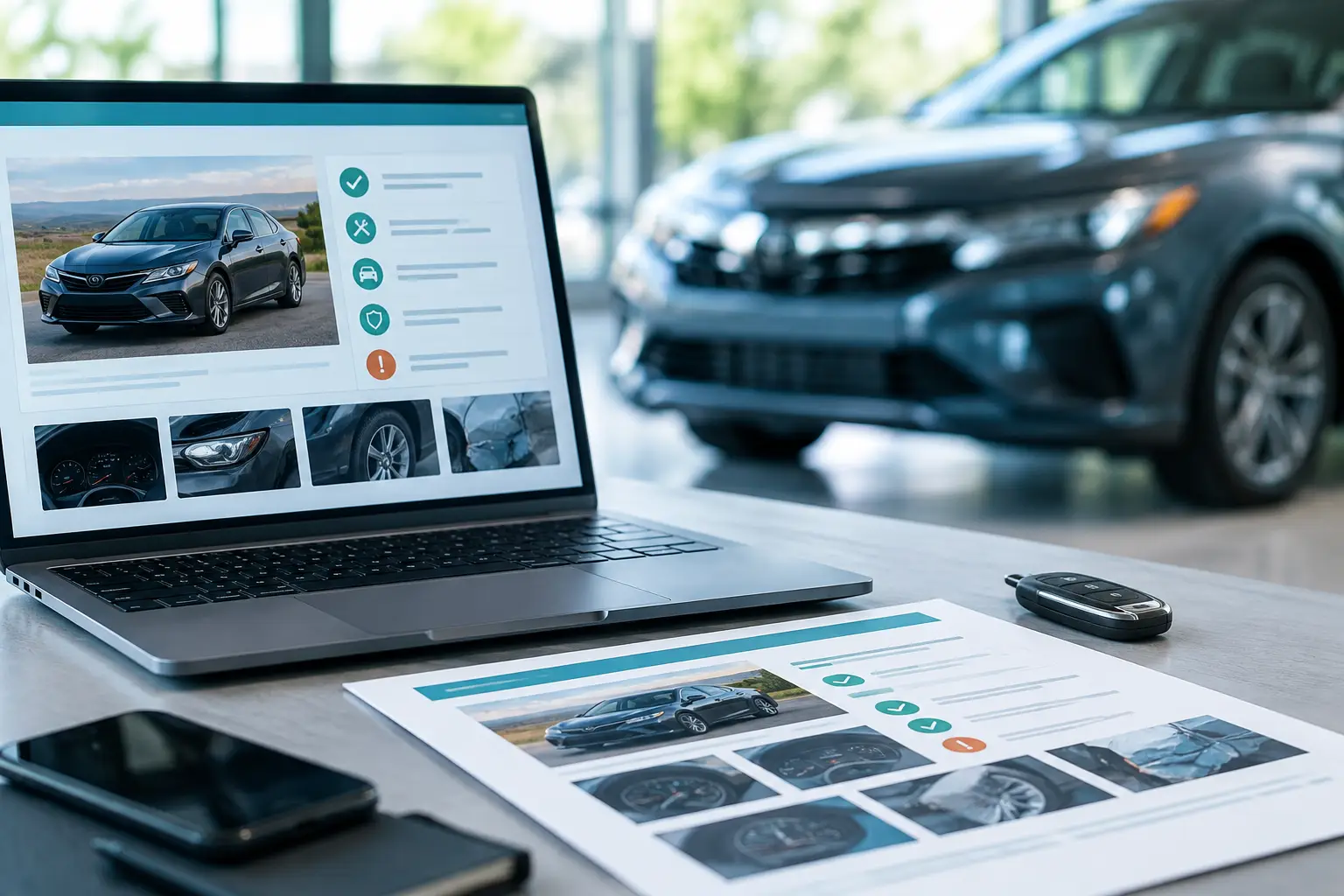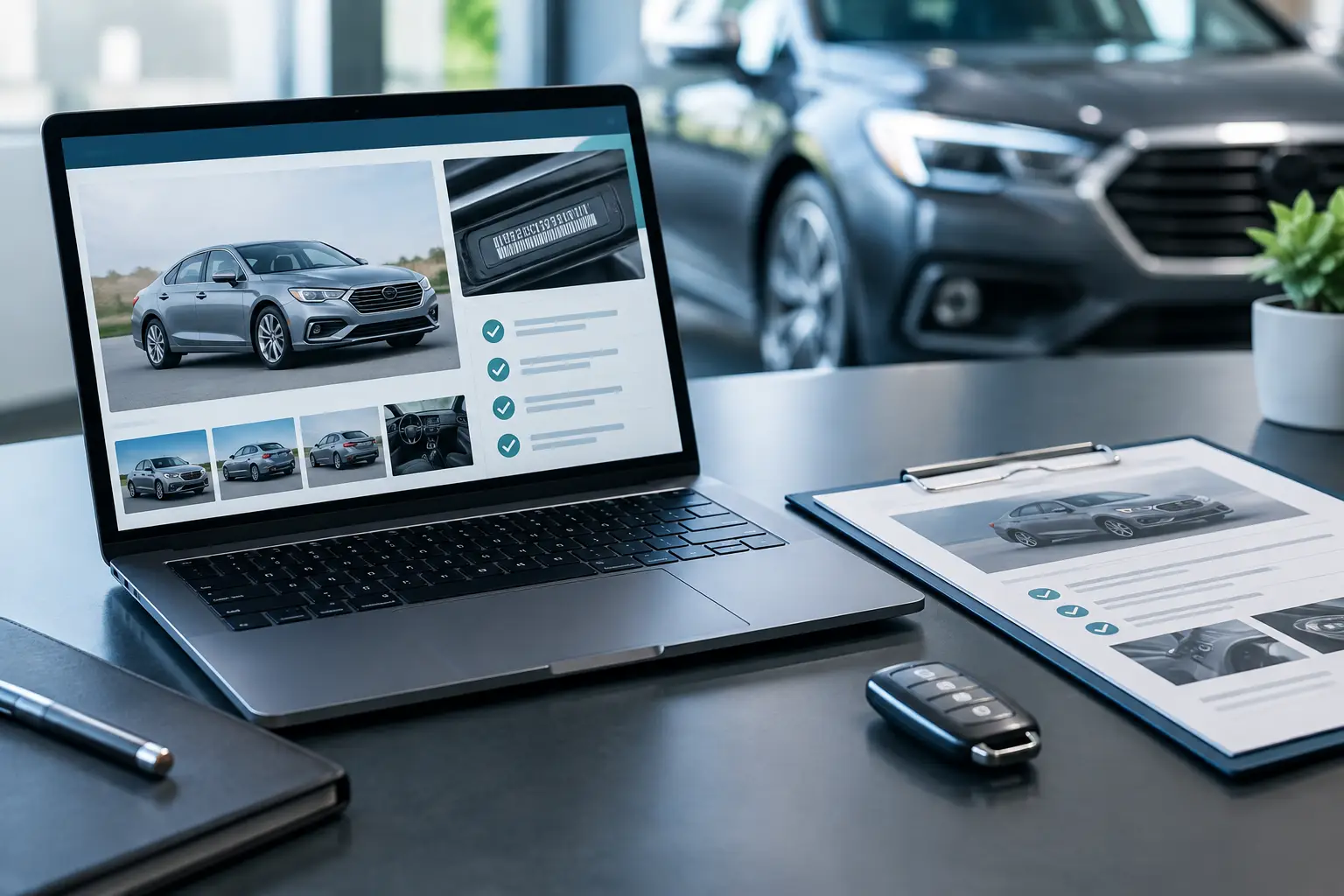
A clean-looking used car can still carry a history that changes its value, insurability, and resale prospects. A theft history check is one of the fastest ways to find out whether a vehicle was reported stolen, later recovered, or assigned a title brand connected to theft. That matters before money changes hands, not after the seller has disappeared and the problem becomes yours.
For private buyers, dealers, auction buyers, and fleet managers, theft records are not a minor detail. They can point to title complications, missing documentation, prior damage, parts replacement, or a vehicle that should never be offered for sale. The right response is not to panic at every theft-related record. It is to verify the facts, understand the vehicle's current legal status, and price the risk correctly.
What a Theft History Check Can Reveal
A VIN-based theft history check searches available records tied to a vehicle's identification number. Depending on the reporting sources and the vehicle's history, it may show a theft report, recovery event, theft-related title brand, or a record indicating that the vehicle was previously declared a total loss after theft.
The most urgent finding is an active theft report. If a vehicle is currently listed as stolen, stop the transaction. Do not test drive it, move it, pay a deposit, or rely on a seller's explanation that the issue is a database error. Contact local law enforcement and let them determine the next step. Buying a stolen vehicle can leave you without the car and without the money you paid.
A recovered-theft record is different. It means the vehicle was stolen and later found. Recovery alone does not tell you whether the car is unsafe or a bad purchase. Some recovered vehicles return quickly with little or no damage. Others are stripped, vandalized, driven hard, involved in a crash, or exposed to water while abandoned. The record is a signal to investigate, not a verdict by itself.
Title information adds another layer. A theft-recovery, salvage, rebuilt, or similar brand can affect registration requirements, financing options, insurance coverage, and market value. Exact title rules vary by state, so confirm the title status with the issuing motor vehicle agency before committing to a purchase.
Why Recovered Theft Vehicles Need More Scrutiny
Theft can create risks that a standard walkaround will not catch. A car may have replacement locks, a damaged ignition, removed airbags, missing catalytic converters, altered electronics, or poorly repaired body damage. Modern vehicles also rely on modules, sensors, keys, and software that can be expensive to replace and difficult to calibrate correctly.
A seller may honestly say the vehicle runs well. That is not enough. A recovered vehicle can drive normally while carrying hidden repair issues, incomplete title paperwork, or a diminished resale value that will matter when you sell or trade it later.
The financial trade-off is straightforward: a theft-recovery vehicle may be worth considering only when its condition, documentation, and price clearly reflect the added risk. A modest discount usually does not justify uncertain history. A larger discount may be reasonable if an independent inspection confirms quality repairs, the title can be registered in your state, and insurance is available on terms you can accept.
For dealers and fleet buyers, the same principle applies at scale. One unresolved theft-related title issue can consume time in reconditioning, paperwork, customer disclosures, and unwinding a deal. Screening VINs before acquisition protects both margin and reputation.
How to Run a Theft History Check Correctly
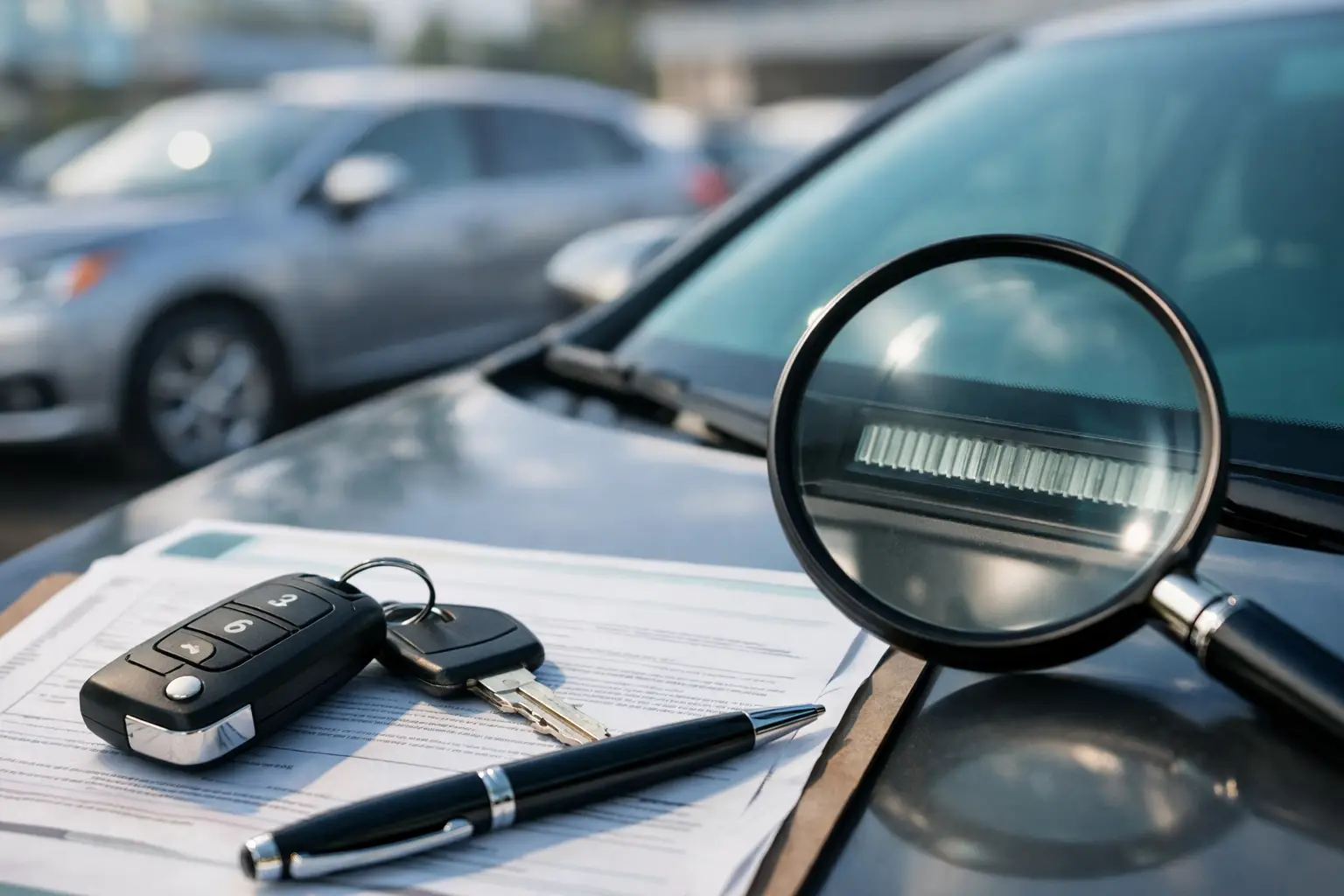
Start with the complete 17-character VIN from the dashboard, driver-side door jamb, title, and vehicle registration. Those locations should match exactly. A VIN that is missing, scratched, altered, or inconsistent is a major red flag. Walk away until the discrepancy is explained through official documentation.
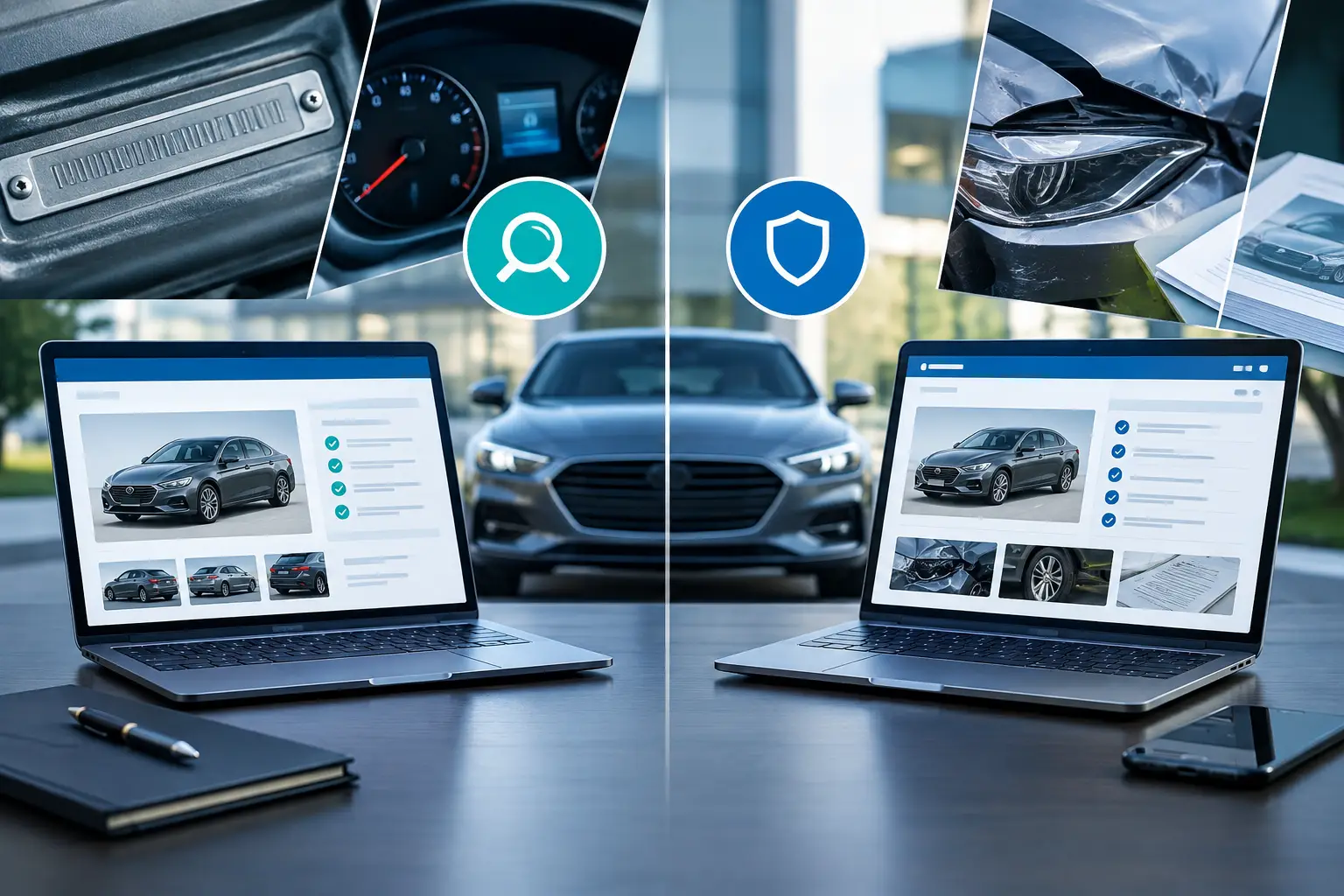
Then review theft history alongside the rest of the vehicle record. Theft data is more useful when placed next to title events, accident or damage history, odometer readings, ownership changes, open recalls, and market value. For example, a recovery record followed by a salvage title and a sharp price reduction tells a different story than a quick recovery with a clean title and documented repairs.
Do not rely on a single data point or a seller-provided screenshot. Records can update at different times, and no report can replace title verification, a physical inspection, or a test drive. Use the report to identify where to ask harder questions.
A practical review should cover these four checks:
- Confirm whether the theft report is active, recovered, or tied to a historical title event.
- Compare the VIN across the car, title, registration, and report for exact consistency.
- Review title brands and state registration requirements before negotiating price.
- Order an independent pre-purchase inspection, especially for recovered or rebuilt vehicles.
If the seller cannot provide the title, claims the title is coming later, pressures you to pay quickly, or refuses an inspection, treat that as a transaction risk. The issue may not be theft, but the lack of verification is enough reason to pause.
Questions to Ask the Seller
When a theft or recovery record appears, ask when the theft occurred, when the vehicle was recovered, and what repairs were completed afterward. Request invoices, insurance paperwork, photographs from before repairs, and the current title. If a dealer has reconditioned the vehicle, ask for the repair order and the inspection findings.
Focus on specifics. “It was just stolen” is not an explanation. Was the ignition replaced? Were airbags deployed or removed? Was glass broken? Were electronic modules replaced? Was the vehicle declared a total loss? Clear answers backed by documents are more valuable than reassurance.
What a Theft Record Means for Price and Insurance
Theft history can reduce a vehicle's market value because future buyers may see it as a higher-risk purchase. The size of that reduction depends on the title status, condition, repair quality, make and model, and local demand. A recovered vehicle with a clean title and verified minor repairs may have a smaller discount than a theft-recovery vehicle with a salvage or rebuilt title.
Insurance deserves equal attention. Some insurers may limit physical-damage coverage or calculate value differently for branded-title vehicles. Contact your insurer with the VIN before you buy, not after you have signed the paperwork. Ask whether comprehensive and collision coverage are available and how the insurer would value the vehicle in a total-loss claim.
Financing can also be less flexible. Lenders may decline vehicles with certain title brands or require different loan terms. Cash buyers should not assume this makes the issue irrelevant. Limited financing and insurance options can narrow the pool of future buyers and lower your resale leverage.
Use Theft Data in the Full Vehicle Decision
Theft history is one part of a complete vehicle evaluation. A clean theft result does not prove a car has no problems, and a recovered-theft record does not automatically make it unbuyable. The decision comes down to verified records, current condition, legal title status, and price.
This is where a single-vehicle report can become limiting for dealers, auction buyers, and shoppers comparing several candidates. DriveEvidence brings theft and recovery records into the same workflow as title history, damage events, odometer checks, recalls, specifications, valuations, and a 0-100 DriveEvidence Score. Instead of sorting through disconnected reports, users can compare the risk signals that matter across multiple VINs.
Use that context to make a disciplined call. If one car has unclear theft documentation, a branded title, and a price that barely beats clean-history alternatives, it is probably not the bargain it appears to be. If the history is documented, the inspection is clean, the title is valid, and the discount is substantial, you can evaluate it with eyes open.
A vehicle purchase should never depend on a seller's story alone. Verify the VIN, inspect the car, confirm the title, and let the records determine whether the deal deserves your trust.