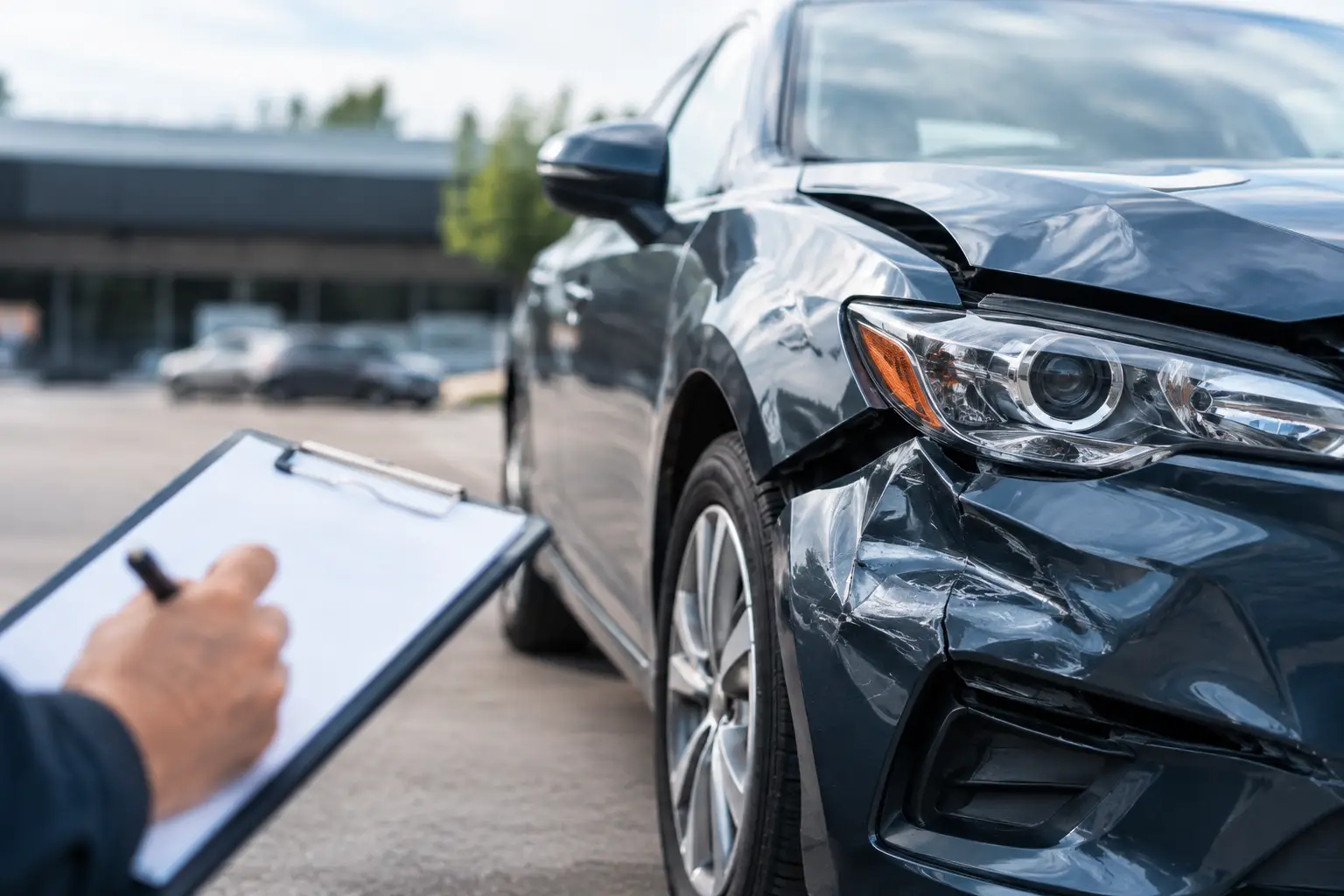
A vehicle can look right in photos, drive well on a short test route, and still carry a title brand, odometer discrepancy, or prior damage that changes the deal. The choice between a single VIN report versus dashboard matters because the way you review vehicle history affects what you catch, how quickly you act, and whether you can defend the decision later.
For one vehicle and one immediate question, a single report can be enough. For buyers comparing several listings, dealers sourcing inventory, auction teams, and fleet managers, disconnected reports create a slower and riskier workflow. The real issue is not whether vehicle history matters. It is whether the review process gives every vehicle the same level of scrutiny.
What a Single VIN Report Does Well
A single VIN report is built for a focused review. You enter one VIN and examine the vehicle's history: accidents or damage, title status, theft records, prior ownership, odometer readings, recalls, specifications, and other available data points. It gives a buyer a clear place to start before making an offer.
This approach works well when the decision is narrow. Maybe you have already selected a specific used truck and want to verify that its clean-title claim matches the record. Maybe a private seller has provided a VIN, the price is reasonable, and you need to identify obvious deal breakers before paying for a pre-purchase inspection.
A report also supports careful, document-level review. You can slow down, trace a concerning event, compare reported mileage against the listing, and ask the seller direct questions. If the report shows a gap, it does not automatically mean the vehicle is a bad purchase. It means the gap needs an explanation and, when appropriate, independent confirmation.
The limitation appears when the vehicle is not the only option. Reviewing five or 20 reports one at a time forces you to remember which SUV had the salvage history, which sedan had an unresolved recall, and which pickup had the strongest value relative to its mileage. Important differences can get lost between browser tabs, downloaded files, and handwritten notes.
Single VIN Report Versus Dashboard: The Workflow Difference
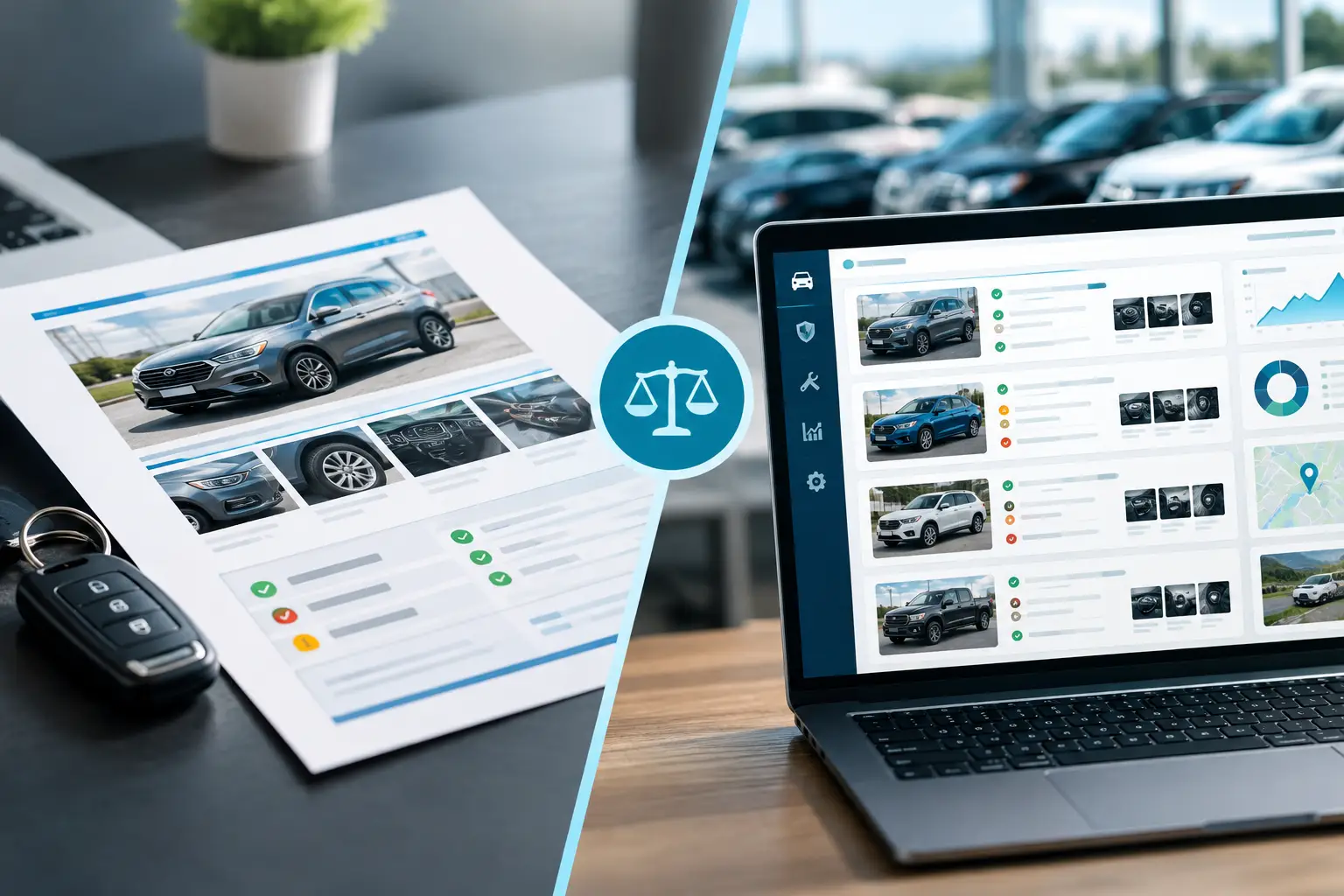
The difference is simple: a report helps you investigate one vehicle, while a dashboard helps you make decisions across vehicles.
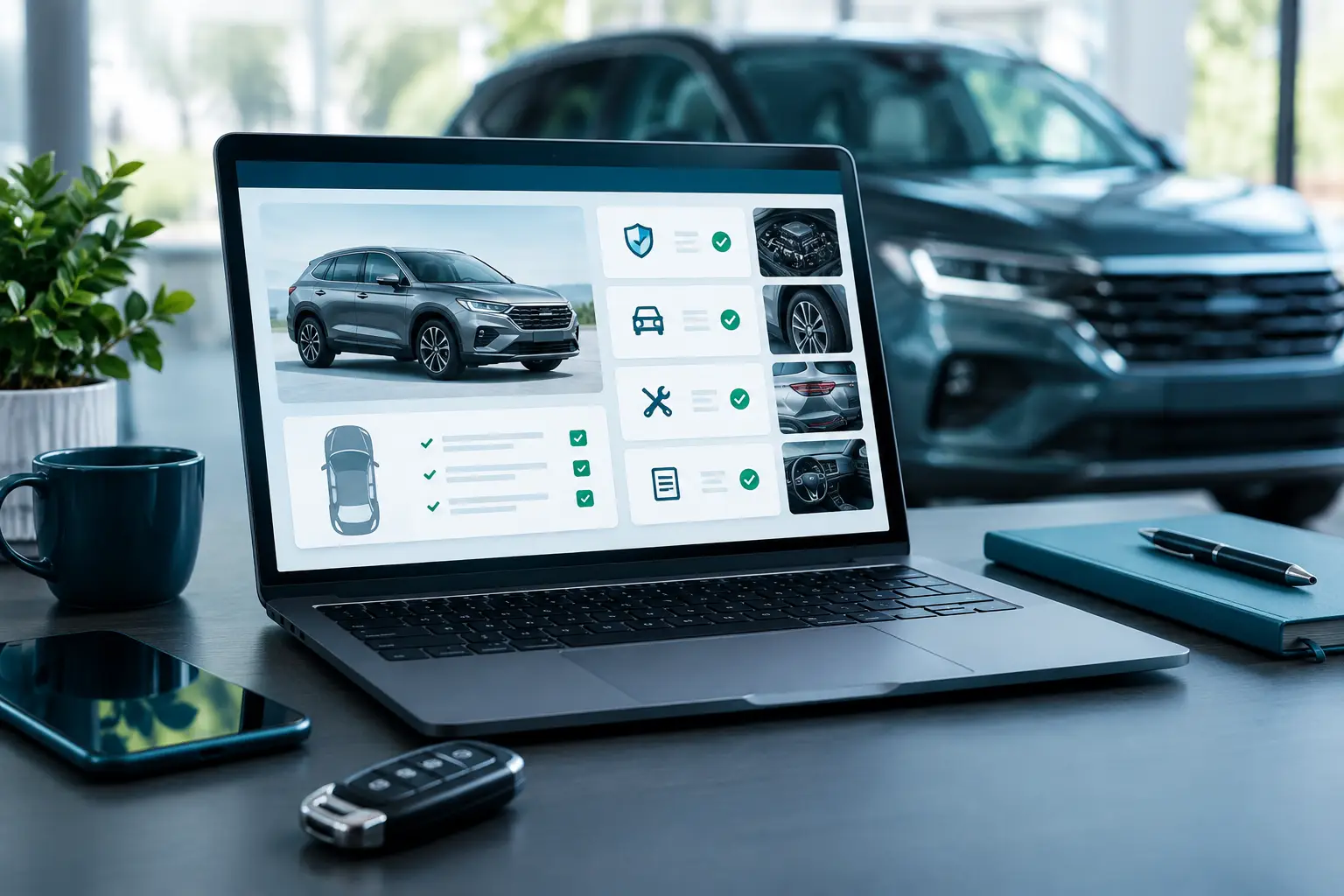
In a dashboard workflow, each VIN becomes part of a structured comparison set. Instead of opening records separately and trying to reconstruct the findings, you can save vehicles, sort them, compare key fields side by side, and return to the same review set later. That changes the work from research collection to decision management.
For example, imagine an independent dealer evaluating eight auction vehicles before a sale. Two have minor damage records, one has a branded title, three show strong retail potential, and two carry mileage concerns. A series of single reports can reveal all of that, but the reviewer must manually organize the findings. A dashboard surfaces the patterns across the group, making it easier to eliminate high-risk units before time and capital are committed.
For an individual buyer, the advantage is often less about volume and more about discipline. A buyer shopping for a compact SUV may have four realistic candidates. Seeing title status, odometer verification, accident history, open recalls, market valuation, and risk signals in one working view helps prevent a common mistake: choosing the vehicle with the best photos rather than the vehicle with the best evidence.
A dashboard is not a substitute for judgment
Centralizing data does not make every decision automatic. Vehicle history records can be incomplete, timing can vary by data source, and a clean-looking record does not replace a mechanical inspection. A dashboard should help users prioritize questions, document findings, and identify where more verification is needed.
That is why the best systems pair detailed records with a clear decision signal. DriveEvidence, for example, uses a 0-100 DriveEvidence Score to translate complex history into a risk-based reference point. The score does not erase the underlying facts. It gives buyers and professionals a faster way to see which vehicles deserve closer attention first.
Where a Dashboard Produces Better Decisions
A dashboard becomes more valuable as the number of VINs, stakeholders, or decision steps increases. Its strongest advantage is consistency. Every vehicle can be reviewed against the same criteria instead of receiving a different level of attention based on how much time remains in the day.
Consider four practical situations:
- Active vehicle shoppers can compare short-listed listings before scheduling test drives, avoiding wasted trips to vehicles with material title, theft, or mileage concerns.
- Independent dealers can rank acquisition opportunities by history risk, value, and expected resale potential instead of relying on memory or scattered spreadsheets.
- Auction buyers can process larger groups of VINs quickly, flag exceptions, and focus their bidding attention where the evidence supports it.
- Fleet managers can retain a searchable record of vehicles, evaluate replacement options, and export findings for internal review or approval.
The shared benefit is speed with accountability. When someone asks why a vehicle was purchased, rejected, or priced below market, the answer should be supported by records, not a vague recollection of a report viewed weeks earlier.
What to Compare Beyond the Headline Price
The lowest-priced vehicle is not always the best value. A lower purchase price may reflect title issues, prior severe damage, unresolved recalls, inconsistent mileage, or a weak resale outlook. Conversely, a higher-priced vehicle with verifiable history and fewer risk factors may cost less over the life of ownership.
A useful comparison process looks at the whole record. Start with title status and brands because those can materially affect financing, insurance, registration, resale value, and buyer confidence. Then review accident and damage events in context. A minor incident with documented repairs is different from a pattern of severe damage, but both require scrutiny.
Next, check odometer history, theft and recovery records, ownership patterns, safety ratings, and open recalls. Market valuation adds another layer: it helps determine whether the asking price reflects the vehicle's condition and history or simply the seller's ambition.
The goal is not to reject every vehicle with an adverse event. Used vehicles often have history. The goal is to identify whether the price, condition, and risk level align. A transparent seller who can explain a documented repair may offer a better transaction than a seller with a polished listing and evasive answers.
When a Single Report Is Enough
A single report remains the right tool in specific cases. If you are buying one vehicle from a known party, have no meaningful alternatives, and need a final verification before inspection or purchase, a detailed VIN report can provide the evidence you need.
It is also useful for a targeted question. Perhaps you want to confirm a recall, decode specifications, check title status, or verify whether a suspicious mileage reading appears in the available record. Free VIN lookup information for basics such as specifications and recalls can help narrow the field before deeper research.
But once you are comparing vehicles, managing inventory, bidding at auction, or reporting findings to others, a report-by-report approach starts creating friction. The time cost grows, and so does the chance that a critical difference will be missed.
Choose the Review Method That Matches the Decision
The right choice depends on the size and stakes of the decision. One vehicle, one question, and one buyer may call for a single VIN report. Multiple vehicles, repeat purchases, shared approvals, or inventory oversight call for a dashboard that keeps the evidence organized and comparable.
Before you commit to any vehicle, ask a practical question: can you clearly explain why this VIN is safer, better valued, or better suited than the alternatives? If the answer is based on verified records rather than instinct, you are already making a stronger move.