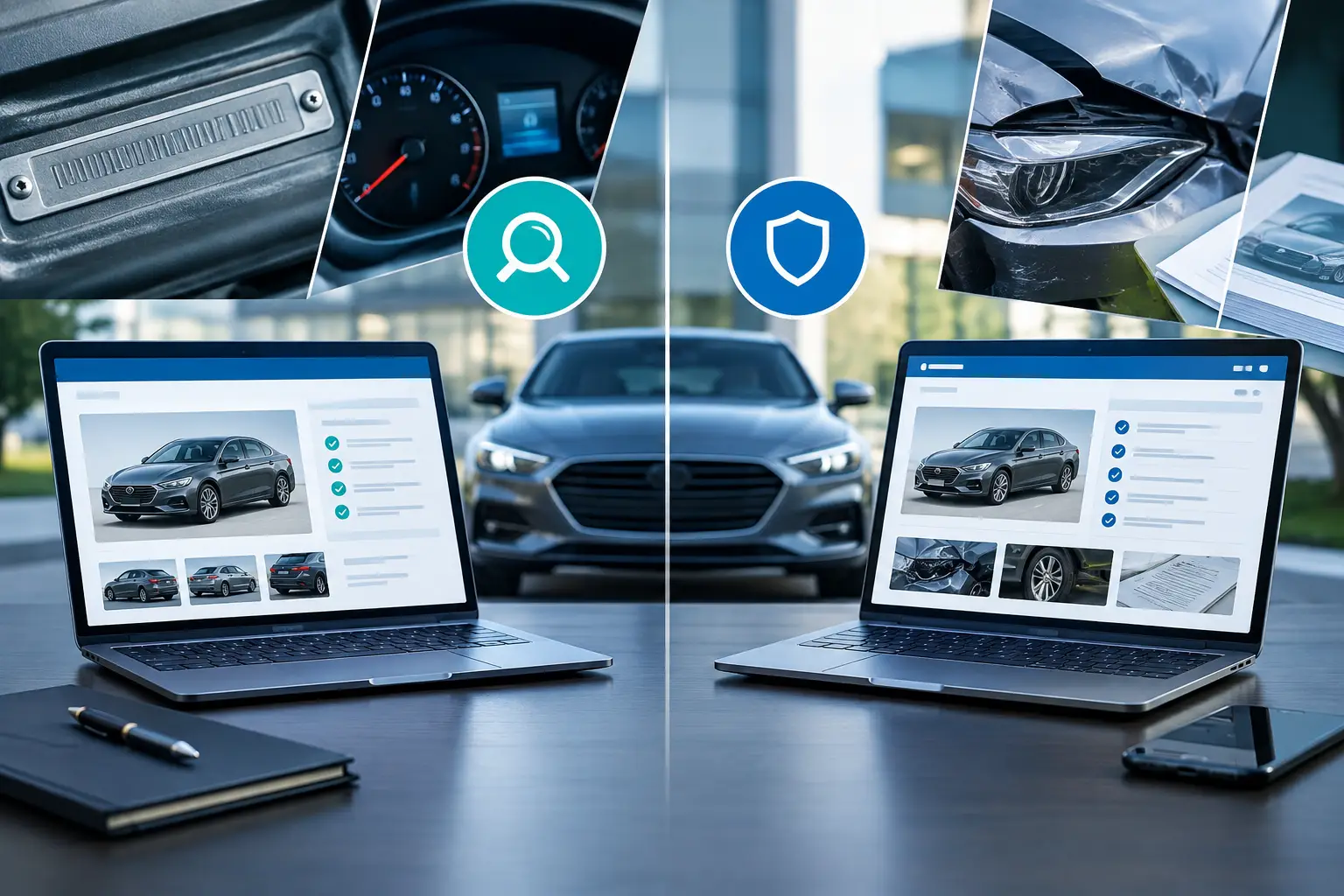

A clean-looking used car can carry a price that seems too good to pass up. If its record shows a salvage title, that lower number is not a minor detail - it is the market accounting for a different level of risk. Understanding salvage title value impact helps buyers avoid overpaying for a repaired vehicle and helps sellers set a price that can survive scrutiny.
A salvage title does not automatically mean a vehicle is unsafe, poorly repaired, or impossible to insure. It does mean an insurer previously determined that the cost to repair the vehicle, or another covered loss, met the threshold for a total loss under that state’s rules. Those rules vary, as do the reasons a vehicle receives the brand. Collision damage is common, but flood, theft recovery, hail, fire, and vandalism can also lead to a salvage designation.
The title brand remains part of the vehicle’s identity even after repairs. That permanent record changes what informed buyers will pay, how lenders and insurers view the vehicle, and how easily it can be sold later.
What Drives Salvage Title Value Impact
The biggest pricing mistake is assuming every salvage vehicle deserves the same discount. A repaired late-model car with documented cosmetic hail damage is not the same proposition as a flood vehicle with an uncertain electrical future. The title brand matters, but the cause of the brand and the proof behind the repair matter more.
In many markets, a rebuilt or reconstructed-title vehicle sells for roughly 20% to 40% less than a comparable clean-title vehicle. The discount can be deeper for vehicles with structural damage, airbag deployment, flood exposure, or incomplete repair records. A niche model with strong enthusiast demand may retain more value, while a common commuter vehicle gives buyers little reason to accept additional risk when clean-title alternatives are plentiful.
Use the clean-title market value as a starting point, not the final answer. Then adjust for the title brand, actual damage type, repair quality, mileage, trim, condition, location, and demand. A salvage history is a major valuation factor, but it does not erase the normal fundamentals of used-car pricing.
The reason for the total loss matters
A total loss designation can result from damage that is expensive relative to a vehicle’s value, not necessarily damage that is impossible to repair. For example, a low-value older vehicle may be totaled after a relatively modest collision because parts, labor, rental costs, and supplemental damage push the claim above the insurer’s threshold.
That does not make the vehicle a bargain by default. Buyers still need evidence that the repairs were completed correctly. However, it explains why two cars with the same title brand can have very different risk profiles and values.
Flood damage typically carries one of the largest penalties because water can affect wiring, sensors, modules, upholstery, and corrosion protection long after a vehicle appears dry. Severe collision damage can create similar concern when frame or unibody structure, suspension mounting points, airbags, or advanced driver-assistance sensors were involved. A theft-recovery history may be less damaging if the vehicle was recovered intact, but missing parts, ignition damage, or undocumented use can still affect value.
Repair evidence changes buyer confidence
A seller who says, “It was fixed,” has not answered the questions that move a buyer from interest to commitment. Itemized repair invoices, before-and-after photos, parts receipts, alignment records, calibration documentation, and a state inspection record can reduce uncertainty. They do not remove the title brand, but they make the vehicle easier to evaluate.
Professional repairs are especially relevant on newer vehicles. Cameras, radar units, airbags, seat-belt pretensioners, and electronic control modules often require correct replacement and calibration. A vehicle can drive straight and still have unresolved safety-system faults. A pre-purchase inspection should include a scan for diagnostic trouble codes, a check for warning lights, paint and panel inspection, underbody review, and confirmation that safety systems operate as intended.
Rebuilt Title Value Is Not the Same as Salvage Value
State terminology varies, but a salvage-title vehicle generally cannot be legally driven on public roads until it is repaired and passes the required inspection process. Once approved, it may receive a rebuilt, reconstructed, or similar branded title. That makes it usable, but it does not make it equivalent to a clean-title vehicle.
The rebuilt designation confirms that a state process was completed. It is not a blanket certification of long-term mechanical condition, cosmetic quality, or market value. Buyers should verify what inspection occurred in that state and avoid treating the rebuilt label as proof that every prior issue was corrected to factory standards.
For sellers, this distinction affects pricing strategy. Pricing a rebuilt-title vehicle just a few hundred dollars below a clean-title comparable usually creates a stalled listing. Serious buyers will compare title status first, then ask about the damage, repairs, insurance, and financing. A realistic price reflects the permanent resale friction they will inherit.
Financing and Insurance Can Reduce the Real Value Further
A vehicle’s market price is only one part of its practical value. A buyer who cannot secure acceptable financing or full coverage may need to walk away, even if the asking price is attractive.
Some lenders will not finance branded-title vehicles. Others may require a larger down payment, limit loan terms, or base the loan on a lower valuation. This narrows the buyer pool and puts downward pressure on resale value. Dealers evaluating trade-ins face the same issue: if the next buyer needs financing, the vehicle may be harder to retail.
Insurance availability also varies by carrier and state. Liability coverage is often easier to obtain than comprehensive and collision coverage, but rules differ. Before committing to a purchase, get a quote using the exact VIN and ask whether the policy covers a rebuilt title at the value you expect. Do not assume a lower purchase price guarantees lower insurance costs.
How Buyers Should Set a Fair Price
Start by finding clean-title comparables with the same year, make, model, trim, mileage range, drivetrain, and local market conditions. Then identify the title brand and the event that caused it. A generic vehicle-history label is not enough for a confident valuation.
Next, inspect the documentation and the vehicle itself. Look for uneven panel gaps, inconsistent paint texture, overspray, corrosion, missing underbody shields, non-functioning features, and tire wear that may point to alignment or suspension issues. On a test drive, pay attention to pulling, vibration, steering-wheel position, braking behavior, warning lights, and driver-assistance alerts.
Then apply a discount that matches the evidence. A vehicle with documented, limited damage and verified repairs may justify a smaller discount than one with unclear damage history. If the history indicates flood exposure, major structural repairs, airbag deployment, or gaps in ownership and odometer records, the discount should be significant enough to account for future repair risk and resale limitations.
For a high-dollar purchase, pay for an independent inspection by a shop familiar with collision repair and the vehicle’s systems. That cost is small compared with discovering poor welds, uncalibrated sensors, water intrusion, or a title issue after the sale.
What Dealers and Fleet Buyers Should Verify at Scale
For professional buyers, salvage title value impact is an inventory-control issue. A branded-title unit can produce margin when acquired correctly, but it can also consume time through inspections, reconditioning, disclosures, lender restrictions, and longer days to sale.
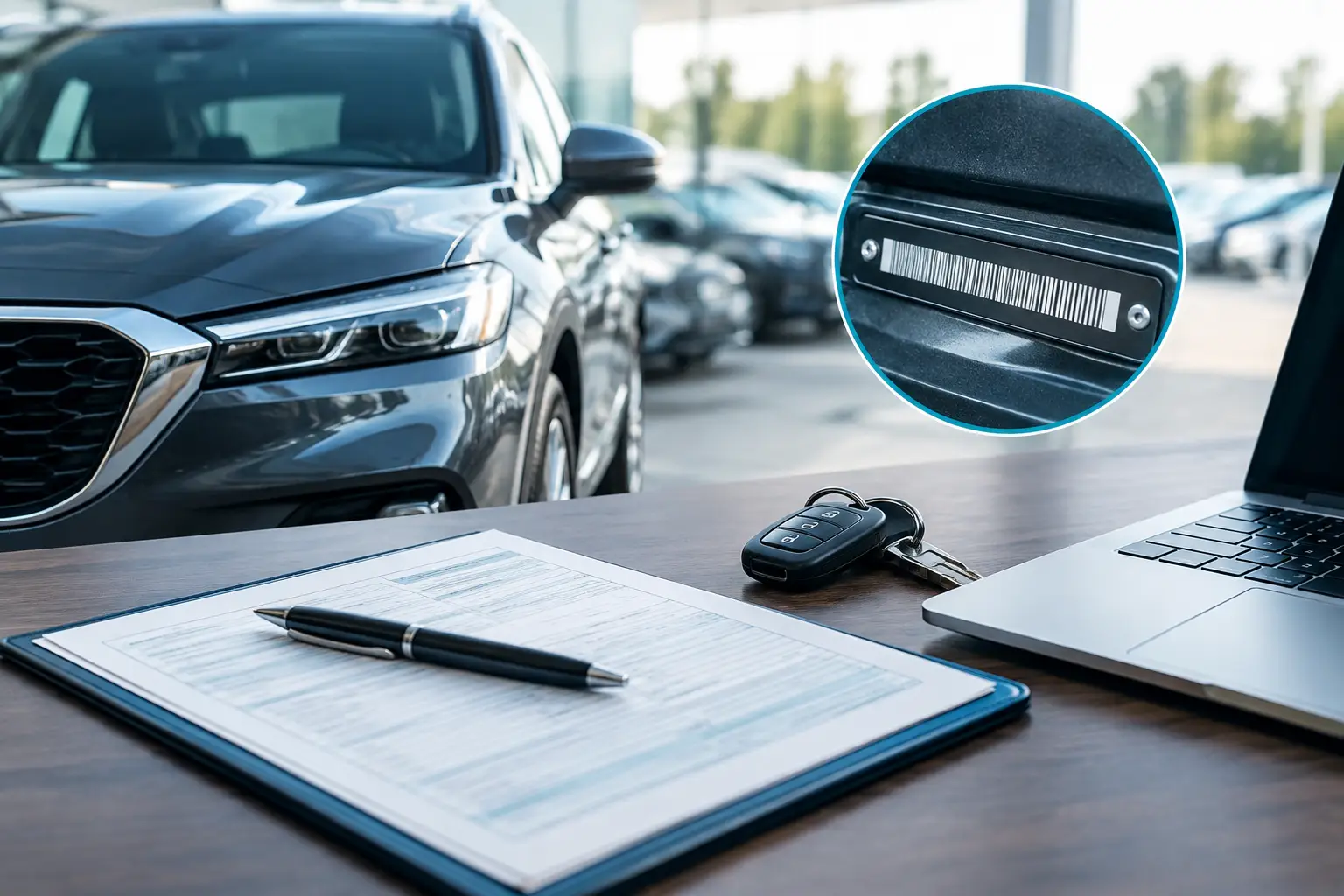
A consistent VIN review process protects the operation. Verify title status and brands, loss type when available, theft and recovery records, ownership sequence, odometer consistency, accident and damage events, recalls, and current market values before setting an acquisition ceiling. Sort units by risk rather than treating every branded title as one category.
DriveEvidence helps teams bring those records into one vehicle evaluation workflow, with history data and a risk-based score that makes comparisons faster. The score should support judgment, not replace it. A lower-risk record still deserves a physical inspection, while a higher-risk record may require a deeper discount or a decision to pass.
When a Salvage Vehicle Can Make Sense
A salvage or rebuilt-title vehicle can fit a buyer who plans to keep it for years, pays cash, understands the repair history, and accepts reduced resale flexibility. It may also make sense for a second vehicle, a work vehicle, or a project car when condition and price are verified.
It is less suitable for buyers who need straightforward financing, want maximum trade-in value, lack funds for unexpected repairs, or expect to resell within a short period. The lower purchase price can be real savings, but only when it exceeds the risks and limitations attached to the vehicle.
The best protection is simple: price the vehicle for the title it has, not the title it once could have had. Verify the record, inspect the repairs, confirm insurance and financing before money changes hands, and let the evidence determine whether the discount is truly worth it.