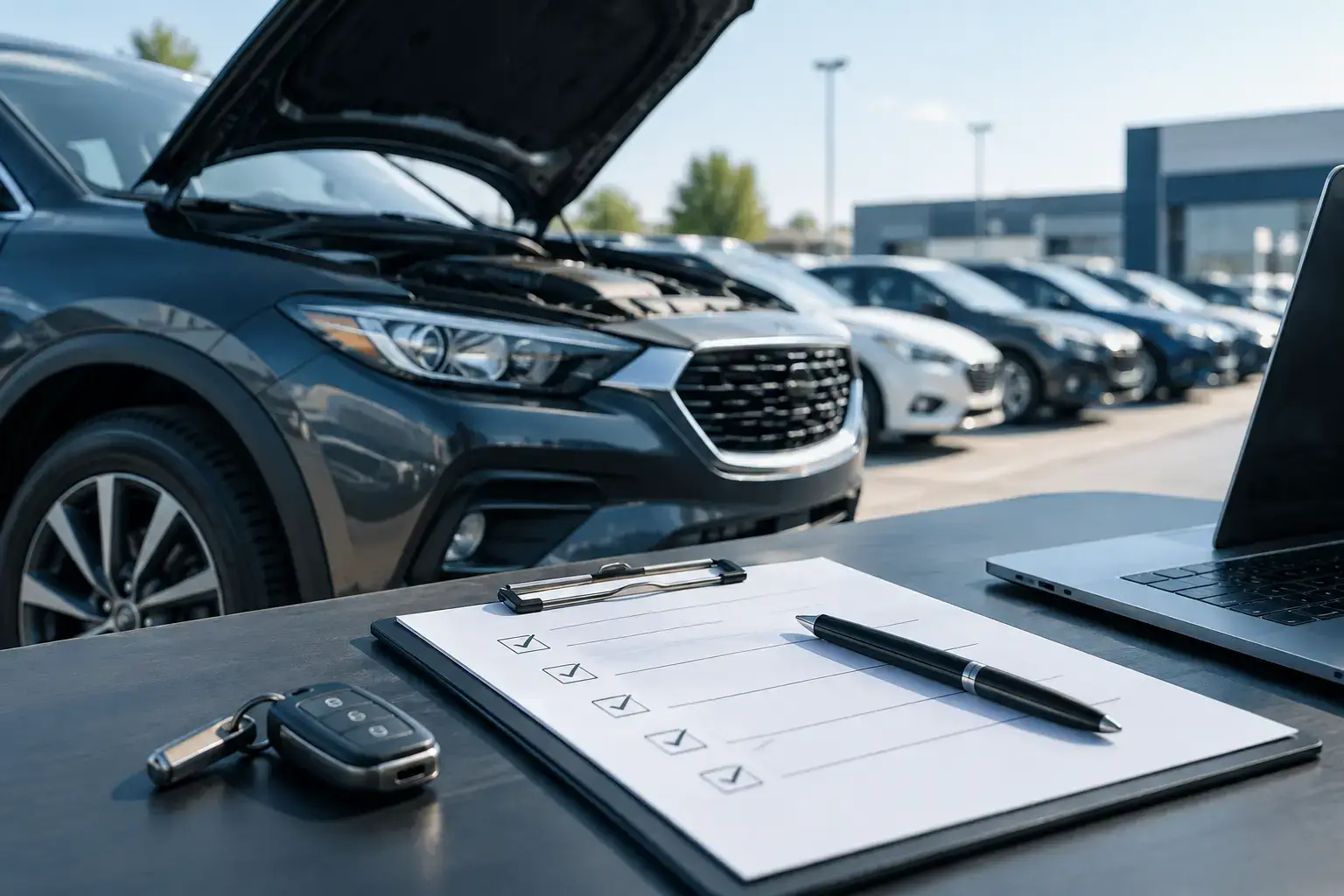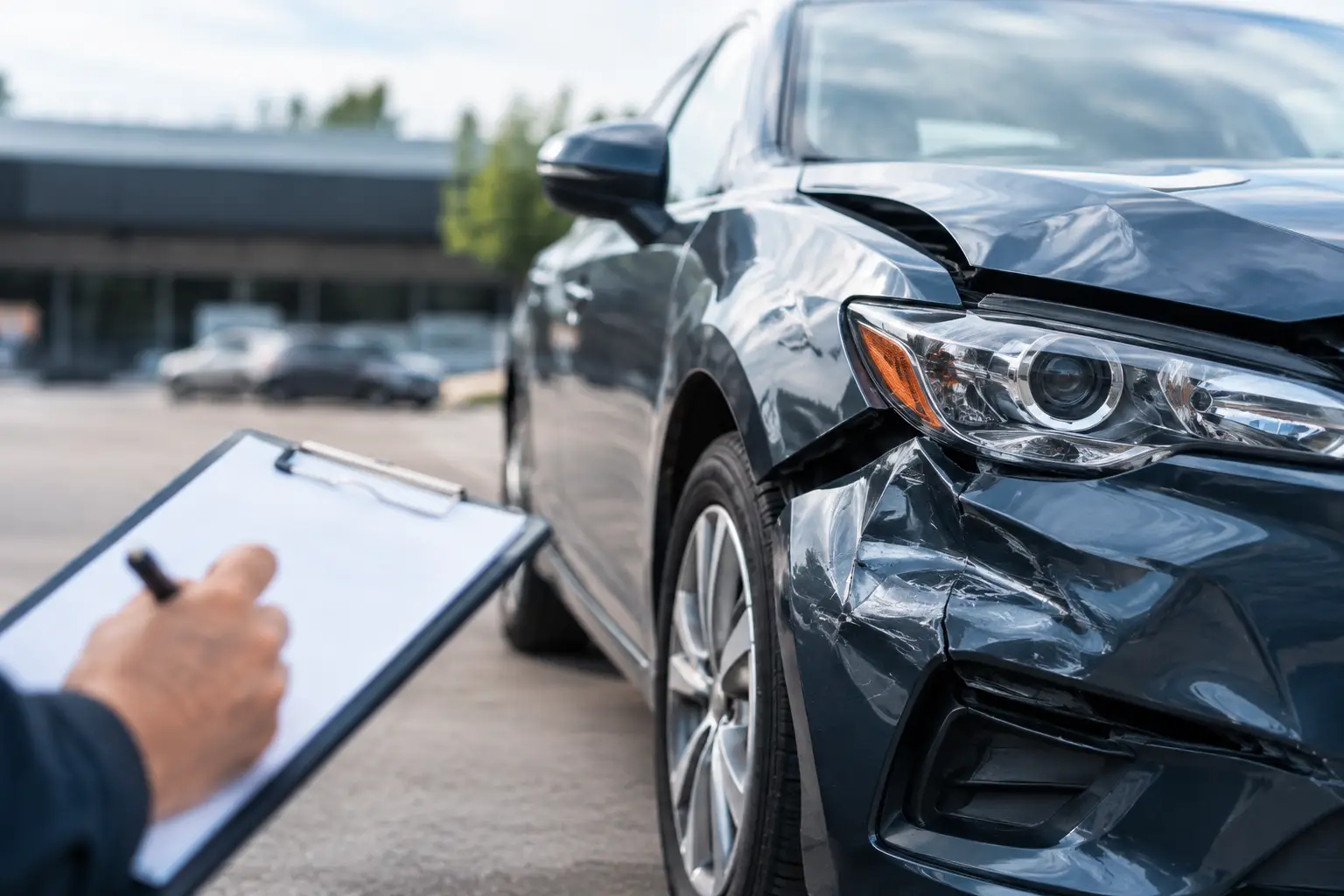
A clean cabin and a fresh detail can hide a vehicle's past. Knowing how to spot flood damage means looking past the paint, price, and salesperson's assurances for evidence water leaves behind. Flood exposure can affect safety systems, wiring, airbags, brakes, interior materials, and resale value long after a car appears dry.
A flood-damaged vehicle is not always an automatic walk-away. The risk depends on how deeply it was submerged, how quickly it was cleaned, what systems were affected, and whether the history was properly disclosed. But undisclosed water damage is a serious buying risk. The goal is simple: verify the record, inspect the vehicle, and do not let a low price replace proof.
Why Flood Damage Is Easy to Miss
Water does not always leave a dramatic waterline. A vehicle may be dried, deodorized, shampooed, and detailed before it reaches a private listing, auction lane, or dealer lot. Modern vehicles also contain dozens of control modules, sensors, connectors, and harnesses. Moisture can corrode those components slowly, creating intermittent problems months after purchase.
That delay is what makes flood damage expensive. A vehicle may start, drive, and pass a quick test drive while corrosion is developing inside wiring connectors, seat tracks, fuse boxes, and electronic modules. When warning lights, electrical failures, or airbag faults appear later, the repair bill can quickly exceed the savings that made the vehicle attractive.
How to Spot Flood Damage During an Inspection
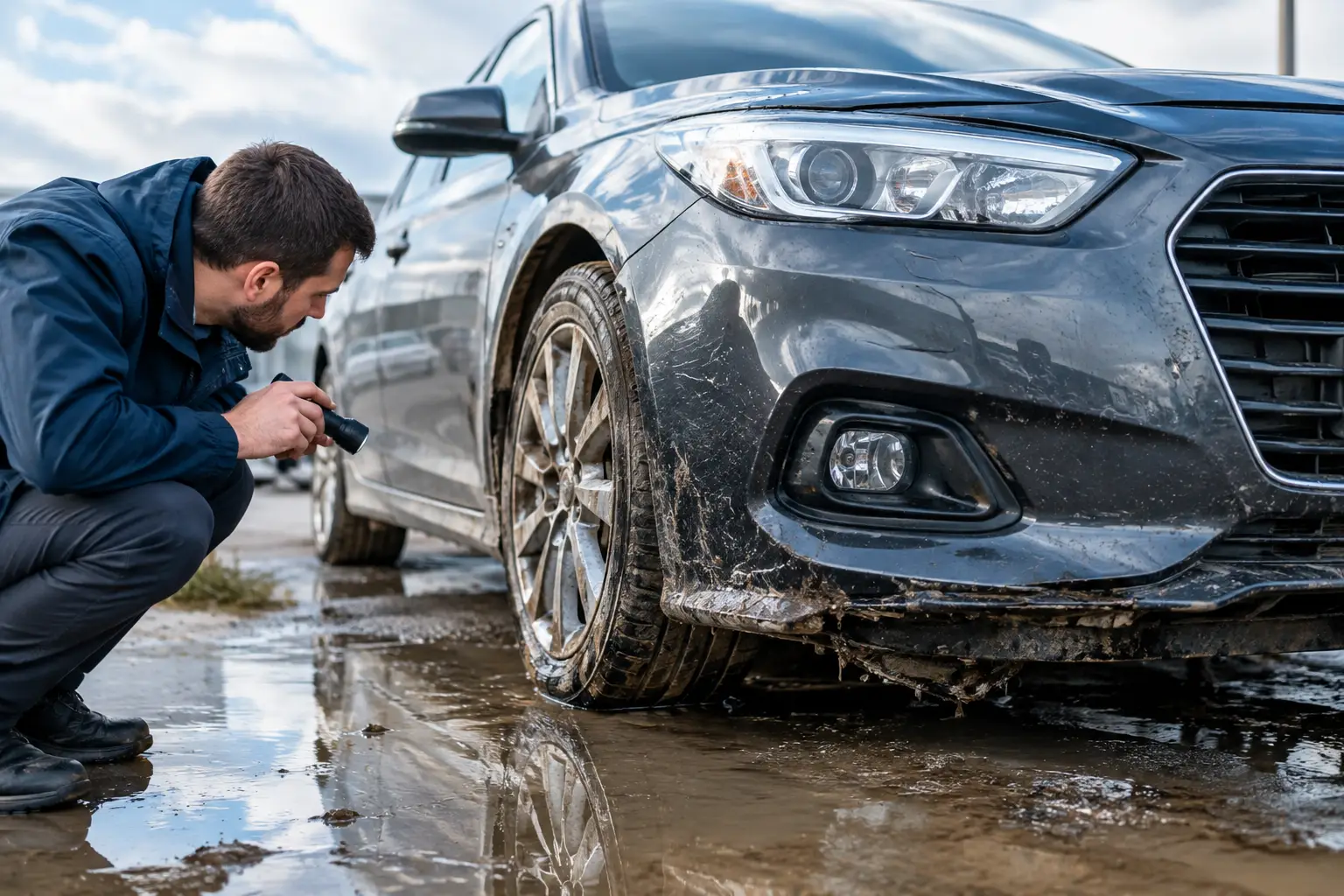
Start with your senses, then move to the areas sellers are least likely to highlight. Bring a flashlight, take your time, and inspect the vehicle before it has been warmed up or moved around if possible.
Check for odors and unnatural freshness
A musty, mildew-like smell is an obvious warning sign, especially when the carpet, headliner, or trunk smells damp. Do not stop there. Heavy air freshener, strong shampoo fragrance, or a cabin that smells unusually chemical can also be an attempt to cover moisture or mold.
Turn on the heat and air conditioning. Odors can become stronger once air begins moving through the HVAC system. Check the trunk, spare-tire well, under-floor storage compartments, and rear seat area separately. Those spaces often retain moisture longer than the visible cabin.
Look under carpets and inside hidden compartments
Lift floor mats and inspect the carpet beneath them. Feel for dampness, stiffness, discoloration, or a crusty residue. If the seller permits it, pull back a small edge of carpet near the door sill and look at the padding underneath. Clean-looking carpet on top does not prove the padding below is dry or original.
Open the trunk and remove the cargo floor. Inspect the spare tire, jack, tools, and metal well for rust, water stains, silt, or debris. Mud in a protected area is far more meaningful than road dirt on the exterior. Also check beneath the seats, inside the glove box, and around the lower door panels.
Search for corrosion where it should not be
Some surface rust is normal on older vehicles, particularly underneath in regions with road salt. Flood damage creates a different pattern: corrosion in places that are usually protected from weather. Look closely at seat rails, exposed bolts under the dashboard, brake and accelerator pedal brackets, door hinges, trunk hinges, fuse-panel hardware, and wiring connectors.
Use a flashlight to inspect under the hood. Corrosion on battery terminals alone is not proof of flooding, but widespread oxidation on connectors, fasteners, and aluminum components deserves attention. Green or white residue around electrical connections is a stronger red flag.
Inspect lights, gauges, and electronics
Turn the ignition on and watch the instrument panel. Every warning light should illuminate briefly as part of the startup check, then go out as expected. A light that never appears can be as concerning as one that stays on. Do not accept a vague explanation that a warning is "just a sensor" without a diagnostic scan and repair documentation.
Test every electrical feature you reasonably can: windows, locks, mirrors, wipers, horn, seat adjustments, radio, backup camera, USB ports, climate controls, interior lights, and power liftgate or sunroof. Operate each more than once. Flood-related electrical issues are often intermittent, so a feature that works once is not necessarily cleared.
Check for silt, waterlines, and mismatched materials
Fine sand, mud, or silt in seams is one of the clearest physical clues. Check door jambs, the edges of weatherstripping, seatbelt anchors, wheel-well liners, engine-bay crevices, and the underside of the dashboard. Waterlines may appear as a faint stain, residue, or difference in color on upholstery and trim.
Pay attention to inconsistent interior materials. Brand-new carpet in an otherwise worn vehicle, fresh seat covers, replaced lower trim, or an unusually clean trunk can be legitimate repairs. They can also be evidence of a cleanup. Ask why those parts were replaced and request invoices rather than relying on an explanation alone.
Verify the Vehicle History Before You Negotiate
A physical inspection can reveal clues, but it cannot tell you the whole story. Flood exposure may be recorded through an insurance claim, auction event, title brand, salvage record, or damage report. A VIN-based history check helps you identify those signals before money changes hands.
Look for title language such as flood, water damage, salvage, rebuilt, junk, or nonrepairable. Title rules vary by state, and a vehicle can move across state lines after an insurance event. That makes a multi-source history review more useful than relying only on the current title in front of you.
Compare the history timeline with the seller's story. If a vehicle was registered in an area affected by a hurricane or major flood, then appeared at auction shortly afterward, investigate further. That pattern is not proof by itself, but it gives you a reason to ask targeted questions. Also review ownership changes, odometer records, damage events, and gaps in reported history.
A DriveEvidence vehicle report can place title brands, damage history, ownership records, odometer verification, recalls, and other risk signals in one review. For buyers comparing several vehicles, that context matters. The best-looking car is not always the strongest vehicle on the record.
Questions That Put the Seller on the Record
Ask directly whether the vehicle has ever been flooded, had water intrusion, received an insurance payout for water damage, or carried a flood, salvage, or rebuilt title. Then ask whether carpet, wiring, seats, control modules, or interior trim have been replaced. A legitimate seller should be able to answer clearly and provide repair records when major work was performed.
Avoid questions that invite a vague response, such as "Is there anything wrong with it?" Be specific. If the seller says there was only minor water exposure, ask where the water reached, who performed the repairs, and whether an insurance company was involved. Their willingness to document the answer is part of the evaluation.
When to Walk Away and When to Get a Second Opinion
Walk away if you find mud or silt in hidden areas, widespread interior corrosion, moisture under carpet, unexplained electrical behavior, or a history record that conflicts with the seller's claims. Multiple smaller clues often add up to one clear message: the risk is not priced into the deal.
A branded title does not automatically mean a vehicle is unsafe, and a clean title does not guarantee it has never had water exposure. If the price is compelling and the vehicle otherwise fits your needs, pay for an independent pre-purchase inspection. Ask the technician to focus on electrical connectors, modules, underbody corrosion, restraint systems, and signs of water intrusion. This is especially valuable for late-model vehicles packed with electronics and for hybrid or electric vehicles, where water-related repairs can be more specialized.
Do not rush because another buyer is waiting or because the seller calls the price final. A vehicle can be replaced. A hidden flood problem can follow you through years of repairs, insurance complications, and diminished resale value. Buy the vehicle with records, condition, and inspection results that agree with each other.