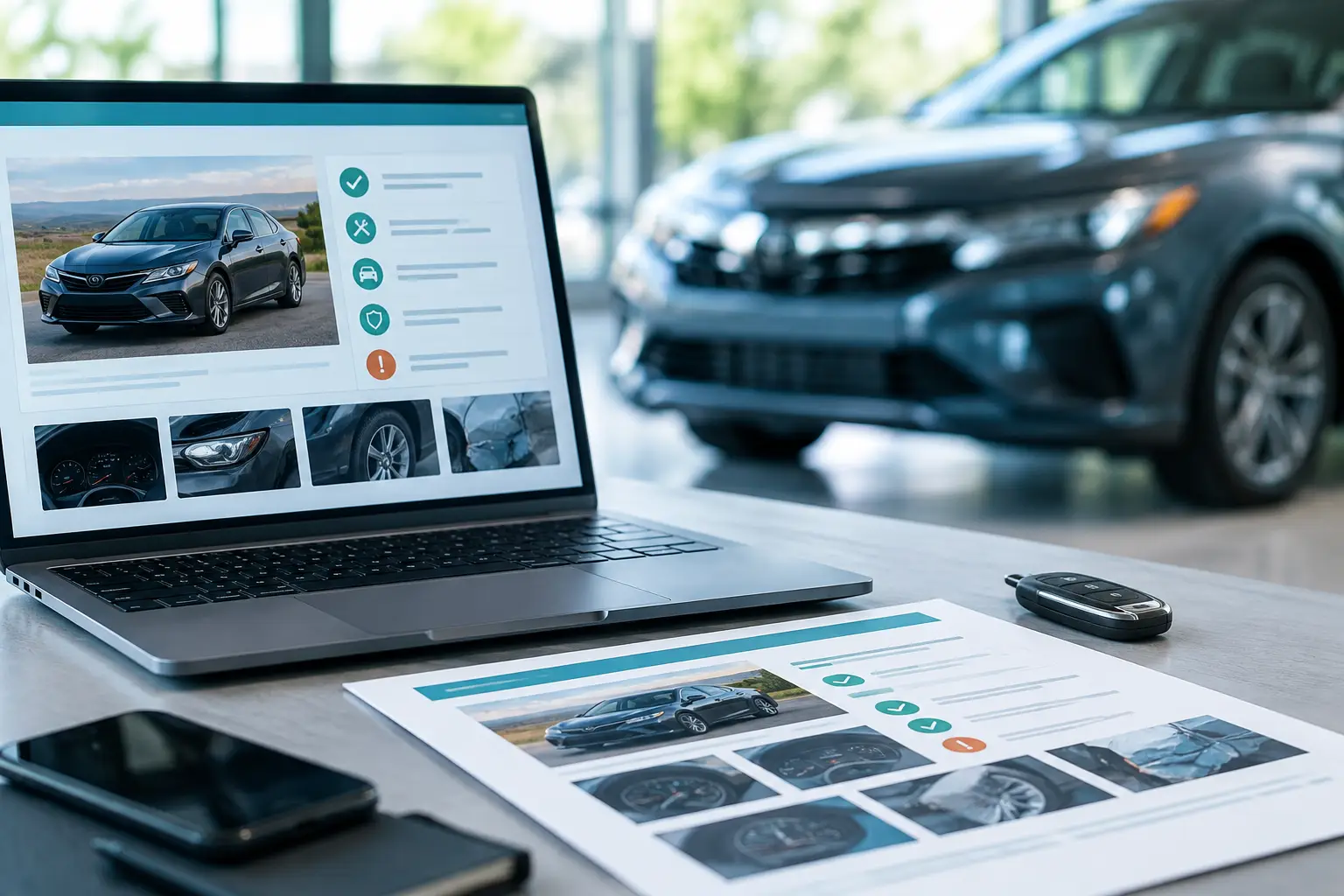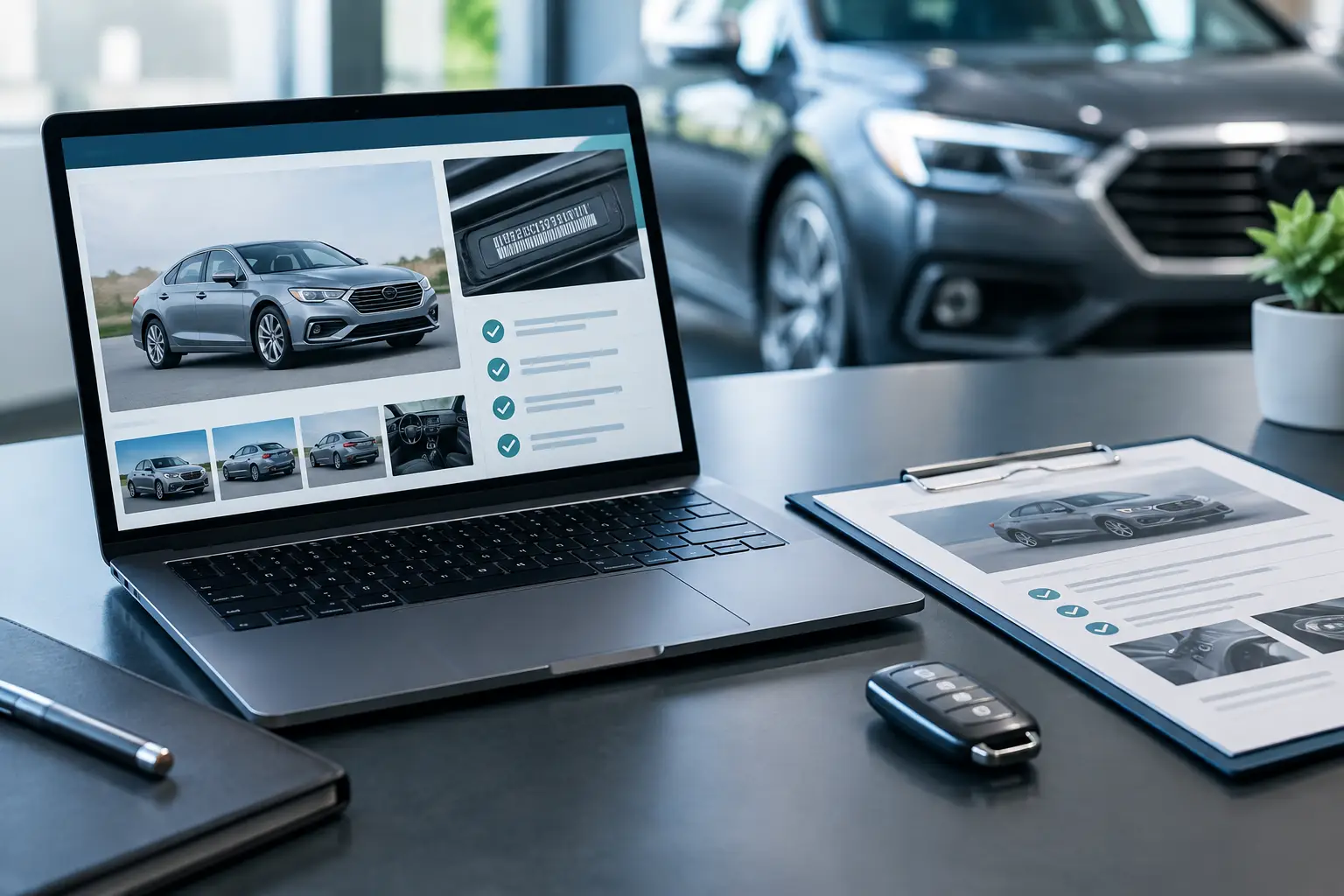
A low winning bid can look like a bargain until transport, buyer fees, repairs, title work, and missing keys turn it into an expensive problem. This guide to buying auction vehicles is built for one purpose: help you separate genuinely good inventory from vehicles that only look good in the auction lane.
Auction buying rewards preparation, not speed. Whether you are a retail buyer, independent dealer, collector, or fleet operator, the strongest bid is the one supported by verified records, a realistic repair estimate, and a firm walk-away price.
Know What Kind of Auction You Are Entering
Not every auction vehicle comes with the same level of risk or buyer protection. Public auctions may allow consumers to bid on dealer trade-ins, repossessions, fleet units, government vehicles, and insurance vehicles. Dealer-only auctions usually offer more inventory and condition information, but require dealer credentials or a licensed broker. Online auctions expand selection while limiting your ability to inspect the vehicle in person.
The seller type matters as much as the auction format. A late-model fleet vehicle with consistent service history may be a predictable purchase. A vehicle sold by an insurer after a collision can be worthwhile for a qualified rebuilder, but it is not automatically a cheap daily driver. Repossessions can have limited history, deferred maintenance, or personal property left inside. Treat each category according to its risk, not its starting price.
Read the auction's terms before registering. Confirm whether sales are final, whether the vehicle is sold as-is, how arbitration works, when payment is due, and how quickly the vehicle must be removed. A vehicle that cannot be driven home may start accumulating storage charges sooner than expected.
Start With the VIN, Not the Photos
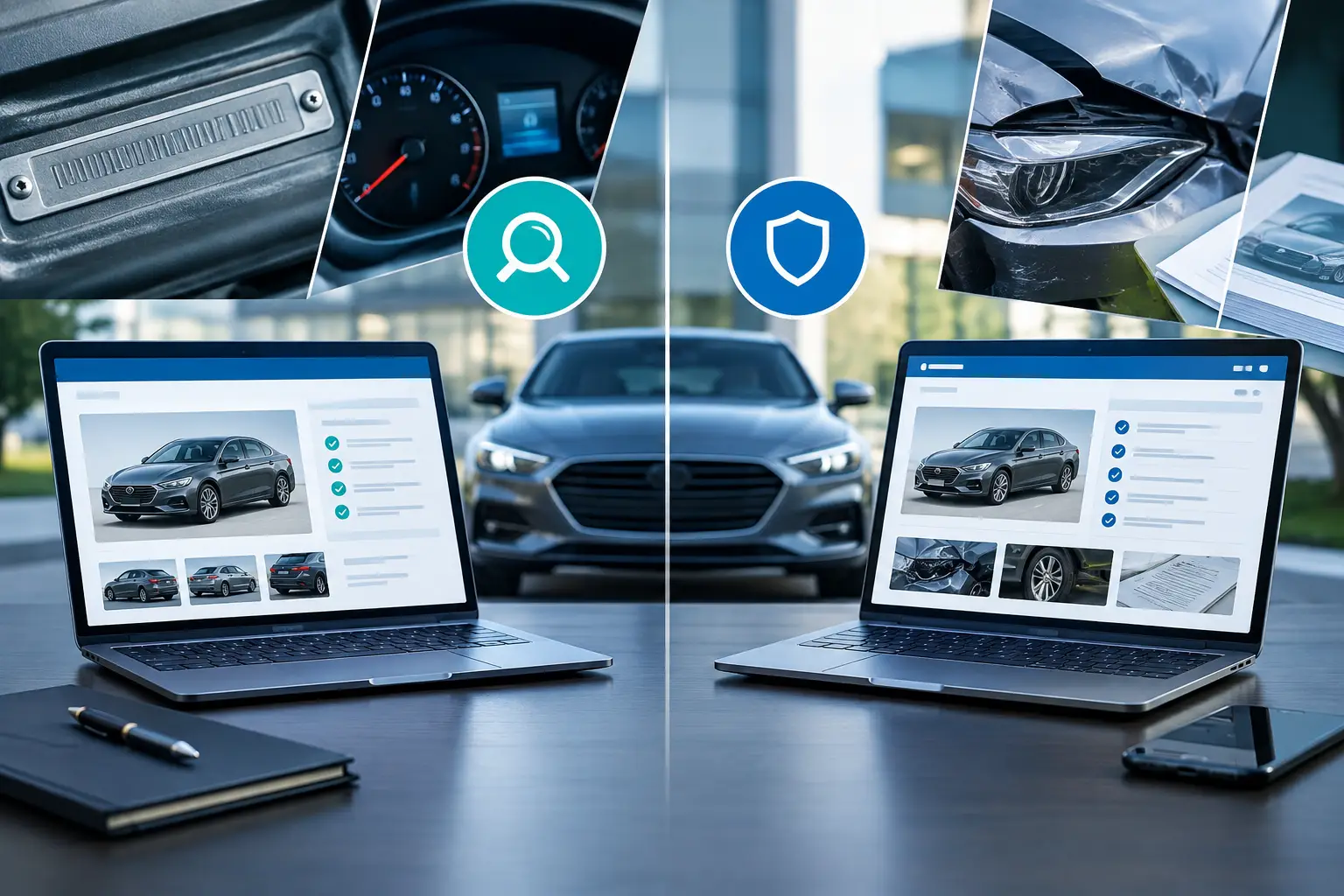
Photos can show a clean exterior while hiding a branded title, prior structural damage, flood exposure, an odometer issue, or an open safety recall. The VIN is where the real evaluation begins.
Run a vehicle history report before you bid. Verify the title status and state, title brands, accident and damage events, theft or recovery records, reported ownership history, odometer readings, recalls, specifications, and market value. Compare the VIN details against the auction listing. If the mileage, trim, drivetrain, engine, or title description does not line up, stop and investigate before committing.
A single record does not always tell the full story. For example, an accident entry may range from cosmetic bumper damage to a severe collision with airbag deployment. A title brand may be manageable in one state and difficult to register, insure, finance, or resell in another. The point is not to reject every imperfect vehicle. It is to price the imperfection correctly.
For buyers reviewing several units, a dashboard that lets you save and compare VINs side by side is more useful than opening disconnected reports one at a time. DriveEvidence combines verified history signals with a 0-100 DriveEvidence Score, helping buyers sort risk quickly before they spend time on deeper inspection.
Read Condition Reports Like a Buyer, Not a Bidder
Auction condition reports are useful, but they are not a substitute for your own judgment. Learn the auction's grading system and pay close attention to the language used. Terms such as “runs and drives,” “starts,” or “engine starts” are not promises that the vehicle is roadworthy or mechanically sound.
“Runs and drives” commonly means the vehicle moved under its own power at the auction site. It does not confirm transmission quality, cooling-system performance, brake condition, alignment, or highway behavior. A vehicle can run long enough to enter a lane and still need thousands of dollars in work.
When in-person inspection is available, inspect the vehicle before bidding. Look for uneven panel gaps, overspray, mismatched paint texture, tire wear, fluid leaks, warning lights, corrosion, water staining, mold odor, and signs that airbags have deployed or been replaced. Check the spare tire area, underbody, trunk, and seat tracks for flood indicators. Start the engine cold if possible, then listen for knocking, ticking, rough idle, smoke, or cooling fan problems.
If test drives are allowed, use the time efficiently. Confirm the transmission shifts cleanly, the steering tracks straight, the brakes feel consistent, and the temperature gauge remains stable. If inspection is not available, lower your maximum bid to account for what you cannot verify.
Build a Real All-In Budget
The hammer price is only one line in the deal. Before sale day, calculate the maximum you can pay using the vehicle's realistic market value after repairs, not the highest retail listing you can find.
Your all-in cost should include the winning bid, buyer premium, internet or gate fees, sales tax where applicable, title and registration costs, transport, immediate maintenance, repairs, inspection costs, and a contingency reserve. If you are buying to resell, include reconditioning, detailing, photography, carrying costs, and your required margin.
A simple decision formula helps prevent emotional bidding:
Maximum bid = realistic market value - total non-bid costs - expected repairs - risk reserve - required profit or savings
Suppose a comparable clean-title vehicle is worth $18,000 in your local market. You expect $1,500 in auction and transport costs, $2,000 in repairs, and want a $1,500 buffer for surprises. Your maximum bid is $13,000 before considering any resale margin. If the vehicle has a salvage title or uncertain mechanical condition, the reserve should be larger.
Market values vary by location, season, mileage, trim, and condition. Use comparable vehicles with matching title status and equipment. A clean-title retail comp is not an appropriate benchmark for a rebuilt, flood, or non-running vehicle.
Set Your Bid Strategy Before the Countdown
Auction pace is designed to make decisions feel urgent. Your defense is a number written down before bidding begins. Set a hard ceiling and do not revise it because another bidder appears interested. Their bid is not new evidence about the vehicle's value.
For online auctions, review the bid increment schedule and whether bids are binding. Some platforms extend the clock when bids arrive near closing, so waiting until the final second may not work. Bid only when you are ready to complete the purchase at that number.
Be especially cautious with low starting bids. They attract attention, but they do not reflect the vehicle's final cost or condition. A higher-priced vehicle with verified history, a clean title, and minor cosmetic needs can be a better purchase than a cheaper vehicle with unclear damage and no inspection access.
Plan for Title, Transport, and Repairs Before You Win
A winning bid creates immediate obligations. Confirm the title is present or understand the auction's title-pending process. A missing title can delay registration, resale, financing, and export. Check your state's rules for branded titles, reconstructed vehicles, emissions testing, and salvage inspections before buying.
Arrange transport in advance if the vehicle is not road-ready or if the auction requires prompt removal. Do not assume a vehicle marked as running is suitable for a long drive home. A tow can be cheaper than a breakdown, impound fee, or preventable mechanical failure.
For repairable inventory, get preliminary estimates from a trusted body shop or mechanic using the listing photos and known damage. Then add room for hidden issues. Damage behind a bumper cover, suspension damage from an impact, electrical faults, and airbag-system repairs can change the economics quickly.
When to Walk Away
Walking away is a successful auction decision when the proof is incomplete. Skip the vehicle if the VIN data conflicts with the listing, the title status is unclear, the condition report avoids key details, repair costs cannot be estimated, or bidding exceeds your all-in limit.
You should also pause when a deal only works under perfect assumptions: no additional damage, no title delay, no transport issue, and no repair overrun. Auction vehicles are sold with uncertainty. Your margin must be large enough to absorb it.
The best auction buyers are not the people who win the most bids. They are the people who know the truth before they buy, bid only when the numbers hold up, and keep looking when they do not.