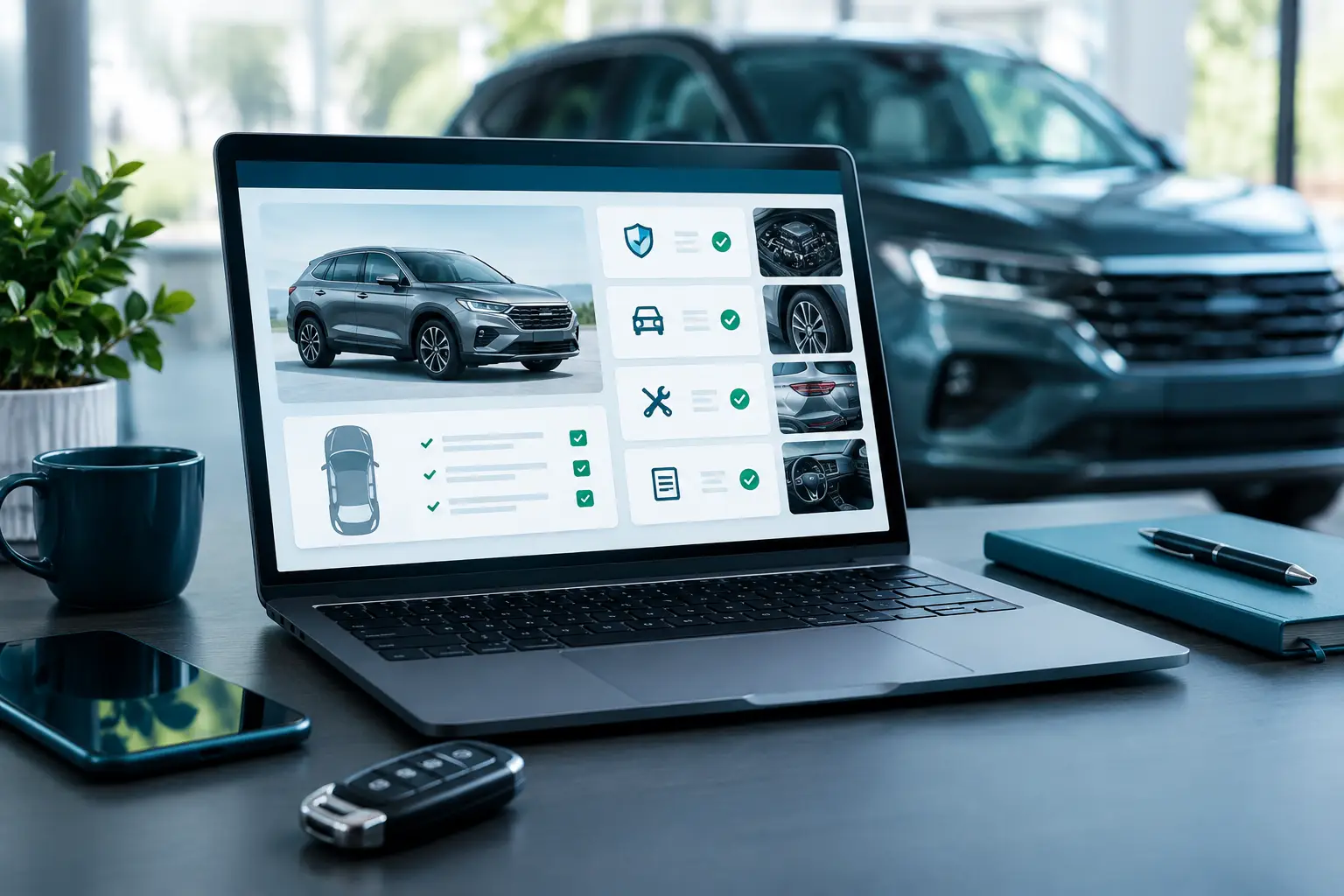

A vehicle can look retail-ready and still carry the kind of history that erodes gross profit, creates a customer dispute, or leaves your team defending a deal after delivery. Dealer VIN software gives appraisal, acquisition, and sales teams the proof behind every vehicle before a bad unit reaches the lot.
For independent dealers, auction buyers, and inventory managers, the value is not simply pulling a report faster. It is building a repeatable process for detecting risk, comparing opportunities, pricing with context, and documenting the facts behind every purchase decision.
What Dealer VIN Software Should Do
A basic VIN decoder identifies a vehicle's year, make, model, trim, engine, and factory equipment. That is useful, but it is not enough to buy inventory confidently. Dealer VIN software should turn a VIN into decision-ready intelligence.
At minimum, it should help your team verify title status and brands, reported accidents and damage, theft and recovery records, ownership history, odometer readings, recalls, vehicle specifications, safety data, and market value context. The goal is not to create more tabs for your buyers to review. The goal is to surface the issues that change what a vehicle is worth and whether it belongs in your inventory at all.
The strongest platforms also make the findings usable. A risk-based score, clear alerts, and a dashboard for managing multiple vehicles let a buyer move from raw records to a defensible decision without treating every VIN as a separate research project.
Why a Single Report Is Not a Dealer Workflow
One-off history reports can work for a consumer shopping one vehicle. Dealership operations are different. A buyer may evaluate dozens of auction listings in a morning, while a used-car manager needs to compare several trade-ins before setting allowances. The question is rarely, “What happened to this car?” It is usually, “Which of these cars creates the least risk at the strongest margin?”
That requires side-by-side comparison. A vehicle with one minor damage entry may be a better acquisition than a clean-history unit with weak market demand, overdue recalls, or an asking price that leaves no room for recon. Context determines the decision.
Look for software that lets users save VINs, sort them by the attributes that matter, compare findings across units, and export records for internal review. This creates an audit trail for acquisition decisions and reduces the chance that a costly red flag gets lost in a buyer's notes or inbox.
The Records That Can Change a Deal
Not every issue should automatically disqualify a vehicle. A transparent dealer understands the difference between a manageable condition and a risk that cannot be priced correctly. VIN intelligence helps your team make that distinction early.
Title brands and title status
A salvage, rebuilt, flood, lemon, or other branded title can materially affect financing, insurability, resale value, and buyer confidence. Requirements also vary by state. A vehicle may be legally retailable yet still be a poor fit for your lot, customer base, or lender relationships.
Title information should be reviewed before bidding or committing to a trade allowance, not after the vehicle arrives. If the title status creates a retail obstacle, the purchase price must reflect that reality or the unit should be passed.
Accident and damage history
A reported accident does not tell the whole story. Severity, location of damage, airbag deployment, repair quality, and subsequent inspection all matter. Still, an accident record changes the questions your team needs to ask.
Use the record as a trigger for a closer physical inspection and recon estimate. Do not assume a clean-looking exterior means a clean vehicle. Conversely, do not dismiss a vehicle solely because its history includes a minor incident. The right decision depends on the evidence, condition, and margin.
Odometer consistency
Odometer discrepancies can create far more than a pricing problem. They can raise legal, disclosure, and reputation risks. A VIN report should help identify mileage patterns that do not align with the vehicle's reported reading, ownership timeline, or service history.
When the mileage story does not make sense, pause the transaction. Request documentation, inspect the vehicle carefully, and avoid relying on assumptions. A low acquisition price is not protection against a mileage issue that later becomes a customer complaint.
Theft, recovery, and open recalls
Theft and recovery records deserve immediate attention because they may point to title, condition, or insurance complications. Open recalls are different: they may be repairable, but they still affect vehicle readiness and should be addressed before delivery.
Free VIN lookup tools can be useful for confirming specifications and recalls at the earliest stage. Premium reporting becomes more valuable when a unit reaches the point where you are setting an allowance, placing a bid, or preparing it for retail sale.
Use a Score to Prioritize, Not to Replace Judgment
A score can save time when your team is screening a large inventory pool. It provides a common starting point for identifying vehicles that deserve a closer look and those that may warrant a pass.
But a score should never become a substitute for appraisal discipline. Two vehicles with similar scores may require different decisions based on local demand, visible condition, recon costs, trim level, seasonality, and your dealership's risk tolerance. A three-row SUV with a repairable history may work in one market and sit too long in another.
The most useful scoring systems explain the signal. Teams should be able to see the records and risk factors behind the number, then investigate the findings that affect value or retail eligibility. DriveEvidence uses a 0-100 risk-based score to make complex history easier to prioritize while keeping the supporting records available for review.
Build VIN Checks Into the Inventory Process
Dealer VIN software works best when it is part of the process, not an optional step used only when a vehicle feels suspicious. Consistency protects your margin and strengthens your customer-facing disclosures.
Start with the VIN before you bid at auction or quote a trade. Confirm identity, configuration, title signals, reported history, mileage consistency, theft status, and recall status. This early check helps you avoid spending time negotiating on units that do not meet your standards.
Next, use the findings to guide the physical inspection. History data may point an appraiser toward panel alignment concerns, flood indicators, airbag work, underbody damage, or missing documentation. It does not replace an inspection, but it makes the inspection more targeted.
Then price the unit using the full picture. Market value data is useful, but retail pricing should account for condition, recon, days-to-turn risk, history-driven buyer objections, and the disclosure approach your store will use. A vehicle's advertised market value is not necessarily its profitable acquisition value.
Finally, retain the evidence. Saved reports and exports give managers a consistent basis for approving purchases, support internal handoffs, and help sales staff answer reasonable shopper questions with facts instead of vague assurances.
What to Look for When Choosing Dealer VIN Software
The right platform depends on your volume and workflow, but speed alone is not the standard. Ask whether the data is verified, whether the platform clearly separates confirmed records from general guidance, and whether the results reveal the source of risk rather than burying it in dense report language.
Usability matters just as much. If buyers have to open disconnected reports one at a time, compare details manually, and maintain separate spreadsheets, your process remains fragmented. A dashboard that organizes multiple vehicles can reduce duplicate work and make acquisition decisions easier to review.
Also consider how the software supports different users. A solo dealer may need fast checks and clear exportable records. A multi-person dealership team may need shared comparisons, repeatable screening criteria, and a simple way to hand findings from acquisition to recon and sales. Fleet users may prioritize batch evaluation, recurring monitoring, and documentation across a larger vehicle base.
Pricing deserves scrutiny too. A low per-report price is not always the lowest operational cost if your team spends hours reconciling data, searching for missing records, or repeating checks because results were not saved. Measure value by the decisions the software helps you make and the losses it helps you prevent.
A good VIN workflow does not make every purchase risk-free. It gives your team a clearer view of the risk before money changes hands. Make every acquisition prove itself, keep the evidence attached to the vehicle, and let the facts protect the deal.