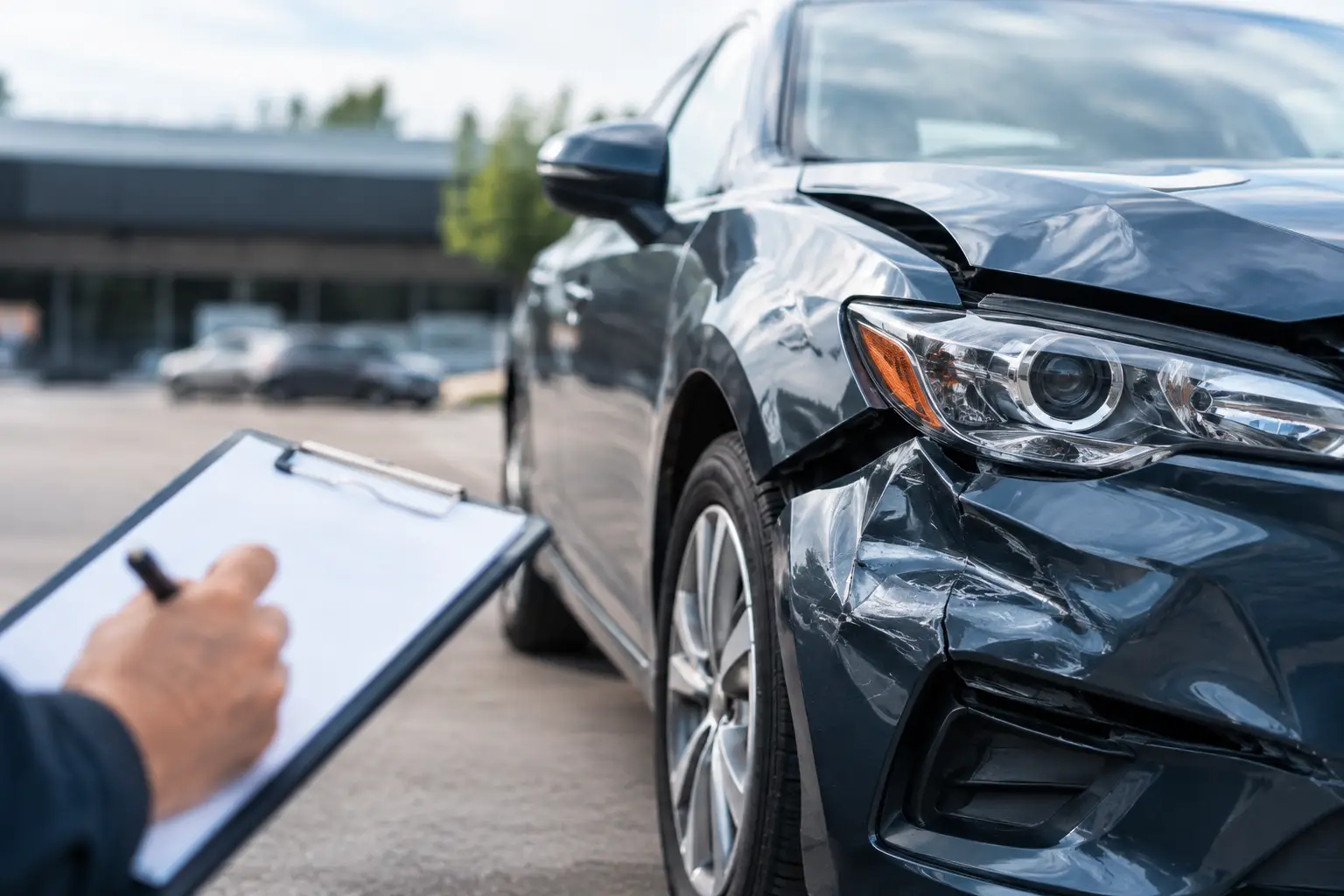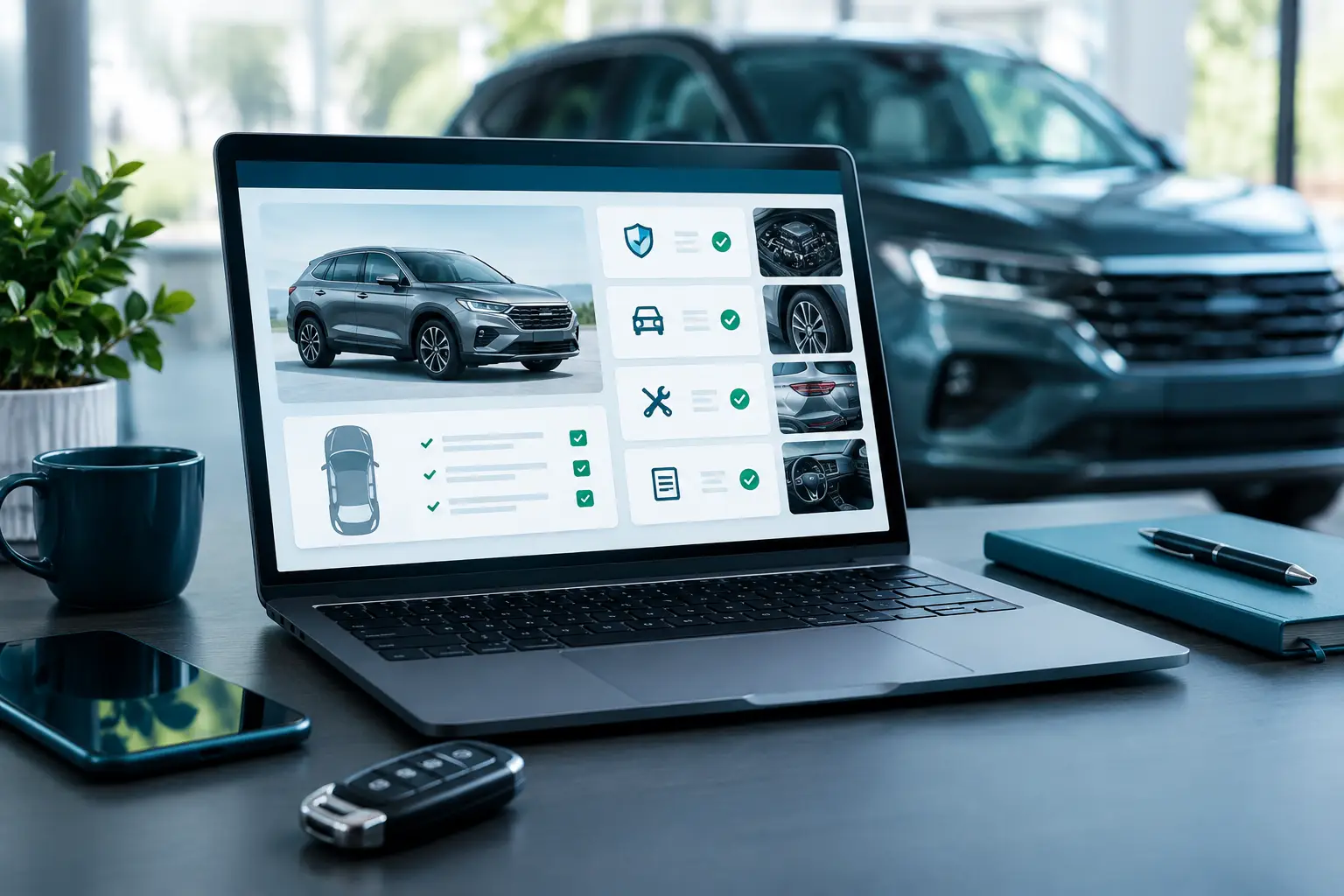
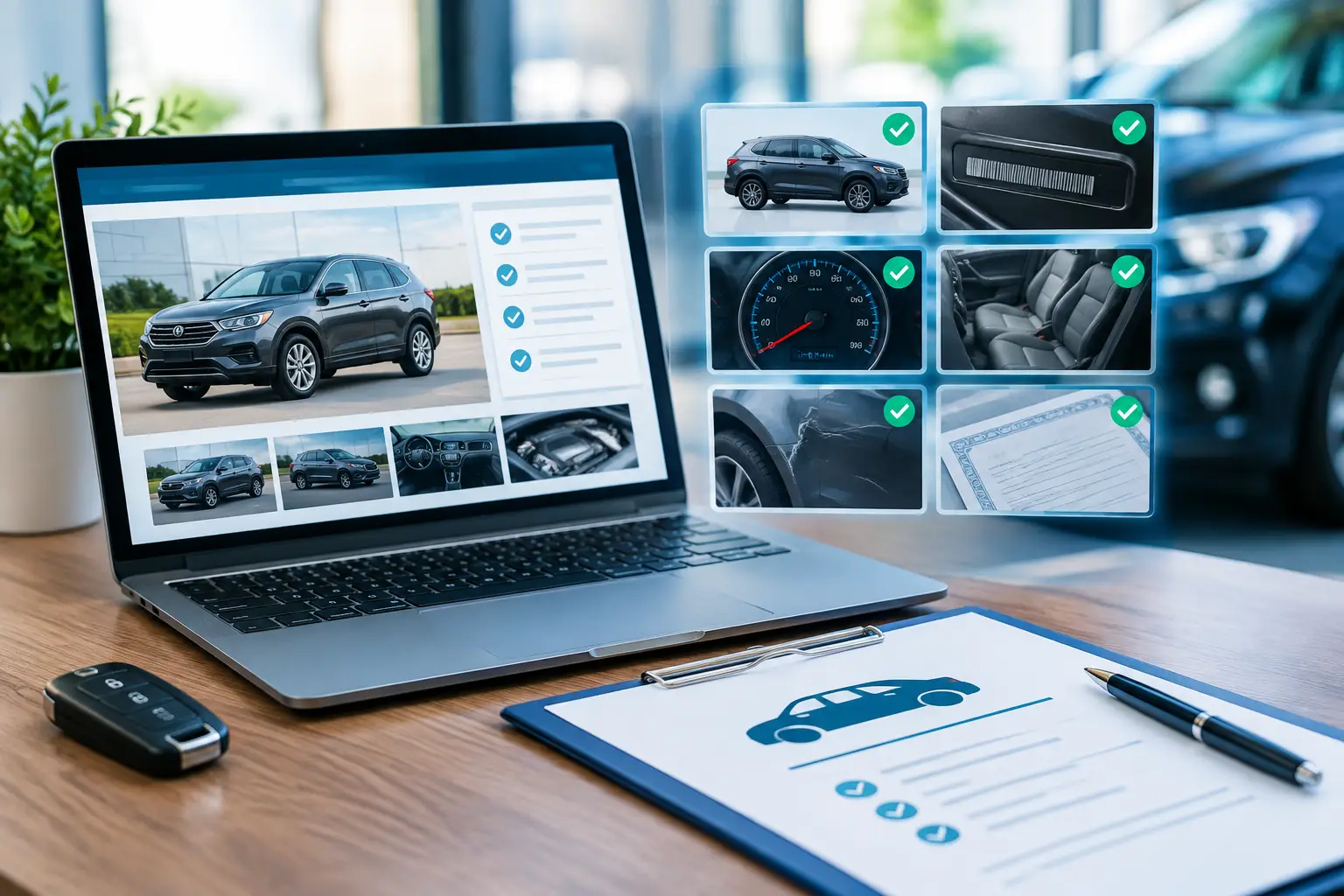
A clean-looking used car can still carry a branded title, an unrepaired recall, or accident damage that never appears in a seller’s description. That is why vehicle history reports Carfax AutoCheck comparisons matter before money changes hands. Both services can surface valuable VIN-based records, but neither should be treated as a complete mechanical inspection or a guarantee that every event in a vehicle’s past was reported.
For buyers, dealers, and fleet teams, the goal is not simply to run a report. It is to use the evidence correctly: identify risk, ask better questions, verify the records that affect value, and walk away when the facts do not add up.
Carfax vs. AutoCheck: What They Are Built to Show
Carfax and AutoCheck are established vehicle history report providers. Their reports generally compile information from a range of sources, including motor vehicle agencies, auctions, insurance-related records, repair facilities, law enforcement, salvage operations, and title databases. Depending on the VIN and the data available, a report may show title status, reported accidents, ownership events, odometer readings, service entries, auction activity, theft records, and recalls.
The practical difference is not that one report always finds more information than the other. It is that each provider may receive records from different reporting partners, update information on different schedules, and present events differently. A vehicle with a meaningful entry on one report may show less detail on the other. That is especially possible with older vehicles, cars that moved across state lines, vehicles sold through auctions, and damage repaired outside insurance channels.
AutoCheck is often associated with its score, which compares a vehicle against similar vehicles in its class. Carfax commonly emphasizes the timeline and categories of reported events. Both approaches can be useful, but a score or a clean headline should never replace reading the underlying history.
What a Vehicle History Report Can Tell You
A report is most useful when it answers a specific buying question. If you are considering a late-model SUV with an unusually low price, start with title status, odometer history, accident or damage records, and ownership timeline. If you are evaluating auction inventory, pay closer attention to title brands, mileage consistency, prior sale listings, and whether the vehicle appears to have moved through salvage channels.
High-value report categories include:
- Title status and brands: Salvage, rebuilt, flood, lemon, junk, and other brands can materially affect safety, insurability, financing, and resale value.
- Odometer records: A mileage sequence that moves backward, jumps unexpectedly, or conflicts with the dashboard reading deserves immediate investigation.
- Accident and damage history: Reported collision events, structural damage, airbag deployment, and total-loss records can change both value and repair priorities.
- Theft and recovery records: A theft flag may require additional documentation and verification before purchase.
- Ownership and use history: Personal, commercial, rental, fleet, lease, or taxi use can provide context for wear, maintenance, and expected resale value.
- Open recalls: Recall status helps buyers identify repairs that should be completed before the vehicle is put into regular service.
These records help establish a risk profile. They do not tell you whether the transmission shifts properly, whether paintwork hides poor repairs, or whether a seller has addressed a known issue. That is where inspection and documentation become essential.
Where Carfax and AutoCheck Reports Can Fall Short
The biggest mistake in used-car research is assuming that no record means no problem. Vehicle history providers can only report information that was recorded and shared with their data network. If an owner paid cash for a repair, used a shop that did not report the work, or repaired minor damage privately, the event may not appear.
The same limitation applies to accidents. A report can show a collision without explaining the full severity of the damage, and a clean report can still belong to a car that was repaired after an unreported impact. Flood exposure can also be difficult to confirm if the vehicle changed hands before a title brand was applied.
Timing matters as well. Recent title activity, service records, or accident data may not be available immediately. If a seller says an event is incorrect, do not accept the explanation at face value. Ask for repair invoices, insurance paperwork, photos, or title documentation. Then compare those records with the VIN, dates, mileage, and visible condition of the vehicle.
How to Read Red Flags Without Overreacting
Not every negative entry is a deal breaker. A properly repaired minor accident with consistent mileage, a clean title, quality repair documentation, and a favorable inspection may be a reasonable purchase at the right price. A single-owner fleet vehicle with thorough service records may be more predictable than a lightly documented private-sale car.
The concern rises when multiple signals point in the same direction. A rebuilt title, gaps in ownership history, a low asking price, mismatched body panels, and missing maintenance records are not separate inconveniences. Together, they create a higher-risk transaction.
Look for consistency across the full record. Does the model year align with the vehicle’s condition? Do odometer entries increase logically? Does the listed trim match the VIN specifications? Does the title state match the seller’s story? Are there periods when the vehicle disappeared from the record and reappeared with a different title status? The strongest decisions come from patterns, not one isolated line item.
A Better Process Than Choosing One Report
Carfax and AutoCheck vehicle history reports are best treated as evidence sources, not final verdicts. If the vehicle is expensive, has an unusual history, or will become part of dealer or fleet inventory, reviewing more than one source can be worthwhile. Differences between reports do not automatically mean one is wrong. They tell you where to investigate further.
Start by confirming the VIN directly from the vehicle, not only from an online listing. Compare the VIN on the dashboard, driver-side door label, title, registration, and seller paperwork. A VIN mismatch is a stop signal, not a minor clerical issue.
Next, review title brands, odometer chronology, accident entries, ownership changes, and recall status before you negotiate. Then inspect the car in person. Check panel gaps, paint texture, tire wear, warning lights, glass markings, underbody condition, and signs of water intrusion. A qualified pre-purchase inspection should include a scan for diagnostic trouble codes and a close look at the frame, suspension, brakes, and major fluid leaks.
Finally, price the vehicle against its verified condition. A history issue does not disappear because the seller calls it cosmetic. If a title brand, collision record, or commercial-use history reduces future resale value, the purchase price should reflect that reality.
Why a Score Helps, but Details Still Matter
A scoring model can make vehicle research faster because it converts many risk signals into a clear starting point. That is useful for shoppers comparing several similar cars and for dealers processing multiple VINs under time pressure. But the score should direct attention, not end the review.
A lower score may be justified by a title issue, mileage concern, damage event, or incomplete history. A higher score can indicate fewer detected risks, but it does not certify the vehicle’s mechanical condition. The best systems make it easy to see the records behind the result, compare vehicles side by side, and preserve the reports for later review.
DriveEvidence applies this approach with a 0-100 risk-based score alongside verified vehicle records, helping users sort through titles, accidents, odometer signals, specifications, recalls, and valuation context without treating each VIN as an isolated research task.
The Decision Standard: Verify Before You Commit
A vehicle history report should make you more precise, not more confident by default. Use Carfax, AutoCheck, or another trusted reporting source to expose questions that a listing cannot answer. Then verify those questions with documents, an inspection, and a price that matches the vehicle’s actual risk.
The right used vehicle is not necessarily the one with a perfect-looking report. It is the one whose condition, records, and price tell the same story - with proof behind every claim.