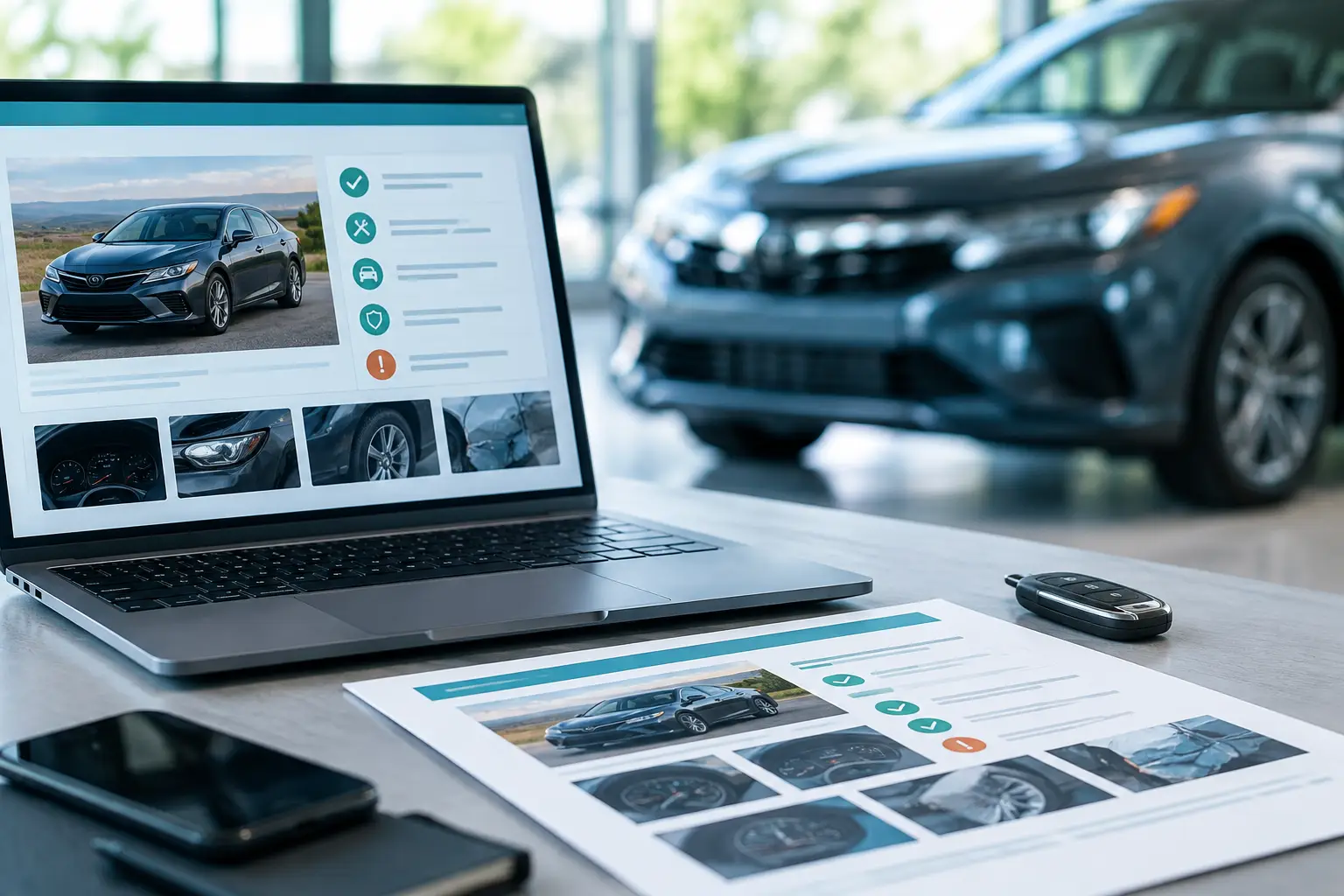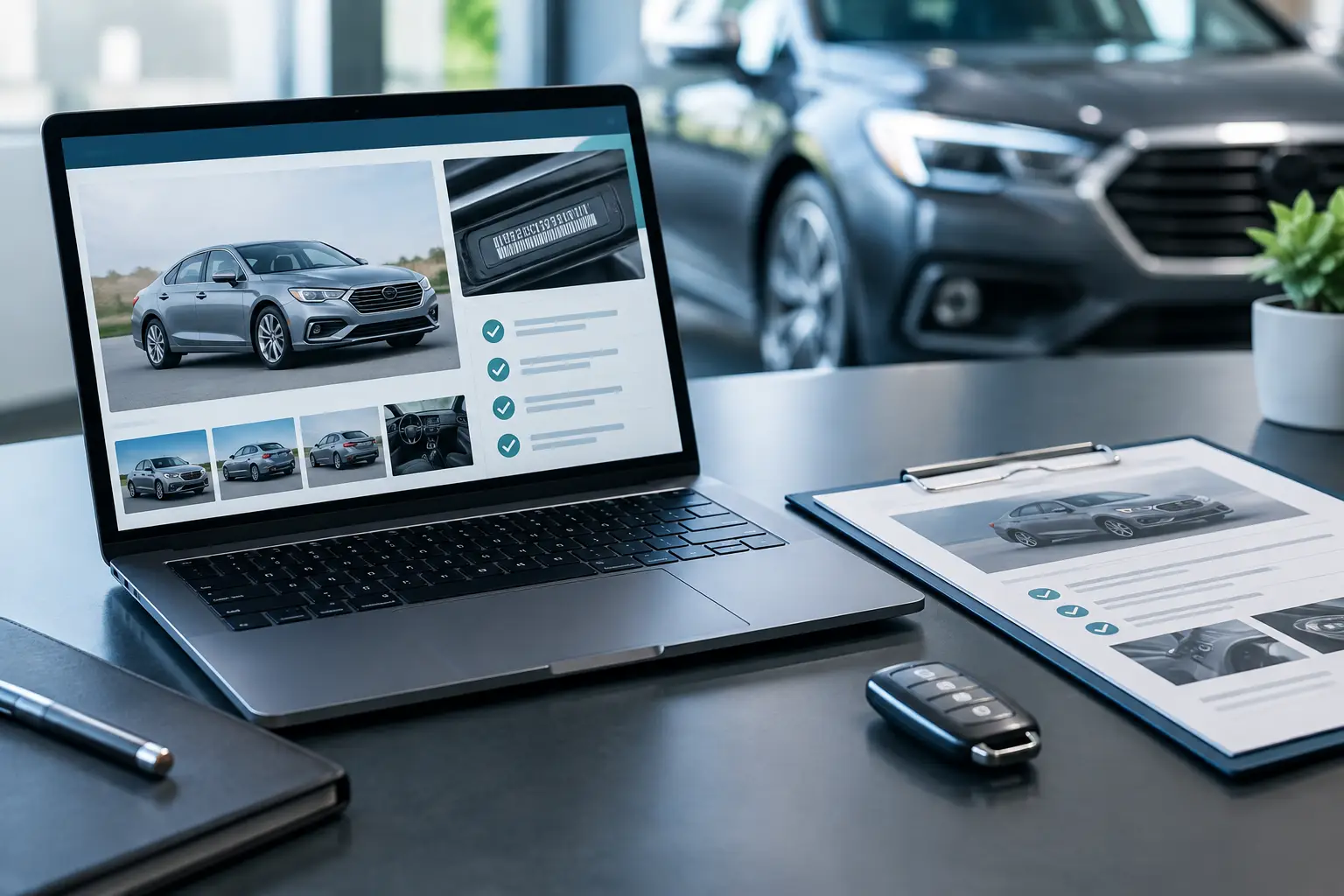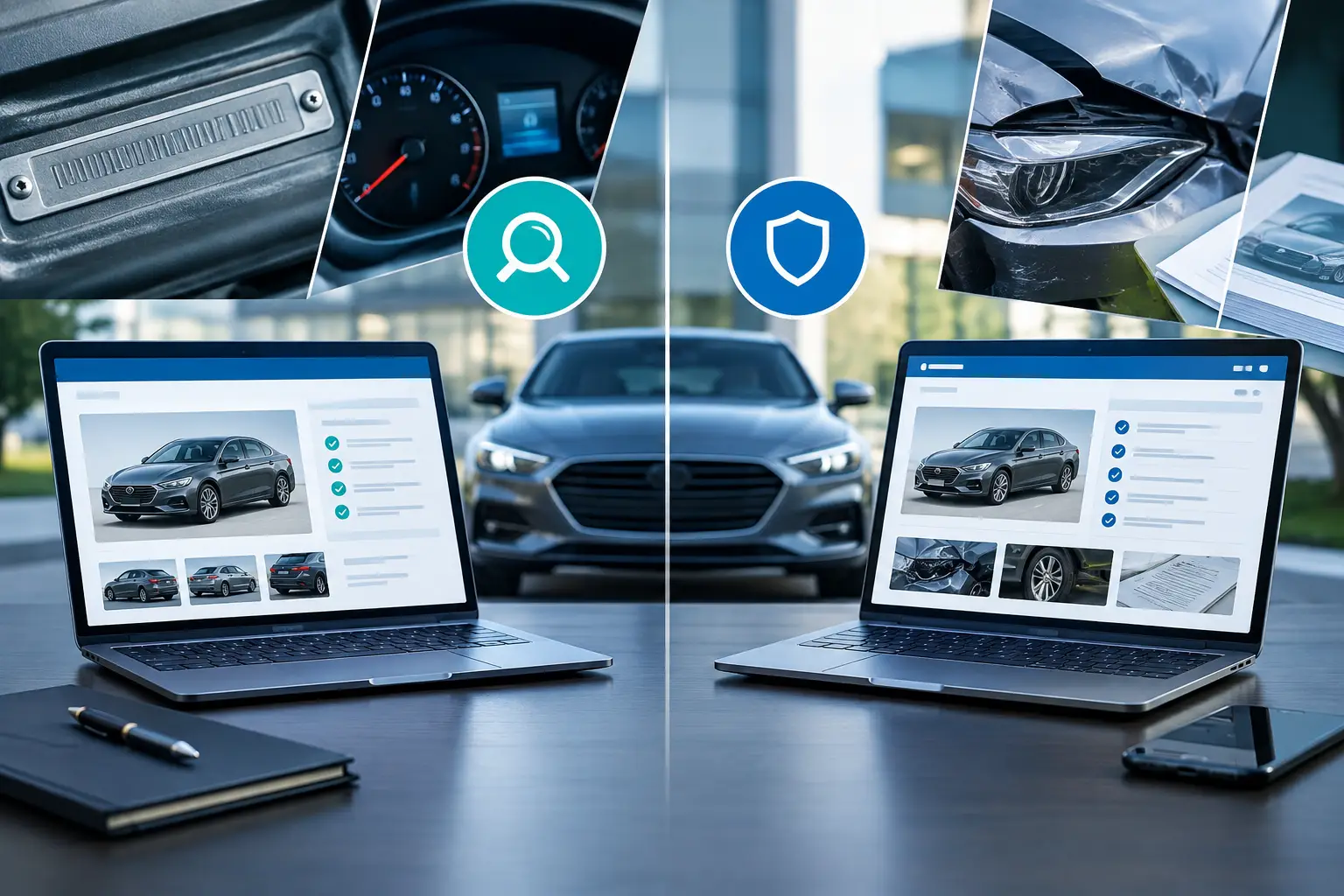
That low-mileage SUV can still have a serious safety defect attached to it. A recall check by VIN is one of the fastest ways to see whether a vehicle has an open manufacturer safety recall before money changes hands, inventory gets stocked, or a fleet unit stays on the road longer than it should.
For buyers, that matters because open recalls can affect safety, resale confidence, and the time it takes to get a newly purchased vehicle road-ready. For dealers and fleet teams, it matters because one missed recall can turn into delivery delays, unhappy customers, and preventable liability. The VIN gives you a direct way to check the exact vehicle, not just the model in general.
What a recall check by VIN actually tells you
A recall is issued when a manufacturer or federal safety authority identifies a defect or noncompliance that creates a safety risk. That can involve airbags, fuel systems, seat belts, brakes, electrical systems, software, or other components tied to vehicle safety.
A recall check by VIN looks at the unique 17-character identifier assigned to that vehicle and checks whether there are open recalls connected to that specific unit. That detail matters. Two vehicles of the same year, make, and model may not show the same result if one was repaired already, built in a different production range, or excluded from the campaign.
When the result shows an open recall, it usually means the vehicle is still eligible for a manufacturer remedy that has not yet been completed. In many cases, the repair is performed at no cost to the owner. But free does not always mean immediate. Parts shortages, appointment delays, and stop-drive advisories can change how urgent and practical the next step is.
Why recall data matters before purchase, resale, or fleet use
Safety is the obvious reason, but it is not the only one. An open recall can change the economics of a deal.
If you are buying a used car, you may need to schedule service right away or wait for parts before fully relying on the vehicle. If you are reselling, an open recall can create friction with informed buyers who expect documentation and fast answers. If you are managing fleet units, a single unresolved recall across multiple vehicles can disrupt utilization and increase operational risk.
There is also a trust issue. Sellers who cannot explain open recalls, completed remedies, or pending repairs often trigger bigger questions about maintenance discipline. Recall status by itself does not prove a vehicle is bad. But it can reveal whether the owner, dealer, or operator has stayed on top of critical safety items.
What a VIN recall check can miss
This is where many shoppers get overconfident. A clean recall result is useful, but it is not a full health certificate.
First, a recall check by VIN is focused on official safety recalls, not every mechanical or quality issue a vehicle may have. A transmission problem, flood damage, title brand, odometer rollback, or unrepaired collision history will not be explained by recall data alone.
Second, timing matters. Data can lag. Very recent recall campaigns may take time to appear across systems, and dealer-level repair status updates are not always instant.
Third, not every manufacturer communication is a recall. Technical service bulletins and service campaigns may describe recurring problems or recommended fixes without rising to the level of a federally tracked safety recall. Those issues can still matter in ownership cost and reliability.
That is why recall information works best as one decision layer, not the whole decision. It should sit alongside title history, accident and damage records, theft checks, ownership history, odometer verification, and market context.
How to use a recall check by VIN the smart way
Start with the VIN from the dashboard, windshield, driver-side door jamb, title, or listing. Confirm the numbers match everywhere. A single incorrect digit can return the wrong result or no result at all.
Then run the recall check before you test drive, place a deposit, buy at auction, or commit inventory dollars. Doing it early gives you leverage. If a recall appears, ask direct questions. Has the remedy been completed? Is there service documentation? Is the vehicle under a stop-sale or stop-drive advisory? Are parts available now?
If you are a retail buyer, the answer may shape whether you proceed, renegotiate, or wait. If you are a dealer, it affects recon timing, merchandising, and delivery planning. If you are running a fleet, it can tell you whether a unit should be scheduled for service before its next assignment.
The smartest approach is to treat recall results as a workflow trigger. Open recall found? Verify urgency, confirm repair availability, and document the next step. No open recall found? Continue checking the rest of the vehicle's history instead of assuming the vehicle is problem-free.
When an open recall should change your decision
Not every recall deserves the same reaction. Some involve software updates or component inspections that can be addressed quickly. Others involve fire risk, airbag failures, brake issues, or defects serious enough to support a stop-drive warning. The difference matters.
If the recall affects a core safety system and the seller has no repair record or no clear plan, caution is justified. If the fix is available and the seller agrees to complete it before delivery, the risk is often manageable. If parts are unavailable for months, the practical impact may be larger than the recall notice itself.
For auction buyers and inventory managers, speed can create blind spots. A vehicle that looks strong on price can lose its margin quickly if it must sit waiting for recall parts. For private buyers, the issue is usually less about gross margin and more about downtime, inconvenience, and whether the car is truly ready for daily use.
Recall checks for dealers and multi-vehicle workflows
Single-vehicle research is one thing. Processing dozens of VINs is another.
Dealers, independent buyers, and fleet teams need more than a one-off lookup. They need to identify open recalls quickly, compare units side by side, and avoid fragmented research that hides risk across multiple tabs and disconnected reports. That is especially true when evaluating trade-ins, auction inventory, or replacement vehicles under time pressure.
This is where broader VIN intelligence becomes more valuable than recall data alone. A vehicle with no open recall may still carry a branded title, prior damage, theft history, or mileage inconsistency. A vehicle with an open recall may still be the better buy if the fix is simple and the rest of the history is clean. Good decisions come from context, not a single status line.
Platforms like DriveEvidence are built around that reality, combining recall visibility with broader vehicle history and a decision-oriented scoring model so buyers and dealers can move faster without lowering their standards.
Common mistakes people make with recall results
The first mistake is checking too late. If you wait until paperwork is ready, your negotiating power is mostly gone.
The second is confusing no open recall with no risk. Recall status is only one piece of the record.
The third is ignoring completed recall history in the broader conversation. A completed recall is not usually a reason to reject a vehicle, but it can still prompt useful questions about maintenance habits, dealer service records, and whether other recommended work was done at the same time.
The fourth is failing to verify the exact VIN. This sounds basic, but bad listings, data entry errors, and copied inventory descriptions happen every day.
The best way to think about recall data
A recall check is not just a compliance step. It is an evidence check.
It tells you whether the exact vehicle has an unresolved safety issue that should be handled before the next stage of ownership. It also tells you something about the discipline of the current seller or operator. But its real value comes from pairing that answer with the rest of the vehicle story.
The right question is not simply, Does this VIN have an open recall? The better question is, What does this result mean when combined with the vehicle's title status, accident history, mileage record, ownership pattern, and price?
That is how smart buyers avoid false confidence. That is how dealers protect margin. That is how fleets reduce preventable risk.
Before you commit to any vehicle, let the VIN tell the truth first.