A clean exterior, fresh detailing, and a confident seller can make almost any used vehicle look like a safe bet. The VIN decoder review is where the story gets tested. A vehicle identification number can confirm what a car was built as, but a meaningful report should also help reveal what happened after it left the factory - including damage, title problems, mileage concerns, theft records, and open safety recalls.
For buyers, that difference can protect a budget and prevent a bad purchase. For dealers, auction buyers, and fleet managers, it can prevent a questionable unit from entering inventory. The goal is not simply to decode 17 characters. It is to turn verified vehicle data into a decision you can defend.
What a VIN Decoder Can Tell You
At its most basic level, a VIN decoder identifies a vehicle's factory information. Enter a valid 17-character VIN and you should be able to verify the year, make, model, trim, engine, drivetrain, body style, manufacturing plant, and other specifications. This is useful because listings are often incomplete or wrong. A vehicle advertised as an all-wheel-drive premium trim may be a lower trim with front-wheel drive. A truck described as having a certain engine or towing configuration may not match its factory build.
That baseline matters, especially when comparing vehicles with similar asking prices. Equipment, powertrain, trim, and model year affect value, insurance costs, parts compatibility, and resale appeal. A free VIN lookup that confirms specs and recalls is a practical first screen before you spend time inspecting a vehicle.
But factory data is only one part of the picture. It tells you what the vehicle was built to be, not necessarily what it has been through.
VIN Decoder Review: Decoder vs. Vehicle History Report
A basic decoder and a full vehicle history report are often treated as the same thing. They are not.
A decoder focuses on identity and specifications. A vehicle history report adds records that may affect risk, ownership, legal status, safety, and value. Depending on data availability, those records can include reported accidents and damage, title brands, salvage or rebuilt history, theft and recovery events, registration and ownership history, odometer readings, recalls, and market valuation signals.
This distinction matters when a seller says, “It has a clean title” or “It has never been in an accident.” A clean current title does not automatically prove the vehicle has no prior damage history, no prior title brand in another jurisdiction, or no odometer discrepancy. Likewise, the absence of an accident record does not prove an accident never occurred. Not every incident is reported to every source.
A trustworthy platform should be clear about that limitation. Vehicle intelligence is evidence, not a guarantee. Use it to identify questions that deserve documentation, inspection, or a walk-away decision.
The Records That Matter Most Before You Buy
Not every alert carries the same weight. A single-owner vehicle with documented maintenance may still be a poor choice if it has a flood title. A three-owner vehicle may be perfectly reasonable if its records are consistent, its inspection is strong, and its price reflects the market. Context decides the outcome.
Title status and title brands
Title information is one of the first areas to review. Look for terms such as salvage, rebuilt, flood, junk, lemon, hail damage, or not actual mileage. These brands can affect financing, insurance, resale value, and the vehicle's long-term reliability.
A rebuilt title is not an automatic rejection. Some rebuilt vehicles are repaired properly and priced accordingly. But the buyer should know the nature of the original damage, inspect repair quality, confirm insurability, and account for reduced resale value. If the seller is asking clean-title money for a branded-title vehicle, the data has already done its job: it exposed a pricing problem.
Accidents, damage, and structural concerns
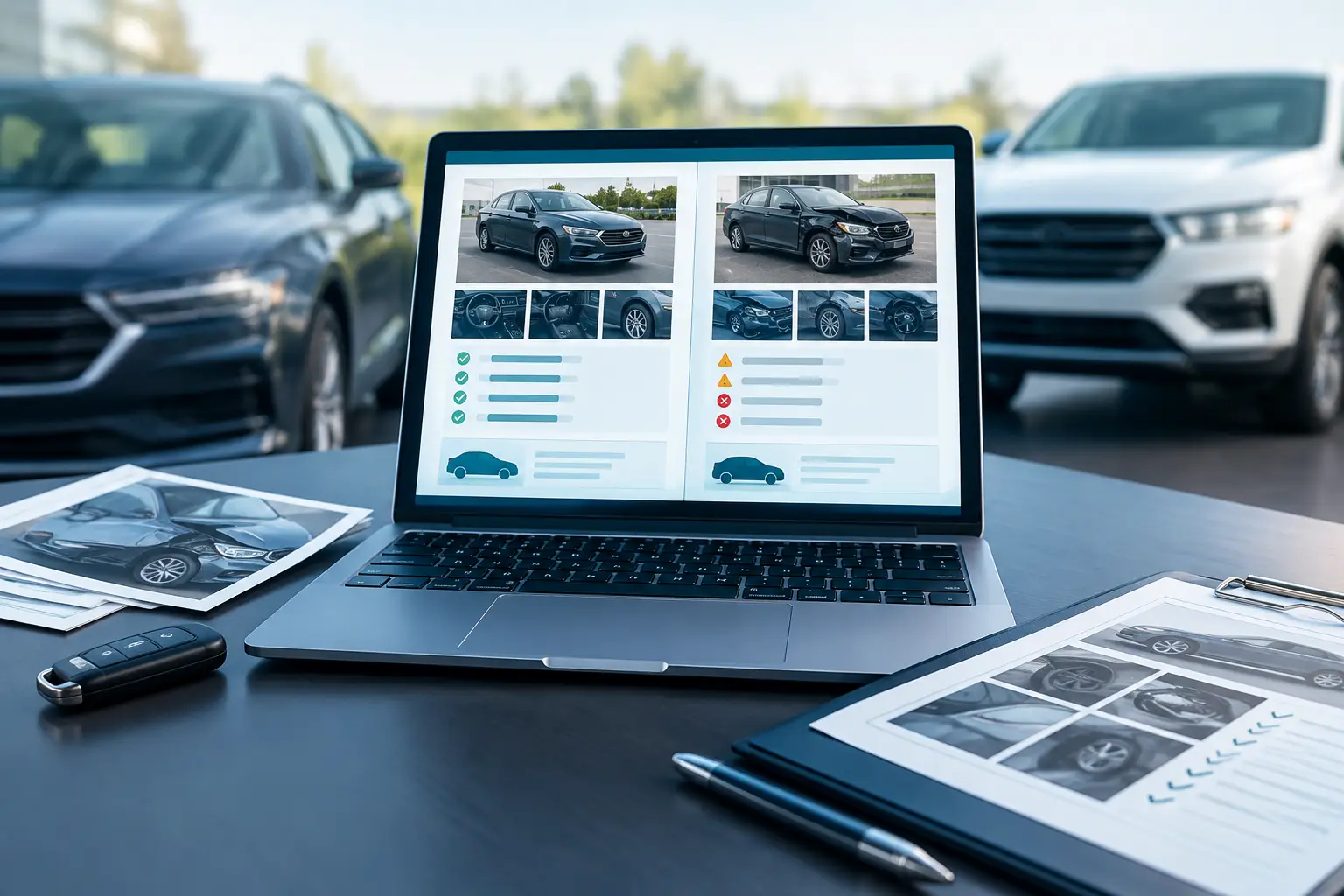
Reported accident or damage events should prompt better questions, not automatic panic. Minor cosmetic damage and a serious collision are not equivalent. Pay attention to the location and severity of damage when available, the timing of repairs, airbag deployment, and whether the record suggests structural involvement.
A professional pre-purchase inspection becomes especially valuable after a damage alert. An inspector can look for uneven panel gaps, poor paint matching, suspension wear, frame repair evidence, warning lights, and signs that safety systems were not restored correctly.
Odometer consistency
Odometer fraud is expensive because mileage influences value, maintenance needs, warranty coverage, and buyer confidence. A report should show mileage readings across time when records are available. The pattern should make sense.
A sudden drop in recorded mileage, or a late reading that is lower than an earlier one, deserves immediate attention. It could be a data-entry error, an instrument cluster replacement, or tampering. Do not accept a verbal explanation alone. Ask for service invoices, repair records, and documentation tied to the VIN.
Theft, recovery, and registration history
Theft and recovery records can expose risk that is easy to miss during a walk-around. Registration and ownership events add useful context, too. They may indicate whether a vehicle spent time in a rental fleet, commercial service, or multiple short-term ownership cycles.
None of these details should be judged in isolation. A former fleet vehicle can be well maintained. A vehicle with several owners may simply have changed hands due to leases or relocations. The useful question is whether the record aligns with the seller's description, condition, and asking price.
Open recalls and safety information
Open recalls deserve action, not guesswork. Check whether any recall remedy remains incomplete and confirm that a dealer can perform the repair. Some recalls are straightforward; others involve parts availability or significant safety systems. Either way, the buyer should know before signing paperwork.
How to Judge the Quality of a VIN Report
A useful report is not the one with the most alarming labels. It is the one that makes the evidence understandable and helps you act on it quickly.
Start with source transparency. The provider should explain the kinds of records it checks and avoid claiming to know every event in a vehicle's life. Overconfident language is a warning sign. The strongest reports distinguish confirmed records from inferred risk and present dates, locations, mileage, title events, and other details in a readable sequence.
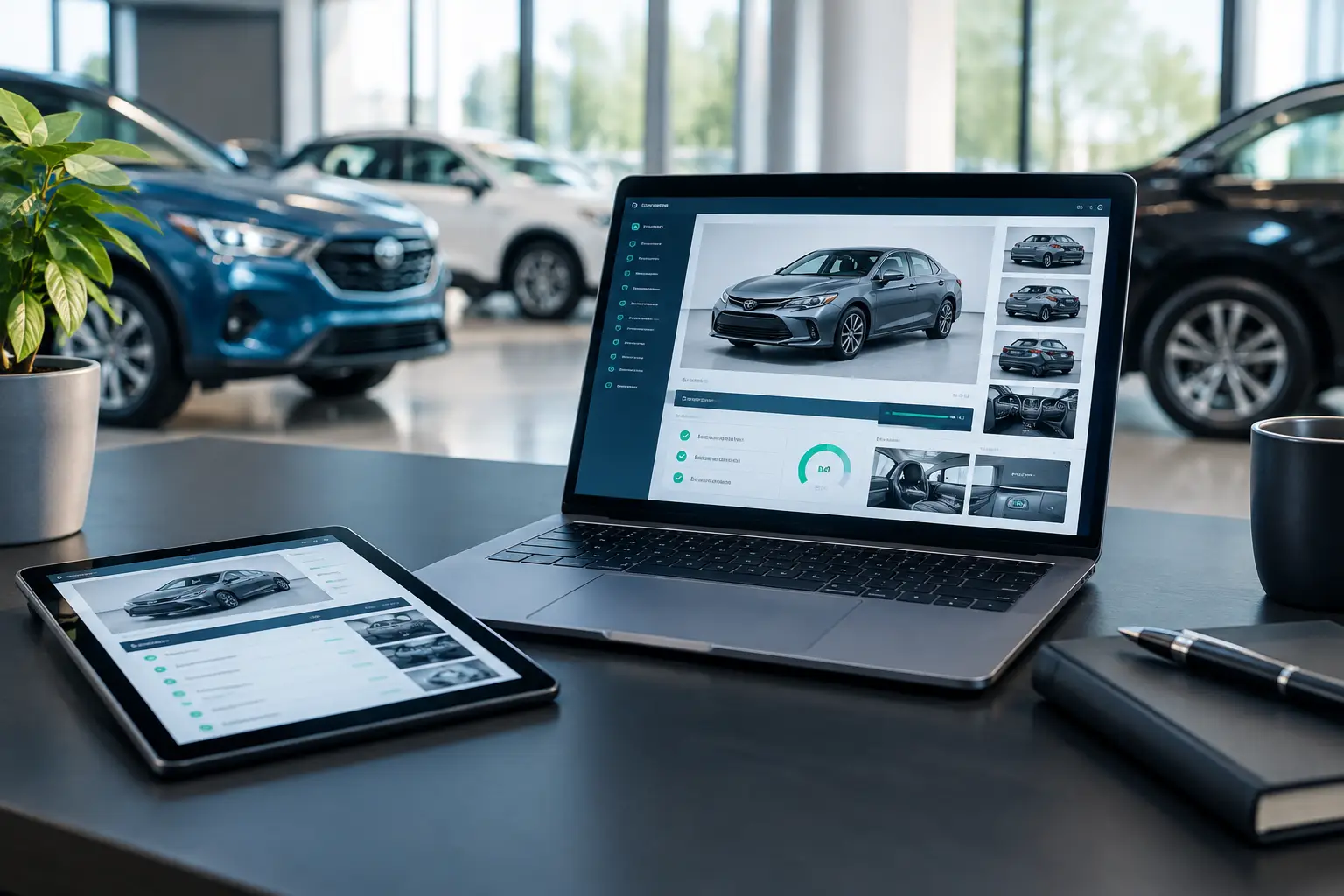
Next, look for decision support. Raw data can create more confusion than clarity, particularly when you are evaluating several similar vehicles. A risk score can help prioritize attention, provided it does not hide the underlying record. DriveEvidence uses a 0-100 DriveEvidence Score to translate vehicle history into a clear risk signal while preserving the details behind it. A score should help you decide where to investigate, not replace your judgment.
Finally, consider workflow. One report at a time may work for a single weekend purchase. It becomes inefficient when a dealer is evaluating auction inventory or a fleet team is reviewing replacement vehicles. The ability to save, compare, sort, and export multiple VINs in one dashboard turns scattered research into a repeatable process.
A Practical Review Process for Buyers and Pros
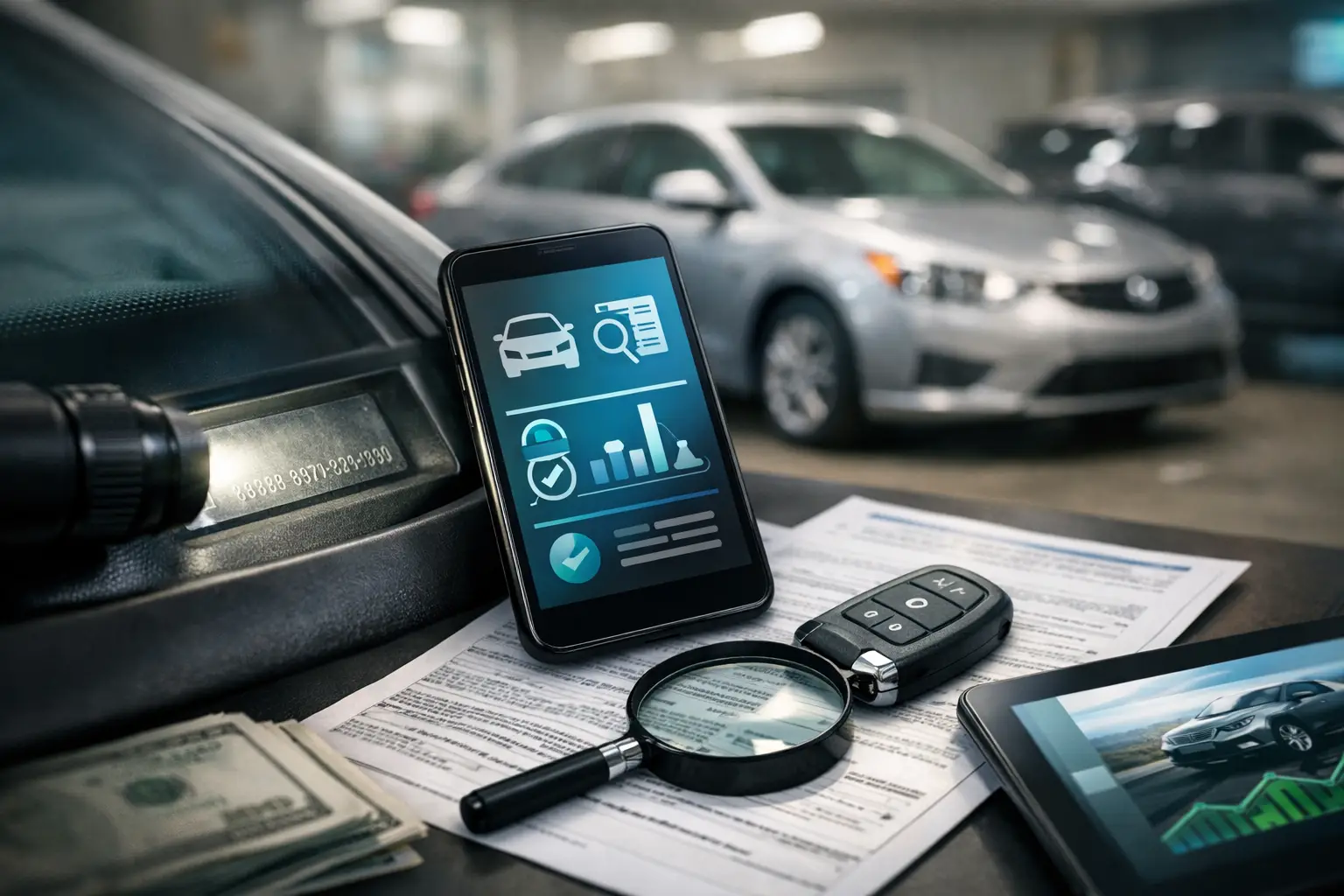
Use the VIN before you negotiate, not after you are emotionally committed to the vehicle. First, match the VIN on the report to the VIN plate, dashboard, door jamb, title, and listing. Any mismatch is a stop sign until it is explained.
Then verify factory specifications against the advertisement. Confirm the trim, engine, drivetrain, and model year before comparing price guides or deciding whether an option package justifies a premium. Review title, damage, odometer, theft, ownership, and recall records next. Flag inconsistencies rather than trying to explain them away.
For a vehicle that still looks promising, combine the report with a physical inspection, service records, and a test drive. A history report cannot detect every mechanical issue. It will not tell you whether a transmission shifts cleanly, whether the battery is weak, or whether tires are nearing replacement. Conversely, a mechanic cannot always see title or odometer problems that occurred years earlier. The strongest buying decision uses both forms of evidence.
For professionals, establish a consistent review threshold. For example, your team may require additional inspection for any branded title, mileage inconsistency, structural damage indication, or unresolved recall. Document the decision and retain the report with the appraisal or acquisition file. Consistency helps protect margin, customer trust, and internal accountability.
When a VIN Report Should Make You Walk Away
Some findings demand more investigation. Others should end the transaction unless the vehicle fits a specialized use case and the price reflects the risk. Walk away from altered or mismatched VINs, unresolved ownership concerns, unexplained odometer rollbacks, signs of title washing, or a seller who refuses to provide basic documentation.
Be equally cautious when the story does not add up. A supposedly low-mileage, garage-kept vehicle with inconsistent mileage records, multiple recent listings, and a vague title history is not a bargain. It is a vehicle asking for proof.
The best VIN decoder review leaves you with more than vehicle specs. It gives you a clear record, the right questions to ask, and enough evidence to buy with confidence or walk away without regret.