
A clean exterior and a smooth test drive can make two vehicles look equally safe to buy. The paperwork often tells a different story. A meaningful vehicle inspection comparison puts the evidence beside the vehicle, so you can separate cosmetic appeal from accident exposure, title risk, maintenance needs, and true market value.
For a private buyer, that can mean avoiding a vehicle with a rebuilt title priced like a clean-title example. For a dealer, auction buyer, or fleet manager, it means evaluating multiple VINs without losing time flipping between disconnected reports. The goal is not to find a perfect used vehicle. It is to identify the risks, price them correctly, and know when to walk away.
What a Vehicle Inspection Comparison Should Compare
A comparison is only as useful as the inputs. Looking at two listings side by side and comparing mileage, color, and asking price is not enough. Those are selling details, not risk indicators.
Start with the vehicle's identity and legal status. Confirm that the VIN matches the dashboard, door label, title, listing, and insurance documents. Then compare title status and brands. A salvage, rebuilt, flood, lemon, or odometer-related brand can affect financing, insurance, resale value, and long-term reliability. A low price may be justified, but only if you understand exactly what you are accepting.
Next, compare reported accident and damage history. The critical question is not simply whether a vehicle has had an accident. It is what kind of damage occurred, whether the records suggest structural impact or airbag deployment, and whether the price reflects that history. A properly repaired minor collision is different from a vehicle with repeated damage events or a history that does not align with the seller's description.
Ownership and odometer records add context. A car with one long-term owner and steady mileage reporting presents a different ownership pattern than one that changed hands repeatedly in a short period. Mileage discrepancies deserve immediate attention. They can signal data-entry errors, but they can also point to odometer manipulation or a history that needs further verification.
Finally, compare recalls, safety ratings, specifications, and market value. Open recalls are not automatically a deal-breaker, especially when a remedy is available, but they should be addressed before purchase. Factory equipment also matters. Two vehicles of the same model year can have very different safety features, towing capacity, drivetrain configurations, and replacement costs.
History Reports and Physical Inspections Answer Different Questions
A VIN-based history report and a hands-on inspection are not substitutes. They catch different problems, and the strongest buying decision uses both.
Vehicle history data can reveal events you cannot see during a walk-around: title brands, theft and recovery records, auction activity, ownership changes, reported damage, odometer inconsistencies, and recalls. This is the documentary record. It helps you decide whether a vehicle deserves more of your time and whether the seller's story holds up.
A pre-purchase inspection evaluates the vehicle in its current state. A qualified technician can identify fluid leaks, worn suspension components, brake wear, tire age, frame concerns, poorly repaired bodywork, diagnostic trouble codes, and signs of deferred maintenance. These issues may not appear in a database, particularly if no insurance claim or title event was recorded.
If you are comparing several vehicles, run the VIN research first. There is little value in paying for a shop inspection on a vehicle with a title issue, mileage discrepancy, or damage history that makes it unacceptable for your needs. Once a vehicle clears the record review, schedule the physical inspection before money changes hands.
Build a Fair Comparison, Not a Price Race
The cheapest vehicle is rarely the lowest-cost choice. A better comparison looks at purchase price, condition, risk, and likely ownership costs together.
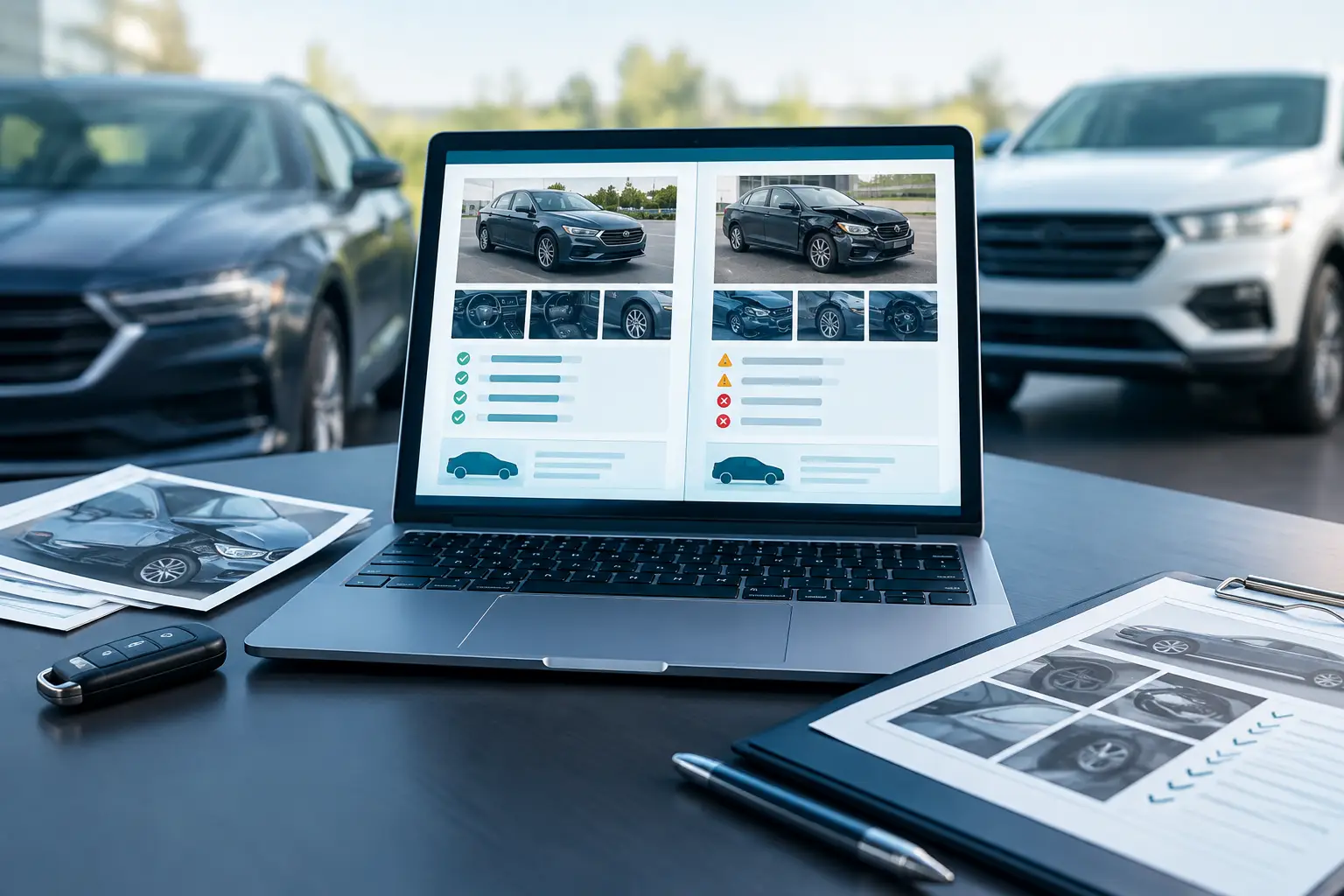
Consider two similar SUVs. One costs $2,500 less but has a rebuilt title, prior rear impact, mismatched tires, and an unresolved recall. The other has a clean title, consistent mileage, documented maintenance, and a higher asking price. The first SUV could still be a rational purchase for the right buyer, but it should not be valued as if both vehicles carry the same risk.
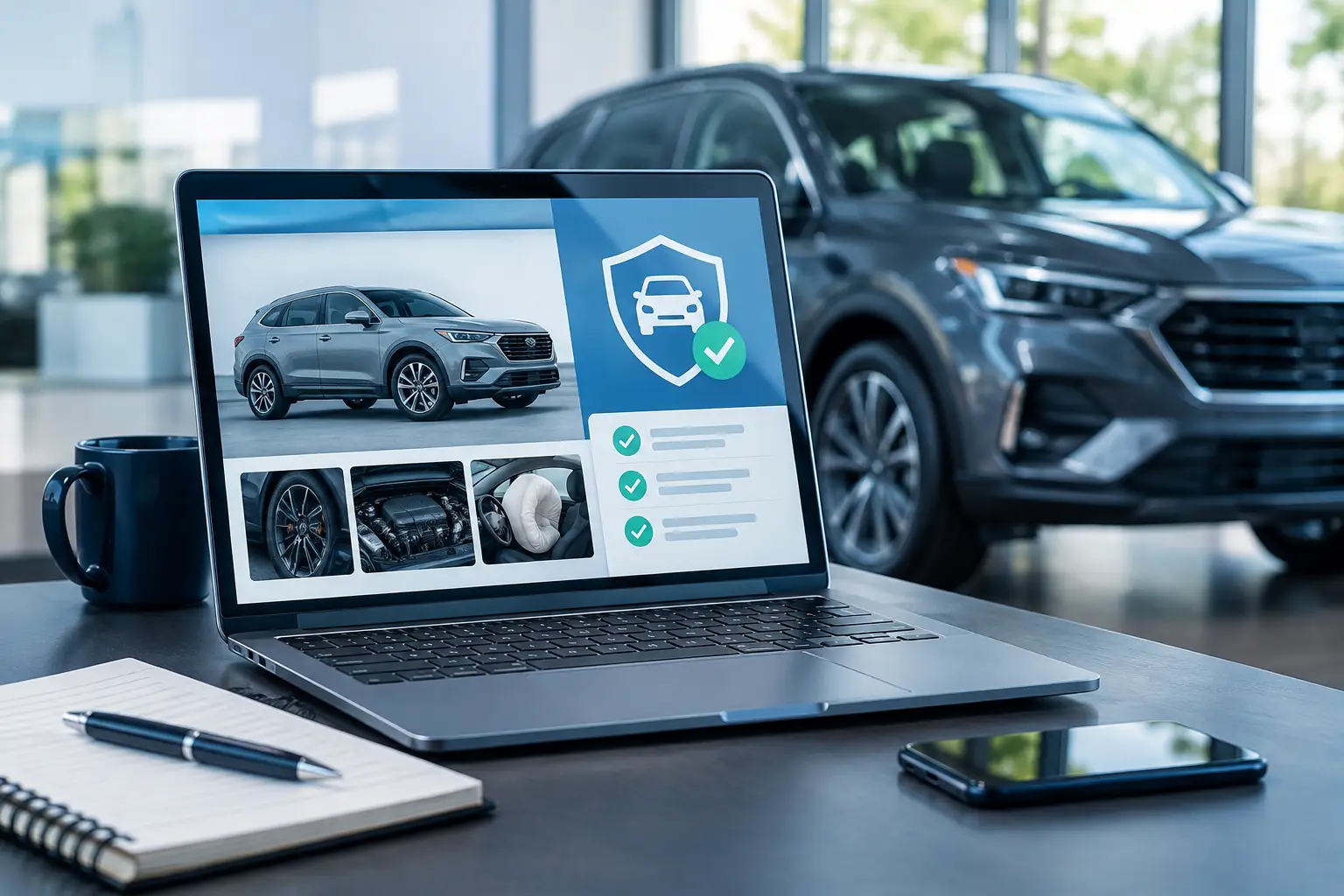
This is where a consistent scoring model helps. Rather than treating every record as equally serious, use a risk-based view that weighs the pattern. A single minor damage report is not equivalent to repeated loss events, title branding, and mileage irregularities. DriveEvidence's 0-100 DriveEvidence Score is designed to turn those layered signals into a clear comparison point while preserving the underlying records for review.
A score should guide the conversation, not replace judgment. A high score does not guarantee that a car needs no mechanical work. A lower score does not automatically mean fraud or failure. It tells you where to investigate and whether the asking price makes sense for the documented risk.
A Practical Vehicle Inspection Comparison Workflow
Use the same order for every VIN. Consistency prevents a polished listing or an eager seller from pulling attention away from critical details.
1. Verify the VIN before evaluating the listing
Check that the 17-character VIN is present and consistent across the vehicle, title, listing, and available service paperwork. If a seller will not provide the VIN before a deposit or refuses to let you inspect the vehicle, treat that as a serious warning sign.
2. Screen the record for deal-breaking issues
Review title brands, theft and recovery records, odometer flags, major accident history, and open recalls. Your deal-breakers may vary. A collector may reject replacement panels or non-original equipment, while a fleet buyer may accept cosmetic repairs but reject any uncertainty around mileage or title status.
3. Compare like with like
Do not compare a base trim to a premium trim, a two-wheel-drive truck to a four-wheel-drive truck, or a clean-title vehicle to a rebuilt-title vehicle as though they are identical. Match year, trim, powertrain, equipment, mileage range, and condition as closely as possible before judging market value.
4. Inspect current condition and repair quality
Look for uneven panel gaps, paint overspray, corrosion, warning lights, tire wear, cracked mounts, fluid leaks, and inconsistent body color. During a test drive, pay attention to braking, steering response, transmission shifts, suspension noise, and whether driver-assistance features operate as expected. A technician should inspect any vehicle where the stakes exceed your ability to assess it yourself.
5. Price the risk, then negotiate with proof
Use documented findings, not vague concerns. If a vehicle has an open recall, worn tires, missing service records, or damage history, calculate the likely cost and adjust your offer accordingly. If the seller cannot explain a record or provide supporting documentation, do not assume the best-case version of events.
Common Comparison Mistakes That Cost Buyers Money
The first mistake is relying on a single source. A seller's inspection sheet can be useful, but it is not an independent history review. A history report is valuable, but it cannot tell you whether the brakes are near the end of their life. Listings, records, and physical condition need to agree.
The second is treating “no accident reported” as proof that no damage occurred. Not every collision reaches an insurer or reporting source. Look for condition clues and repair-quality concerns during the physical inspection, especially on vehicles with suspiciously low prices or incomplete records.
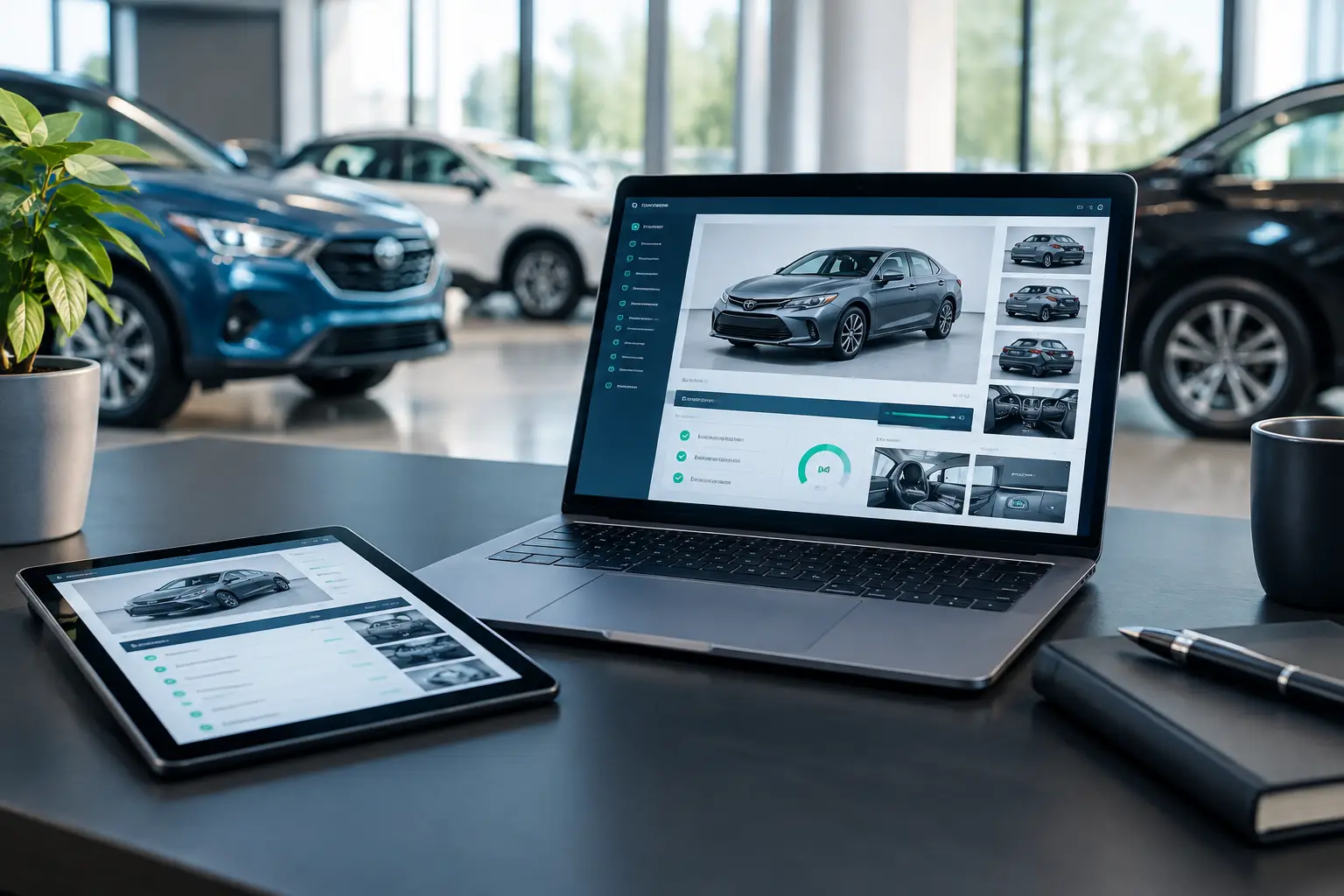
The third is comparing vehicles one report at a time. That approach makes patterns easy to miss. A dashboard that lets you save, sort, compare, and export VIN findings is faster and more defensible, particularly when evaluating auction inventory or building a fleet.
Use Evidence to Make the Final Call
A strong comparison produces a clear next step: move forward, negotiate, request more documentation, schedule a technician, or walk away. If the records are consistent, the condition supports the price, and the remaining risks fit your use case, you can buy with far more confidence. When the evidence conflicts, let the conflict slow the deal down. The right vehicle will stand up to verification.