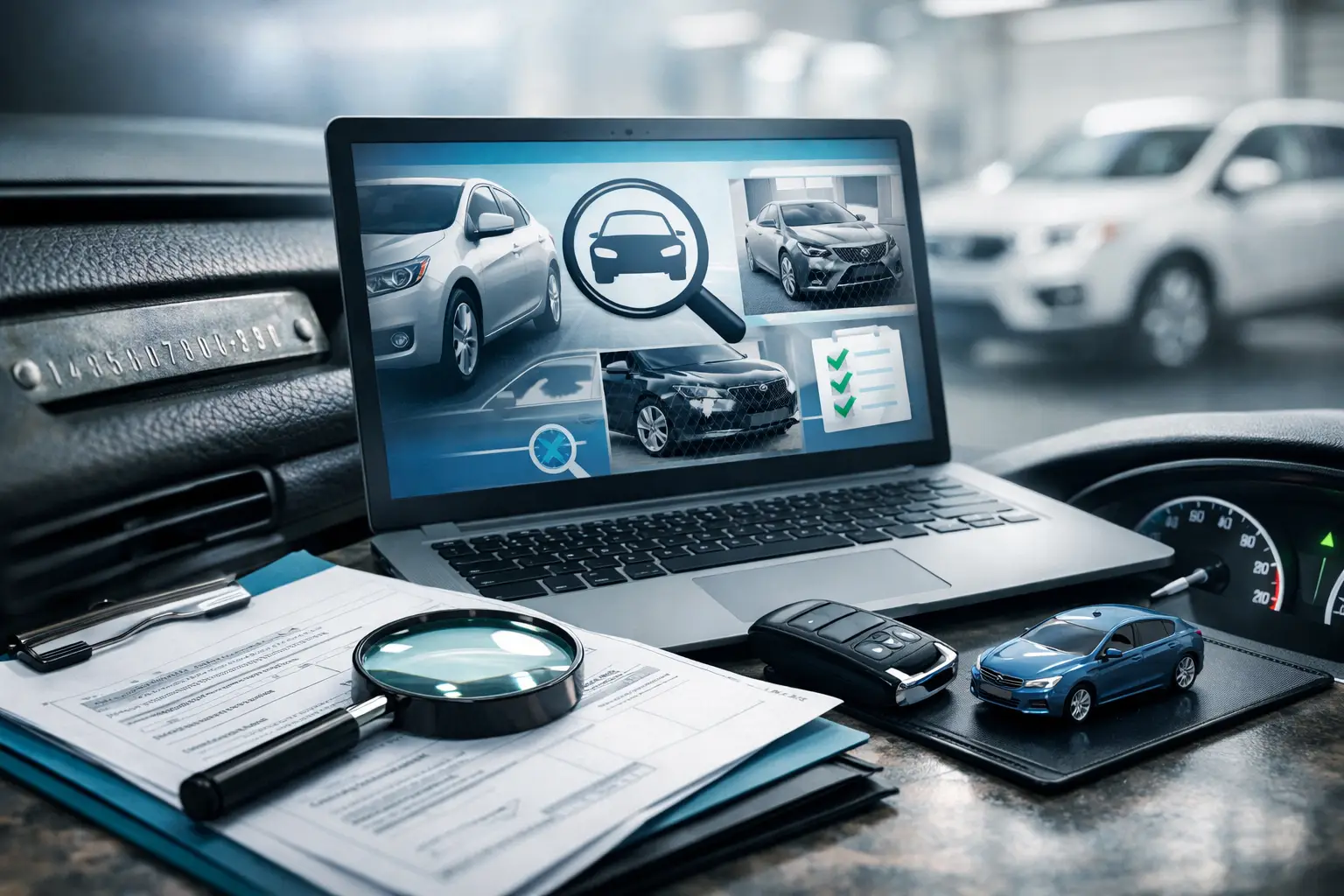
A clean test drive and a convincing seller can make almost any used vehicle look like a safe bet. VIN lookup tools give you a way to check the proof behind the presentation before a deposit, trade-in, or auction bid changes hands. Entering the 17-character vehicle identification number can expose facts that a listing, window sticker, or verbal promise cannot verify.
For individual buyers, that means fewer surprises after purchase. For dealers, auction buyers, and fleet teams, it means faster screening across more vehicles without losing track of critical details. The value is not simply finding data. It is knowing which records change the risk of the deal.
What VIN Lookup Tools Can Tell You
A VIN is a unique identifier assigned to a specific vehicle. It encodes baseline details such as the manufacturer, model year, assembly plant, engine, and trim configuration. A basic VIN lookup can confirm whether the vehicle matches what the seller claims it is.
That verification matters more often than people expect. A listing may describe a higher trim than the VIN supports, show the wrong engine, or use photos from another vehicle. Before evaluating condition or price, confirm you are researching the right car, truck, SUV, motorcycle, or commercial unit.
More comprehensive VIN lookup tools go beyond specifications by bringing together historical records. Depending on the vehicle and available data, a report may show accident or damage events, title status and title brands, theft and recovery records, odometer readings, ownership history, open recalls, safety information, and market value context.
No single item automatically makes a vehicle a bad purchase. A prior accident with documented repairs may be acceptable at the right price. A salvage or flood title requires a much higher level of scrutiny, and it may affect financing, insurance, resale value, and future repair costs. The point is to replace assumptions with evidence.
The Red Flags That Deserve a Closer Look
The most useful report is not a long list of records. It is one that helps you identify conflicts and ask better questions. Start by checking whether the title history is clean and consistent. Branded titles, title transfers that do not align with the seller’s story, or records that suggest a vehicle was declared a total loss should change how you evaluate the deal.
Odometer history is another high-value check. A mileage reading that moves backward, jumps unexpectedly, or conflicts with the dash can indicate a data-entry issue, an instrument cluster replacement, or possible odometer manipulation. None of those possibilities should be ignored. Ask for service records and get an independent inspection before proceeding.
Accident and damage records need context. Look at the type of damage, the date, and whether the vehicle was later listed at auction or issued a branded title. Minor cosmetic damage is different from structural damage, airbag deployment, flood exposure, or repeated loss events. A report can show where to look, but a qualified mechanic should assess the quality and safety of repairs.
Also check open recalls. An unresolved safety recall is not necessarily a reason to walk away, since recall repairs are generally handled at no cost by an authorized manufacturer dealer. It is, however, a reason to confirm the repair status before delivery and avoid assuming the seller will address it.
Free Lookup vs. Full Vehicle History Report
Free VIN lookup tools are useful for initial screening. They can often confirm core vehicle specifications, model-year details, and recall information. This is a fast way to verify that a listing is describing the correct vehicle and to rule out obvious mismatches before you spend more time researching.
A paid vehicle history report is designed for higher-stakes decisions. It adds the records that affect risk, value, and ownership: title brands, reported accidents, odometer events, theft records, ownership patterns, and other available history. If you are spending thousands of dollars, evaluating a trade, or buying inventory at auction, the cost of a full report is small compared with one hidden title issue or unreported damage event.
The right level of research depends on the transaction. A free check may be enough when you are narrowing a large list of online listings. A full report and inspection are more appropriate once a vehicle becomes a serious candidate. For a collector vehicle, a commercial truck, or a vehicle with incomplete records, deeper verification is usually justified from the start.
How to Use a VIN Report Without Missing the Point
Begin with the VIN itself. Locate it on the dashboard near the windshield, the driver-side door jamb, registration documents, insurance paperwork, or the vehicle title. Make sure every source shows the same 17-character number. A missing, altered, or inconsistent VIN is a stop sign, not a minor paperwork problem.
Next, compare the report against the listing and the vehicle in front of you. Check the year, make, model, trim, drivetrain, engine, color, and mileage. Then compare the seller’s claims about ownership, accidents, and title status with the available records. If a seller says the vehicle has never been damaged but the history shows a reported collision, ask for repair invoices, photos, and an explanation.
Price should come after condition and history, not before. A low asking price can be an opportunity, but it can also reflect a branded title, hidden repairs, an unresolved recall, or a weak resale outlook. Use market valuation as a reference point, then adjust for actual condition, documented service, regional demand, and risk factors found in the report.
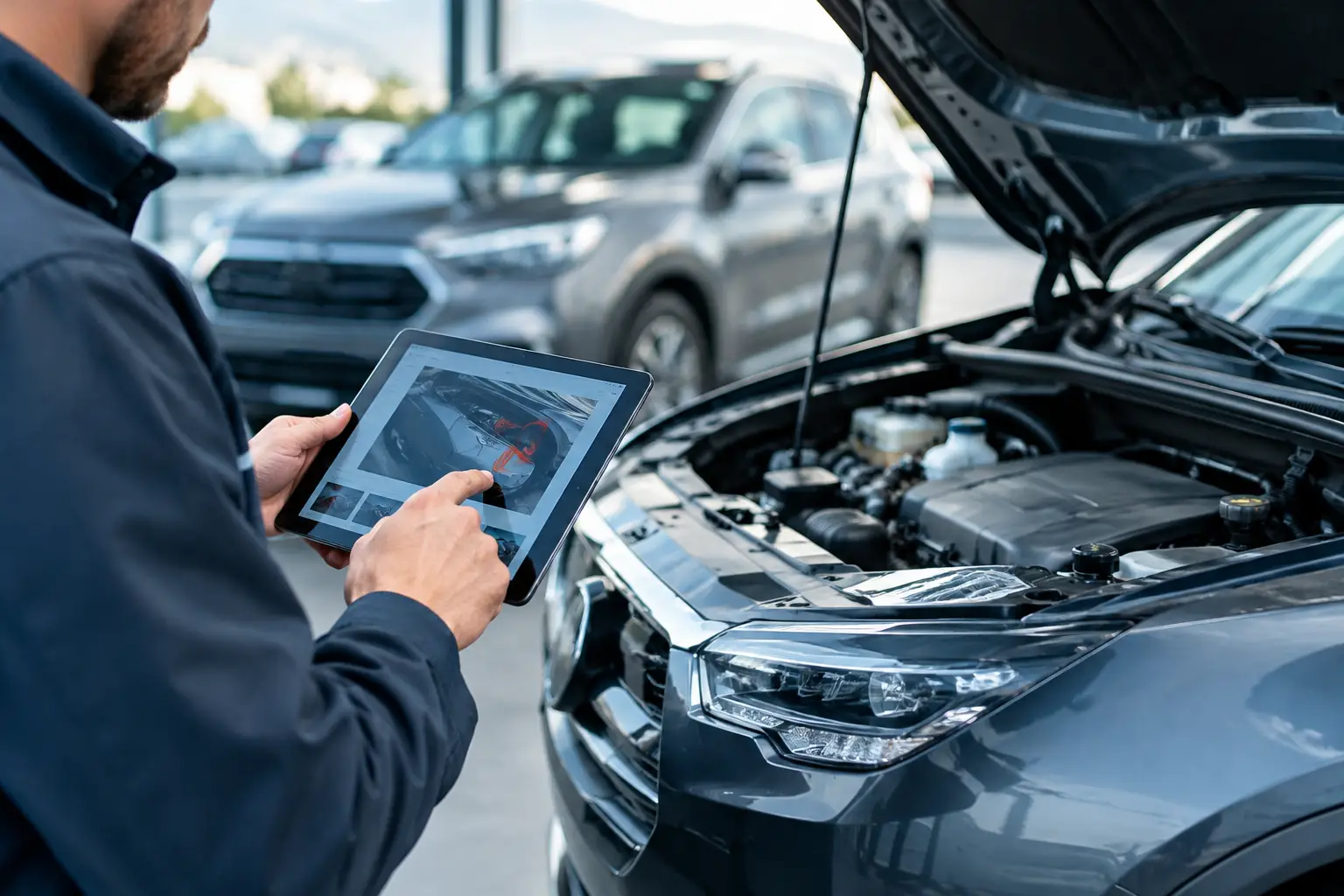
Finally, pair the VIN report with an independent pre-purchase inspection. Vehicle history databases have limits. Some incidents are never reported, repair quality cannot be judged from a record alone, and data can take time to appear. A technician can inspect the frame, paintwork, tires, brakes, suspension, fluids, diagnostic codes, and signs of poor repair that records may not capture.
Why Comparison Matters for Buyers and Dealers
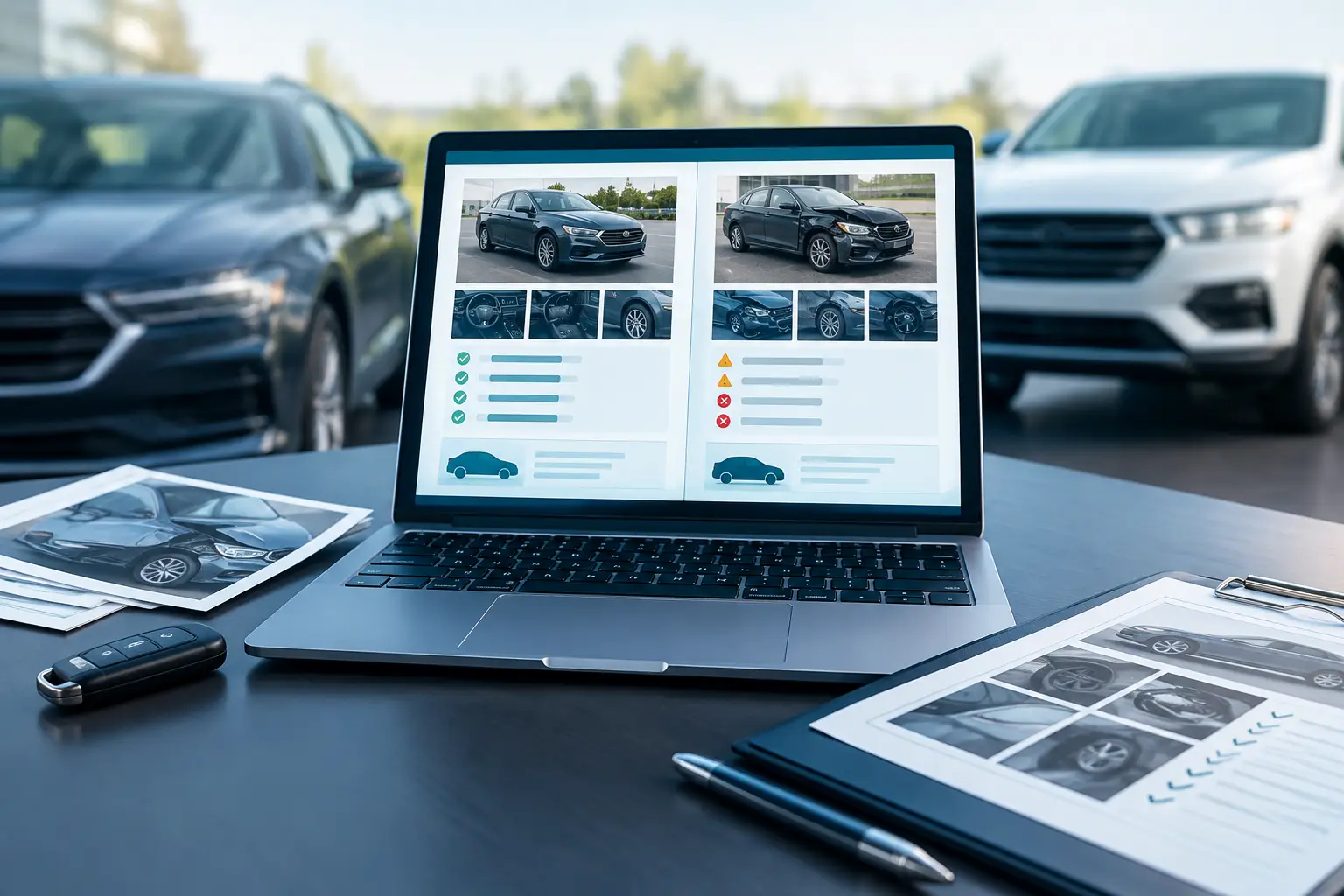
A single report can tell you whether one vehicle deserves more attention. Comparing several vehicles reveals which one offers the strongest evidence at a given price. That distinction matters when two similar vehicles have different ownership patterns, damage histories, recall status, mileage consistency, or title records.
For a retail buyer, comparison prevents a common mistake: becoming attached to the first vehicle that looks right. Save the VINs of your top candidates, line up the facts, and let the evidence narrow the field. The best purchase is often not the lowest-mileage vehicle or the lowest-priced one. It is the one with the clearest history, appropriate condition, and a price that reflects both.
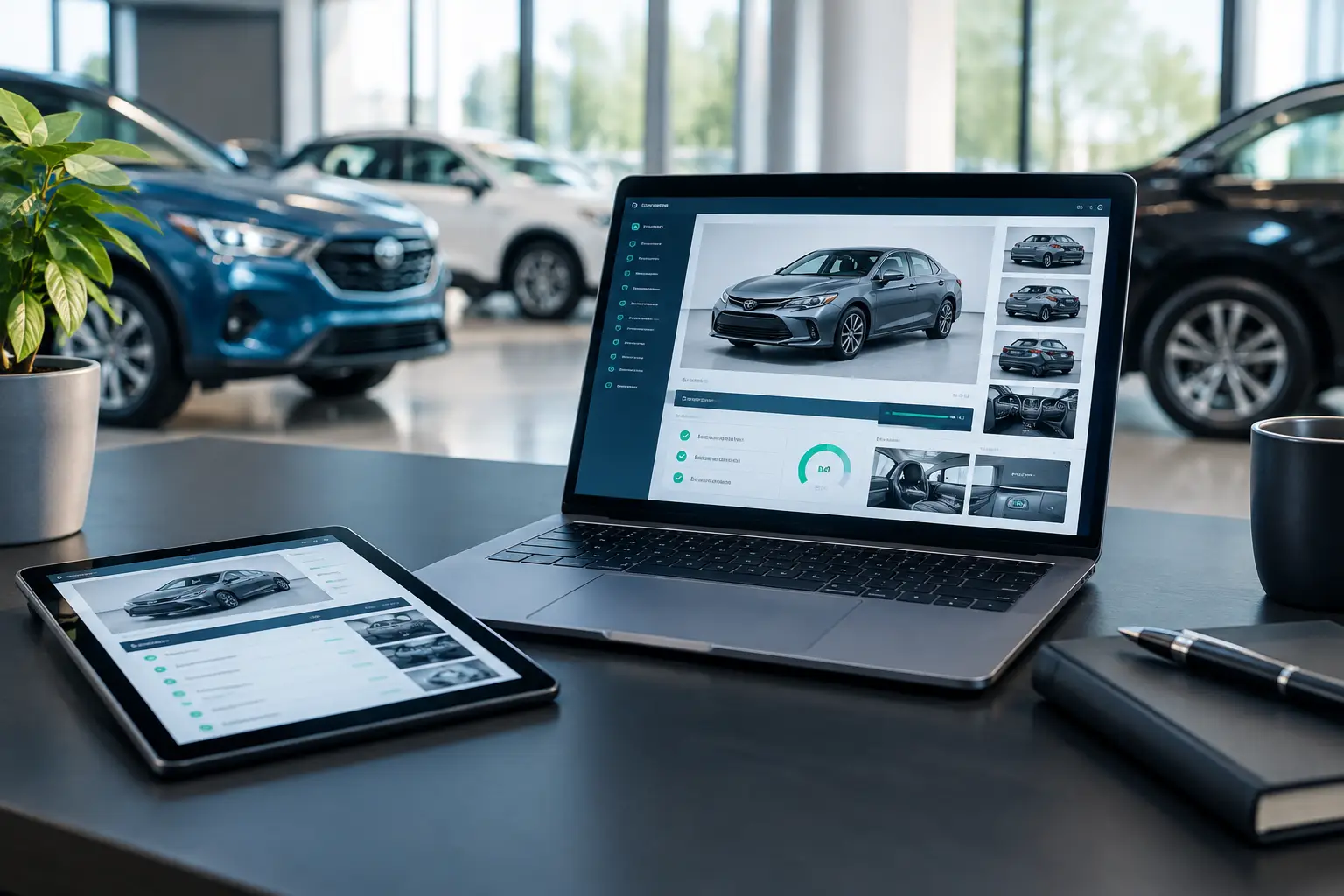
For dealer and fleet teams, disconnected reports create friction. Evaluating inventory one vehicle at a time makes it harder to identify repeat risks, sort by condition, or share findings with a manager or customer. A centralized workflow that lets teams save, compare, sort, and export vehicle records can turn VIN research from a slow administrative task into a consistent acquisition process.
DriveEvidence applies that approach with verified vehicle data and a 0-100 DriveEvidence Score that turns multiple history signals into a clearer risk indicator. The score is not a substitute for reviewing the underlying report or inspecting the vehicle. It is a practical way to prioritize attention when several vehicles are competing for the same budget or inventory slot.
What a VIN Lookup Cannot Guarantee
A VIN report is decision support, not a warranty. It cannot promise that every accident, repair, service visit, or ownership event was captured in available records. A clean report means no adverse information was found in the sources searched, not that the vehicle has never had an issue.
That is why the strongest buying process uses multiple checks: confirm the VIN, review the history, inspect the vehicle, verify title and seller identity, and make the price reflect the evidence. Be especially careful with private-party transactions involving urgency, unusual payment requests, missing titles, or a seller who refuses an inspection.
Before you negotiate, run the VIN. Before you sign, compare the records with the vehicle and the seller’s story. The few minutes spent verifying the facts can protect years of ownership, resale value, and peace of mind.