A vehicle can look clean, drive well, and still carry an unresolved safety defect. Airbags, fuel pumps, brakes, steering components, and fire-risk electrical systems have all been subject to recalls. The best ways to check recalls start before money changes hands, using the vehicle identification number (VIN) rather than a broad model-year search.
A recall is not automatically a reason to walk away from a vehicle. In many cases, the manufacturer repair is free and straightforward. The risk comes from incomplete information: a seller who does not mention an open recall, a repair that has not been completed, or a vehicle that cannot safely be driven until the issue is addressed. Verify the record, confirm the remedy, and factor the next step into your buying decision.
Best Ways to Check Recalls by VIN
The VIN is the most reliable starting point because recalls are tied to a specific vehicle, not simply every vehicle of a certain make and model. A VIN search can identify whether a recall is open on that exact car, truck, SUV, or motorcycle. You can typically find the 17-character VIN on the driver-side dashboard near the windshield, the driver-door jamb, registration documents, or insurance card.
Start with the manufacturer’s recall lookup tool or a trusted vehicle-history platform that reports open recalls. Enter the VIN exactly as shown. Avoid substituting letters or numbers: I, O, and Q are not used in modern VINs, but 1 and I or 0 and O are still easy to confuse when copying from paperwork.
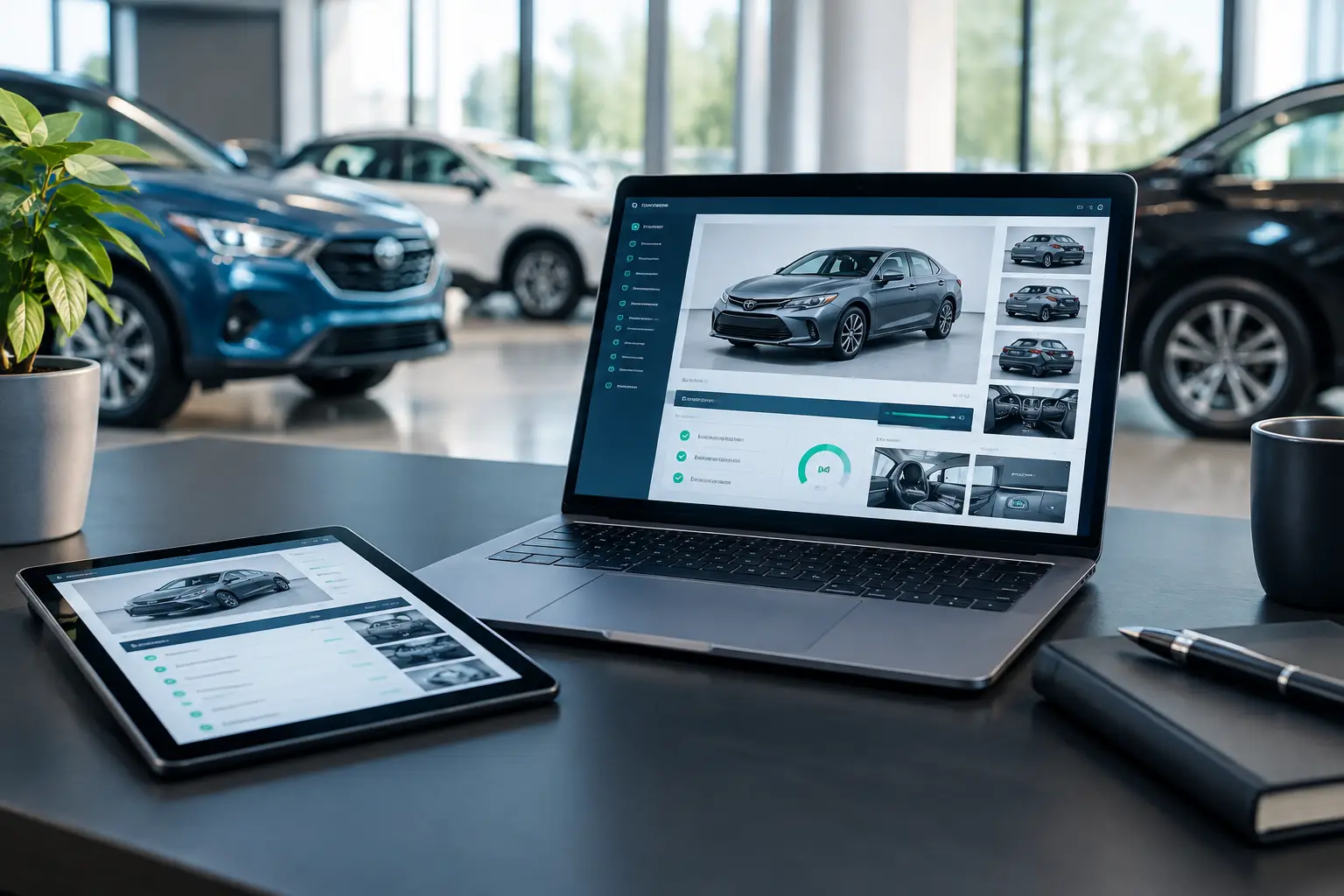
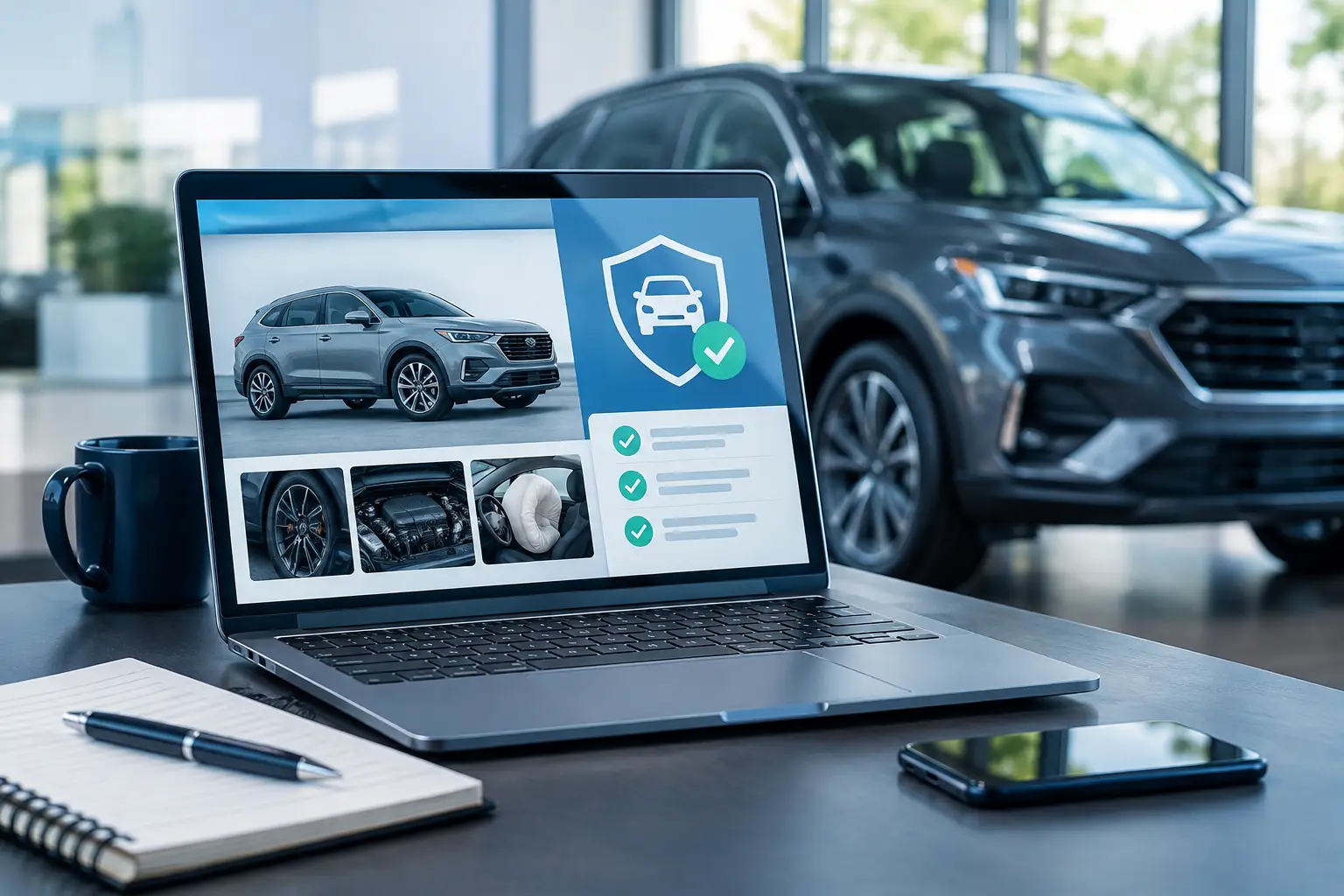
A vehicle-history report adds useful context to the recall check. It lets you evaluate recalls alongside title brands, damage records, odometer readings, theft history, ownership history, and specifications. That matters because a recall is one risk signal, not the whole vehicle story. DriveEvidence brings those records together with a clear risk-based score, helping buyers and inventory teams move from raw data to a faster decision.
Do not rely on a seller’s statement that there are “no recalls.” They may mean there are no recalls they know about, or that a recall repair was done years ago without documentation. A VIN lookup gives you a more defensible answer.
Check the Recall Status, Not Just the Recall Notice
Recall results can be misunderstood. A vehicle may be linked to a recall campaign, but the repair may already be complete. Another vehicle of the same model and year may have the exact same recall campaign still open. The status is what changes your next move.
When reviewing a result, identify the recall campaign number, affected component, safety consequence, and remedy. Then look for whether the recall is listed as open, incomplete, or remedied. An open recall means the manufacturer has not recorded the prescribed repair for that VIN. It does not always mean the vehicle is unsafe to move a few miles, but it can mean the defect presents a real and immediate hazard.
Pay special attention to language involving fire, loss of steering, brake failure, airbag rupture, stalling, fuel leaks, or instructions to park outdoors. Those warnings deserve more than a quick note in your shopping checklist. Ask the seller to address the recall before delivery, or call a franchised dealer to confirm what the manufacturer recommends.
A completed recall is generally a positive sign, but verify it when possible. Ask for the repair invoice or dealer service record. The document should show the VIN, date, campaign number, and work completed. If the repair occurred recently, confirm that it appears in the recall system, as reporting can take time.
Call a Dealer Before You Schedule a Test Drive
A franchised dealer for the vehicle’s brand can confirm recall details using the VIN. This is especially useful when the online result is unclear, when the campaign is older, or when a seller claims the repair has been performed but cannot produce records.
Call the service department and ask three direct questions: Is there an open safety recall on this VIN? Is the remedy currently available? Can the vehicle be scheduled for repair, and is there any restriction on driving it before the appointment?
The second question matters more than many buyers expect. A recall can be open even when replacement parts are temporarily unavailable. In that situation, the manufacturer may offer interim guidance, a temporary repair, rental support, or a notice to avoid driving under certain conditions. Availability can vary by region and dealer inventory.
If you are buying from a private seller, consider making recall completion a condition of the sale for serious safety defects. With a dealer sale, get the commitment in writing if the dealer agrees to handle the repair. Free manufacturer repairs do not eliminate your time cost, towing risk, or the inconvenience of owning a vehicle that must sit until parts arrive.
Use Recall Research to Compare Vehicles, Not Just Reject Them
The best buying decisions compare risk across several vehicles. One used SUV may have a single open recall with a readily available software update. Another may have no open recalls but a branded title, inconsistent mileage, and a history of collision damage. Treating every recall as an automatic deal-breaker can cause you to overlook the larger picture.
For buyers reviewing several options, keep the VIN, recall status, repair availability, and seller response together in one comparison workflow. This prevents a common mistake: researching each vehicle in separate tabs and losing track of which one had the unresolved airbag campaign or the delayed parts issue.
Dealers and fleet managers should apply the same discipline at scale. Check recalls as vehicles enter inventory, before recon spending, before marketing photos, and again before retail delivery or assignment. A recall discovered late can delay a sale, disrupt a customer handoff, and create avoidable exposure. Saving and sorting VIN reports in a centralized dashboard is more efficient than rebuilding the same research file for every unit.
Watch for Recall-Related Red Flags
A seller cannot necessarily repair every recall personally, but their response reveals a lot about the transaction. A transparent seller will share the VIN early, acknowledge the issue, and provide records if the work was done. Evasive behavior is the concern.
Walk away or slow down when a seller refuses to provide the VIN, dismisses a serious safety recall as “nothing,” pressures you to buy before checking records, or claims a repair is complete without any verifiable documentation. The same caution applies to vehicles advertised as recently serviced with no details about where the work was performed.
Also remember that recalls are different from service campaigns, technical service bulletins, and warranty extensions. A recall is a formal safety action with a manufacturer-provided remedy. A technical service bulletin may describe a known repair pattern without requiring the manufacturer to contact owners or repair every affected vehicle at no charge. Do not assume that a clean recall result means the vehicle has no known mechanical issues.
What to Do After You Find an Open Recall
First, determine the severity and the manufacturer’s instructions. If there is a warning not to drive or park the vehicle indoors, follow it. Next, contact an authorized dealer with the VIN to confirm parts availability and schedule the repair.
If you have not purchased the vehicle yet, use the information to set terms rather than guessing. You may ask the seller to complete the repair, reduce the price to reflect delay and inconvenience, or hold the vehicle while the remedy is performed. The right choice depends on the defect, the availability of parts, the vehicle’s overall history, and how replaceable the deal is.
For a vehicle you already own, do not delay because the repair is free. Recall notices can arrive long after the original sale, and ownership changes often mean the current driver never receives the mailer. Run the VIN periodically, especially before a road trip, resale, fleet deployment, or handing a vehicle to a new driver.
A VIN recall check takes minutes. The right follow-up can protect far more than the purchase price. Know what is open, know whether the repair is available, and make the seller or service department prove the next step before you take the keys.