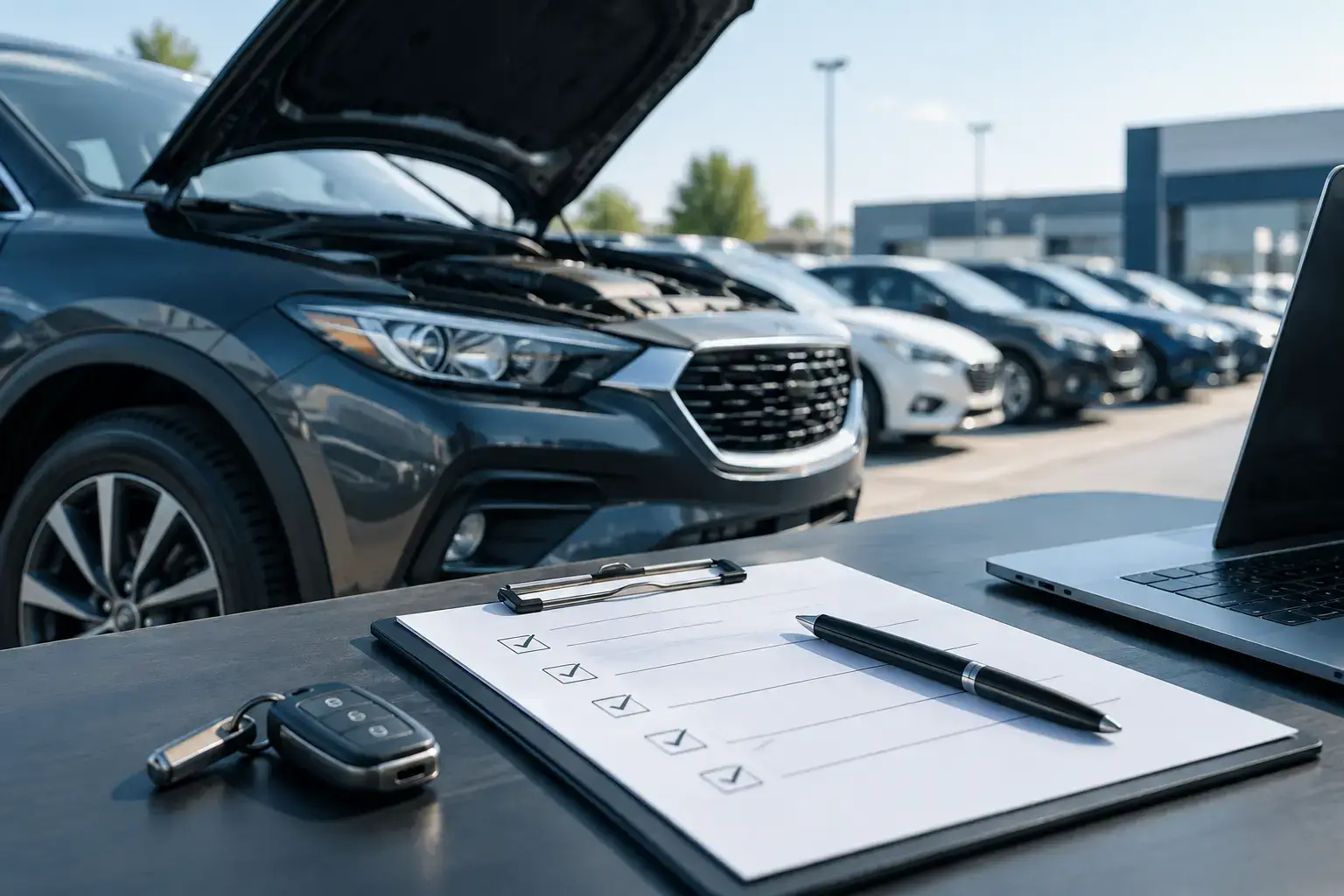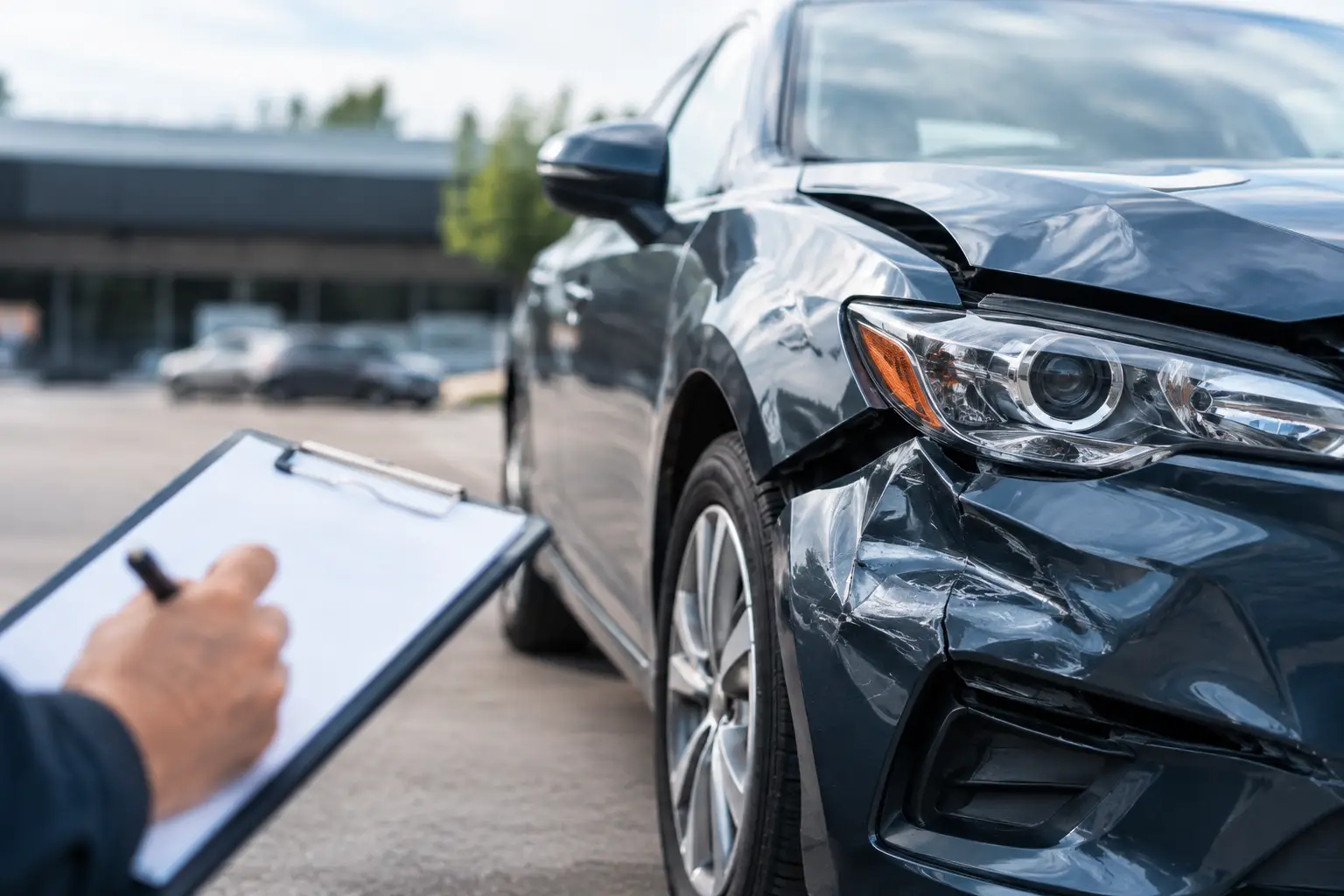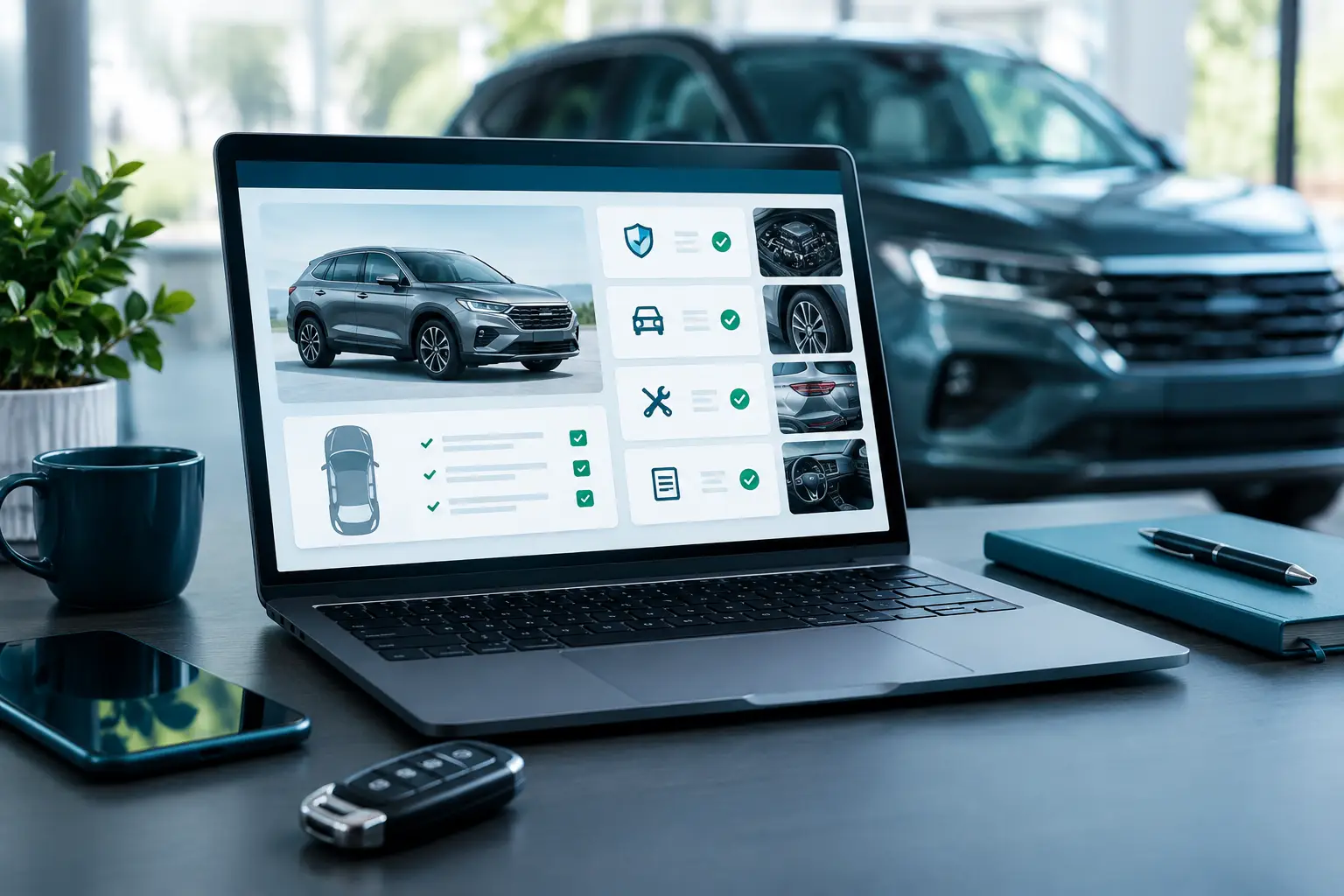
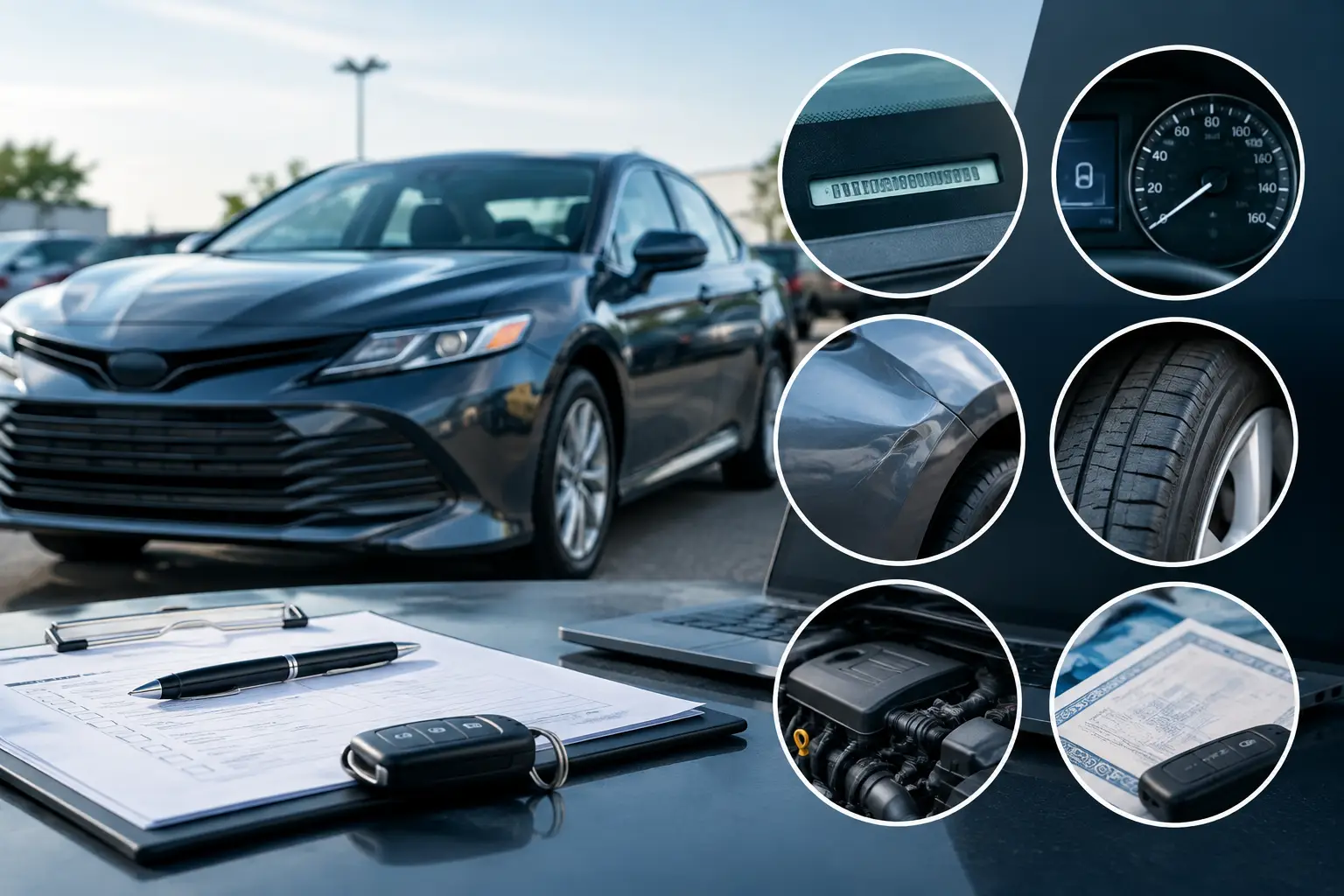
A vehicle fraud example rarely starts with an obvious lie. It often starts with a clean-looking SUV, a price just below market, a seller who seems prepared, and a VIN that appears to match the dashboard. The problem surfaces later: the vehicle has a branded title, rolled-back mileage, unrepaired structural damage, or a loan that was never paid off.
For buyers, dealers, and fleet teams, the lesson is simple: evaluate the vehicle and the transaction separately. A car can be real, drive well, and still carry a history that changes its value, safety, or ability to be titled in your name. The proof behind every vehicle matters before money changes hands.
A common vehicle fraud example
Consider a late-model pickup listed by a private seller for $4,000 below comparable local trucks. The seller says it was lightly used, has 62,000 miles, and has a clean title. The body is polished, the interior is clean, and the test drive feels normal.
The buyer notices the title is from another state but does not question it. The seller explains that they recently moved and wants payment quickly because they are leaving town. After the buyer pays, they learn the truck was previously declared a total loss after flood damage. Its odometer history shows 142,000 miles before the title was reissued, and the title presented at the sale was not valid.
This scenario combines several fraud tactics: title washing, odometer manipulation, and pressure to complete a rushed transaction. Any one issue would affect the deal. Together, they turn an apparent bargain into a vehicle that may be difficult to insure, finance, resell, or even register.
A history report cannot replace a physical inspection or guarantee that every event was reported. But it can expose conflicts between the seller's story and recorded evidence early enough to walk away.
The 7 red flags that should slow the deal down
A low price is not automatically fraud. Sellers may need fast cash, a vehicle may have cosmetic flaws, or the local market may be soft. But a low price combined with inconsistencies deserves a higher level of verification.
- The VIN is missing, altered, or does not match everywhere. Compare the 17-character VIN on the dashboard, driver-side door label, title, registration, and seller-provided listing. A mismatch is a stop sign, not a minor paperwork issue.
- The seller will not show a government-issued ID or proof of ownership. The name on the title should match the person selling the vehicle. If it does not, ask for a clear, documented reason and verify it before proceeding.
- The title looks unusually new, out of state, or incomplete. A recently issued title is not proof of title washing, but it can be a reason to check brand history, prior title states, lien records, and ownership changes more closely.
- The mileage does not fit the condition or maintenance trail. Worn pedals, a heavily worn steering wheel, missing service records, and a history report showing higher prior mileage can point to an odometer rollback. Digital odometers can be manipulated too.
- The seller refuses an independent inspection. A legitimate seller may not agree to every request, but refusing a qualified pre-purchase inspection is a meaningful risk signal, especially on a higher-value vehicle.
- The story creates urgency. “Three other buyers are coming,” “I am deploying tomorrow,” and “cash only before noon” may be true. They are also common pressure tactics designed to keep you from checking records.
- Payment instructions do not match the transaction. Requests for gift cards, wire transfers to an unrelated person, cryptocurrency, deposits before you see the title, or payment outside a secure marketplace should end the conversation.
No single red flag proves fraud. The decision changes when the evidence starts stacking up. A clean VIN record with a seller who provides identification, title, service paperwork, and inspection access is a very different risk profile from a vehicle with conflicting documents and a deadline attached.
Verify the vehicle before you negotiate
Start with the VIN, not the asking price. Run a vehicle history report before making an offer or sending a deposit. Review title status and brands, theft and recovery records, accident and damage events, odometer readings, ownership history, open recalls, and available valuation data.
Then compare the report against what is physically in front of you. If the seller describes a one-owner vehicle but the record shows several ownership changes in a short period, ask why. If it is advertised as clean-title but has salvage, rebuilt, flood, or lemon branding in its history, do not rely on verbal assurances that the issue was “cleared.” Title brands can materially affect safety, financing, insurance, and resale value.
Next, arrange an independent inspection. A technician can look for paintwork, frame repairs, flood contamination, diagnostic trouble codes, uneven tire wear, and mechanical problems that a history database cannot see. The best sequence is report first, inspection second, negotiation last. Paying for an inspection of a vehicle with a title problem you would never accept is wasted time and money.
For professionals processing auction or trade-in inventory, repeatability matters. Keep VIN records, report findings, inspection notes, photos, and pricing assumptions in one workflow. A platform such as DriveEvidence helps teams compare multiple vehicles side by side and use a risk-based score to identify units that need deeper review before acquisition.
Check the seller and the paperwork
Vehicle fraud is not limited to vehicle condition. The seller may lack the legal right to transfer ownership, or a lienholder may still have a claim on the vehicle. Ask to see the original title before payment. Confirm that it has not been altered, that the VIN matches the vehicle, and that required signatures are present.
If a lien is listed, do not accept a promise that it will be paid after the sale. The safest approach depends on the state and lender, but generally the lien should be satisfied through a documented process that produces a released title. When the transaction is complex, meet at the lender or a motor vehicle office rather than handling it in a parking lot.
Be equally careful with a seller claiming to represent a relative, friend, business, or deployed owner. Legitimate power-of-attorney arrangements exist, but they should be documented and verifiable. Fraudsters use third-party stories because they make identity checks harder and create emotional pressure to skip normal steps.
What to do when records do not line up
Pause the transaction. Do not send a “refundable” deposit just to hold the vehicle while the seller explains a VIN mismatch, a title discrepancy, or a suspicious payment request. A legitimate seller can provide time and documentation. A fraudulent seller often disappears when asked for proof.
Save the listing, messages, seller details, VIN, photos, and copies of the documents you reviewed. If you believe the vehicle is stolen, the VIN has been altered, or the title is forged, contact local law enforcement and your state motor vehicle agency. If money has already been sent, notify your bank or payment provider immediately. Speed can matter when a transfer can still be stopped or investigated.
For a dealer or fleet buyer, isolate the unit from acquisition or retail workflows until the discrepancy is resolved. Do not assume a vehicle can be retailed because it physically arrived on the lot. Clear documentation protects the business, the eventual buyer, and the people responsible for inventory decisions.
The strongest protection is not instinct. It is a disciplined process: verify the VIN, check the history, inspect the vehicle, confirm the seller's authority, and use a payment method that leaves a trace. If the proof does not support the story, keep your money and move to the next vehicle.