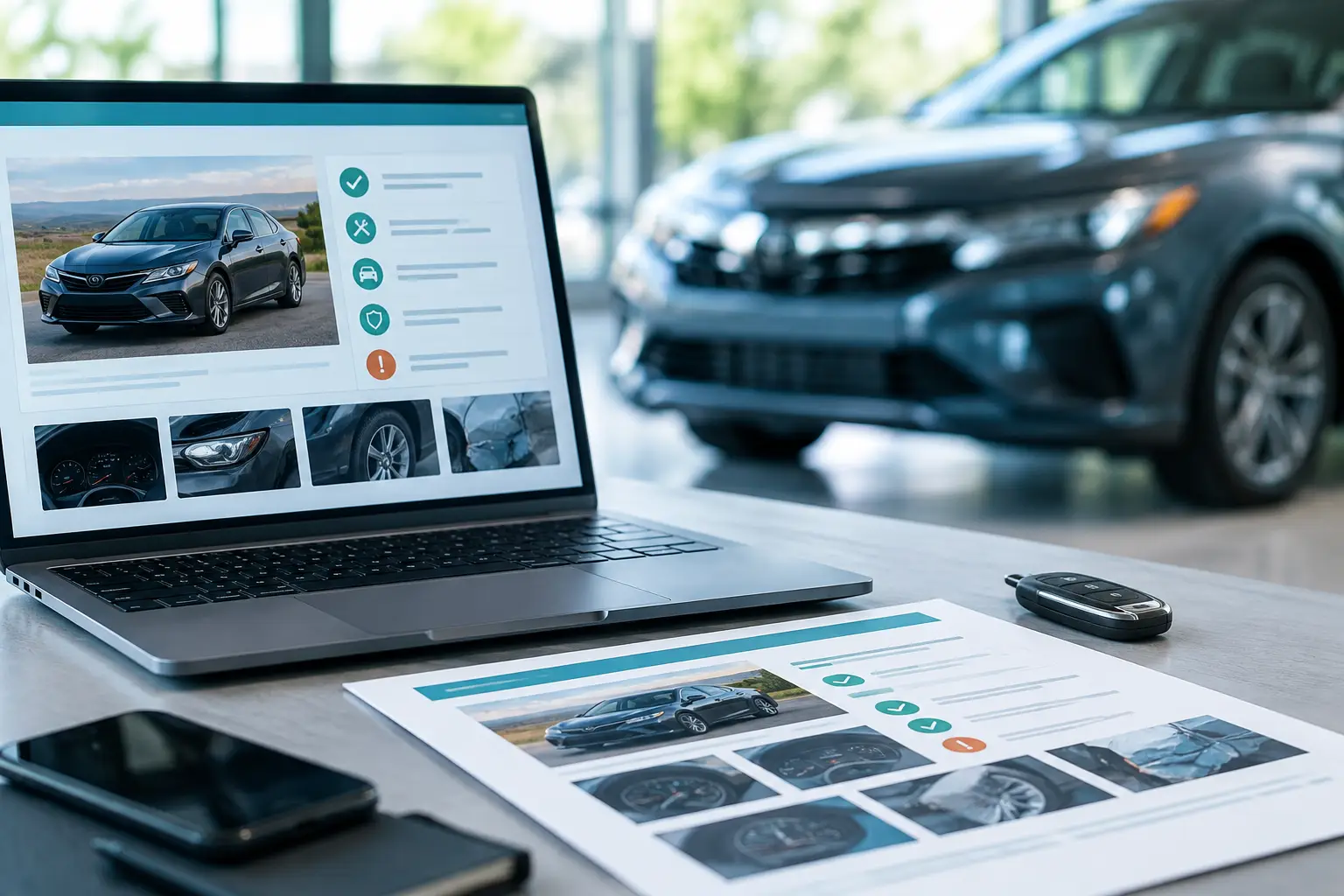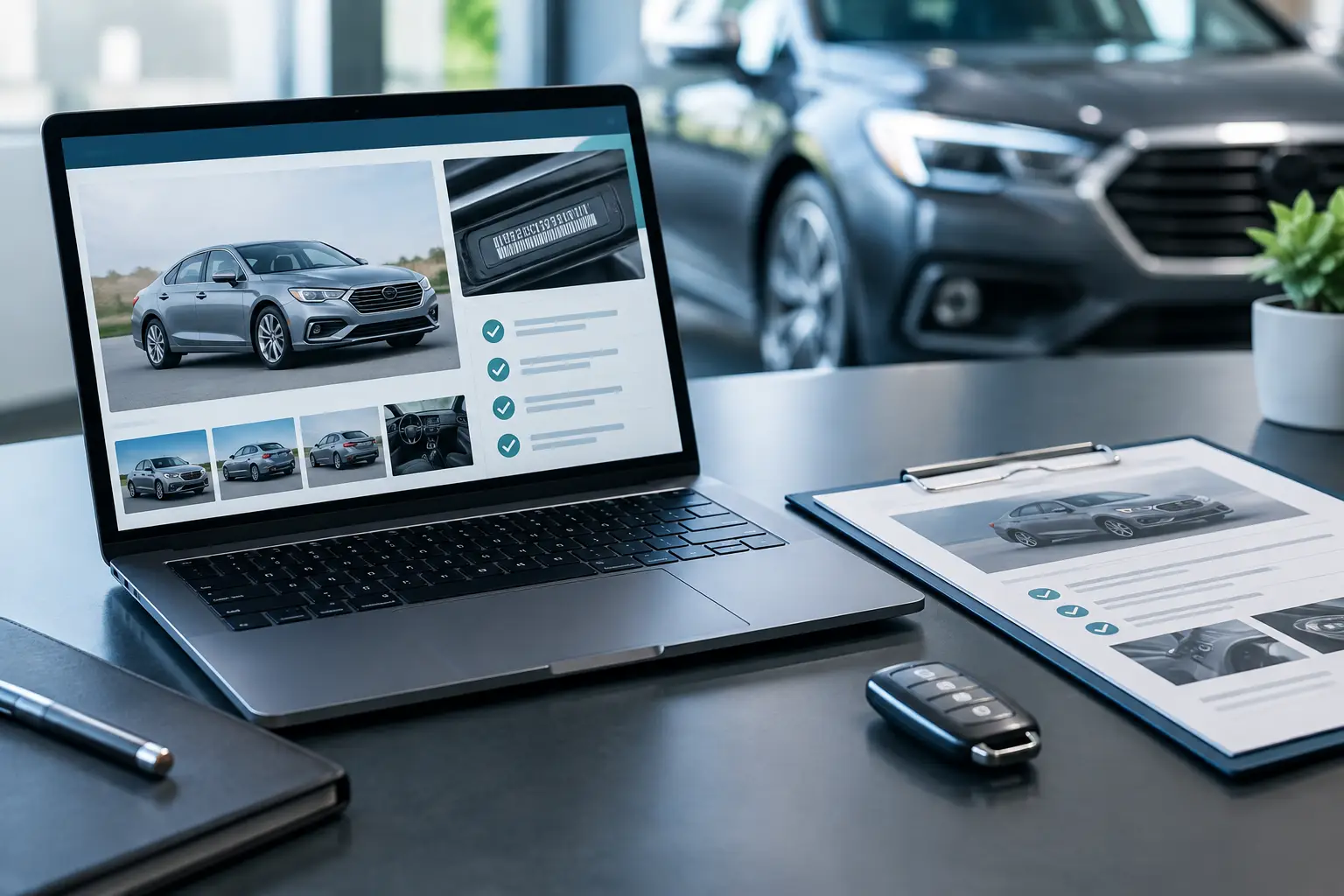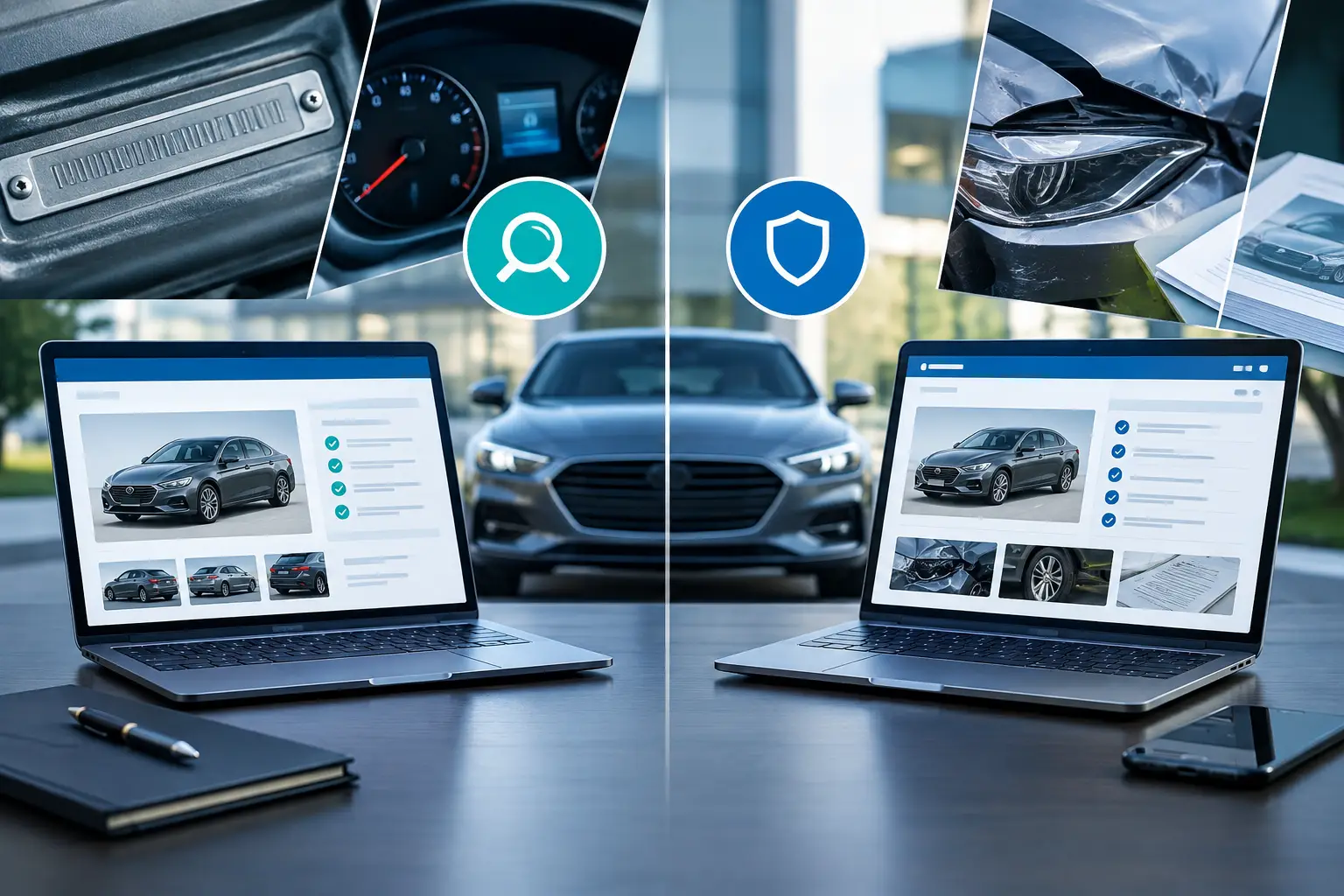
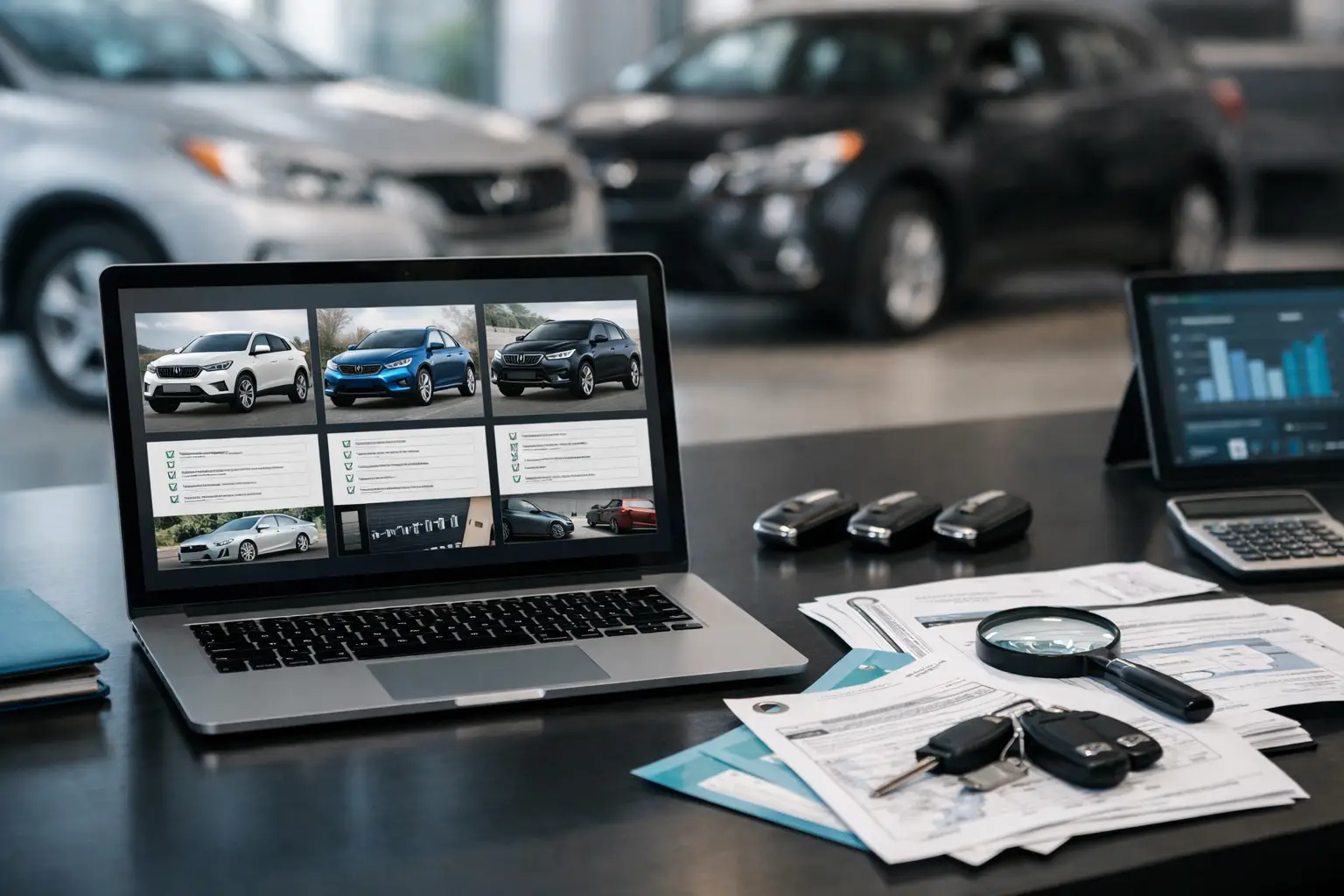
A clean-looking vehicle can still carry a branded title, an unresolved recall, a mileage inconsistency, or damage that changes what it is worth. When several vehicles are competing for your money or inventory budget, a multi VIN comparison tool turns scattered research into a decision you can defend. Instead of opening one disconnected report after another, you can place the facts side by side, identify the exceptions, and focus on the vehicle with the strongest evidence.
Why Single-Vehicle Research Breaks Down
Reviewing one VIN at a time feels thorough until you are evaluating three similar SUVs, a row of auction listings, or a week of incoming trade-ins. Details get lost between browser tabs. One vehicle may have a clean title but a lower safety rating. Another may have a strong service profile but a recent damage record. A third may look like the value play until its odometer history raises questions.
The risk is not that you fail to find information. The risk is that you compare information unevenly. If you check recalls on one vehicle, title history on another, and market value on a third, you are not making an apples-to-apples decision. You are relying on memory, assumptions, and whichever detail happened to stand out most.
A comparison workflow creates a consistent standard. Every candidate is evaluated against the same categories, with the same level of scrutiny. That matters for first-time buyers protecting a savings account, dealers protecting margin, and fleet teams protecting operating costs.
What a Multi VIN Comparison Tool Should Show
A useful comparison dashboard does more than display a list of VINs. It organizes the records that materially affect safety, value, ownership risk, and resale potential. The objective is not to create more data to read. It is to make meaningful differences impossible to miss.
At a minimum, compare the vehicle identity and specifications first. Confirm trim, engine, drivetrain, model year, body style, and factory equipment. Listings are often incomplete or inaccurate, especially when a seller uses a generic trim description. A VIN-based specification record helps verify that the price reflects the vehicle actually being offered.
Then compare the history signals that can change the deal:
- Accident and damage events, including the type and timing of reported damage
- Title status and title brands, such as salvage, rebuilt, flood, lemon, or junk history
- Theft and recovery records that may require additional documentation
- Odometer readings and potential mileage inconsistencies
- Ownership history, including the number and pattern of prior owners
- Open recalls and safety information
- Current market valuation relative to the asking price
The strongest tools also convert this evidence into a clear risk signal. DriveEvidence uses a 0-100 DriveEvidence Score to help users see which records deserve immediate attention. A score should never replace the underlying report, but it can prevent the most common comparison failure: spending too much time on cosmetic differences while a serious history issue sits in plain sight.
How to Use a Multi VIN Comparison Tool Before You Buy
Start by building a shortlist, not by trying to investigate every vehicle on the market. For most buyers, three to five comparable vehicles are enough to reveal what a fair deal looks like. For dealers and auction buyers, the number may be much higher, but the decision rule stays the same: compare vehicles that could realistically fill the same need.
Standardize the Vehicles Before Comparing Them
A comparison is only useful when the vehicles are genuinely comparable. Group similar model years, trims, mileage ranges, and powertrains where possible. Comparing a low-mileage, one-owner vehicle with a high-mileage former rental can still be useful, but treat it as a value-versus-risk decision rather than a direct quality contest.
Record the asking price or acquisition cost for each VIN. Market value means little without context. A vehicle priced below market could be an opportunity, but it could also be priced to move because the seller knows about a title issue, accident history, or mechanical concern. A higher-priced vehicle may be justified if its history is cleaner, its mileage is lower, and its equipment is more desirable.
Scan for Deal-Changing Red Flags First
Do not begin with cup holders, wheel packages, or exterior color. Start with the records that can eliminate a vehicle from consideration. A branded title, theft record, major reported damage, or unexplained odometer discrepancy deserves attention before any discussion of price.
This does not mean every red flag is an automatic rejection. A rebuilt-title vehicle with complete repair documentation may fit a buyer who understands the resale and financing trade-offs. A minor damage event from years ago may be less concerning than recent structural damage. The right answer depends on the vehicle, the documentation, the price, and your tolerance for risk.
The key is to make these trade-offs visible. A side-by-side view shows whether a lower-priced vehicle is truly a better value or simply a higher-risk vehicle with a lower sticker price.
Compare Value Against History, Not Price Alone
Once you remove or flag the highest-risk options, compare value. Look at market valuation, mileage, condition claims, vehicle specifications, and the asking price together. A $1,500 difference between two similar vehicles may be insignificant if one has cleaner records, fewer owners, no open recalls, and stronger resale prospects.
For a dealer, this is where acquisition discipline protects gross profit. The cheapest unit at auction is not always the most profitable unit after transportation, reconditioning, title delays, and retail buyer concerns. For a consumer, it is where an apparently affordable vehicle can become expensive after repairs, insurance complications, or reduced resale value.
Verify Before the Final Commitment
A VIN report supports the decision, but it should guide the next action rather than end the process. If the comparison reveals damage history, ask for repair invoices and inspect the affected area. If an odometer record looks inconsistent, request service documentation and confirm the reading during inspection. If there is an open recall, verify whether the manufacturer can complete the repair and whether parts are available.
Use the report to ask precise questions. Vague questions such as “Is anything wrong with it?” invite vague answers. A documented question about a title brand, damage date, or mileage record requires a documented response.
The Best Comparison Views for Dealers and Fleet Teams
Professionals need more than a purchase decision. They need a repeatable process that works across inventory, lanes, trade evaluations, and replacement cycles. A multi VIN comparison tool is most valuable when it lets teams save vehicles, sort by risk or value, and export findings for internal review.
For independent dealers, sorting vehicles by score, title status, mileage, and valuation can quickly separate retail-ready candidates from units that need deeper review. This reduces wasted time on vehicles that may be difficult to finance, disclose, market, or resell. It also gives sales teams a clearer evidence trail when a customer asks why one similar vehicle is priced differently from another.
For fleet managers, comparison supports replacement planning. A fleet vehicle with a lower purchase price may still be the weaker choice if its recall status, accident history, ownership pattern, or expected resale value creates downstream cost. Comparing several VINs against the same operating requirements makes those costs easier to anticipate.
What a Comparison Tool Cannot Tell You
Vehicle history data is powerful, but it is not a substitute for a physical inspection, a test drive, or professional mechanical evaluation. Not every repair, collision, service event, or cosmetic issue is reported to every data source. A clean report means no adverse event was found in the available records. It does not certify that the vehicle has never been damaged or neglected.
Treat the tool as a filter and a verification system. It helps you decide where to investigate, what to ask, and which vehicles deserve your time. For high-value purchases, collector vehicles, or any car with conflicting records, an independent pre-purchase inspection remains a smart next step.
Make the Evidence Work for You
The best vehicle is rarely the one with the lowest price or the flashiest listing photos. It is the one whose history, condition, safety status, and value hold up when compared against real alternatives. Put every candidate under the same lens, follow the evidence, and let the weakest records remove themselves from the deal.