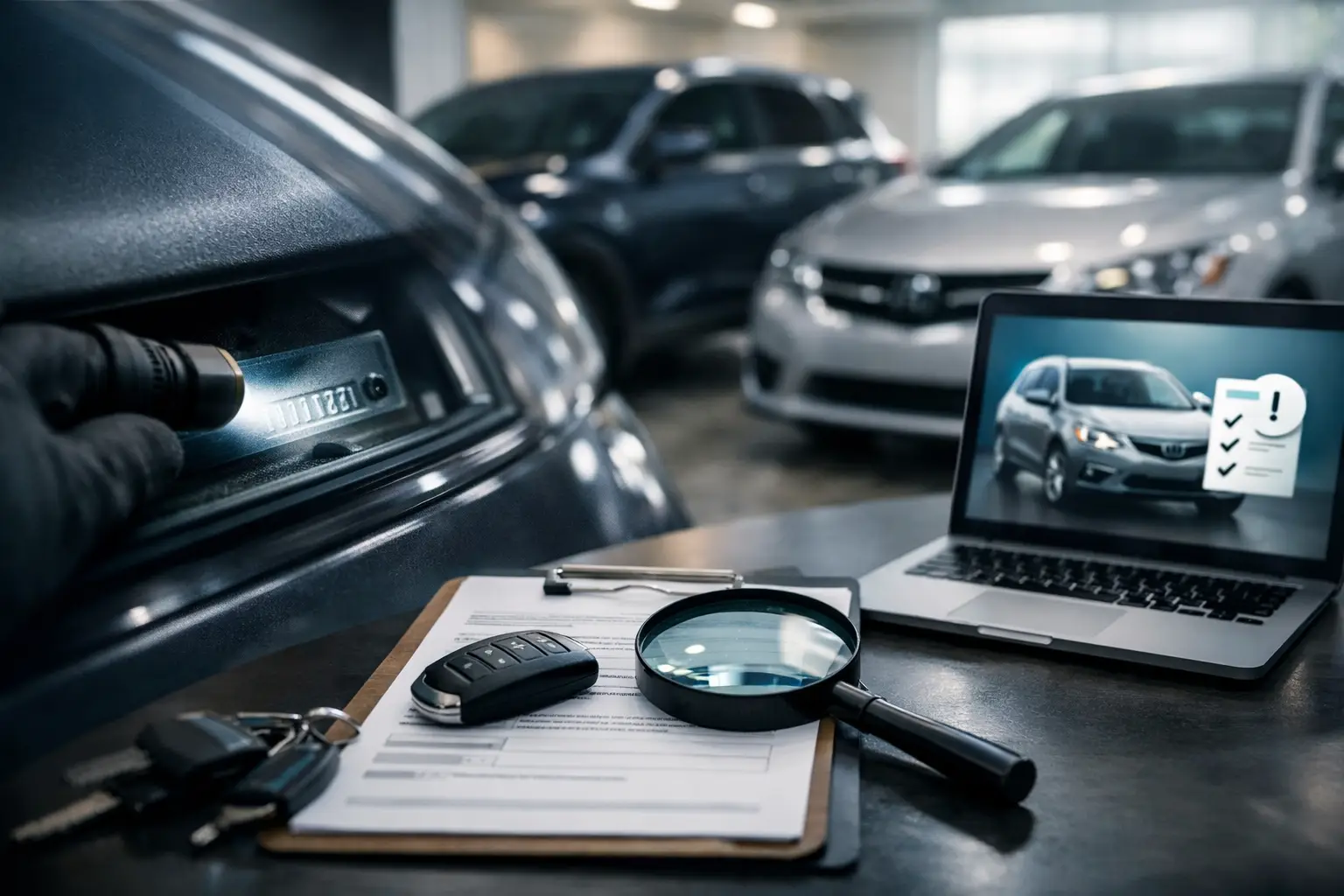
A vehicle can look clean on the lot, drive well on a short test drive, and still carry an unrepaired safety defect. Knowing how to verify open recalls before money changes hands gives you a clear answer to a simple question: does this specific vehicle have a manufacturer safety repair that still needs to be completed?
An open recall is not automatically a reason to walk away. Many recall repairs are straightforward and free. But ignoring one can expose you to avoidable safety risk, create delays after purchase, and reveal how carefully the vehicle has been maintained. Treat recall verification as a required part of due diligence, alongside title checks, accident history, odometer review, and inspection.
How to Verify Open Recalls Using the VIN
The vehicle identification number, or VIN, is the most reliable starting point. A recall applies to a defined group of vehicles, but whether the repair has been completed depends on the individual vehicle. The VIN connects the search to that exact car, truck, SUV, or motorcycle.
Find the 17-character VIN on the lower driver's-side windshield, the driver's door jamb, registration documents, insurance card, or title paperwork. Compare it across at least two locations. A VIN that does not match the paperwork is a serious red flag and should stop the transaction until it is explained.
Next, enter the VIN into an official manufacturer recall lookup or the National Highway Traffic Safety Administration recall database. These sources are designed to show unrepaired safety recalls associated with that vehicle. A vehicle-history platform can also surface open recalls alongside title brands, damage events, theft records, odometer signals, and other buying risks, making the review faster when you are evaluating more than one vehicle.
For an open recall, record the recall number, affected component, remedy, and the date it was announced. Do not settle for a vague statement such as, "It was probably handled." Ask for proof.
What an Open Recall Result Actually Means
An open recall means the manufacturer has identified a safety-related defect or a failure to meet a federal motor vehicle safety standard, and its records do not show the prescribed repair as completed for that VIN.
The defect may involve airbags, brakes, steering, fuel systems, seat belts, cameras, software, battery packs, or another component. Severity varies. Some recalls concern a condition that is unlikely to occur without specific circumstances. Others involve risks such as fire, loss of power, unintended movement, or an airbag that may not deploy correctly.
Read the remedy description rather than judging the vehicle solely by the word "recall." A software update may take less than an hour. A parts-dependent repair can require a dealer appointment and a wait. A recall involving a stop-drive or park-outside notice deserves much more caution, especially if you need the vehicle immediately or plan to transport family, customers, or fleet drivers.
Also recognize what a clean result does not prove. No open recalls found means the relevant database did not identify an unrepaired recall for that VIN at the time of the search. It does not guarantee the vehicle has no mechanical problems, no prior damage, or no future recall. Recall data is one decision signal, not a complete condition report.
Confirm the Repair Status Before You Commit
If the VIN search shows an open recall, call an authorized dealer for that manufacturer. Provide the VIN and recall number, then ask whether the remedy is available, whether parts are in stock, and whether the repair can be scheduled before delivery. Request the answer in writing when possible.
Recall repairs are generally completed at no charge by an authorized dealer, even if the vehicle is out of warranty. There can be exceptions, particularly when a vehicle has been modified, rebuilt, imported outside normal channels, or has damage that prevents the recall work from being performed. The dealer can explain whether those conditions apply.
If a seller says the recall was completed but the record still shows open, ask for the repair order or invoice. The dealer may be able to confirm the work and update the manufacturer record if needed. Do not assume a verbal promise will resolve the status after you buy.
For private-party sales, consider making completion of a serious recall part of the purchase agreement. For a dealer sale, ask the dealer to complete the repair before delivery or state clearly, in writing, how and when it will be addressed. The right approach depends on the recall, parts availability, and your willingness to accept the delay.
Check Recalls at the Right Points in the Buying Process
A recall check should happen early, but it should not happen only once. Vehicle status can change while you negotiate, arrange financing, or wait for delivery.
Use this workflow:
- Run the VIN before making an offer or paying a deposit.
- Check again before signing final documents, particularly if the transaction takes several days.
- Confirm that any promised repair has a completed repair order, not merely an appointment.
- Save a copy of the recall result and repair paperwork with the vehicle file.
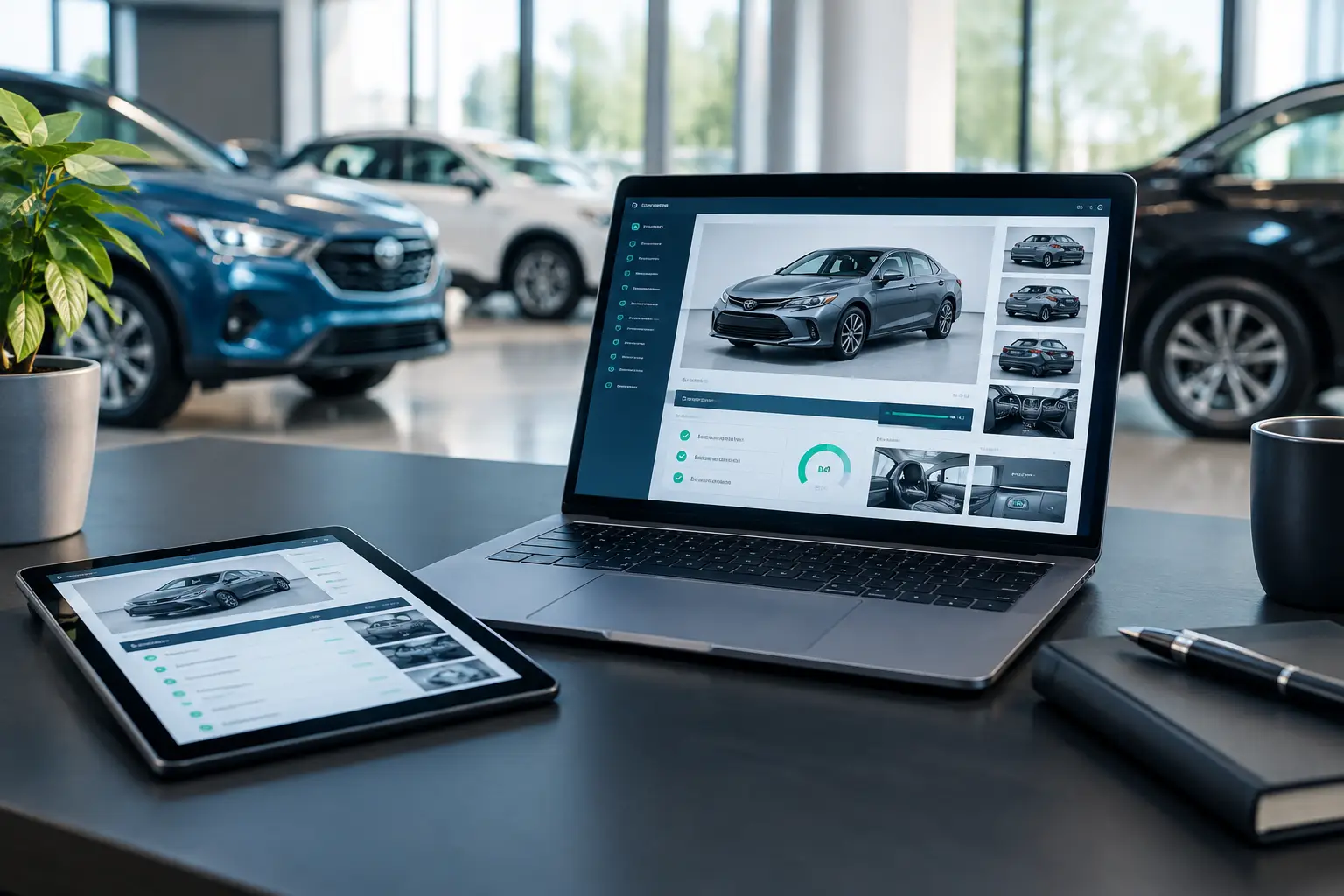
This matters even more for auction buyers, dealers, and fleet managers. A newly acquired unit with an unresolved recall can tie up recon time, disrupt delivery dates, and create avoidable exposure. When multiple VINs are in play, a centralized dashboard that lets users save, compare, sort, and export vehicle records prevents recall status from getting lost among disconnected reports.
Common Recall-Check Mistakes That Create Risk
The most common mistake is searching only by year, make, and model. That can tell you whether a model was affected by a recall campaign, but it cannot reliably confirm whether the repair is still open on the exact vehicle you are considering.
Another mistake is confusing recalls with technical service bulletins. A technical service bulletin gives dealers guidance for diagnosing or repairing a known issue. It is not necessarily a safety recall, and repairs may not be free outside warranty coverage. Both can be useful information, but they are not interchangeable.
Buyers also miss recalls by relying on an old history report. Vehicle data changes. A recall may be announced after the report was generated, or a completion record may not have posted yet. Run a fresh VIN lookup close to the purchase date.
Finally, do not mistake a passed state inspection for proof that there are no recalls. Inspection requirements differ by state, and a passed inspection is not a comprehensive recall clearance document.
How Recall Status Fits Into a Smarter Vehicle Decision
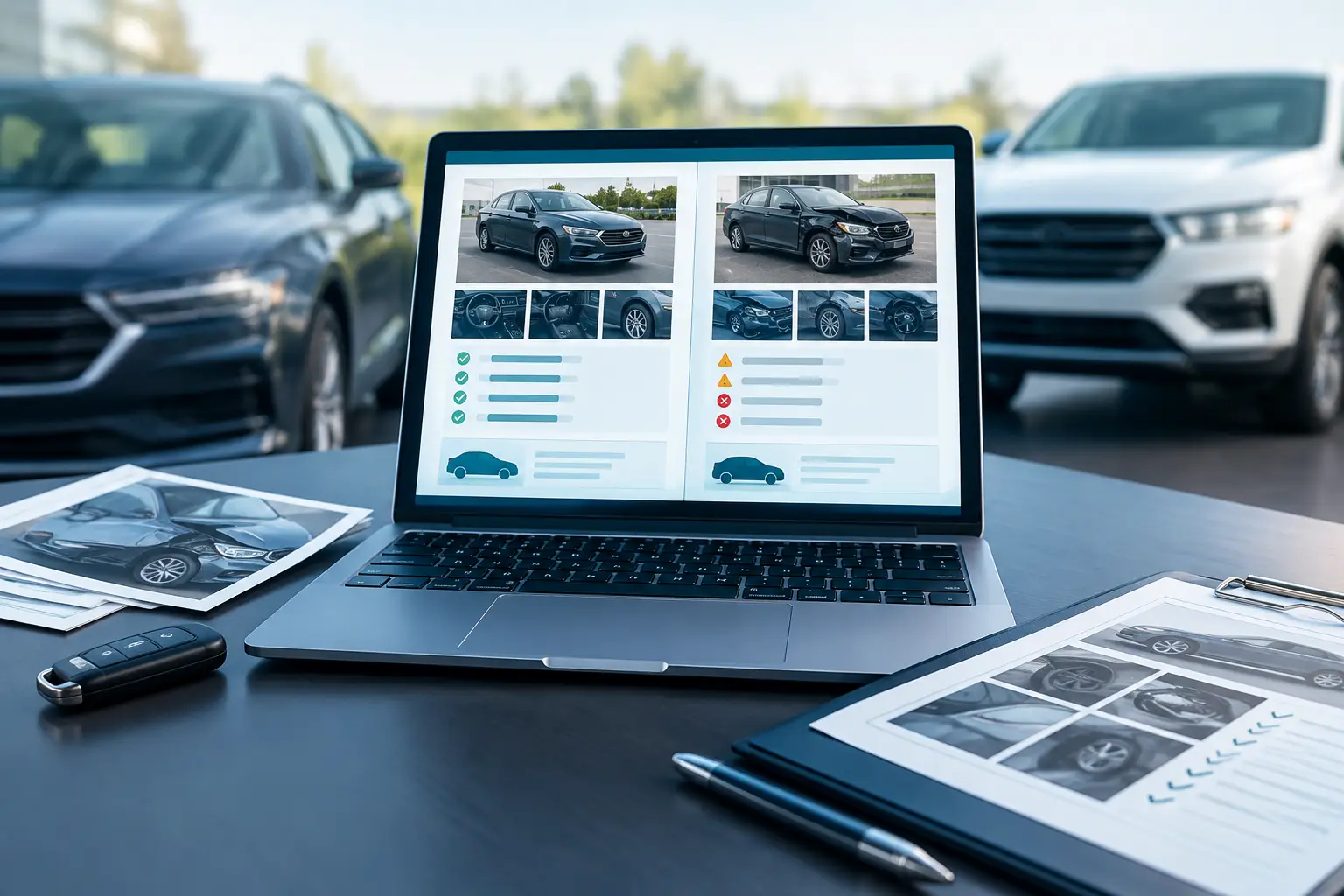
A single open recall should be assessed in context. A low-risk software recall with an available remedy may be easy to resolve. A vehicle with an urgent recall, a branded title, suspicious odometer history, and evidence of major collision damage presents a different picture. The pattern matters more than any one data point.
That is why a complete VIN review is more useful than checking one category in isolation. DriveEvidence combines recall information with verified vehicle-history signals and a 0-100 DriveEvidence Score, helping buyers and professionals see whether a recall is a manageable to-do item or part of a broader risk profile.
Before you buy, verify the VIN, read the recall details, confirm remedy availability, and keep the proof. A few minutes of verification can prevent a safety problem from becoming your problem.