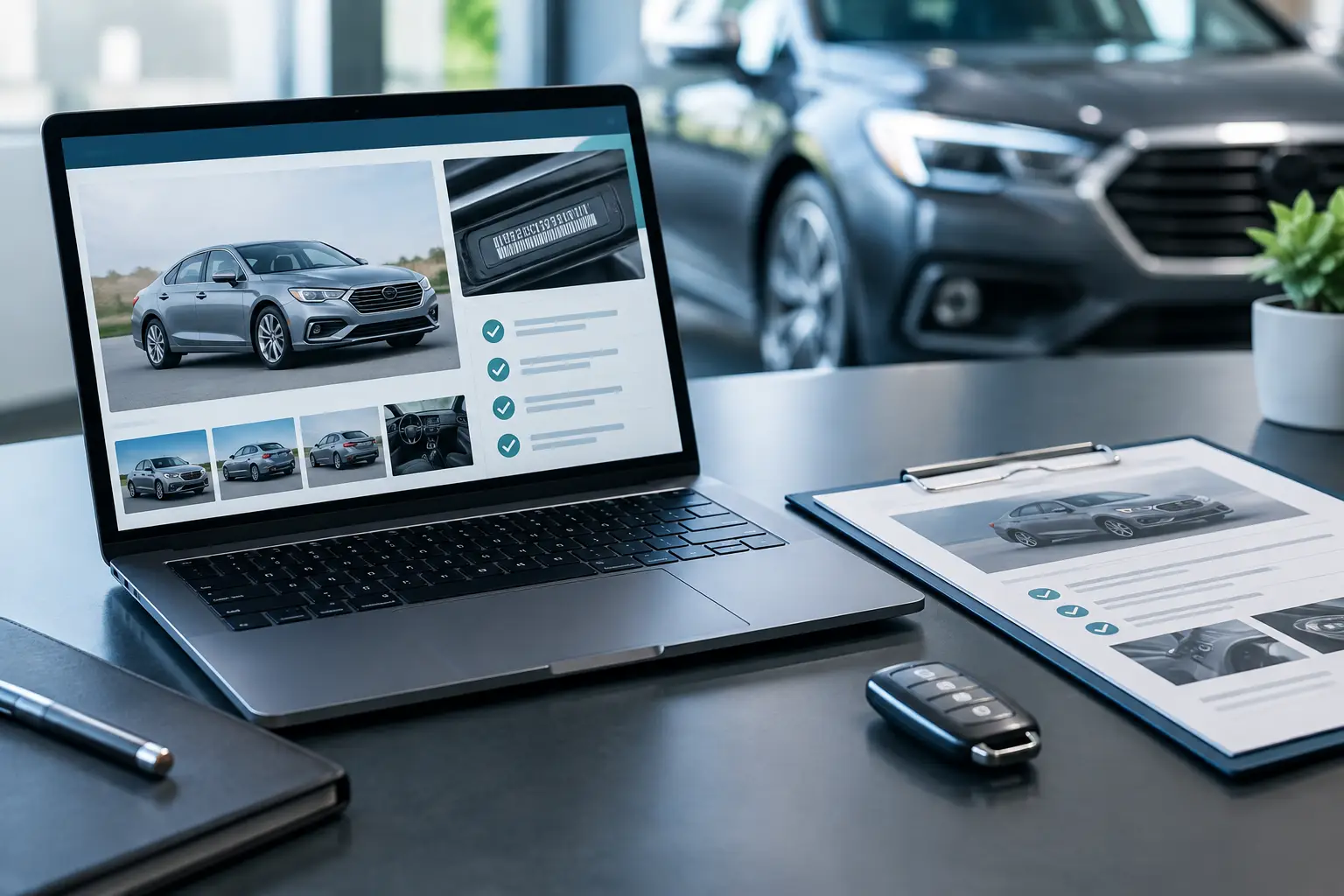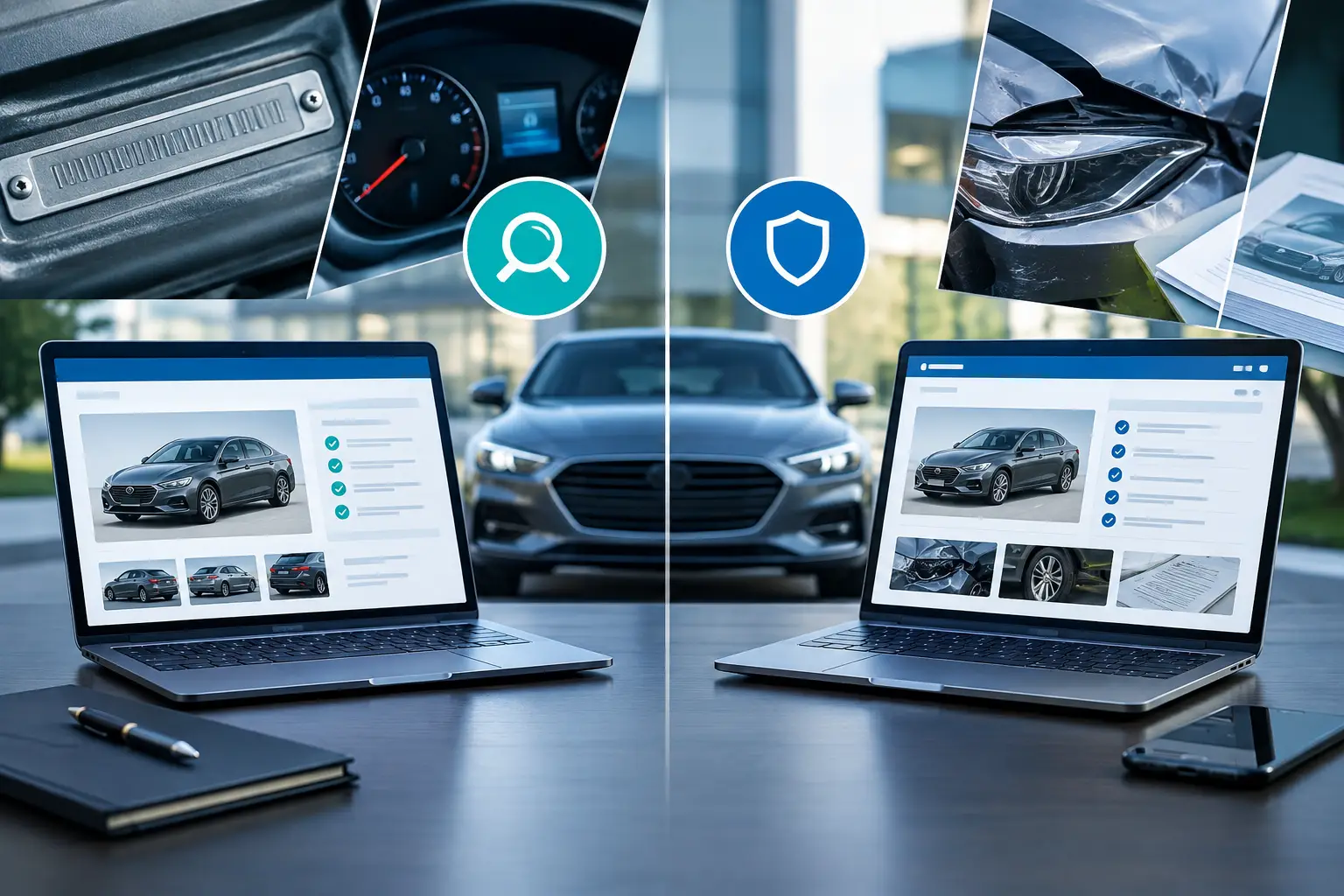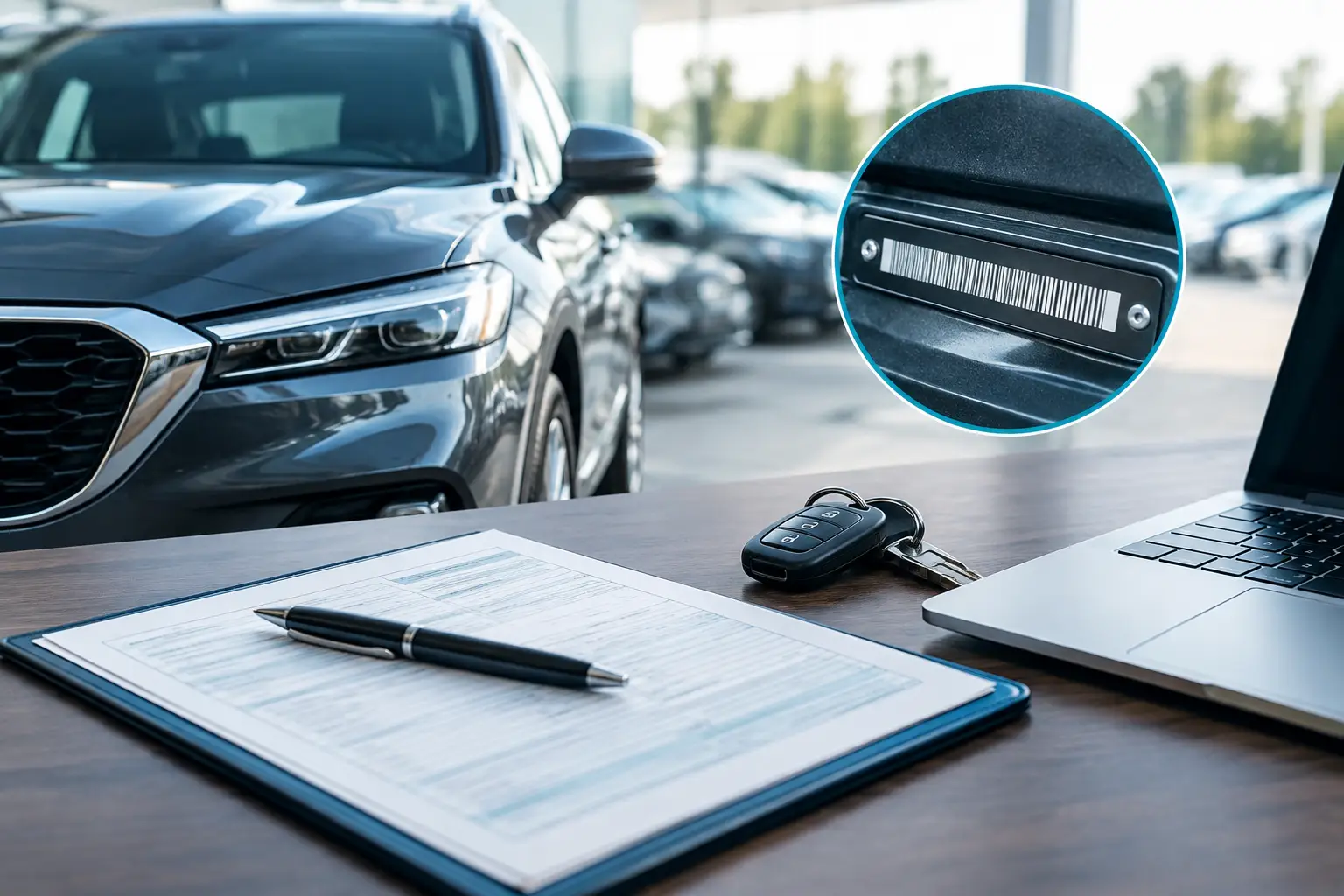
A used car can look clean, drive well, and still carry problems that never show up in a test drive. That is why a vin decoding guide for buyers matters early in the process, not after you have already negotiated price. The VIN is the fastest way to confirm what a vehicle is supposed to be, then compare that baseline against what the seller is claiming.
For buyers, dealers, and fleet teams, that matters because bad information is expensive. A mismatched engine, an incorrect trim, a misleading model year, or a title issue tied to the wrong expectations can change value fast. VIN decoding does not tell you everything about a vehicle, but it gives you the foundation for every smart next step.
What a VIN actually tells you
A VIN, or Vehicle Identification Number, is a 17-character code assigned to a vehicle by the manufacturer. It is not random. Each section points to something specific, including where the vehicle was built, who made it, key vehicle attributes, the model year, the assembly plant, and the vehicle's serial number.
That makes the VIN useful for one simple reason - it separates facts from listings. Sellers can write anything in an ad. Photos can miss details. Window stickers can disappear. But the VIN gives you a structured identifier that can be checked against manufacturer data and vehicle history records.
On its own, VIN decoding usually helps you confirm the basics: make, model, model year, body style, engine type, transmission, trim-related indicators, and manufacturing origin. Depending on the source, you may also see equipment and safety details. This is enough to catch a surprising number of problems before you spend money on an inspection or waste time chasing the wrong vehicle.
VIN decoding guide for buyers: how to read the 17 characters
You do not need to memorize every position, but you should know what the major sections do.
Characters 1-3: World Manufacturer Identifier
The first three characters identify the manufacturer and the country or region of origin. This is your first check against the listing. If the ad says one brand or build origin and the VIN points elsewhere, stop and verify before moving forward.
Characters 4-8: Vehicle attributes
These characters typically describe the vehicle's platform and core specs, such as body style, restraint system, engine, and series. This section is where trim confusion often starts to clear up. A seller may describe a vehicle as a premium package or performance variant, but the VIN may indicate a lower-spec version.
Character 9: Check digit
This character is used to validate the VIN itself. It helps confirm the VIN is structurally legitimate and not simply typed incorrectly. If a VIN fails validation, treat it as a serious warning sign until you know why.
Character 10: Model year
This tells you the model year, which is not always the same as the sale year or registration year. Buyers get tripped up here all the time. A car first sold in 2020 may actually be a 2019 model year vehicle, and that affects value.
Character 11: Assembly plant
This identifies the plant where the vehicle was built. It usually will not decide the purchase on its own, but it helps confirm manufacturing details and may matter to collectors, fleet buyers, or anyone verifying originality.
Characters 12-17: Serial number
These are the production sequence numbers unique to the vehicle. This section becomes especially useful when tying the decoded VIN to title records, accident history, ownership events, recalls, and theft records.
What VIN decoding can catch before you buy
The best use of a VIN decoder is not curiosity. It is validation. You are checking whether the vehicle in front of you matches the story around it.
The most common issue is spec mismatch. A listing may advertise a higher trim, larger engine, all-wheel drive, or a special package that the VIN does not support. Sometimes this is an honest mistake. Sometimes it is how a seller justifies a higher price.
The second issue is model year confusion. Buyers often compare prices across similar vehicles without realizing they are looking at different model years with different equipment, warranty status, or market value. The VIN helps you anchor the comparison to the right vehicle.
The third issue is identity inconsistency. If the dashboard VIN, door sticker, title, registration, and listing do not match exactly, that is not a small typo to ignore. It could be a clerical problem, or it could point to title fraud, theft, or a reconstructed vehicle that needs deeper review.
What VIN decoding does not tell you
This is where many buyers overestimate what a decoder can do. Decoding tells you how the vehicle was built, not everything that happened to it afterward.
A VIN decoder alone will not confirm accident severity, title brands, salvage history, odometer rollbacks, prior theft, flood exposure, lien risks, service gaps, or how a vehicle compares against similar listings in the market. For that, you need vehicle history records and valuation context tied to the VIN.
That distinction matters. A VIN can decode perfectly and the vehicle can still be a bad buy. It might be the correct trim with the correct engine and still have major prior damage or a branded title. The decoder is step one, not the final answer.
A practical VIN decoding guide for buyers
Start before the test drive. Ask for the full VIN from the seller, not just partial characters. If the seller refuses, delays, or gives inconsistent explanations, that is useful information on its own.
Next, decode the VIN and compare the results against the listing. Check the year, make, model, engine, drivetrain, and body style. If those do not line up, ask direct questions. Do not assume the seller simply clicked the wrong dropdown.
Then compare the VIN across the vehicle itself. Look at the dashboard plate visible through the windshield, the driver-side door jamb sticker, the title, registration, and insurance card if available. Every version should match exactly.
After that, move beyond decoding into history verification. This is where platforms like DriveEvidence become useful because the VIN becomes a gateway to a broader decision workflow. Instead of looking at isolated facts one at a time, you can evaluate title status, accident and damage records, theft and recovery events, odometer verification, recalls, and market value in one place. For buyers comparing several vehicles, that side-by-side view saves time and reduces the chance of overlooking a red flag.
Finally, use the decoded specs and history together when pricing the vehicle. If a seller priced the car like a top trim but the VIN points to a lower trim, that changes the negotiation. If the VIN confirms the trim but history shows prior damage or title concerns, that also changes the negotiation. Good buying decisions come from combining identity, condition history, and value.
When VIN decoding matters most
It matters on every used vehicle, but some situations carry more risk.
Private-party sales deserve extra scrutiny because the buyer often has less structured documentation and fewer process safeguards. Auction purchases also raise the stakes because vehicles move fast, descriptions can be thin, and buyers may be evaluating multiple units under time pressure.
It also matters for late-model vehicles where trim and equipment can move pricing by thousands of dollars. A small spec error is not always small money. The same goes for trucks, performance models, luxury vehicles, and collector cars where originality and build details affect value.
For dealers and fleet managers, VIN decoding is really about throughput as much as protection. When you are screening multiple vehicles, you need a reliable way to confirm identity fast, prioritize follow-up, and avoid investing time in units that fail basic verification.
Red flags buyers should not ignore
Some problems are worth slowing the deal down for. A VIN that appears altered, scratched, or tampered with is one. A title that shows one VIN while the door sticker shows another is another. So is a seller who says the decoder is wrong but cannot explain why the vehicle specs do not match.
There are also softer red flags. A listing that avoids showing the VIN, inconsistent trim badging, a suspiciously low price for the supposed configuration, or a seller rushing you away from documentation should all put you into verification mode.
Not every mismatch means fraud. Cars get repaired, badges get replaced, and listings get entered badly. But a buyer's job is not to explain away inconsistencies. It is to verify them before money changes hands.
The smartest way to use a VIN before purchase
Think of the VIN as the control point for your research. It tells you what the vehicle should be. From there, you compare everything else against that truth - the ad, the seller's claims, the title, the condition, the history, and the price.
That approach protects first-time buyers from expensive surprises and helps experienced buyers move faster with more confidence. If you are evaluating one car, it keeps you grounded in facts. If you are evaluating ten, it helps you sort signal from noise quickly.
A clean-looking vehicle can still hide the wrong story. Start with the VIN, verify what matters, and let evidence lead the decision.