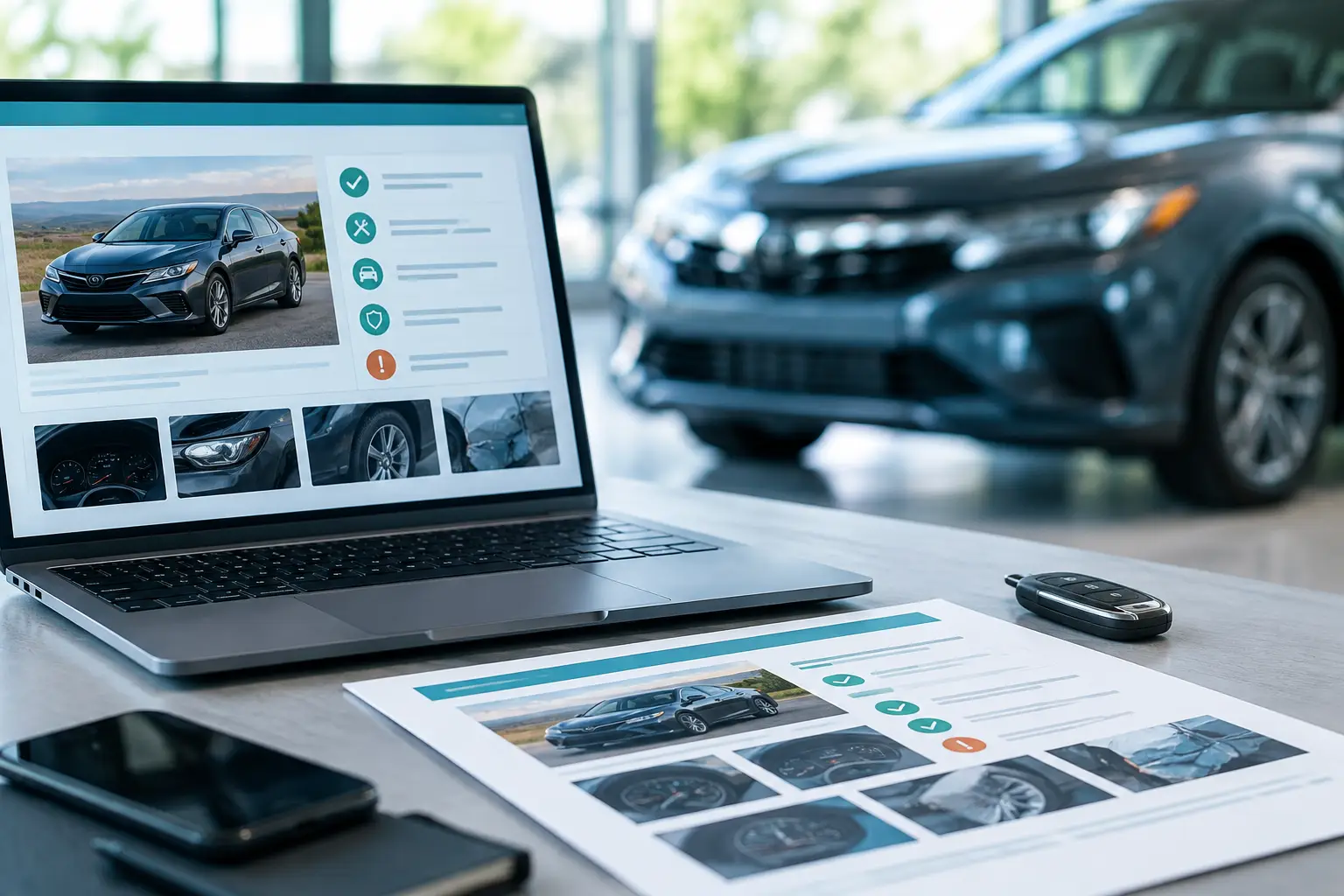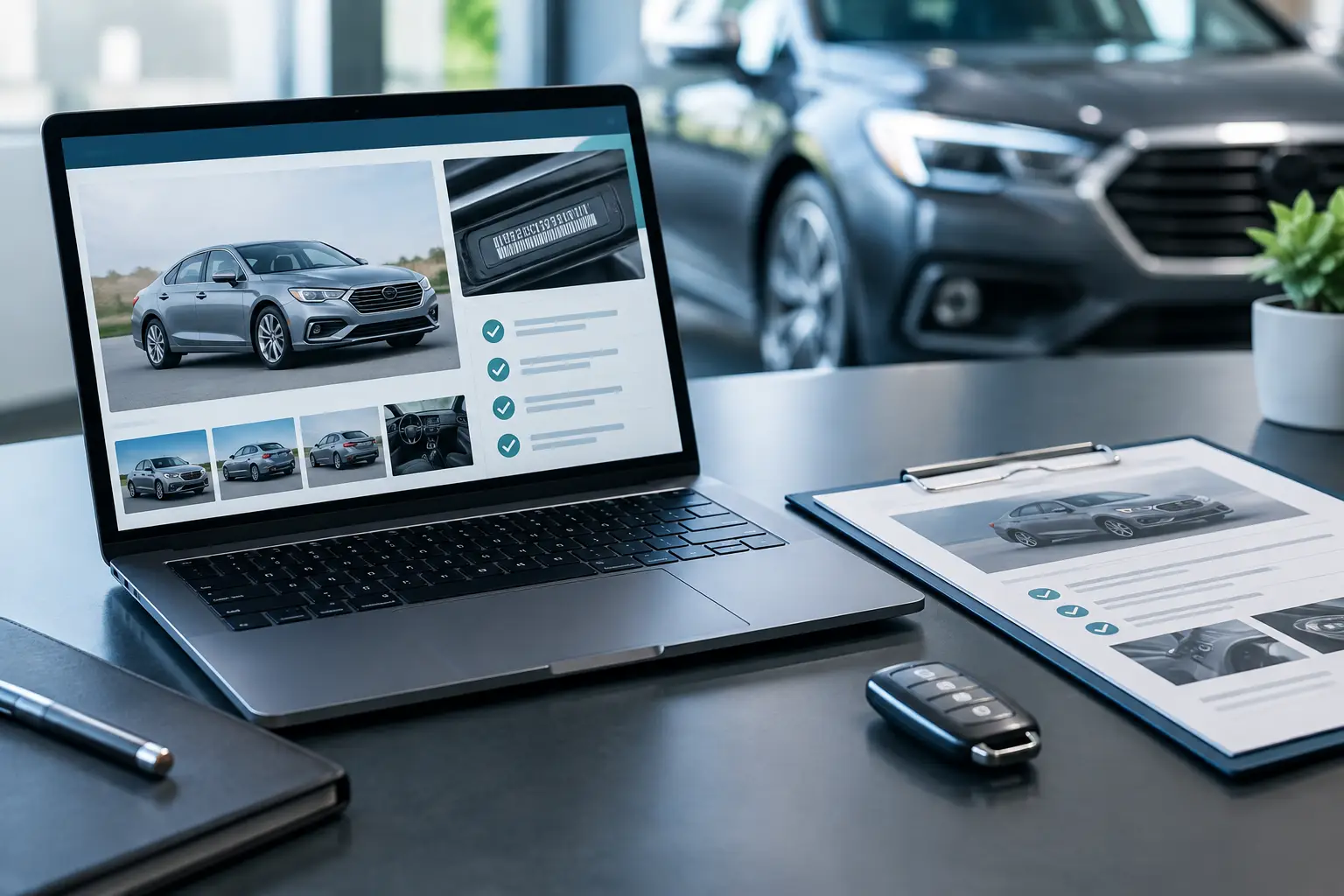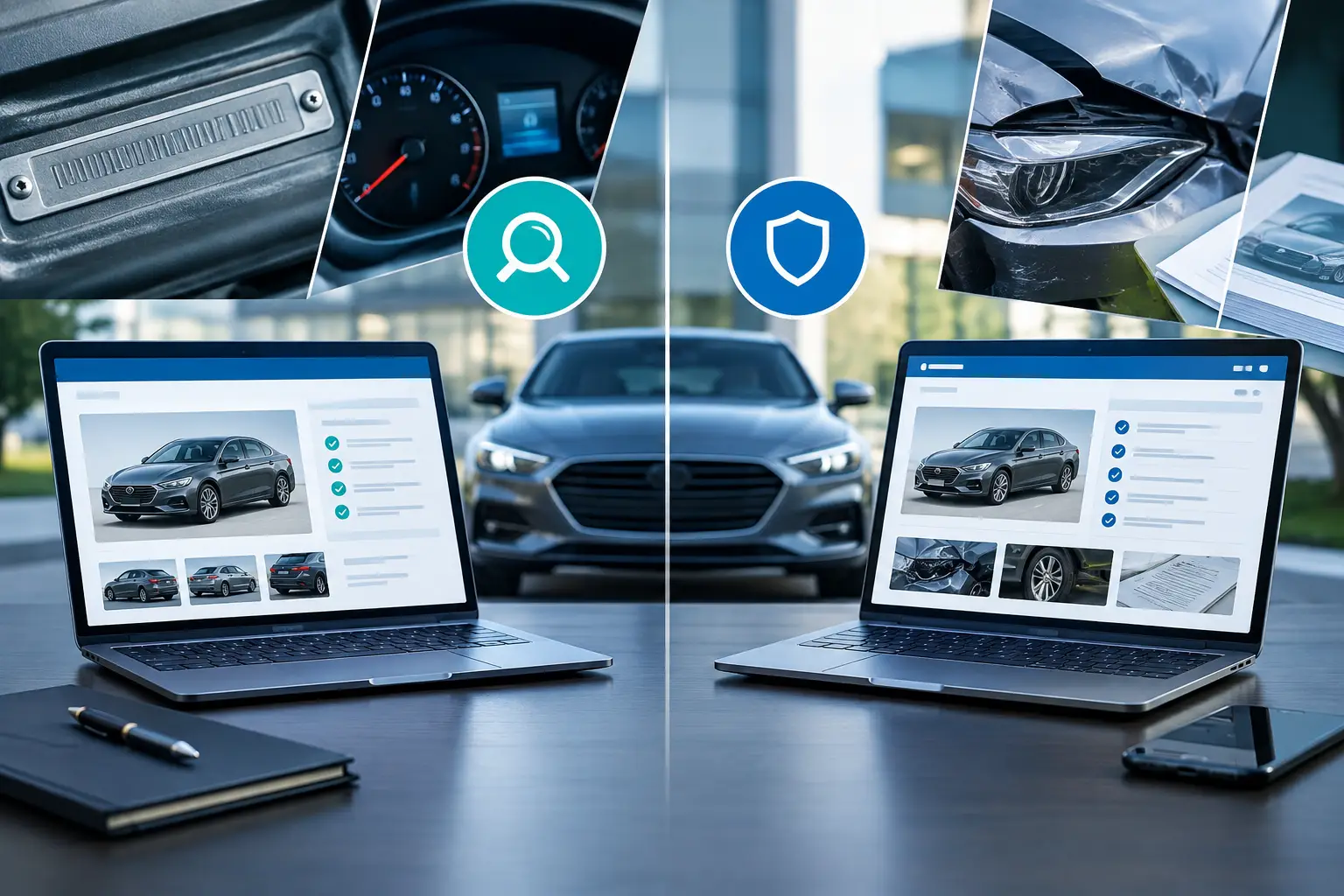
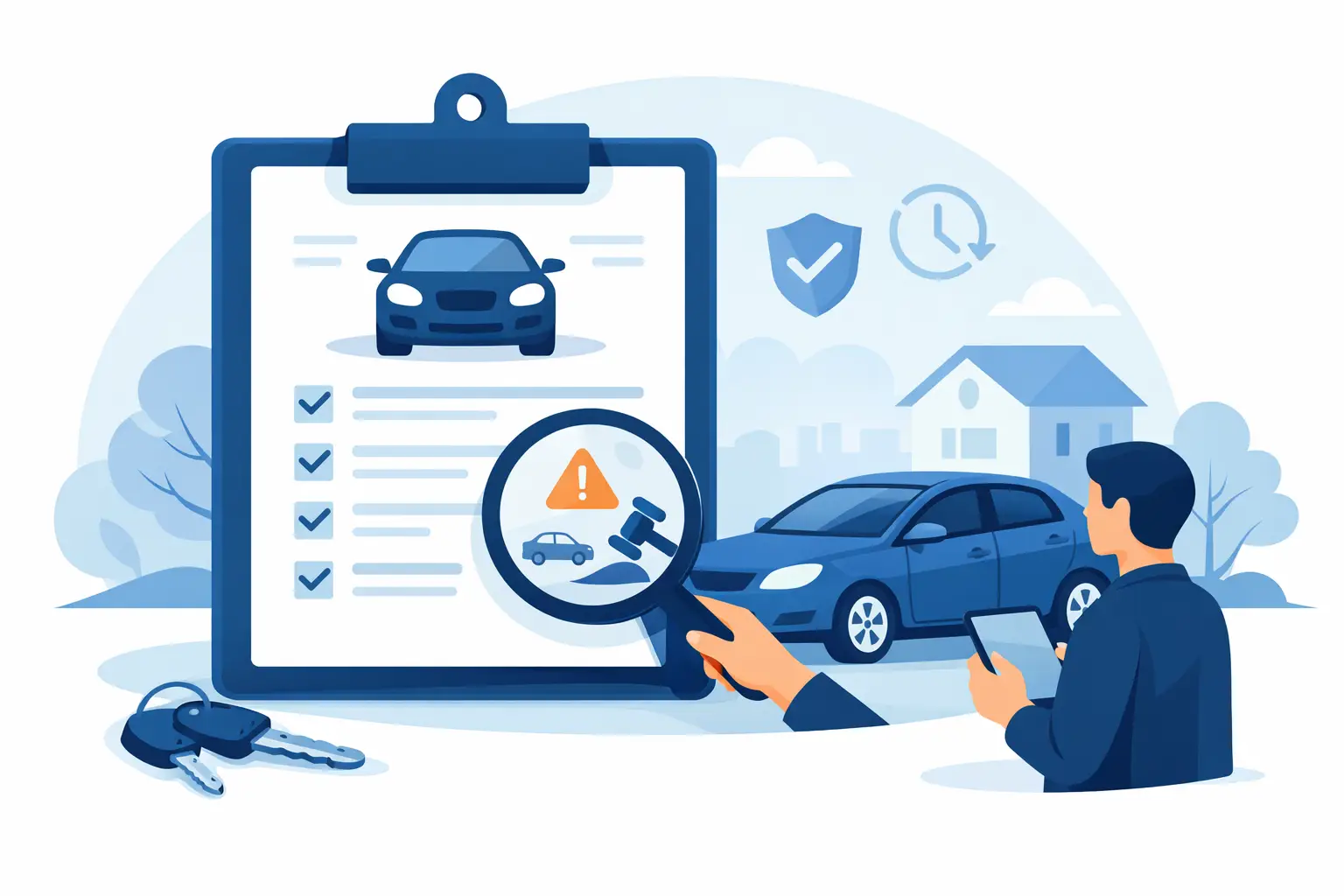
A clean exterior and a short test drive can hide a lot. Salvage branding, odometer rollbacks, theft records, and unresolved recalls do not show up in a walkaround - but they can change the value and risk of a vehicle fast. If you want to know how to check vehicle history report for free, the real answer is this: you can uncover useful data at no cost, but you need to know where free information stops and where paid verification starts.
Free vehicle history checks are best used as an early filter. They help you rule out obvious problems before you spend time negotiating, arranging inspections, or committing to a purchase. For buyers, dealers, and fleet teams, that first screen matters because bad inventory decisions get expensive quickly.
How to Check Vehicle History Report for Free
Start with the VIN. If the seller does not provide it, ask for it directly. If they hesitate, treat that as a warning sign. You can usually find the VIN on the dashboard near the windshield, on the driver-side door jamb, on registration paperwork, and on insurance documents. Once you have it, verify that the VIN matches across the vehicle and the paperwork. A mismatch is not a small clerical issue - it can point to title fraud, stolen parts, or an entirely different vehicle identity.
Next, use free VIN lookup tools to gather basic records. Free checks often include vehicle specs, trim, engine details, model year confirmation, and open recall information. Some also surface limited title events or auction exposure. This is enough to catch obvious inconsistencies. If a listing says the car is a higher trim, but the VIN decodes to a lower one, your pricing conversation just changed.
Then compare the VIN data against the seller's claims. If the odometer reading, ownership story, or accident history sounds too neat, do not rely on a verbal explanation. Free tools can help validate basics, but their real value is in spotting gaps. A seller who says, "No issues, clean history," while the VIN lookup shows branding, recall activity, or inconsistent specifications is giving you a reason to slow down.
Finally, use the free search as a trigger for deeper review when needed. If the vehicle is newer, higher value, rare, rebuilt, sold at auction, or priced below market, basic free data is usually not enough. That is where many buyers make the wrong move - they assume no visible red flags means no risk.
What You Can Actually Get for Free
Free checks are useful, but they are rarely complete. Most no-cost tools are designed to provide a preview, not a full decision-grade report. That does not make them worthless. It just means you should use them for triage, not final judgment.
In many cases, free VIN lookups can confirm the vehicle's core identity. You can often see year, make, model, body style, drivetrain, engine, transmission, and manufacturing details. That matters more than people think. Misrepresented trim levels and option packages affect value, insurance cost, and resale potential.
Open recall data is another common free result. This is especially important for buyers who assume a working vehicle is a safe vehicle. A car can drive fine and still have an unresolved recall tied to airbags, fuel systems, braking, or fire risk. If you are evaluating multiple vehicles, free recall results help you prioritize which ones deserve more attention.
Some free tools also surface limited history indicators such as theft status, title brands, salvage records, or prior auction listings. But coverage varies. One platform may show a branded title while another shows nothing. That does not mean the record is false. It usually means the data source, update frequency, or report depth is different.
What Free Reports Usually Miss
This is where buyers get burned. A free report may look clean simply because it is not pulling enough verified data. That is very different from a vehicle actually having a clean history.
Accident reporting is the biggest gray area. Not every crash gets reported to insurers, police databases, or state systems. Minor repairs paid out of pocket may leave no easy trail. Even some serious damage can appear late or inconsistently depending on where the event was recorded. If a vehicle shows fresh paint, uneven panel gaps, replaced lights, or overspray, a free VIN check alone should not reassure you.
Ownership history can also be incomplete. You may not see how many times the vehicle changed hands, whether it moved through auction channels, or whether it bounced across states. Title washing can exploit these gaps. A title brand in one state may become less visible after transfer if you rely on shallow data.
Odometer issues are another problem area. Free checks may not show the full chain of mileage records needed to spot rollbacks or suspicious jumps. A reading that seems normal today can still be wrong if prior entries are missing. For higher-mileage vehicles, commercial trucks, collector cars, or auction units, odometer verification deserves more than a casual glance.
Market value context is often missing too. Even when free tools confirm the VIN and show no immediate alerts, they may not tell you whether the asking price reflects title risk, prior damage, fleet use, or unusual depreciation patterns.
A Smarter Free-First Screening Process
If you are serious about avoiding bad buys, use a layered process. Start free, but do not stop there just because the first result looks acceptable.
Begin by decoding the VIN and checking recalls. That gives you a basic identity check and an early safety screen. Then review the listing photos closely. Look for body panel mismatches, replacement badges, worn interiors that do not match the stated mileage, and missing documentation. After that, ask the seller direct questions: Has the vehicle ever had frame damage? Has the title ever been branded? Are there maintenance records? Has it been sold at auction?
The next step is comparison. Do not evaluate one vehicle in isolation if you have options. Side-by-side review often exposes weak inventory quickly. A car with unclear ownership, thin service records, and pricing that looks slightly too low may not stand out on its own. Compare it with three similar VINs, and the risk becomes clearer.
For buyers handling multiple options, or dealers screening inventory at volume, a dashboard approach is more efficient than opening disconnected reports one at a time. This is where platforms built around comparison and scoring can save time. DriveEvidence, for example, combines VIN-based records with a 0-100 DriveEvidence Score to turn scattered history signals into a clearer risk view. That matters when you are not just checking one car - you are deciding which vehicle deserves your money, your lot space, or your next inspection appointment.
Red Flags That Should End the Conversation
Some issues warrant more investigation. Others should stop the deal cold unless the pricing and documentation make the risk acceptable.
A seller who refuses to share the VIN before meeting is a problem. So is a title that does not match the seller's identity, unexplained salvage or rebuilt branding, inconsistent mileage, or visible damage that conflicts with a supposedly clean history. If the story keeps changing, trust the pattern, not the promise.
Watch for pricing that is far below market without a credible explanation. Cheap vehicles are not always scams, but unusually low pricing often reflects hidden damage, title issues, or mechanical problems the seller hopes you will discover too late. The same goes for urgency tactics. "Cash only today" is not proof of a good deal.
Auction history is not automatically bad, and fleet use is not automatically bad either. Plenty of auction and fleet vehicles are solid purchases. The issue is transparency. If prior use, damage exposure, or title events are obscured, risk rises fast.
When Free Is Enough - and When It Isn't
A free check is often enough to eliminate obvious non-starters. If the VIN does not decode correctly, the recall record is alarming, or the seller's description does not match the basics, you have already saved yourself time and money.
But if you are about to buy, finance, wholesale, resell, or add a vehicle to a fleet, free data should not be the last step. The more money involved, the less sense it makes to rely on partial records. A fuller report helps verify title status, damage history, ownership patterns, odometer readings, theft records, and value context before the transaction becomes your problem.
The safest approach is simple: use free tools to screen fast, then pay for verified depth only on the vehicles that make the cut. That keeps your research efficient without confusing "free" with "complete."
The truth is not every risky vehicle looks risky at first glance. The buyers who avoid expensive surprises are usually the ones who verify first, compare second, and only commit when the record supports the deal.